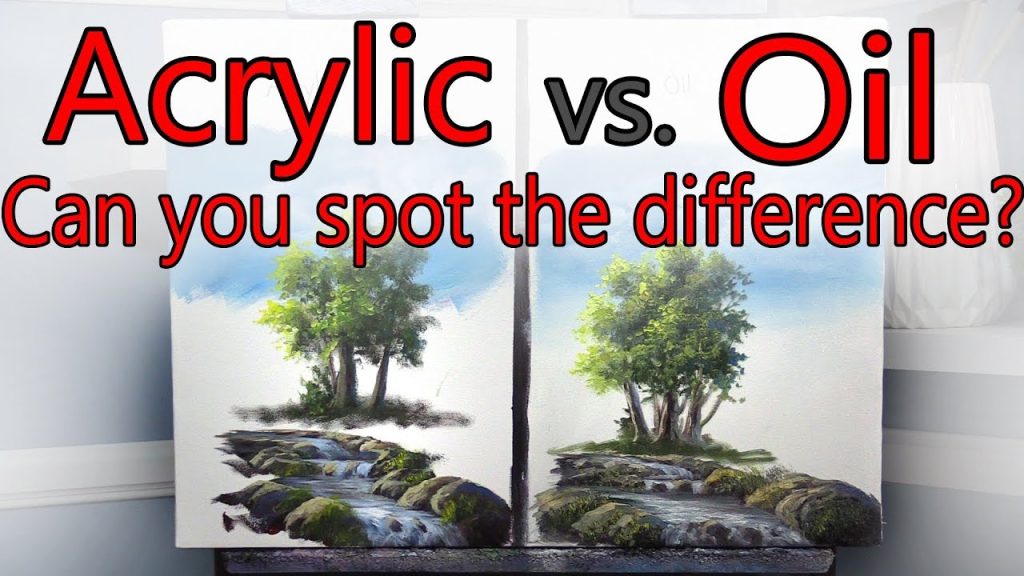
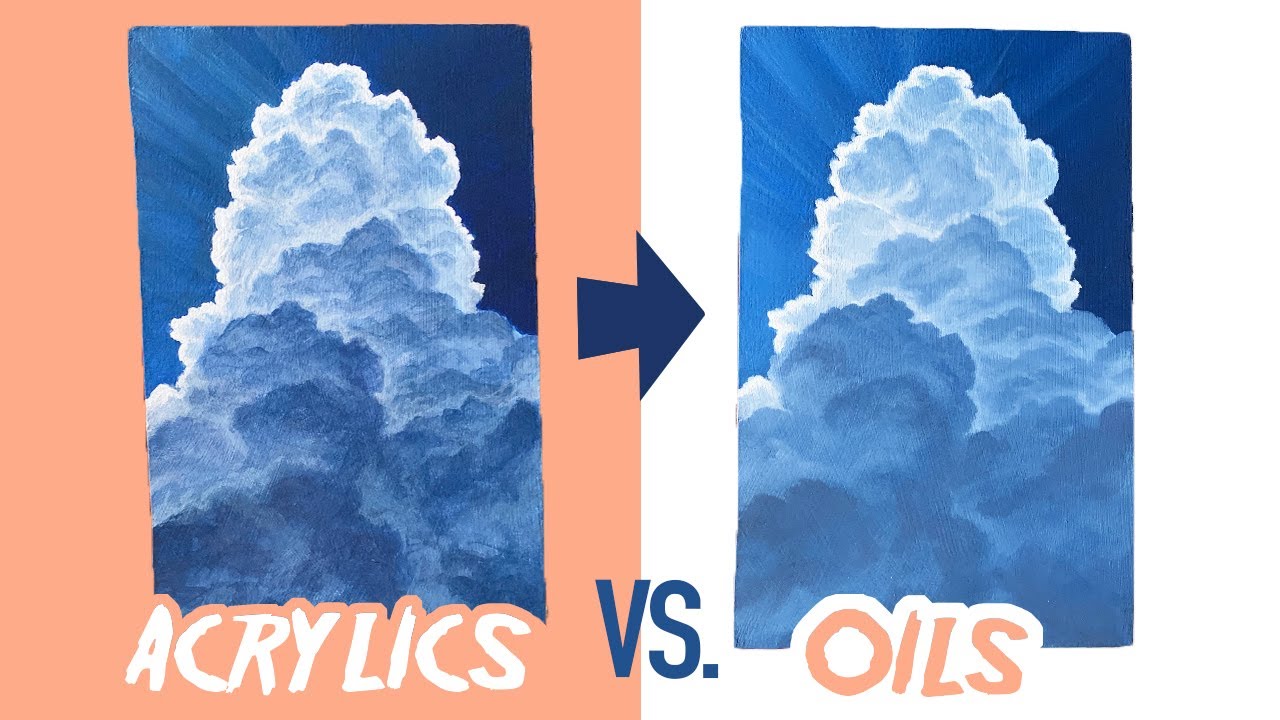
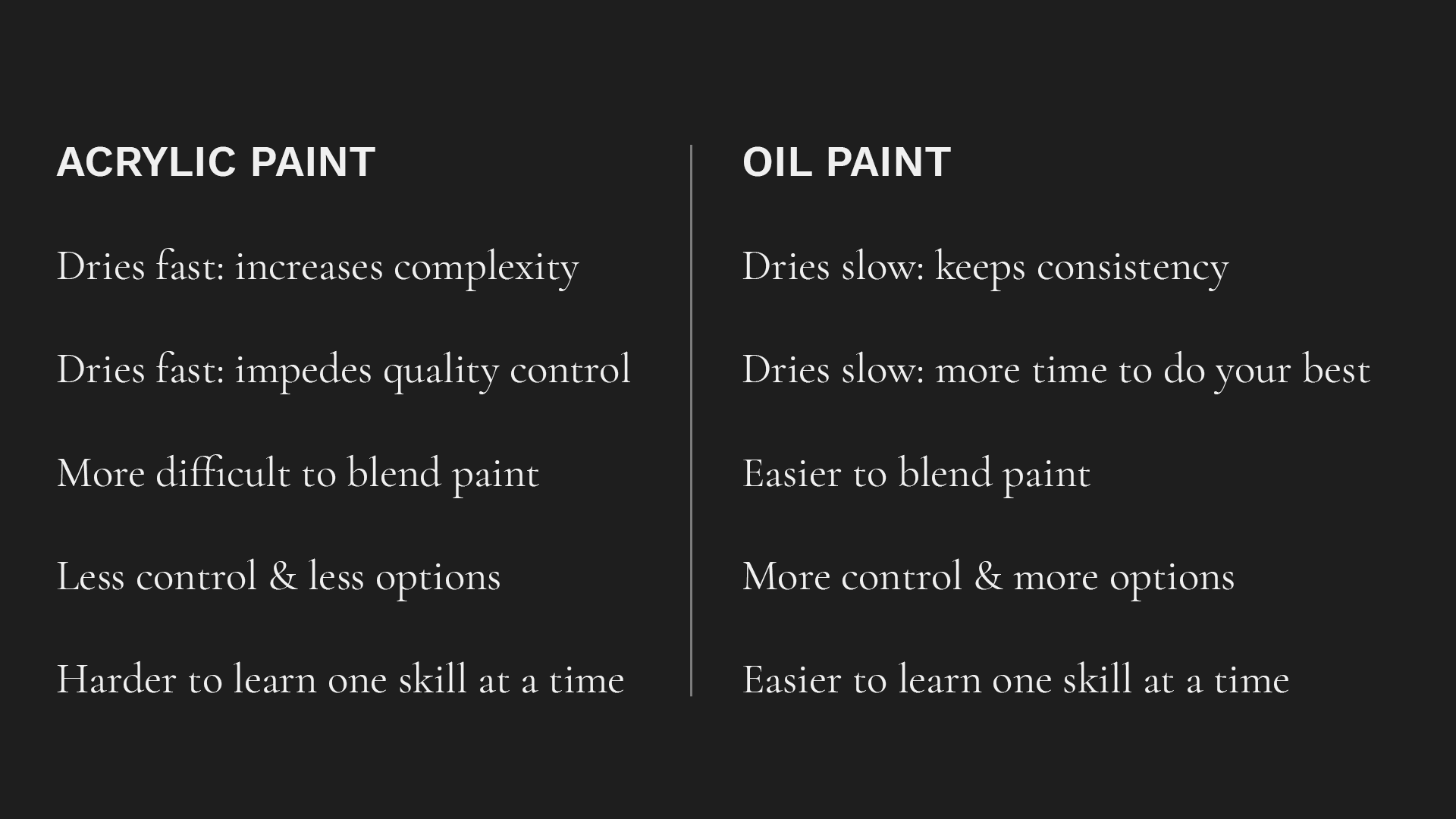
Acrylic dries fast with plastic flexibility; oils dry slow, allow blending and depth.
If you have ever wondered what’s the difference between acrylic and oil paint, you are not alone. I have spent years switching between both on client work, gallery pieces, and quick studies. In this guide, I will show you how each paint behaves, why it matters, and how to choose the right one for your art, with practical tips you can use today.

Key differences at a glance
Understanding what’s the difference between acrylic and oil paint starts with the basics. Both are pigment plus a binder, but they act very differently in the studio. Here are the core points you need to know.
- Binder and solvent. Acrylic uses an acrylic polymer and water. Oil uses drying oils and needs solvents for most cleanup.
- Drying time. Acrylic dries in minutes to hours. Oil dries in days to weeks due to oxidation.
- Flexibility. Acrylic films stay flexible. Oil films harden and can become brittle over decades.
- Color behavior. Acrylic can dry a touch darker. Oil often looks rich and luminous due to its refractive index.
- Techniques. Acrylic favors quick layers, sharp edges, and mixed media. Oil shines at blending, glazing, and subtle transitions.
- Safety and cleanup. Acrylic cleans with soap and water. Oil often needs safe solvent habits.
- Archival needs. Oil needs fat-over-lean planning to prevent cracks. Acrylic needs careful varnish and dust control.
Drying time and workflow
When artists ask what’s the difference between acrylic and oil paint, drying time leads the list. Acrylic dries as water evaporates. You can recoat within 15–60 minutes in thin layers. That speed is great for deadlines, but it can rush your blending.
Oil paint dries by oxidation and polymerization. This slow cure lets you blend wet-into-wet for hours or days. It also demands patience and a plan for sessions.
Practical tips I use:
- For acrylic, mist the palette and use a stay-wet palette to keep paints open.
- Try retarder or slow-dry acrylics for more time to blend.
- For oils, use alkyd mediums to speed surface drying when needed.
- Always test drying on a scrap panel before glazing a large area.

Color, finish, and texture
Here’s another angle on what’s the difference between acrylic and oil paint. Acrylic often dries a little darker and can shift in gloss. You can fix that with gloss or matte mediums or a final varnish.
Oil colors tend to look deep and crisp. The oil’s refractive index gives a natural glow that many portrait and landscape painters love. With oils, you can achieve buttery impasto or glassy glazes using the right medium.
Hands-on notes:
- For acrylic depth, use transparent glazing with gloss medium on top of a solid base.
- For oil glow, build thin transparent layers with a mix of linseed or stand oil and solvent.
- Acrylic gels can hold knife textures well. Oil can hold peaks but needs time to cure fully.

Layering, blending, and techniques
If you care about edges and blends, what’s the difference between acrylic and oil paint shows up fast. Acrylic excels at crisp shapes, quick masking, and fast layering. Oil excels at gradients, soft edges, and glazing that looks almost like stained glass.
Techniques that shine with each:
- Acrylic wins at hard edges, flat color fields, and mixed media with ink, charcoal, or collage.
- Oil wins at wet-on-wet blending, scumbling, and luminous glazes.
- Acrylic underpainting plus oil top layers can work well. Do not put acrylic over oil.
Studio examples from my practice:
- I use acrylics for mural blocks, then switch to oil for faces and subtle transitions.
- For tight deadlines, acrylic let me finish base layers in one sitting. Oils then added glow on top.

Longevity and archival quality
Conservators often get this question: what’s the difference between acrylic and oil paint for long-term durability? Oil paintings can last centuries when built well. Yet oils can yellow a bit as linseed oxidizes, and thick, lean layers can crack if not followed by fatter layers.
Acrylics are newer but stable. They resist cracking better and handle temperature swings. They can attract dust due to surface tack and can soften with heat. Proper varnish and good storage fix most issues.
Best practices I follow:
- For oil, keep fat-over-lean. Each new layer should have slightly more oil or medium.
- For acrylic, avoid heat and smoke. Add an isolation coat before final varnish for easy future cleaning.
- Use rigid supports for heavy impasto in both systems.

Health, safety, and cleanup
Another key part of what’s the difference between acrylic and oil paint is safety. Acrylics clean with water and mild soap. Still, never rinse paint sludge into sinks. Let solids settle and dispose of them as waste.
Oils often need solvents. Choose low-odor, artist-grade options. Ventilate well. Seal solvent jars when not in use. Oily rags can self-heat and burn. Lay them flat to dry or store in a metal can with water and a tight lid.
Safety checklist:
- Wear gloves if you use cadmium, cobalt, or other heavy metal pigments.
- Use a HEPA dust mask when sanding any painted surface.
- Review safety data sheets for all mediums and varnishes.
Cost, access, and studio setup
Artists also ask what’s the difference between acrylic and oil paint when it comes to cost. Entry cost for acrylics is often lower because you skip solvent gear. You need paint, a stay-wet palette, water bucket, and basic brushes.
Oil can cost more to start. You will want mediums, solvent, brush cleaners, and drying racks. That said, both have student and artist grades. Spend more on primaries and whites; you can add specialty colors later.
Budget tips:
- Buy fewer, better tubes in core colors. Mix most hues yourself.
- Test brands with small tubes before you commit to big sizes.
- Try sample packs to compare feel and tint strength.

Use cases and styles
If your goal is speed, what’s the difference between acrylic and oil paint favors acrylic. Quick studies, murals, and underpaintings all flow with fast drying. Acrylics also bond well on varied surfaces like wood, canvas, and paper.
If your goal is subtle blends and glow, oil is hard to beat. Portraits, classical glazing, and deep landscapes benefit from slow drying. For plein air, many artists love oils for their blend time, but there are fast-dry alkyd oils that help in the field.
What I choose and why:
- Illustration or design mockups: acrylic, for crisp edges and fast edits.
- Fine art portraits: oil, for smooth skin tones and depth.
- Mixed media: acrylic, then oil on top if needed.

Practical guide: choose the right paint for your project
Use this quick plan when you ask what’s the difference between acrylic and oil paint and which to use.
- Timeline. Need it done this week? Choose acrylic. Have time to build layers? Choose oil.
- Look and feel. Want bright, flat color blocks? Acrylic. Want glow and soft blends? Oil.
- Studio setup. No strong ventilation? Acrylic. Ventilated space and solvent safety? Oil.
- Surface and scale. Large wall or rough surface? Acrylic grips well. Panel or linen for detail? Oil excels.
- Hybrid path. Acrylic underpainting for speed, then oil glazing for depth.
Case study I use:
- Commission with a two-week deadline: block in acrylic in days one to two. Switch to oil glazes on days three to eight. Varnish after cure time.
Mistakes to avoid and pro tips
Artists who wonder what’s the difference between acrylic and oil paint often trip on simple things. Avoid these, and your work gets better fast.
- Do not paint acrylic over oil. It will not bond well and can delaminate.
- Do practice fat-over-lean in oils. This prevents early cracking.
- Do manage water in acrylics. Too much water can weaken the paint film.
- Do keep brushes clean. Dried acrylic ruins brushes. Dried oil is hard to remove.
- Do test varnish on a swatch first. Check gloss and color shift.
Pro tips from my bench:
- Use a limited palette. You learn color faster and save money.
- For acrylic blends, feather edges with a damp, clean brush.
- For oil blends, use a soft mop brush to unify transitions without streaks.
Frequently Asked Questions of what's the difference between acrylic and oil paint
Is acrylic or oil better for beginners?
Acrylic is often easier for beginners due to fast drying and water cleanup. Oil gives more time to blend but needs safe handling and patience.
Can I mix acrylic and oil paint together?
Do not physically mix them in a single wet layer. You can paint oil over a fully dry acrylic underpainting, but not acrylic over oil.
Which lasts longer on the wall?
Well-built oil paintings have proven longevity over centuries. Acrylics are very stable too, but they have a shorter track record, starting mid-20th century.
Why do my acrylic colors dry darker?
As water evaporates, the acrylic film changes how light passes through the pigment. A final varnish can help unify gloss and reduce the shift.
Do I need solvent to use oil paint?
You can paint solvent-free with oil and gel mediums and wipe brushes with oil. Many artists still use low-odor solvents for cleaning and certain techniques.
Which paint is cheaper?
Starter acrylic setups are usually less expensive. Oils can cost more due to solvents, mediums, and longer project times.
Is one paint more toxic than the other?
Both can be safe if used well. Some oil solvents and certain pigments need extra care, while acrylic wastewater should never go down the sink as liquid paint.
Conclusion
Now you know what’s the difference between acrylic and oil paint in real studio terms: speed versus subtlety, water versus oil, and flexibility versus glow. Match your paint to your timeline, style, and space, and you will see your results improve fast. Try a small study in each this week, note what you loved, and let that guide your next piece. If this helped, subscribe for more painting guides or leave a comment with your current project.