A synthetic paint brush uses nylon or polyester bristles for smooth results.
You want the right brush for clean lines, fast work, and easy cleanup. If you have ever asked what is synthetic paint brush, you are not alone. I have tested hundreds on walls, doors, trim, and fine art. In this guide, I break down the choices, share pro tips, and help you pick with confidence.
What Is a Synthetic Paint Brush?
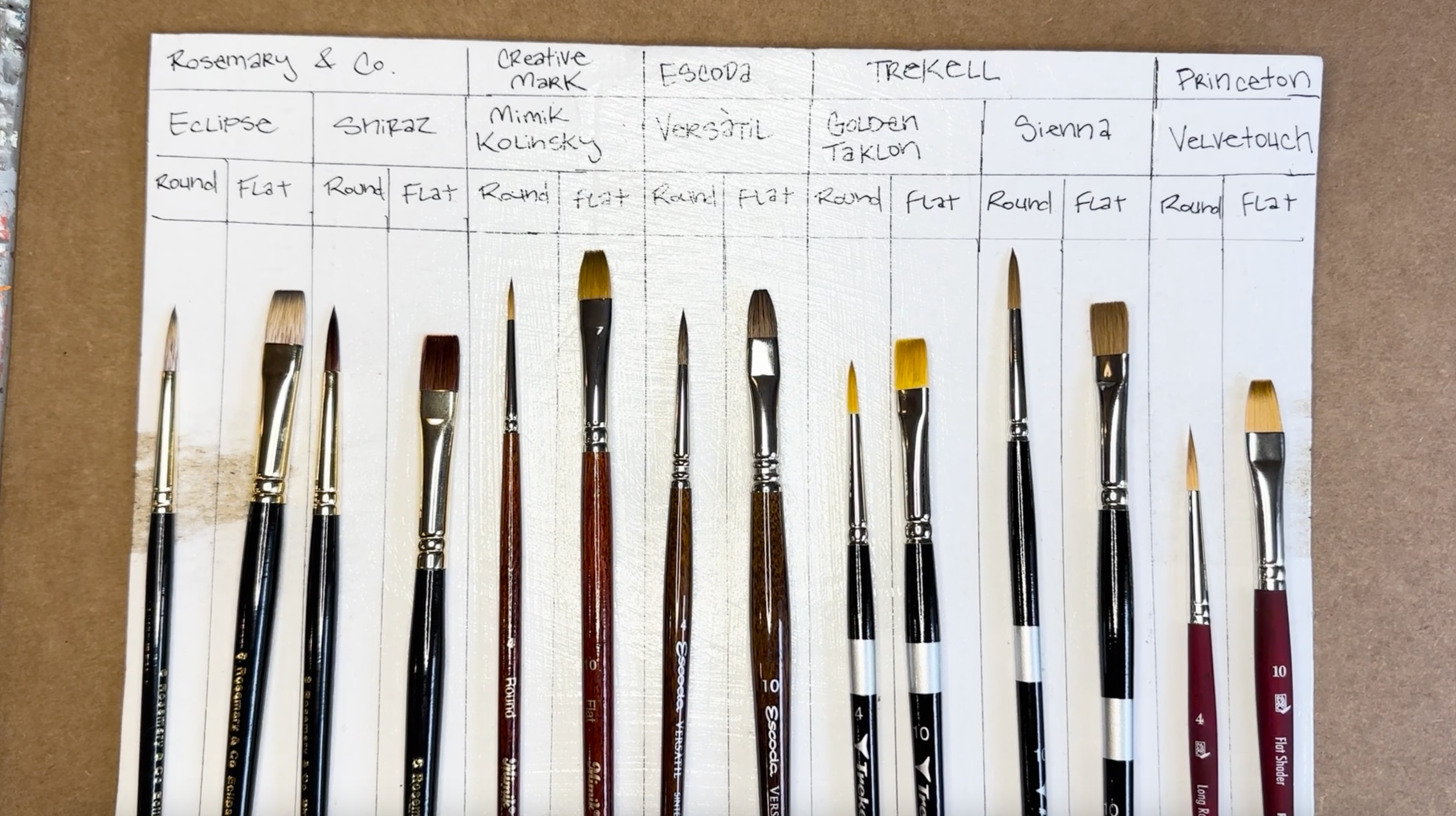
People often search what is synthetic paint brush when they see nylon or polyester on a label. A synthetic brush uses manmade fibers instead of animal hair. The fibers are shaped, tapered, and flagged to hold paint and lay it down smooth. They work best with water-based paints, like acrylics and latex.
The simple answer to what is synthetic paint brush is this: a durable, low-shed brush that resists water swell and keeps a sharp edge. Good synthetic bristles spring back to shape. They give a clean cut-in line and even film.
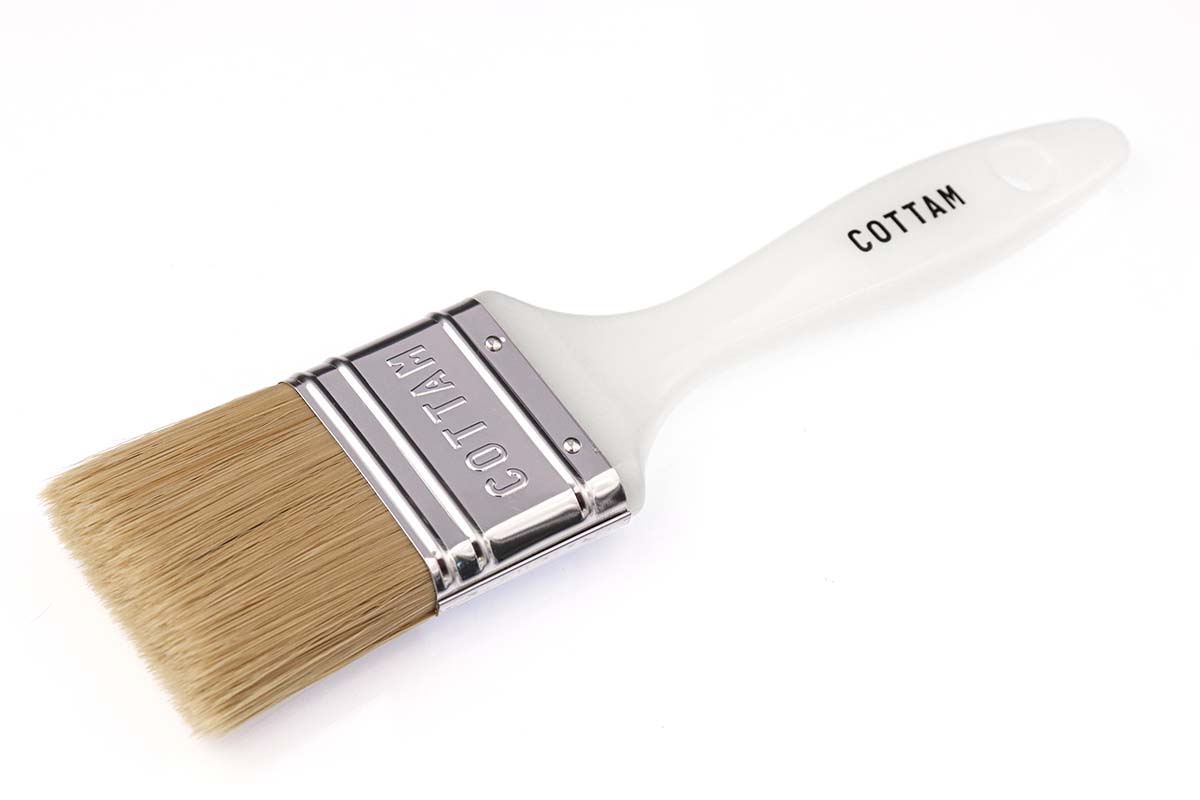
Modern models mimic natural bristle feel. Many have mixed filaments for better control, flow, and tip softness. Look for heat-set, tapered tips and a firm ferrule to reduce shed.

Synthetic vs. Natural Bristles
Natural bristles come from hog or ox hair. They shine with oil-based paints and solvent varnish. They hold lots of paint and flex well. But they swell in water and can go limp with latex.
One key point in what is synthetic paint brush is water resistance. Nylon and polyester do not soak up water like animal hair. That means better shape in humid rooms and better lines with acrylics. They also shed less and clean faster.
Use natural bristle for oil enamels, oil varnish, and shellac. Use synthetic for latex, acrylic, waterborne enamel, and water-based poly. Many pros now pick synthetic even for modern “alkyd waterborne” paints.

Materials Used in Synthetic Brushes
Another way to explain what is synthetic paint brush is to list common fibers. Each type behaves a bit different.
- Nylon: Soft glide and strong snap. Can get a bit floppy in high heat.
- Polyester: Stiffer feel. Keeps shape in heat and rough surfaces.
- Nylon/poly blend: A balance of glide, control, and tip feel.
- PBT (often called Taklon): Fine, smooth tips. Great for detail work.
- Flagged and tapered tips: Split ends and gradual tapers that hold more paint and leave fewer marks.
Many top brushes blend fibers by diameter. Fine tips for flow. Thicker cores for backbone. Some tips are heat-shaped for a feather-soft finish.

When and Why to Choose One
If you paint with acrylics, the topic of what is synthetic paint brush matters. Water-based paints dry fast and need a brush that stays crisp. Synthetic bristles hold a sharp edge longer.
Choose synthetic when you need:
- Clean cut-ins with latex on walls and trim.
- Smooth doors and cabinets with waterborne enamel.
- Low odor jobs with water-based primers and poly.
- Vegan or allergy-friendly tools with no animal hair.
- Fast cleanup and less shedding.
I reach for nylon/poly blends on humid summer jobs. The edge stays true, and I get tight lines around casings.
Shapes, Sizes, and Ferrules Explained
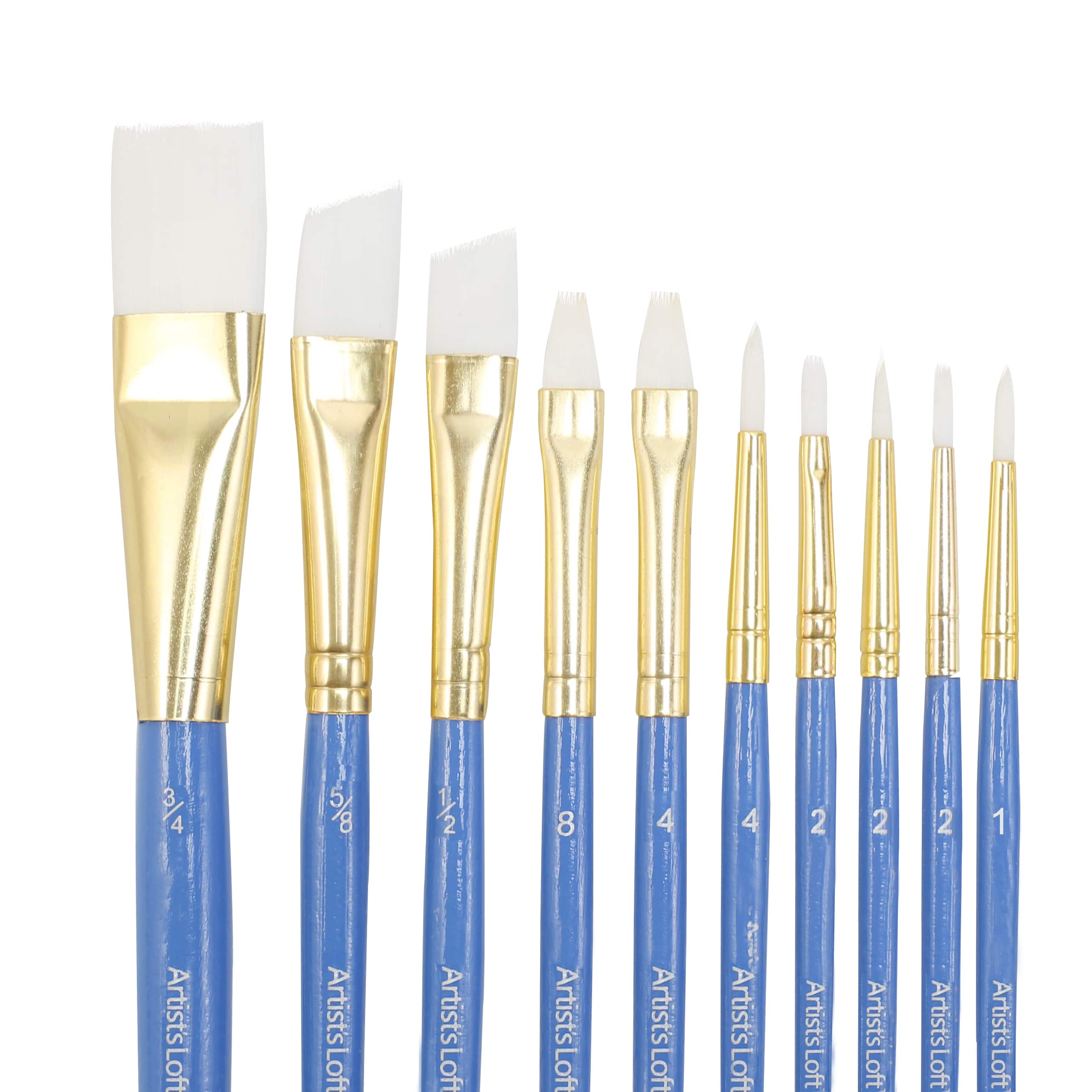
For trim, answering what is synthetic paint brush also means knowing shapes. Different jobs need different forms.
- Angle sash: Best for cutting in edges and corners. Great control.
- Flat wall: Covers big areas fast. Good for broad strokes.
- Round or oval: Holds more paint. Nice for doors and rails.
- Short handle: Tight spaces and close control.
- Long handle: Reach and leverage on walls.
Ferrule quality matters. Look for stainless or coated steel and solid epoxy set. That holds bristles tight and stops water from creeping in.

How to Choose the Right Brush for Your Project
Start with the basics behind what is synthetic paint brush. Match the brush to the paint and the task.
- Pick bristle feel: Softer tips for smooth finishes, stiffer for rough siding.
- Match width: 1.5–2 inches for trim; 2.5–3 inches for doors; 3–4 inches for walls.
- Seek tapered, flagged tips for fewer brush marks.
- Check balance: The brush should feel steady, not top-heavy.
- Test snap: Press the bristles and see if they spring back clean.
If a brush drags or dumps paint, switch. The right fit saves time and gives better results.

Care and Maintenance Tips
Care tips make sense once you grasp what is synthetic paint brush. Good upkeep can double its life.
- Clean right away with warm water and mild soap for latex or acrylic.
- Comb the bristles from ferrule to tip to remove paint.
- Spin or shake dry, then wrap the head in paper to keep its shape.
- Store flat or hang. Do not crush the tips.
- For sticky residue, use a brush cleaner labeled for water-based paints.
Never soak a brush above the ferrule. Water can loosen glue and cause shed.
Common Mistakes and How to Avoid Them
A common myth around what is synthetic paint brush is that it cannot handle oil. Many can, but check the label. Some are fine with solvent-based paints.
- Pressing too hard: Let the brush tip do the work to avoid marks.
- Overloading: Dip one third of the bristle length only.
- Skipping prep: Rinse a new brush, spin, and comb before first use.
- Wrong size: Big brushes for walls, small for trim, or you lose control.
- Dry brushing: Keep a wet edge to avoid lap marks.
Small habits make a big difference on the final finish.

Cost, Longevity, and Sustainability
Price also ties back to what is synthetic paint brush materials and build. Entry models are cheap but may shed and streak. Pro models cost more and last longer.
Synthetics are durable and reduce waste when cared for well. Some brands use recycled handles or filaments. Water cleanup cuts solvent use. That lowers odor and job-site impact. Still, bristles are plastic, so avoid tossing them fast. Clean well and store right to extend life.
Hands-On Testing: What To Look For
Hands-on tests bring what is synthetic paint brush to life. I run a few simple checks before a big job.
- Dry snap: Flex the bristles. They should spring back without splaying.
- Edge test: Draw a straight line on cardboard. Look for a crisp edge.
- Load and layoff: Dip in paint and stroke on glass or a scrap door. The film should be even with no heavy ridges.
- Shed check: Tug lightly. A quality brush should not drop bristles.
- Comfort: Hold it for a minute. Hot spots now turn into pain later.
On cabinet doors, my best results come from fine-tipped nylon blends with strong snap and soft flags.
Frequently Asked Questions of what is synthetic paint brush
What is synthetic paint brush used for?
It is best for water-based paints like latex and acrylic. It keeps a sharp edge and cleans fast with water.
Can I use a synthetic brush with oil-based paint?
Yes, many synthetics work with oil-based paints. Check the label and clean with the right solvent.
How long does a synthetic brush last?
With good care, it can last many months of regular use. Clean after each job and store it with the shape protected.
Do synthetic brushes leave brush marks?
High-quality models with tapered, flagged tips reduce marks. Technique matters too, so keep a wet edge and light pressure.
Are synthetic brushes better than natural bristle?
They are better for water-based paints. Natural bristle shines with oil-based products.
What size synthetic brush should I buy first?
Start with a 2.5-inch angled sash for trim and cutting in. Add a 3-inch flat for doors and larger areas.
How do I stop bristles from shedding?
Buy a quality brush with a tight ferrule and epoxy set. Rinse and comb before first use to remove any loose strands.
Conclusion
You now know what is synthetic paint brush and how it helps you paint faster, cleaner, and with less hassle. Match the brush to the paint, pick the right size, and use light, steady strokes. Keep it clean, and it will serve you job after job.
Ready to get better results on your next project? Choose one solid synthetic brush, test it on a small area, and feel the difference. Want more pro tips like this? Subscribe, ask a question, or share your favorite brush in the comments.