Dry brushing paint is a light, low-paint technique that highlights raised textures.
If you want fast texture and depth without complex layers, this guide is for you. I have taught this method for years on furniture, walls, and models. We will break down what is dry brushing paint, why it works, and how to master it step by step. You will learn tools, tricks, mistakes to avoid, and pro tips backed by real studio experience.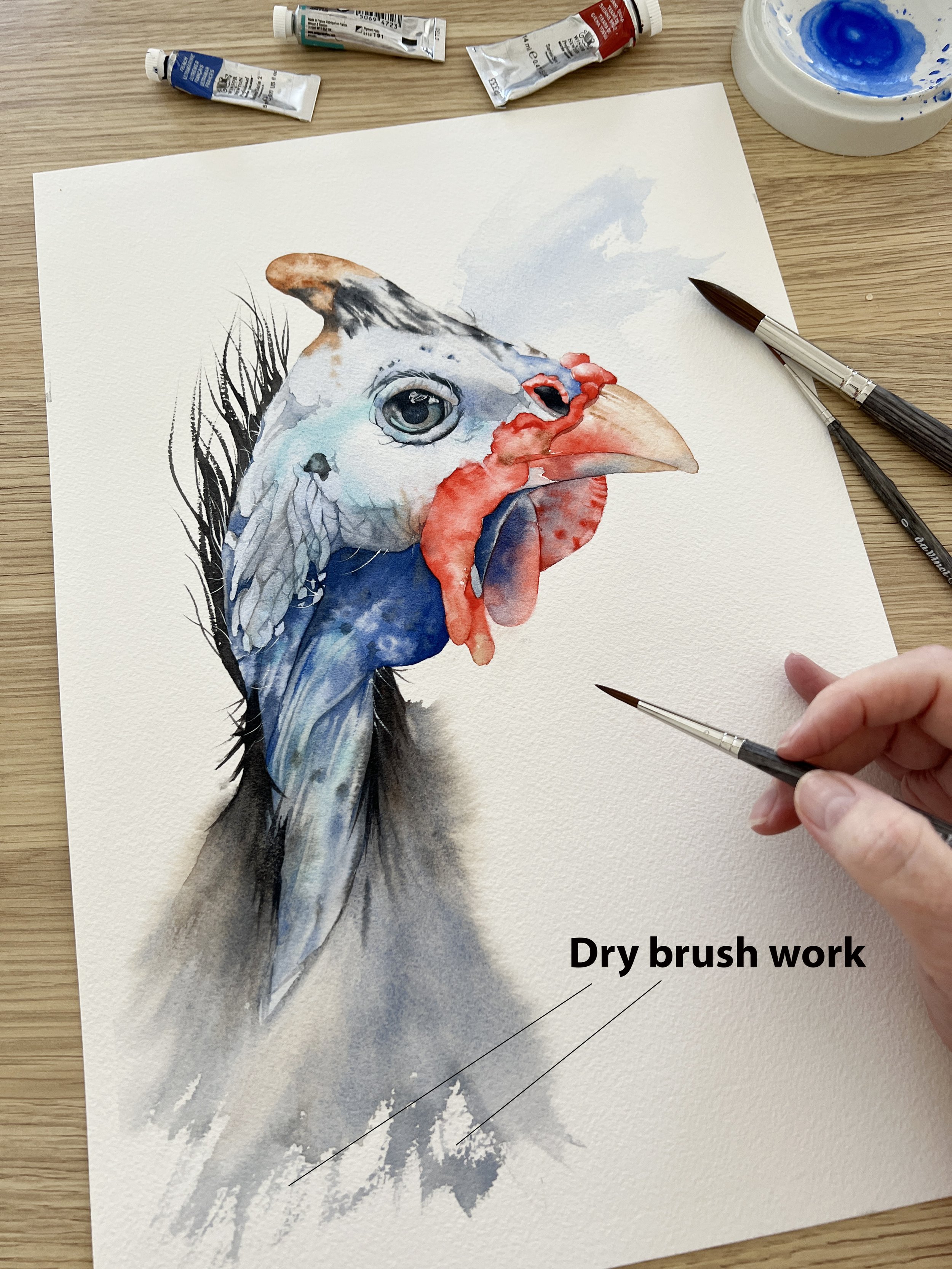
What Is Dry Brushing Paint?
Dry brushing is a simple paint method that uses very little paint on a stiff brush. You wipe most paint off the brush, then sweep it over raised areas. The paint kisses the high spots and skips the low spots. The result is a soft, worn, or sun-kissed look.
If you ask what is dry brushing paint in plain terms, it is controlled dusting with color. You add light highlights fast. You keep shadows intact. It works on wood grain, carvings, fabric texture, stone, and tiny details.
Many finishers and artists use it to add age, depth, and detail. The method is low risk, fast, and cheap. It also layers well over chalk, latex, acrylic, or mineral paint.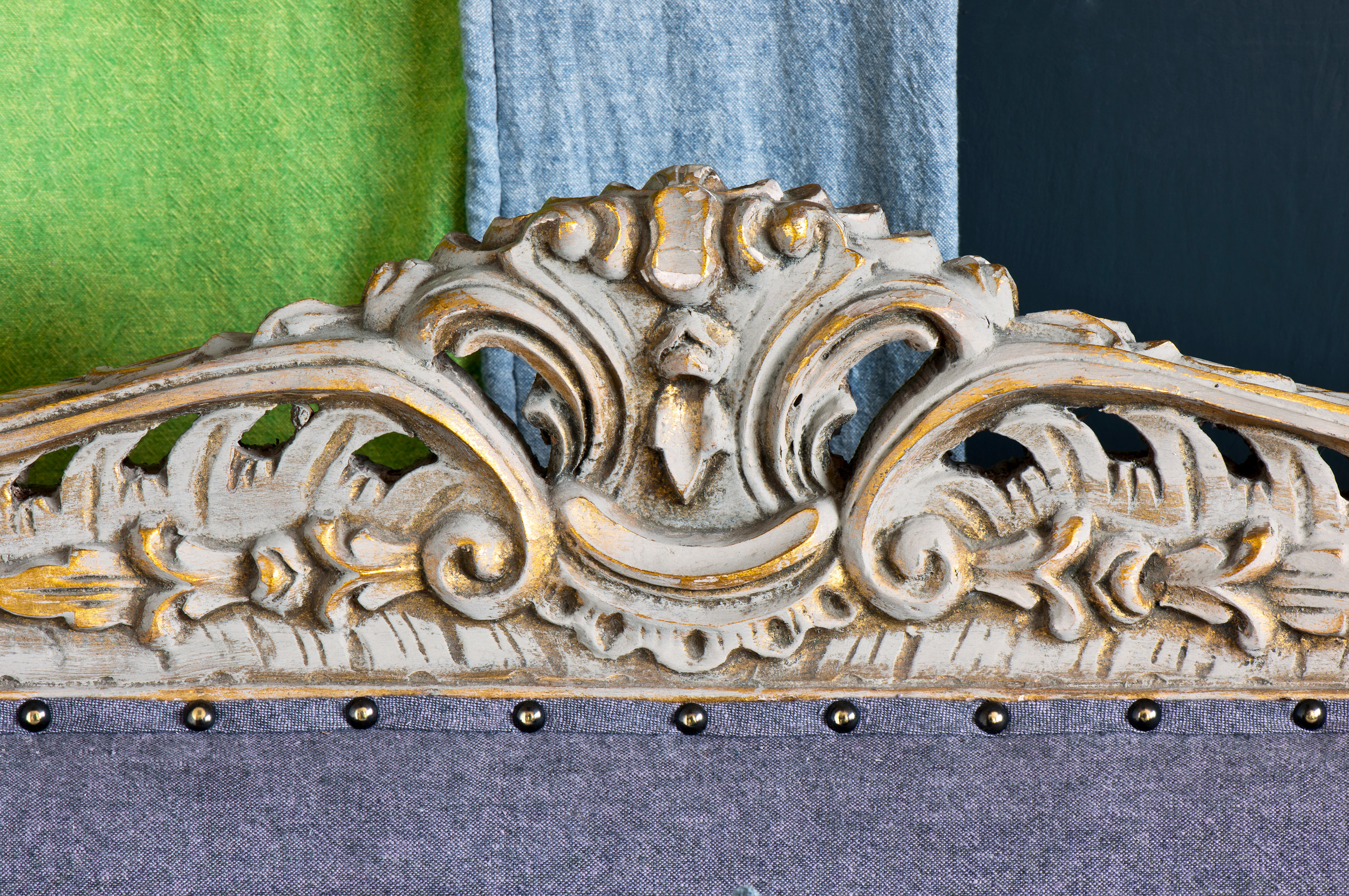
How Dry Brushing Works
This method relies on touch and friction. The brush holds almost no wet paint. Dry bristles glide over the surface and drop color only on the high spots. Valleys stay darker, so the eye reads depth.
From a design view, dry brushing boosts contrast and texture. It guides the eye to edges and details. Light colors over dark bases give a classic highlight. Dark over light can add soot or patina.
If you wonder what is dry brushing paint doing on a material level, think of it as micro-layering. Thin pigment sits on top without flooding the pores. That means fast dry times and easy control.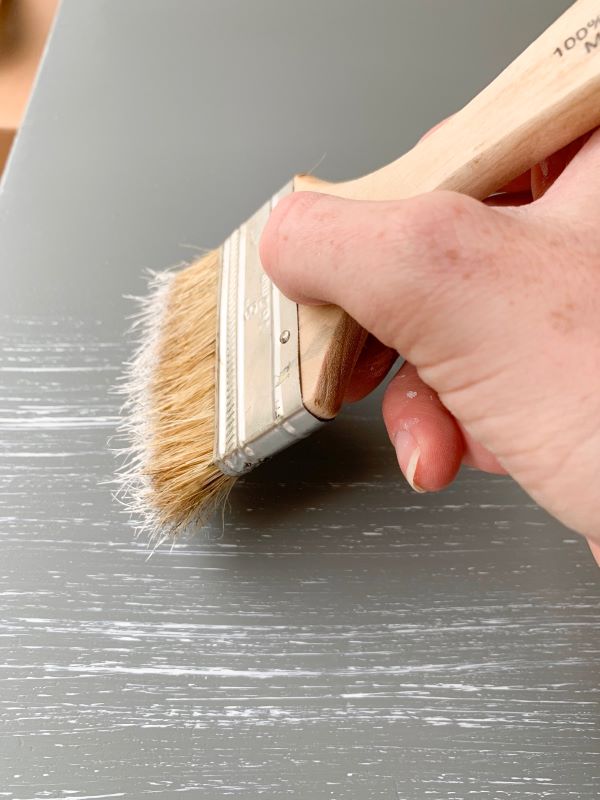
Tools and Materials You Need
- Stiff bristle brush Use natural bristle, a stencil brush, or a short round. Cheap chip brushes work too.
- Paint Acrylic, chalk, latex, or mineral paint. Matte or eggshell grips best.
- Palette or plate Use to load and unload paint.
- Lint-free cloth or paper towel For offloading most of the paint.
- Sample board Test pressure and color first.
- Sanding pad 220 to 320 grit for soft blends if needed.
- Sealer Clear wax, matte poly, or water-based topcoat for wear areas.
I often use a 1-inch round stencil brush for tight work. For furniture, a 2-inch chip brush is great. If you search what is dry brushing paint tools, start simple. You do not need a full kit to get great results.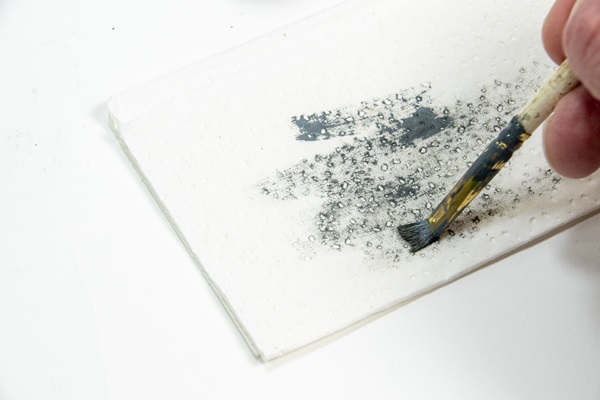
Where and When to Use It
Use dry brushing when you need soft highlights and quick age. It shines on:
- Furniture Carvings, moldings, drawer fronts, and legs.
- Walls Feature walls with stone, brick, or limewash textures.
- Home decor Picture frames, mirror edges, baskets, and planters.
- Crafts and models Miniatures, terrain, figurines, and cosplay props.
- Doors and cabinets Only as an accent on profiles, not flat fields.
Think of what is dry brushing paint for your project goal. If you want crisp, new, flat color, skip it. If you want depth and charm, go for it.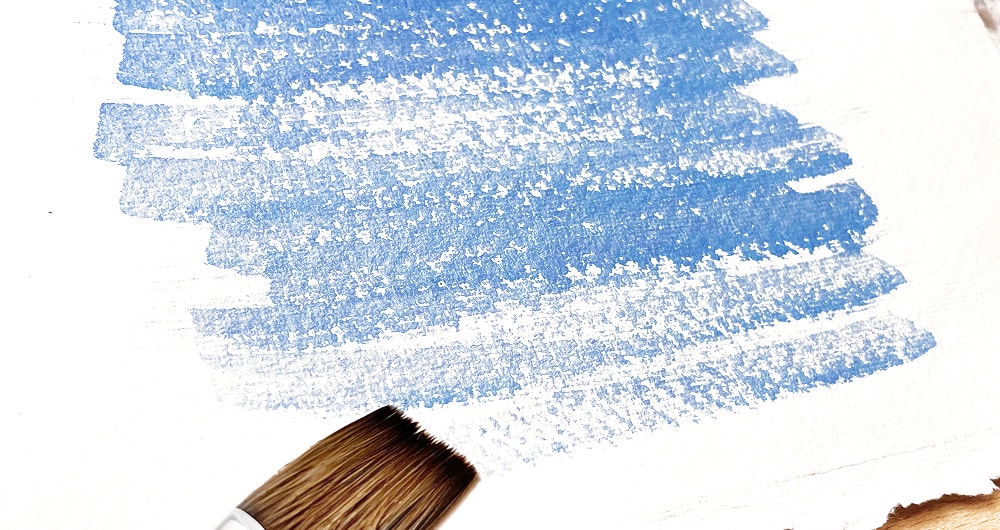
Step-by-Step: Dry Brushing for Beginners
- Prep the surface Clean and dry. Scuff sand glossy areas so paint grips.
- Choose a base coat Use a darker base if you want bright highlights. Let it dry.
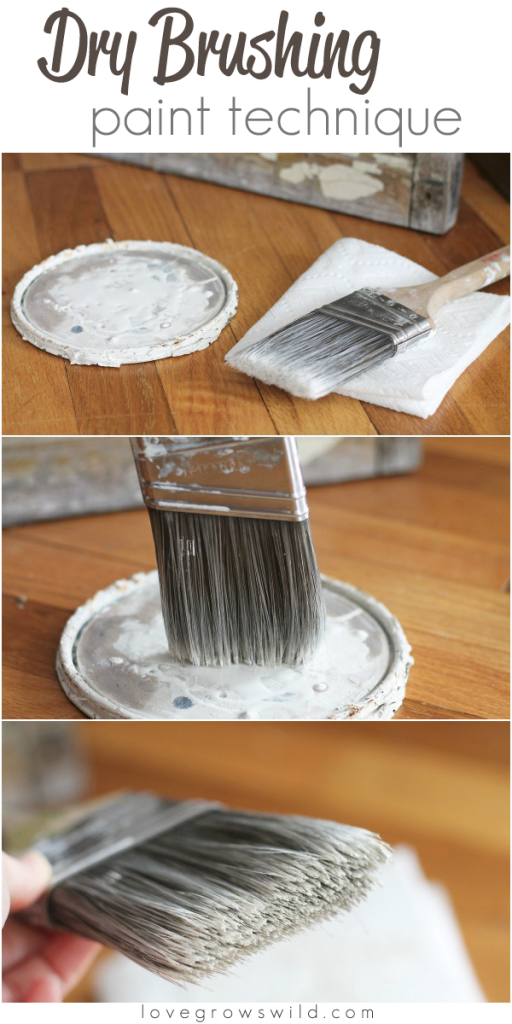
- Load the brush Dip only the tips into paint. Do not soak the bristles.
- Offload on a cloth Wipe 90% of the paint off. The brush should feel almost dry.
- Test on a sample Swipe across a scrap piece. You should see faint lines, not streaks of wet paint.
- Apply with light strokes Use long, gentle passes over raised areas. Keep your wrist loose.
- Build in layers Add more passes until you like the effect. Pause often and step back.
- Soft blend if needed Feather with a clean, dry brush to knock back any harsh lines.
- Seal high-wear areas Apply wax or a clear matte topcoat after full dry time.
If you are still asking what is dry brushing paint in practice, this is it: load, offload, sweep, repeat. Small moves. Thin layers. Let the piece tell you when to stop.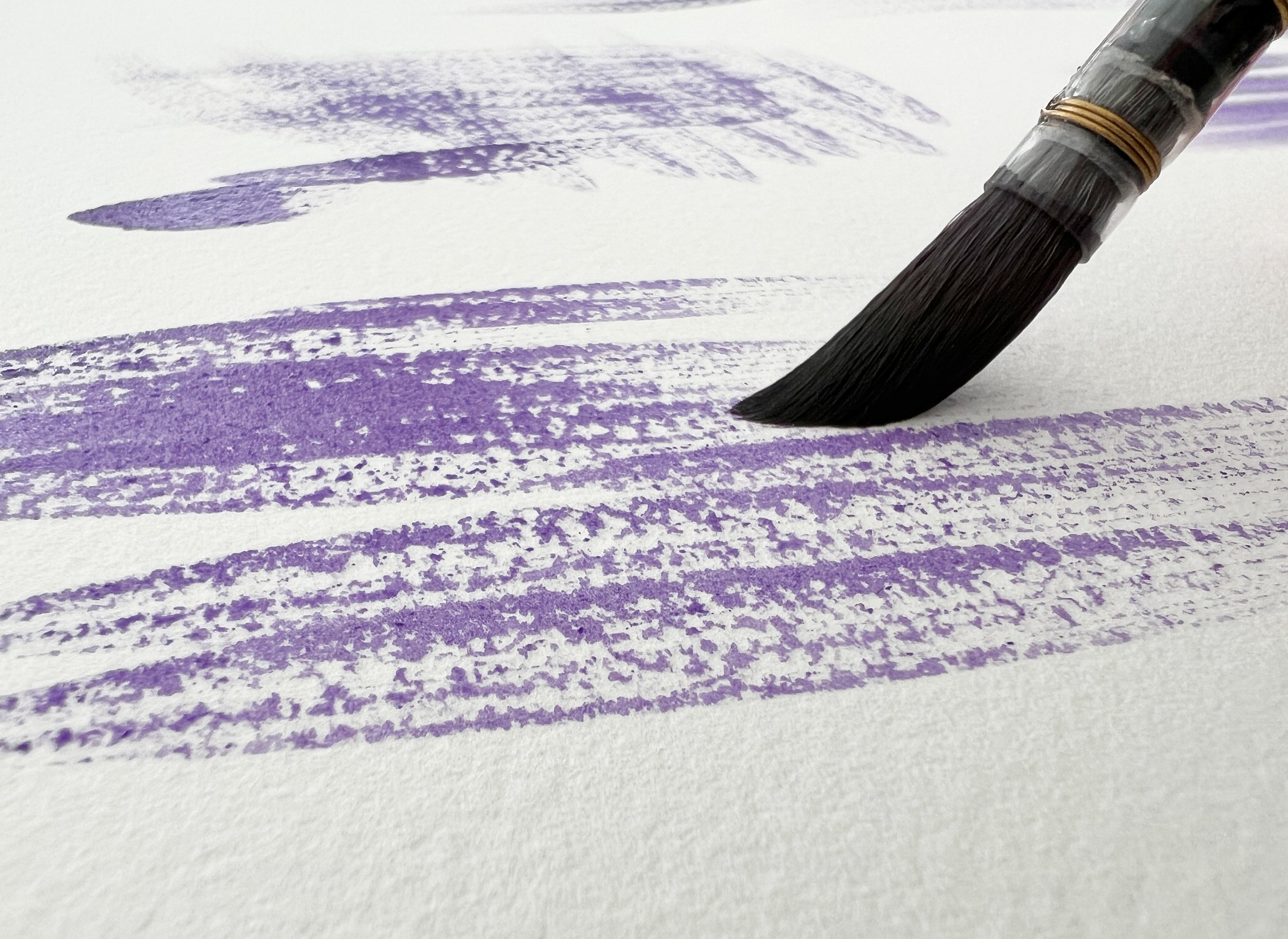
Techniques and Variations
Crosshatch highlight
Use light crisscross strokes to suggest fabric or weathered wood. Great on tabletops and crates.
Edge pop
Hold the brush at a 45-degree angle. Skim only the edges and corners. This makes details read sharp and bright.
Dusting glaze
Mix a drop of water into paint. Offload well. Sweep for a softer, smoky tone on large surfaces.
Two-tone dry brush
First use a mid-tone. Then a lighter color on the highest points. This adds depth without heavy paint.
Color shift on models
For miniatures, dry brush a mid-tone, then a light, then a near-white. It makes textures jump at arm’s length.
These are all variations of what is dry brushing paint at its core. Very little paint. Very light touch.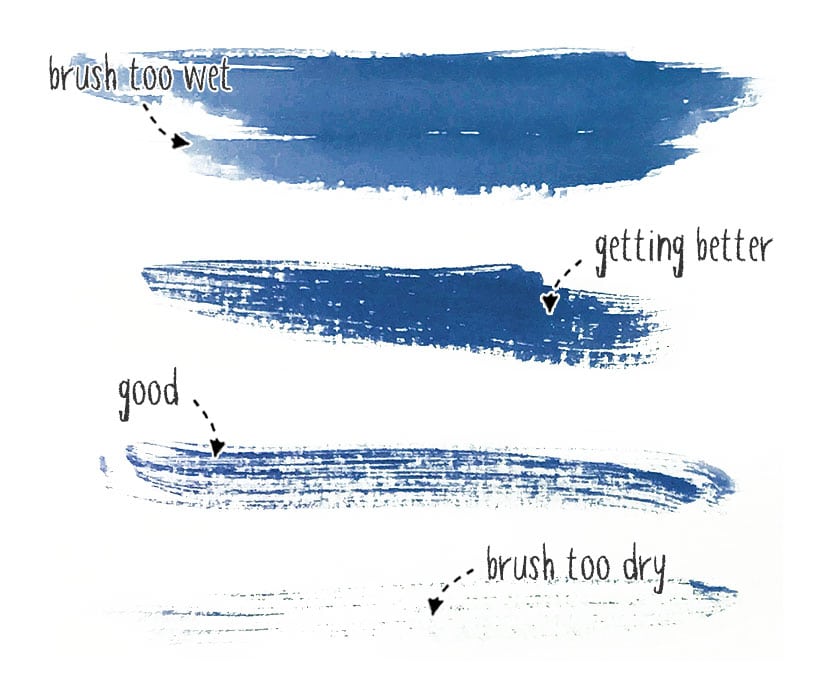
Common Mistakes and How to Fix Them
- Too much paint on the brush Offload more. If you see thick streaks, you loaded too heavy.
- Heavy pressure Lighten your hand. Let the bristles do the work.
- Wrong brush A floppy soft brush will smear. Use a stiff brush for control.
- Skipping the test board Test first. It saves time and fixes most issues.
- No sealer on high-use items Add wax or matte topcoat to protect the finish.
When clients ask what is dry brushing paint doing wrong here, the answer is often simple. Less paint. Less pressure. More passes.
Safety, Cleanup, and Sustainability
Work in a well-ventilated space. Most water-based paints are low odor, but fresh air helps. Wear gloves if you have sensitive skin.
Use water-based products when you can. They clean up with water and reduce fumes. Wipe brushes well before washing to cut waste. Save test boards for future color checks.
If you wonder what is dry brushing paint in terms of eco impact, the good news is it uses very little paint. Thin layers mean fewer materials and less waste.
Dry Brushing vs. Other Paint Techniques
- Dry brushing Light paint, high control, fast depth. Best for texture and edges.
- Glazing Thin paint layer over a base for tone shift. Slower but smooth.
- Washes Very thin, watery coats that run into recesses. Great for shadows.
- Stippling Dabbing with the tip for a speckled or soft blend effect.
- Sponging Random pattern for mottled looks on walls or props.
What is dry brushing paint compared to glazing? Dry brushing hits highs; glazing tones the whole field. Used together, they give studio-quality results.
Advanced Tips From the Studio
- Use almost-dry white on the final pass This adds crisp light on the highest points.
- Angle control Change your wrist angle to limit contact on flat areas.
- Color temperature Warm highlights on wood feel sunlit. Cool highlights on stone feel real.
- Micro offload Tap the brush on your palm. You will feel if it is still wet.
- Photograph your piece Take a quick phone shot. High spots and misses show up fast.
Over years of teaching, I learned that what is dry brushing paint mastery comes from rhythm. Load, offload, sweep, step back. Work to a count. Three light passes beat one heavy pass every time.
Frequently Asked Questions of what is dry brushing paint
What is dry brushing paint in one sentence?
It is a light paint method that skims raised areas to add highlights and depth.
Does dry brushing work on glossy surfaces?
It can, but scuff sanding helps a lot. A light primer also boosts grip and control.
What paint is best for dry brushing?
Matte acrylic or chalk paint works best. They dry fast and leave crisp highlights with little effort.
Can I dry brush with spray paint?
Yes, by spraying into a cup and using a brush, but it is messy. Regular paint is easier to control.
How do I fix a heavy streak?
Let it dry, then sand lightly and redo with less paint. You can also glaze to soften the area.
Is dry brushing durable on furniture?
Yes with a sealer. Use wax or a matte topcoat on surfaces that see hands and feet.
Can beginners learn fast?
Yes. Practice on a scrap piece first. After a few passes, your hand will find the right pressure.
Conclusion
Dry brushing is simple, fast, and powerful. It adds instant depth, age, and charm with very little paint. You now know what is dry brushing paint, how it works, and how to use it well.
Start small this week. Pick a frame or a test board. Try one color, then add a lighter pass. Share your results, ask a question, or subscribe for more guides and pro tips.