Are you ready to bring your creative visions to life with rich, vibrant colors? Using oil paints on canvas can transform your ideas into stunning works of art that last for generations.
But how do you get started without feeling overwhelmed by the process? In this guide, you’ll discover simple, effective steps to master oil painting on canvas—even if you’re a complete beginner. From preparing your canvas to applying your first brushstroke, you’ll learn the essential tips that make your painting experience smooth and enjoyable.
Keep reading, and soon you’ll be confidently creating beautiful oil paintings that truly express your unique style.
Credit: www.youtube.com
Canvas Preparation
Preparing your canvas is the first step in oil painting. A well-prepared canvas ensures your paint sticks well and lasts long. It also helps avoid cracking and peeling over time. This section covers choosing the right canvas, applying a gesso primer, and techniques for stretching and taping your canvas. Each step builds a strong base for your artwork.
Choosing The Right Canvas
Pick a canvas made for oil painting. Cotton and linen are common options. Linen is stronger and lasts longer but costs more. Cotton canvases are affordable and work well for beginners. Look for a tightly woven surface. This gives a smooth and even texture for painting. Avoid canvases with loose or rough fibers. These can cause uneven paint application.
Applying Gesso Primer
Gesso creates a protective layer on your canvas. It stops the oil paint from soaking into the fabric. Use a brush or roller to apply gesso evenly. Let the first coat dry completely before adding more. Usually, two to three coats work best. Sand lightly between coats for a smooth finish. A good primer helps paint stick better and improves color brightness.
Stretching And Taping Techniques
Stretching your canvas tightly avoids wrinkles and sagging. Use stretcher bars that fit the canvas size. Pull the fabric evenly and staple it on the back of the bars. Start stapling from the center and work outwards. Use canvas tape on the edges to protect the sides. This keeps the canvas firm and ready for painting. Proper stretching makes your work look neat and professional.
Credit: www.leannerathart.com
Essential Oil Painting Rules
Mixing and applying oil paint on canvas requires both patience and technique. Proper mixing helps achieve the right colors and consistency. Applying paint correctly ensures a smooth finish and longevity of your artwork. Understanding the basics of color mixing, layering, and blending can greatly improve your painting experience.
Color Mixing Basics
Start with primary colors: red, blue, and yellow. Mix these to create secondary colors like green, orange, and purple. Use a palette knife for better control and even mixing. Add small amounts of white to lighten colors. Avoid adding too much paint at once. Test colors on a scrap canvas before applying. Keep your palette clean to prevent muddy colors.
Layering Techniques
Apply paint in thin layers at first. Use lean paint, which has less oil, for the base layers. Let each layer dry before adding the next. Gradually increase the oil content in paint for upper layers. This prevents cracking and peeling later. Build texture by adding thicker paint on top layers. Patience is key; rushing can ruin the final look.
Blending And Texturing Tips
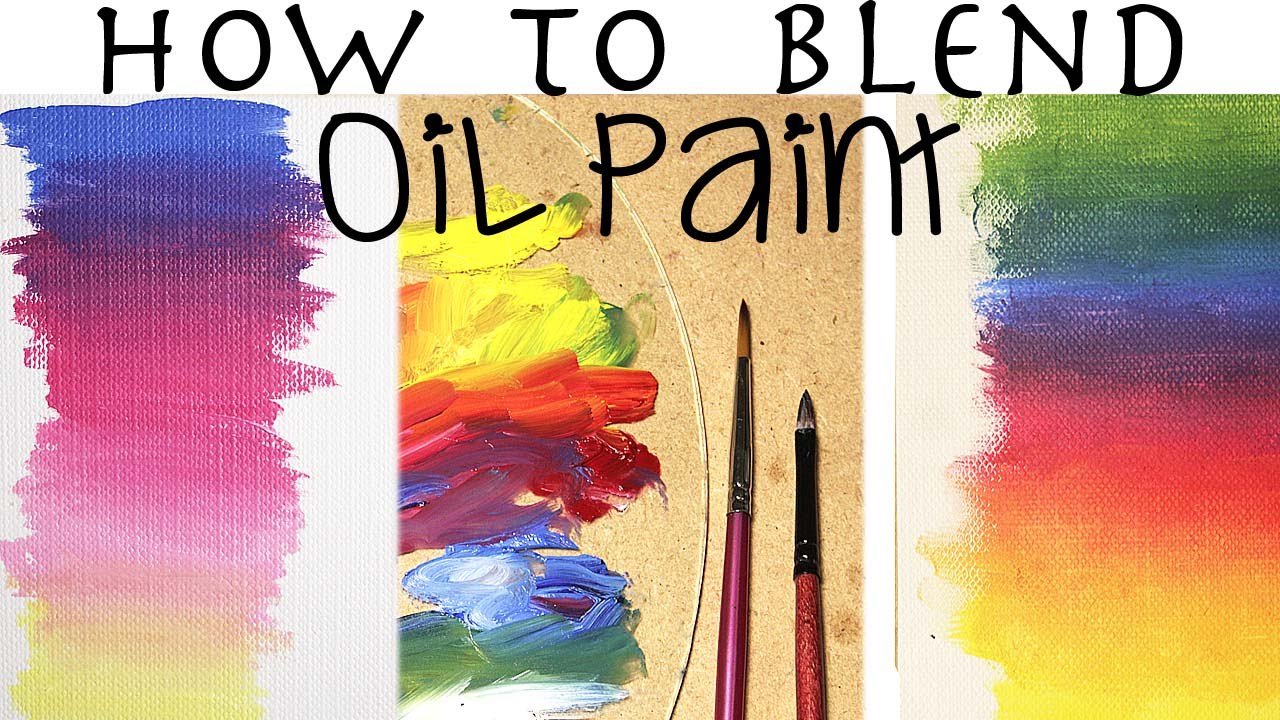
Blend colors directly on the canvas for smooth transitions. Use soft brushes or blending tools for gentle mixing. For texture, try using palette knives or stiff brushes. Experiment with brush strokes to create patterns and effects. Avoid over-blending; it can make your painting look flat. Add highlights and shadows last for depth. Keep your brush clean to maintain color purity.
Selecting And Handling Brushes
Advanced techniques in oil painting bring texture, depth, and richness to your artwork. These methods go beyond basic brushwork and color mixing. They allow artists to create striking visual effects and highlight their creative style. Explore these techniques carefully to enhance your skills and produce captivating paintings.
Impasto Effects
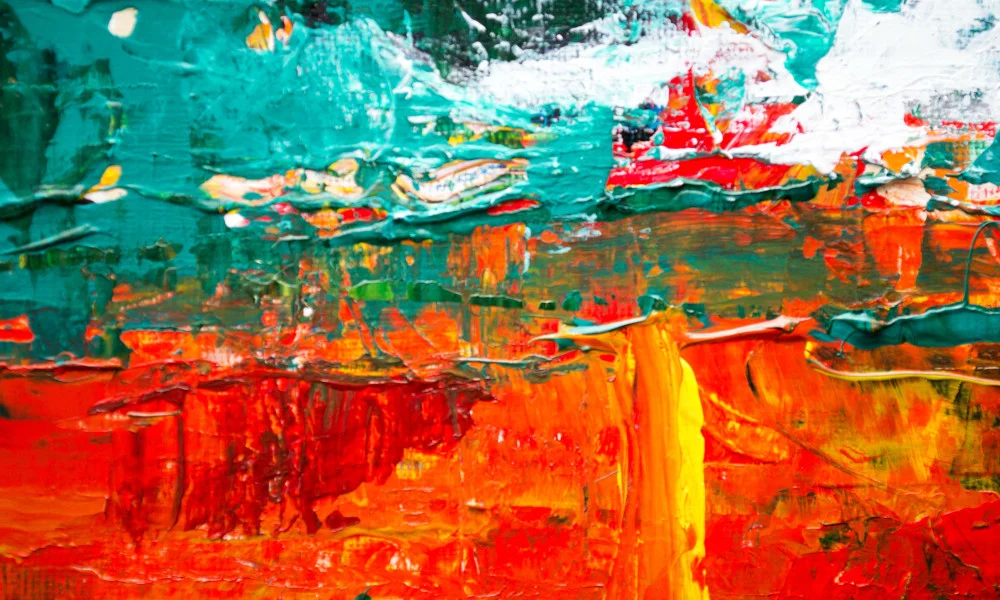
Impasto means applying thick paint to the canvas. This technique creates a textured surface that stands out. Use a brush or palette knife to lay on heavy layers of oil paint. Light hits the raised areas, adding dimension and energy to your painting. Impasto works well for highlights and dramatic focal points.
Glazing Layers
Glazing uses thin, transparent layers of paint. Each layer changes the color below it slightly. This builds depth and luminosity in your work. Thin the oil paint with medium or solvent for glazing. Let each layer dry before applying the next. This technique is perfect for subtle shadows and glowing light effects.
Using Palette Knives
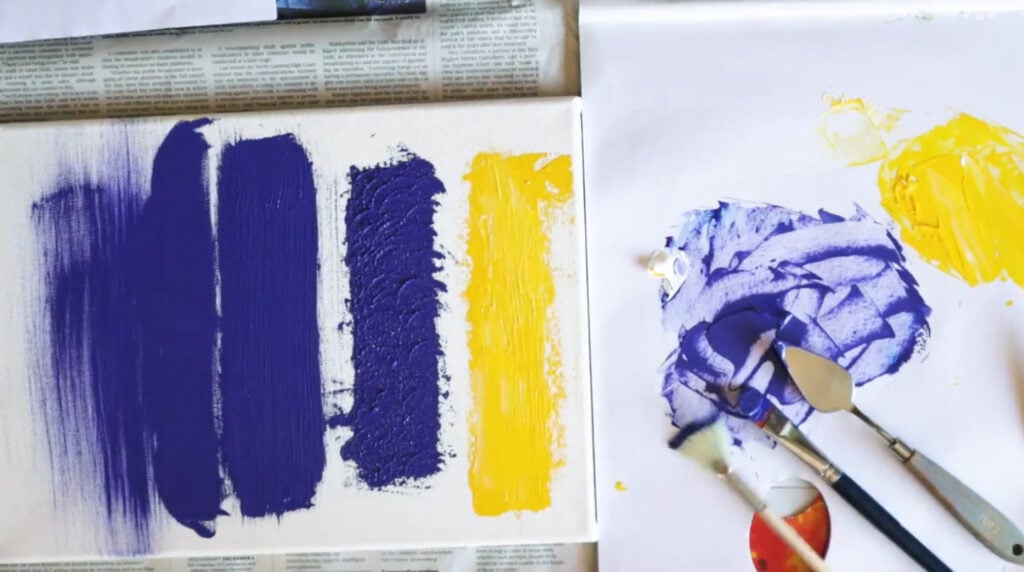
Palette knives offer a different way to apply paint. They create sharp lines, broad strokes, and rough textures. Use them to mix colors or spread paint directly on the canvas. Palette knives allow bold and expressive marks. They work well for abstract or impressionistic styles. Experiment with pressure and angle for varied results.
Credit: www.skillshare.com
Frequently Asked Questions
Can I Use Oil Paint Directly On Canvas?
Yes, you can use oil paint directly on canvas. Always prime the canvas with gesso first. This ensures better paint adhesion and durability.
What Are The Three Rules Of Oil Painting?
The three rules of oil painting are: apply Fat Over Lean by increasing oil in upper layers, use Thick Over Thin with thicker paint on top, and follow Slow Drying Over Fast Drying by layering slower-drying paints above faster ones to prevent cracking.
Do You Wet Your Brush When Using Oil Paint?
No, avoid wetting your brush with water when using oil paint. Use solvents or oil mediums to thin paint and clean brushes instead.
How To Do Oil Painting On Canvas For Beginners?
Start by priming the canvas with gesso for better paint adhesion. Use quality oil paints and brushes. Apply thin, lean layers first, then add thicker, oil-rich layers. Follow the fat-over-lean rule to avoid cracks. Let each layer dry before adding the next.
Practice simple subjects to build skills.
Conclusion
Using oil paints on canvas offers endless creative possibilities. Prepare your canvas well and follow key painting rules. Apply thin layers first, then build thickness gradually. Choose your colors carefully and let each layer dry properly. Practice patience and enjoy the slow, rewarding process.
With time, your skills and confidence will grow naturally. Keep experimenting and have fun with your artwork. Oil painting on canvas can be a relaxing, fulfilling hobby for everyone.