You’ve poured your heart into creating a canvas painting, and now it’s time to give it the perfect finishing touch—a frame that truly enhances your artwork. But how do you frame a canvas painting in a way that highlights its beauty without overpowering it?
Whether you want a sleek modern look or a classic style, framing your canvas correctly can make all the difference. In this guide, you’ll discover simple, step-by-step techniques to frame your canvas painting like a pro, using tools and materials you can easily find.
Ready to transform your artwork into a stunning centerpiece? Keep reading, because framing your canvas has never been this easy or rewarding.

Credit: joyfulderivatives.com
Choosing The Right Frame
Choosing the right frame for your canvas painting enhances its beauty and protects it. A well-chosen frame complements the artwork and fits the room’s style. Consider the painting’s colors, size, and theme before selecting a frame.
Frames come in many styles and materials. Each offers a different look and feel. The right frame can make your painting stand out or blend softly into your decor.
Types Of Frames For Canvas
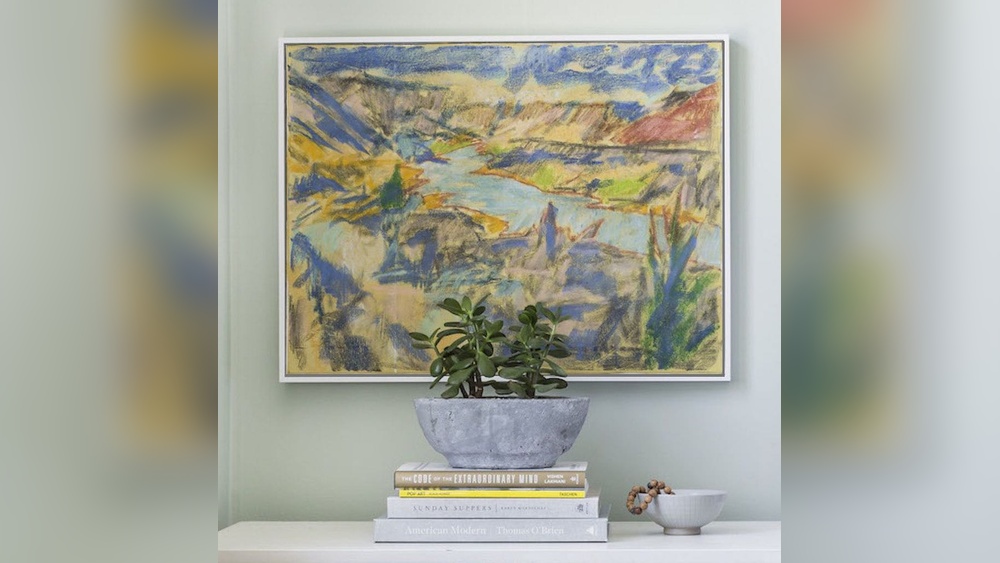
Canvas paintings work well with several frame types. Floating frames create a gap around the canvas, giving a modern, airy look. Traditional frames fully enclose the edges, offering a classic style. Gallery frames are simple and thin, ideal for a clean, minimal appearance.
Choose a frame that matches your painting’s mood. Bold artwork suits thick, ornate frames. Soft, delicate paintings pair nicely with slim, subtle frames.
Materials And Finishes
Frames come in wood, metal, and synthetic materials. Wood frames offer warmth and a natural feel. Metal frames provide a sleek, modern touch. Synthetic frames are affordable and come in many colors and textures.
Finishes also affect the frame’s style. Matte finishes reduce glare and highlight the painting. Glossy finishes add shine and draw attention. Choose a finish that fits your room’s lighting and decor.
Sizing Your Frame
Measure your canvas carefully before buying a frame. The frame should fit snugly but not squeeze the canvas. Leave space if you want a floating frame effect.
Consider the frame’s width too. Wider frames add presence and weight. Narrow frames keep the focus on the painting itself. Balance the frame size with the artwork size for best results.
Preparing The Canvas
Preparing the canvas is an important step before framing your painting. It ensures the artwork looks its best and fits well inside the frame. Proper preparation helps protect the canvas from damage and keeps the painting stable. Take your time and follow each step carefully for a neat and professional finish.
Cleaning And Inspecting
Start by gently cleaning the canvas surface. Use a soft brush or dry cloth to remove dust. Avoid using water or cleaning chemicals. Check the canvas for any damage like tears or loose threads. Look at the edges and corners for fraying. Fix any small issues before moving on to framing.
Stretching The Canvas
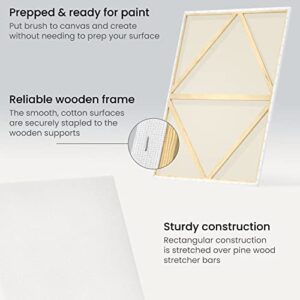
Stretching tightens the canvas and removes wrinkles. Place the canvas on a flat surface. Use canvas pliers to pull the edges evenly. Stretch the canvas over a wooden frame or stretcher bars. Staple or tack the canvas to the back of the frame. Make sure the canvas is smooth and firm without sagging.
Securing Loose Edges
Loose edges can cause problems when framing. Fold the edges neatly around the frame corners. Use a staple gun to secure the folds tightly. Check all sides to keep the canvas flat. Trim any extra canvas if needed. This step prevents shifting and keeps the painting stable inside the frame.
Framing Techniques
Framing techniques shape how a canvas painting looks on your wall. They can highlight the art’s colors and textures. Each method offers a unique style and protection level for your artwork.
Choosing the right framing technique depends on the canvas type and your room’s style. Below are three popular ways to frame canvas paintings.
Using A Floating Frame
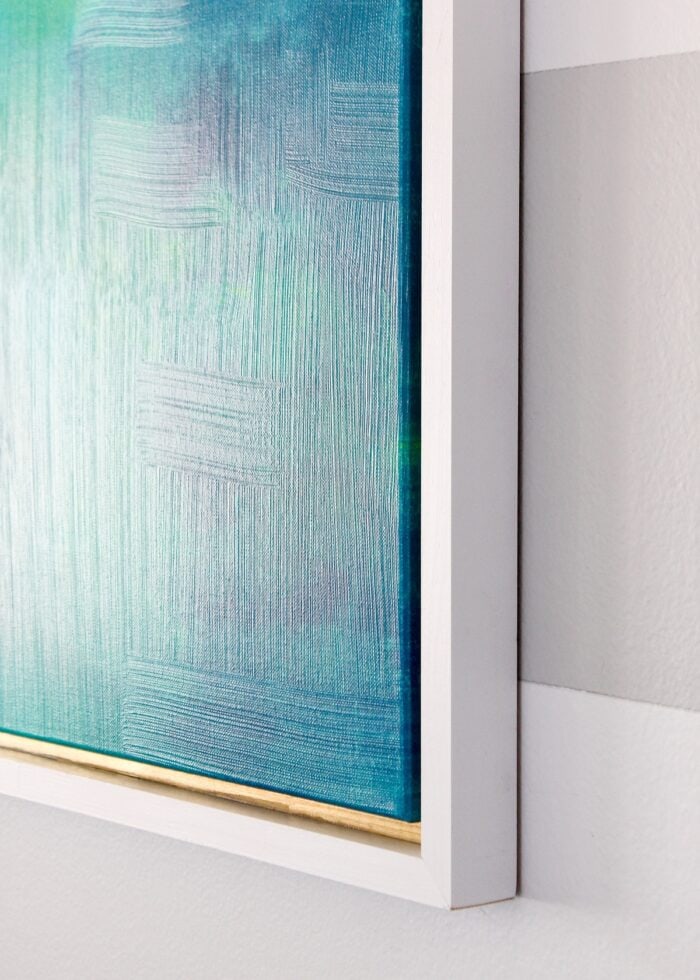
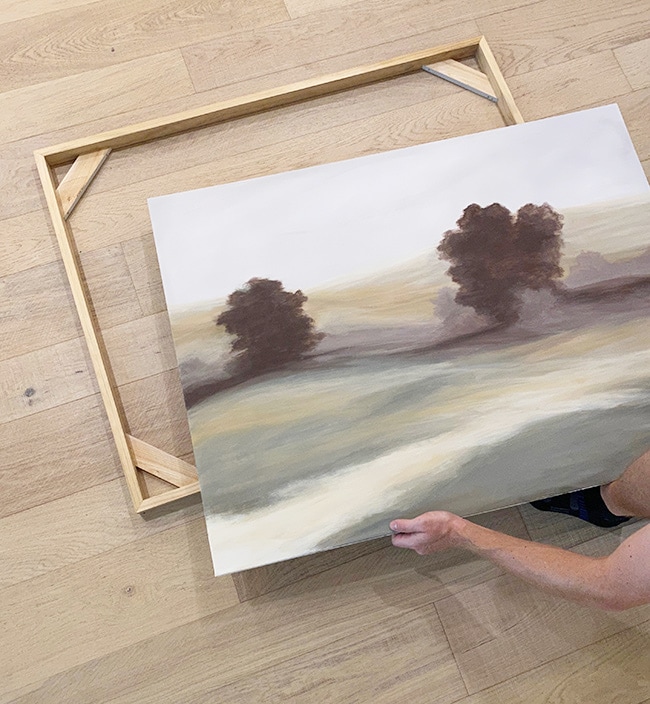
A floating frame creates space between the canvas and frame edges. This gap makes the painting appear to float inside the frame. It adds depth and a modern look.
Floating frames fit stretched canvases well. They do not cover the canvas edges, showing the full artwork. These frames usually have a simple, clean design that suits many art styles.
Open Back Frame Method
The open back frame leaves the canvas back exposed. It holds the canvas by its edges, showing the stretcher bars behind. This method keeps the painting light and easy to hang.
Open back frames work best for larger canvases. They avoid pressing on the painting’s surface. This method also allows air circulation, reducing moisture buildup.
Inset Frame For Canvas Panels
Inset frames fit canvas panels tightly inside a groove. The artwork sits flush with the frame front. This style gives a neat, framed look without a gap.
Canvas panels are thinner and more rigid than stretched canvases. Inset frames protect edges well and prevent warping. They suit both modern and classic interiors.
Credit: thehomesihavemade.com
Tools And Supplies Needed
Framing a canvas painting requires a few basic tools and supplies. Having the right items makes the process smooth and ensures your artwork looks great. Most supplies are easy to find at local craft or hardware stores. Prepare your workspace with these essentials before starting to frame your canvas.
Point Driver And Staples
A point driver is a special tool to attach the canvas to the frame. It pushes small metal points into the wooden frame securely. Staples can also hold the canvas in place, but points give a cleaner finish. Using these tools keeps the canvas tight and stable.
Adhesives And Glue Options
Strong adhesives help bond the canvas to the frame without nails or points. Clear craft glue works well for lightweight canvases. For heavier pieces, use wood glue or specialized framing glue. Apply glue carefully to avoid wrinkles or bubbles on the canvas.
Measuring And Cutting Tools
Accurate measuring is key for a perfect frame fit. Use a tape measure or ruler to check canvas and frame sizes. A utility knife or scissors trims excess canvas or mat board. A miter box helps cut frame corners at exact angles for neat joints.
Step-by-step Framing Process
Framing a canvas painting enhances its beauty and protects it for years. The process involves careful steps to secure the canvas and add finishing touches. Follow this clear guide to frame your canvas like a pro.
Attaching Canvas To Frame
Start by placing the canvas face down on a clean surface. Align the wooden stretcher bars with the frame. Use a staple gun or nails to attach the canvas edges to the frame firmly. Stretch the canvas evenly to avoid wrinkles. Check all corners to ensure the canvas is tight and secure.
Adding Protective Elements
Add a dust cover on the back of the frame to protect from dirt and bugs. Use acid-free tape to seal the edges neatly. Consider attaching corner protectors to prevent damage during handling. If your frame allows, add UV-protective glass or acrylic to shield the painting from sunlight.
Final Adjustments And Hanging
Attach hanging hardware to the back of the frame. Use D-rings or wire for strong support. Measure twice before placing nails or hooks on the wall. Hang the painting at eye level for best display. Step back and adjust the position until it looks perfect.
Credit: www.jennasuedesign.com
Custom Framing Services
Custom framing services offer a tailored way to protect and enhance your canvas painting. These services provide expert advice and materials to match your artwork’s style and size. Choosing custom framing helps preserve the canvas and adds a professional touch. Whether your piece is large or small, custom framing can highlight its beauty and fit your space perfectly.
When To Use Professional Framers
Professional framers have the skills to handle delicate or valuable paintings. Use their services for large canvases or unusual sizes. They offer expert guidance on frame styles and materials. Professionals ensure the canvas is stretched and mounted correctly. Their work prevents damage and enhances the artwork’s lifespan. Choose them for heirloom pieces or gallery displays.
Options Available At Retailers
Many retailers offer custom framing with various styles and materials. You can select wood, metal, or floating frames. Retailers often have ready-made frames for common canvas sizes. Some provide in-store framing with quick turnaround times. Custom mats and glass options are available too. These services suit those who want convenience and moderate customization.
Cost Considerations
Custom framing costs depend on frame material and size. Wood frames tend to be pricier than metal ones. Adding mats or glass increases the total cost. Professional framing usually costs more than retailer services. Shipping or special handling can add extra fees. Budget carefully to balance quality and price for your canvas frame.
Displaying Your Framed Canvas
Displaying your framed canvas painting is the final step to showcase your artwork. How and where you display it affects how people see and enjoy it. Thoughtful placement brings out the colors and details. It also protects the canvas from damage.
Below are some key tips on choosing the right location, lighting, and care for your framed canvas.
Choosing The Right Location
Select a spot where the artwork fits the room’s style and size. Avoid places with direct sunlight to prevent fading. Walls with neutral colors often highlight art best. Keep the canvas away from damp areas to avoid warping. Eye-level placement ensures easy viewing and appreciation.
Lighting Tips
Use soft, even lighting to avoid glare on the glass or frame. LED lights work well as they produce little heat. Position lights at a 30-degree angle to reduce shadows. Natural light can be good, but limit exposure to protect the paint. Consider adjustable lights for changing moods or times of day.
Maintaining And Cleaning
Dust the frame and canvas gently with a soft brush or cloth. Avoid using water or cleaning sprays on the canvas surface. Check the frame regularly for loose nails or damage. Keep the artwork in a stable environment to prevent cracks. Handling the painting with clean hands avoids oils and dirt transfer.
Frequently Asked Questions
What Is The Best Way To Frame A Canvas Painting?
The best way to frame a canvas painting is using a float frame, which leaves space around the canvas. Secure the canvas with a point driver or adhesive. Choose wood or metal frames for durability and style. This method highlights the artwork and protects it effectively.
Can I Put A Frame Around A Canvas Painting?
Yes, you can frame a canvas painting using traditional or float frames. Float frames create a gap, making the artwork appear to float inside. Choose wood or metal frames to match your style. Secure the canvas with a point driver or adhesive for stability and a polished look.
Can Michaels Frame A Canvas?
Yes, Michaels offers custom framing for canvases, including stretcher bars, floater frames, and various frame materials. They also provide ready-made framed canvas prints. Customers can bring artwork or photos for professional in-store framing with options like UV-protective glazing and matting.
Can I Put A Canvas In A Normal Picture Frame?
Yes, you can put a canvas in a normal picture frame. Use a float frame or add spacers to prevent the canvas from touching the glass. This protects the artwork and enhances its appearance. Ensure the frame size fits the canvas dimensions properly.
Conclusion
Framing a canvas painting enhances its beauty and protects it well. Choose the frame style that fits your artwork and space. Use the right tools to secure the canvas firmly. Take your time to measure and align everything carefully. A well-framed painting looks polished and ready to display.
Enjoy showing your art with pride and confidence. Keep practicing to improve your framing skills over time.