
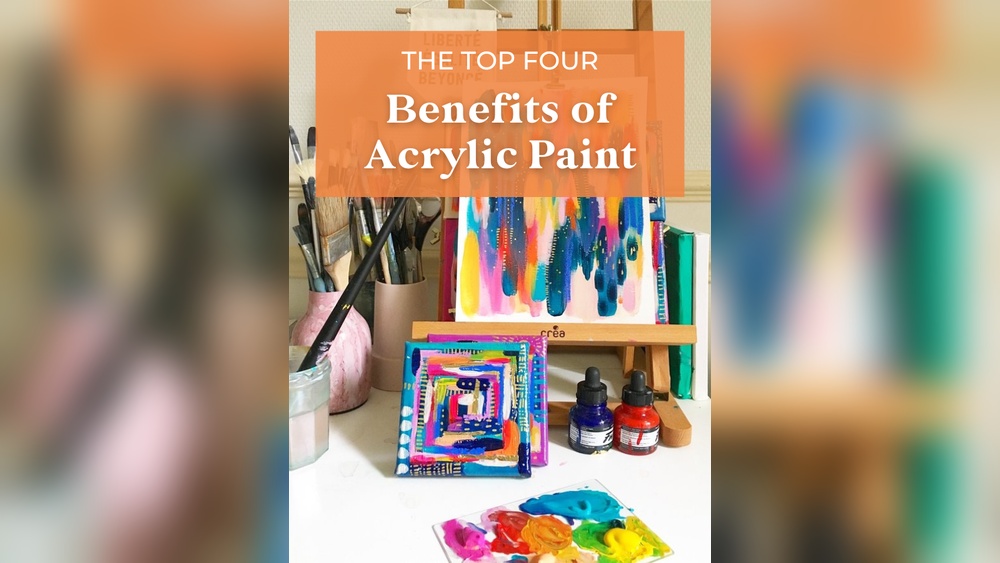
Quick answer: What is acrylic paint used for? Mainly fine art painting on canvas, paper and panels, plus murals, crafts, home decor, furniture upcycling, rock and pottery painting, fabric and shoe customization, model and miniature painting, signs and mixed media. It is popular because it dries fast, cleans up with water and sticks to almost any primed surface. Different forms, such as heavy body, fluid, ink, markers and spray, are each suited to specific uses.
Few art supplies cover as much ground as acrylic paint. The same basic material can produce a gallery painting, a hand-lettered café sign, a custom pair of sneakers and a set of painted garden stones. That range is why acrylic is often the first paint people buy and the one they keep coming back to.
This guide maps out what acrylic paint is used for, from fine art to everyday projects, and matches each use with the right type of acrylic, surface preparation and finish. When it comes to picking the paint itself, our breakdown of top acrylic paint brands by use case covers specific lines.
Why Acrylic Works for So Many Uses
Three properties explain acrylic’s versatility:
- Fast, water-resistant drying. Layers dry in minutes, and the dried film will not re-dissolve, so you can build up color quickly and handle work sooner.
- Strong adhesion. The polymer binder grips porous and slightly textured surfaces well, and with primer it can bond to slick surfaces too.
- Adjustable body and finish. Mediums, gels and different consistencies let it act like watercolor, oil, gouache or sculptural paste.
Fine Art Uses of Acrylic Paint
Canvas and panel painting
This is acrylic’s core use. Artists paint landscapes, portraits, still lifes and abstracts on primed canvas or wood panels. Acrylic’s quick drying suits layered approaches: block in, let dry, glaze, refine.
Watercolor-style washes
Thinned with water and medium, fluid acrylic or acrylic ink can create transparent washes on paper. Unlike watercolor, each layer is permanent once dry, so you can glaze repeatedly without lifting earlier layers.
Impasto and textured work
Heavy body paint and gel mediums hold thick strokes and knife marks. Modeling paste can build raised relief before painting.
Abstract and fluid art
Acrylic pouring, staining and dripping all depend on acrylic’s ability to flow and then lock in place. Pouring mediums keep colors separate and the dried film strong.
Mixed media and collage
Acrylic medium doubles as a glue for paper, fabric and found objects, and paint can be layered over the top. That makes acrylic the backbone of many mixed-media and art-journal practices.
Underpainting for oils
Because it dries fast, acrylic is often used to lay down an underpainting before switching to oil. This works one way only: oil over acrylic is fine, acrylic over oil is not.
What Is Heavy Body Acrylic Paint Used For?
Heavy body acrylic is thick and holds its shape. Use it when you want visible brushstrokes, palette knife texture, or expressive, sculptural surfaces. It also works for general painting if you prefer a buttery consistency, and it can be thinned with medium when needed. It is less suited to fine lines, smooth flat color fields and pouring unless heavily modified.
What Are Golden Fluid Acrylics Used For?
Fluid acrylics, a category Golden is well known for, have the same pigment strength as heavier paints but a pourable consistency. They are used for glazing, washes, staining raw canvas, fine detail, dry brush on paper, airbrushing (often with added airbrush medium), and acrylic pouring. Because the color is concentrated, a little goes a long way in glazes. For how a comparable fluid line handles these jobs, see our Daler-Rowney fluid acrylic paint review.
Craft and Home Decor Uses
| Project | Best acrylic type | Prep | Finish |
|---|---|---|---|
| Wood signs and plaques | Craft or artist acrylic, markers for lettering | Sand, prime or seal wood | Clear varnish; exterior-rated outdoors |
| Furniture upcycling | Multi-surface or chalk-style acrylic | Clean, scuff-sand, prime glossy finishes | Water-based polyurethane or wax |
| Rock painting | Craft acrylic, paint markers | Wash and dry rock, base coat | Outdoor clear sealer |
| Terra-cotta pots | Craft or patio acrylic | Seal inside and out | Outdoor sealer |
| Glass jars and bottles | Glass-specific acrylic or primer | Clean with rubbing alcohol | Cure per label; hand-wash only |
| Canvas tote bags | Acrylic plus fabric medium | Pre-wash fabric | Heat-set per medium instructions |
| Ornaments and seasonal decor | Craft acrylic, metallics | Wipe clean, prime if glossy | Spray sealer |
Fabric, Shoes and Wearables
Acrylic paint can decorate jackets, jeans, sneakers and bags, but plain acrylic on fabric dries stiff and can crack. The fix is a textile or fabric medium, usually mixed in a ratio specified by the manufacturer, which keeps the film flexible and helps it survive washing after heat-setting. Leather shoes need a deglazer to remove factory finish and a leather-compatible acrylic or flexible additive, then a protective topcoat.
Murals and Large-Scale Work
Exterior and interior murals often use acrylic-based paints because they are durable, flexible and easy to clean up. Artists typically prime walls with an appropriate primer, paint with artist acrylics or high-quality acrylic house paints, and finish with an anti-graffiti or UV-protective clear coat for outdoor pieces. Lightfast pigments matter most here, since murals face years of sun.
Models, Miniatures and Hobby Painting
Scale models, tabletop miniatures and dioramas are commonly painted with acrylics. Hobby acrylics are formulated with very fine pigments and thin consistencies for detail, and they airbrush well with the right thinner. Washes, dry brushing and layering are standard techniques, all made easier by fast drying.
What Are Acrylic Paint Markers Used For?
Acrylic paint markers contain liquid acrylic in a pen with a fiber or brush tip. They are used for:
- Lettering and hand-written signs
- Outlines and fine details over dried paintings
- Rock painting, mugs (decorative), glass and ceramics
- Customizing shoes, phone cases and notebooks
- Dot art, mandalas and pattern work
- Kids’ projects where brushes are messy
They give brush-free control and opaque color, and once dry they behave like regular acrylic. Prime the tip on scrap paper before each use to avoid blobs.
What Is Acrylic Paper Used For?
Acrylic paper is heavyweight paper, often with a canvas-like texture, designed to accept acrylic without buckling or soaking through. It is used for practice paintings, color studies, sketchbooks and pieces you plan to frame behind glass. It is cheaper and easier to store than canvas, which makes it ideal for building skills and testing color schemes before committing to a larger canvas.
What Clear Medium for Art Is Used for Acrylic?
Several clear products go hand in hand with acrylic paint:
| Clear product | Used for |
|---|---|
| Gloss or matte medium | Thinning paint, glazing, adjusting sheen, gluing collage |
| Gel medium | Thickening paint, adding texture, transfers, adhesive for heavier items |
| Glazing medium | Transparent color layers |
| Pouring medium | Fluid art |
| Isolation coat (often soft gel thinned) | A permanent clear layer between painting and varnish |
| Varnish | Final protection and uniform sheen (gloss, satin or matte) |
| Gesso (clear versions exist) | Priming surfaces while letting the original surface show through |
What Brush Is Used for Acrylic Painting?
Synthetic brushes (nylon, taklon or synthetic blends) are the standard for acrylic. They hold up to the paint’s fast drying and alkaline nature, keep their shape, and clean easily. Common shapes and their uses:
- Flat: broad strokes, backgrounds, sharp edges
- Bright: shorter flat; controlled, thicker strokes
- Filbert: rounded flat; soft edges, petals, blending
- Round: lines, details, versatile marks
- Liner or rigger: long thin lines, branches, signatures
- Fan: foliage, grass, texture, soft blending
- Palette knife: mixing and impasto application
Natural hog bristle brushes also work for heavy body texture, but they can wear faster with acrylic. Soft natural-hair brushes, such as sable, are usually reserved for watercolor because acrylic can damage them.
Sign Painting and Hand Lettering
Acrylic is a common choice for chalkboard-style café menus, wedding signs, shop windows (on the inside of the glass) and wooden welcome boards. Its fast drying lets you layer an outline, a fill and a highlight in one session. Many letterers sketch with chalk or a water-soluble pencil, fill letters with a flat brush, and then sharpen edges with a liner brush or paint marker. For outdoor signs, choose lightfast colors and finish with an exterior clear coat.
Ceramics, Bisque and Pottery Decoration
Acrylic can decorate unglazed bisque, terra-cotta and air-dry clay. It is a simple, kiln-free alternative to glazes for decorative pieces. The important distinction: acrylic is a cold finish, not a fired glaze. It will not make a pot waterproof or food-safe, and it can wear with heavy handling. Seal decorative ceramics with a clear varnish, and keep acrylic away from surfaces that touch food or drink.
Art Journals, Scrapbooks and Paper Crafts
On paper, acrylic is used for backgrounds in art journals, painted papers for collage, greeting cards and scrapbook embellishments. Because it is water-resistant once dry, you can write, stamp or collage on top without reactivating the paint. Heavyweight paper (at least 140 lb or around 300 gsm) and a light coat of gesso help prevent buckling. Thin layers keep pages from sticking together; a light dusting of baby powder or a coat of matte medium can reduce tackiness between journal pages.
Classrooms, Kids and Art Therapy
Schools, community programs and therapists often choose acrylic for group painting because it dries quickly enough that work can be taken home the same day, and it cleans up with water. For children, look for AP-labeled, non-toxic acrylics and avoid colors with cautionary labels. Washable kids’ paints are a better choice than standard acrylics for the youngest painters, since dried standard acrylic does not come out of clothing easily.
How to Prepare Any Surface for Acrylic: A Quick Guide
- Clean. Remove dust, grease and old wax. Rubbing alcohol works on glass and metal; mild soap and water for most other surfaces.
- Dry completely. Moisture under paint is a common cause of peeling.
- Scuff if glossy. A light sanding with fine-grit sandpaper gives slick surfaces some tooth.
- Prime. Gesso for canvas, paper and wood; an adhesion primer for plastic, metal and glass.
- Paint in thin layers. Several thin coats bond better and dry more evenly than one thick coat.
- Seal for durability. Varnish fine art; use a clear topcoat or exterior sealer for items that are handled or kept outdoors.
What Acrylic Paint Is Not Ideal For
- Food-contact surfaces: plates, cutting boards and the insides of mugs. Non-toxic does not mean food-safe.
- Skin and face painting: use cosmetic-grade body paints instead.
- Surfaces that get very hot: such as stove parts or grills.
- Dishwasher items: most acrylic finishes do not survive repeated hot, high-pressure washing.
- Over oil paint: acrylic will not bond reliably.
- Very cold conditions: below roughly 50°F, many acrylics form weak films.
Matching Acrylic Type to the Job
| Job | Recommended form |
|---|---|
| Textured landscapes, impasto | Heavy body plus gel |
| Smooth realism, portraits | Soft body or slow-dry acrylics |
| Glazes, washes, staining | Fluid acrylic or acrylic ink |
| Illustration, flat design | Acrylic gouache |
| Lettering, details | Paint markers |
| Large objects, textured items | Acrylic spray paint |
| Fluid art | Fluid acrylic plus pouring medium |
| Kids and crafts | AP-labeled craft acrylic |
Related Reading
FAQs
What is acrylic paint used for most often?
Painting on canvas and paper is the most common use, followed closely by crafts and home decor like signs, rocks, pots and upcycled furniture.
What are acrylic paint markers used for?
Lettering, outlining, detail work, rock and glass decorating, shoe customizing and pattern art. They give precise, opaque lines without a brush.
What is heavy body acrylic paint used for?
Thick, textured work where you want brushstrokes and knife marks to show. It can be thinned with medium for general painting as well.
What is acrylic paper used for?
Practice paintings, studies and sketchbooks. It is designed to take acrylic without buckling and is cheaper than canvas.
Can acrylic paint be used on any surface?
Almost, as long as the surface is clean and prepared. Porous surfaces accept it easily; slick surfaces like glass, plastic and metal need scuffing and primer.
Is acrylic paint good for outdoor use?
Yes, with lightfast pigments, proper priming and an exterior-rated clear sealer. Unsealed acrylic outdoors tends to fade and peel over time.
Next Step
Acrylic’s real strength is that one family of paints can handle fine art, craft, decor, fabric and hobby work, as long as you pick the right form and prepare the surface. Choose heavy body for texture, fluids and inks for glazing, markers for detail, and add the right medium or sealer for the job.
Different projects benefit from different paint lines, so once you know your main use, compare options in our guide to the best acrylic paints for artists and crafters.




