Are you curious about what acrylic paint can do for your creative projects? Whether you’re a beginner looking to try your hand at painting or an experienced artist exploring new mediums, understanding the uses of acrylic paint can open up a world of possibilities.
Acrylic paint is known for its versatility and quick-drying properties, but do you know exactly where and how you can use it? You’ll discover the many surfaces acrylic paint works on, the unique advantages it offers, and some tips to get the best results every time.
Keep reading to unlock the full potential of acrylic paint and take your creativity to the next level!
Credit: www.ettavee.com
Acrylic Paint Basics
Acrylic paint is a popular choice for artists and hobbyists. It is a versatile medium that works on many surfaces. Understanding its basics helps in using it effectively. The paint combines water-based pigments with acrylic polymer. This mix creates a strong, flexible paint that dries fast.
Many beginners start with acrylics due to their ease of use. The paint’s properties make it suitable for various art styles. It adapts well to both detailed and broad strokes. Let’s explore some key aspects of acrylic paint.
Key Properties
Acrylic paint is water-soluble when wet and water-resistant when dry. It adheres well to surfaces like canvas, wood, and fabric. The paint forms a durable layer that resists cracking. It is less toxic than oil-based paints, making it safer for indoor use. Acrylics are flexible and do not yellow over time.
Color Characteristics
The colors of acrylic paint are bright and vibrant. They maintain intensity after drying but may darken slightly. This change is called color shift. Artists often use this effect to add depth. Mixing colors is easy and produces a wide range of shades. The paint also supports both opaque and transparent finishes.
Drying Time
Acrylic paint dries quickly, usually within minutes to an hour. This speed helps finish projects faster but limits blending time. Artists must work fast to mix colors smoothly. Layers dry fast, allowing quick overpainting. The fast drying also reduces dust and smudges on the artwork.
Versatile Surfaces
Acrylic paint is prized for its ability to stick to many types of surfaces. This quality makes it a favorite among artists and crafters. The paint’s versatility allows for creative freedom across different materials. Each surface offers unique textures and effects. Here are some common surfaces that work well with acrylic paint.
Canvas And Paper
Canvas is the classic surface for acrylic painting. It holds paint well and allows for vibrant colors. Acrylics also work beautifully on thick paper types. Watercolor paper or mixed media paper are good choices. These surfaces absorb acrylic paint without warping easily. Artists enjoy the smooth and textured finishes available.
Wood And Mdf
Wood surfaces offer a sturdy base for acrylic paint. Both natural wood and MDF (medium-density fiberboard) take paint smoothly. Acrylic paint adheres well to these surfaces without peeling. Wood grain can add interesting texture to the artwork. Sealing the wood before painting helps to protect it.
Fabric And Textiles
Acrylic paint is ideal for customizing fabrics. It works on cotton, canvas, and other textiles. Fabric paint or acrylic mixed with fabric medium prevents stiffness. Painted fabrics can be used for clothing, bags, or home décor. Once dry, the paint is flexible and durable after heat setting.
Metal And Glass
Painting on metal or glass requires surface prep. Cleaning and sanding help paint stick firmly. Acrylic paint can create bold designs on metal objects or glass jars. Adding a primer improves adhesion and durability. Finished pieces can be sealed for extra protection and shine.
Concrete And Stone
Concrete and stone surfaces offer a rugged canvas for acrylics. These materials absorb paint well after cleaning. Acrylic paint brightens outdoor steps, garden pots, or murals on stone walls. Using a sealant protects the paint from weather damage. This makes acrylics great for both indoor and outdoor projects.
Creative Techniques
Acrylic paint offers many creative techniques for artists of all levels. Its fast drying time and versatility allow unique effects. You can experiment with colors, textures, and materials easily. These techniques help produce vibrant and dynamic artworks. Explore some popular methods below to expand your painting skills.
Layering And Blending
Layering involves applying paint in thin coats to build depth. Each layer dries quickly, so you can add details fast. Blending colors while wet creates smooth transitions and gradients. Acrylics require quick work to blend before drying. Use a spray bottle to keep paint moist longer.
Texture Creation
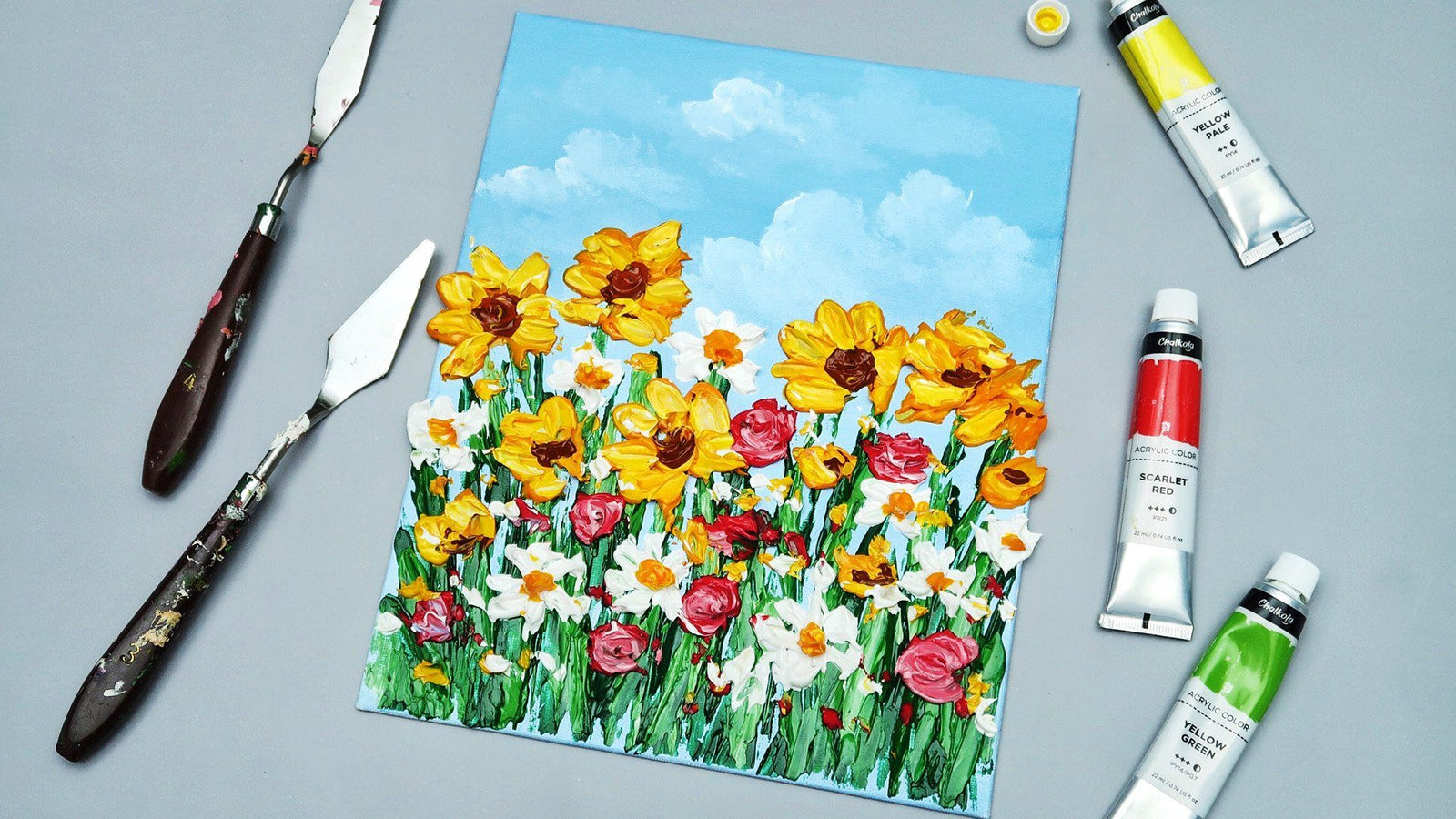
Acrylic paint can create rich textures by adding mediums or thick layers. Artists use palette knives or brushes to sculpt paint on canvas. You can mix sand, gels, or pastes with paint for different effects. Textures add dimension and interest to your artwork. Experiment with tools to find your preferred texture style.
Using Fluid Acrylics
Fluid acrylics are thin and flow easily for detailed work. They suit fine lines, washes, and glazing techniques. Fluid paints allow controlled drips and splatters for abstract effects. Use water or acrylic mediums to adjust the consistency. This type of acrylic is perfect for delicate or large-scale projects.
Mixed Media Applications
Acrylic paint works well with other materials like ink, charcoal, or collage. Combine different art supplies to create layered and textured pieces. Mixed media encourages creative freedom and experimentation. You can use acrylics as a base or highlight in your compositions. This technique broadens artistic possibilities beyond traditional painting.
Credit: www.chalkola.com
Practical Uses
Acrylic paint is popular for many practical projects. Its quick drying and vibrant colors make it ideal for creative tasks. People use it in homes, clothes, outdoor spaces, and crafts. The paint works well on many surfaces and lasts long. It offers flexibility for different styles and projects.
Home Décor Projects
Acrylic paint brightens walls, furniture, and decorative items. It can refresh old chairs or tables with new colors. Many use it to create custom art for their rooms. The paint sticks well to wood, metal, and ceramics. It helps turn simple items into unique décor pieces.
Customizing Clothing
Acrylic paint works on fabrics to add personal designs. People paint shoes, jackets, and bags with it. It allows easy creation of patterns, logos, or names. The paint stays on fabric after washing if sealed properly. This makes clothes look stylish and one of a kind.
Outdoor Artwork
Outdoor murals and garden decorations often use acrylic paint. It resists weather and sunlight better than many paints. Artists create large-scale designs on walls or fences. It helps protect surfaces while adding color. Acrylic paint supports vibrant and lasting outdoor art.
Crafting And Diy
Crafters use acrylic paint for many do-it-yourself projects. It colors paper, wood, plastic, and clay. The paint is easy to mix for new shades. It dries fast, allowing quick progress in crafts. Acrylic paint adds life to handmade gifts and decorations.
Challenges With Acrylics
Acrylic paint offers many benefits, but it also has its challenges. These issues can affect how artists work and the final look of their art. Understanding these challenges helps artists prepare better and achieve desired results. Below are some common problems faced when using acrylics.
Fast Drying Issues
Acrylic paint dries very fast, sometimes within minutes. This speed makes blending colors difficult. Artists must work quickly to mix shades smoothly. Mistakes are harder to fix because paint sets fast. The quick drying can create unwanted hard edges in paintings.
Color Shift Effects
Colors often change as acrylic paint dries. Paint looks brighter or lighter when wet but darkens on drying. This shift can surprise artists and affect the painting’s final appearance. Predicting the dry color takes practice and careful testing.
Cleanup Difficulties
Wet acrylic paint cleans up easily with water. Once dry, it becomes very hard to remove. Brushes and tools must be cleaned immediately to avoid damage. Dried paint on clothing or skin is tough to wash off and may require harsh cleaners.
Surface Durability
Acrylic paint forms a plastic-like layer when dry. This layer is strong but can be sensitive to temperature changes. Paint surfaces may become sticky or brittle over time. Dust and dirt stick easily, requiring careful storage and handling of artworks.
Health And Safety Tips
Acrylic paint is popular for its versatility and bright colors. Using it safely protects your health and enhances your experience. Follow simple health and safety tips to avoid problems. These tips help you work comfortably and keep your space safe.
Ventilation Importance
Always paint in a well-ventilated area. Open windows or use fans to move fresh air. Good airflow reduces fumes from the paint and its additives. Avoid breathing in strong smells or dust. Proper ventilation keeps your lungs safe and prevents headaches.
Chemical Additives
Some acrylic paints contain chemical additives for better texture or drying. These chemicals may irritate skin or cause allergic reactions. Check the label for warnings about harmful substances. Choose paints labeled as non-toxic whenever possible. Avoid mixing paints with unknown substances to reduce risks.
Safe Handling Practices
Wear gloves to protect your skin from stains and chemicals. Use brushes and tools carefully to avoid spills. Clean your hands and tools immediately after use with soap and water. Keep paint containers closed when not in use to avoid spills and drying out. Store paints out of reach of children and pets.
Maximizing Acrylics’ Potential
Acrylic paint offers great versatility for artists and hobbyists. To get the best results, understanding how to maximize its potential is key. Proper preparation and care can improve the paint’s appearance and longevity.
Priming Surfaces
Priming surfaces helps acrylic paint stick better. Use a gesso primer on canvas, wood, or paper. This creates a smooth base and prevents paint from soaking in unevenly. Primed surfaces also protect the material from damage by acrylics.
Using Mediums And Additives
Mediums change the texture and drying time of acrylic paint. They can make paint thicker, thinner, or more glossy. Additives help improve flow and blending. Mixing mediums with paint allows greater control over the final look. Experiment with different types to find your preferred effect.
Storage And Preservation
Store acrylic paint properly to keep it usable for longer. Seal paint containers tightly to prevent drying out. Keep paints in a cool, dry place away from sunlight. Clean brushes immediately after use to avoid damage. Proper care preserves both paint and tools for future projects.

Credit: www.youtube.com
Frequently Asked Questions
What Are The Disadvantages Of Acrylic Paint?
Acrylic paint dries quickly, making blending difficult. It darkens as it dries and can have a plasticky finish. Removing dried paint from brushes or surfaces is hard. Some additives release harmful fumes, requiring good ventilation during use.
Can Acrylic Paint Go On Anything?
Acrylic paint adheres well to most surfaces like canvas, wood, metal, glass, fabric, and plastic. Priming improves adhesion and durability.
What Should I Use Acrylic Paint On?
Use acrylic paint on canvas, wood, paper, fabric, metal, glass, plastic, and concrete. Priming surfaces improves adhesion and durability.
What Surfaces Can I Use Acrylic Paint On?
Acrylic paint works well on canvas, wood, paper, fabric, glass, metal, plastic, and concrete. Priming surfaces improves adhesion and durability.
Conclusion
Acrylic paint offers many uses for artists and hobbyists alike. It works well on canvas, wood, fabric, and more. Its fast drying time helps you finish projects quickly. You can create bright, lasting colors with ease. Some challenges include blending and color changes when dry.
Still, acrylic paint remains a popular choice worldwide. Experiment with it to find what suits your style best. Keep your space ventilated for safety. Enjoy the versatility and vibrant results acrylic paint provides.