
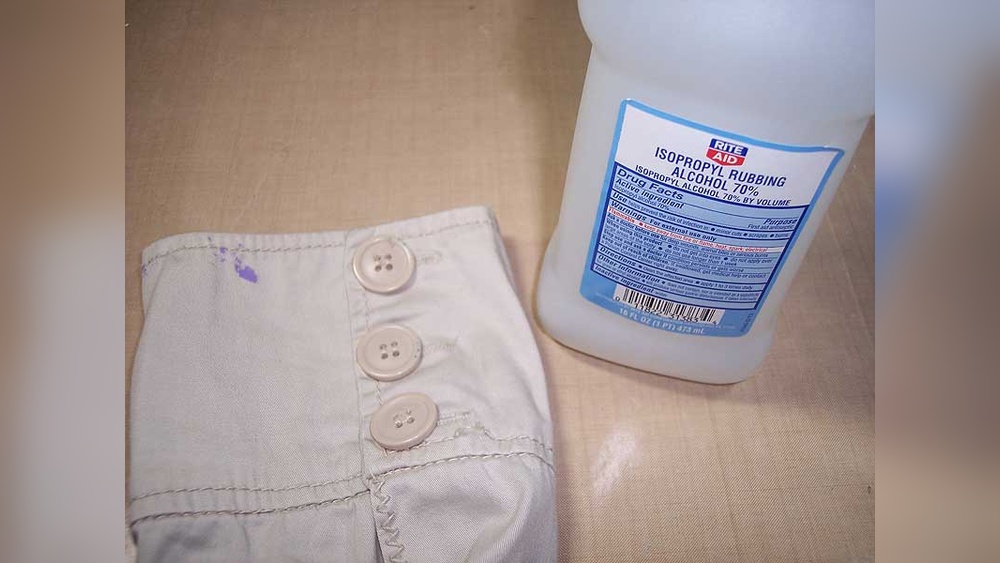
Craft paint stains are a race against time. Most craft paints are acrylic, which means they are water-based while wet but turn into a flexible plastic film as they dry. Catch a spill while it is still wet and soap and cold water usually lift it completely. Let it cure into the fibers and you need solvents, patience, and some luck. The good news is that even dried stains often fade dramatically with the right method.
Quick answer: To get craft paint out of clothes, act while it is wet: scrape off excess with a spoon, flush the back of the stain with cold running water, then work in liquid dish soap and blot until no more color lifts. For dried acrylic craft paint, soften it with rubbing alcohol (isopropyl), dab and gently scrape, repeat, then pretreat with laundry stain remover and wash in cold water. Air dry and check before using the dryer, since heat sets remaining paint.
Below you will find step-by-step methods for wet and dried stains, a fabric-by-fabric guide, how to handle metallic and glitter paints, and what to avoid. You will also find tips for keeping paint off clothes in the first place. If you are shopping for paint, our guide to the best craft paint sets notes which types tend to be washable and which are permanent.
First, Identify the Paint
The right method depends on what kind of paint you are dealing with. Check the bottle if you still have it.
| Paint type | Washable when wet? | Washable when dry? | Main remover |
|---|---|---|---|
| Washable kids’ paint / tempera | Yes | Usually yes | Cold water and detergent |
| Acrylic craft paint | Yes | Difficult | Soap and water wet; rubbing alcohol dry |
| Fabric paint | Partly | Designed to be permanent | Rubbing alcohol; may not fully remove |
| Metallic and glitter acrylic | Yes | Difficult; particles cling | Soap, alcohol, and a soft brush |
| Puffy / dimensional paint | Partly | Very difficult | Scrape, then alcohol |
| Oil-based enamel craft paint | No | No | Mineral spirits (follow label) |
How to Remove Wet Craft Paint From Clothes
- Do not rub. Rubbing spreads paint wider and pushes it deeper into fibers.
- Remove excess. Scrape off any blobs with a spoon, butter knife or credit card edge. Lift, do not smear.
- Flush from the back. Turn the fabric inside out and run cold water through the back of the stain. This pushes paint out the way it came in, rather than through the fabric.
- Apply dish soap. Work a few drops of liquid dish soap into the stain with your fingers or a soft toothbrush.
- Rinse and repeat. Rinse with cold water and repeat until no more color comes out.
- Pretreat. Apply a laundry stain remover or rub in liquid laundry detergent and let it sit for 10 to 15 minutes.
- Wash cold. Wash on the warmest setting the care label allows, but avoid hot water if any paint remains, and choose cold if you are unsure.
- Air dry and check. Do not machine-dry until the stain is completely gone. Dryer heat can set remaining paint permanently.
How to Remove Dried Craft Paint From Clothes
Dried acrylic is harder because it has formed a plastic film bonded to the fibers. The goal is to soften and break up that film without damaging the fabric.
- Scrape what you can. Use a dull knife or your fingernail to flake off raised paint. Bending the fabric can crack a surface layer and loosen it.
- Test rubbing alcohol. Dab isopropyl alcohol on a hidden seam to check for color loss or damage.
- Soak the stain. Place a towel under the stain and saturate it with rubbing alcohol using a cotton ball or cloth.
- Wait and work. Let it sit for a few minutes, then gently scrape and dab with a toothbrush. The paint should soften and start to lift.
- Blot. Blot with a clean cloth, moving to a fresh area of cloth as paint transfers.
- Repeat. Repeat soaking and scrubbing until no more paint lifts.
- Wash. Rinse, pretreat with stain remover, and wash in cold water.
- Air dry and assess. Repeat the process if traces remain.
Hand sanitizer with a high alcohol content can work in a pinch, and many people report success with non-acetone nail polish remover on sturdy fabrics. Use these cautiously and always test first.
How to Get Metallic Acrylic Paint Out of Clothes
Metallic and glitter paints contain mica or metal-look pigments and glitter flakes that lodge in fibers. Even after the binder is removed, sparkly particles can remain.
- Follow the wet or dried method above to break down the acrylic binder.
- Once the paint softens, use a soft toothbrush to brush particles out in one direction.
- Press a piece of masking tape or a lint roller onto the area to lift loose shimmer.
- Pretreat and wash in cold water inside out.
- Check for remaining shimmer before drying. A second round is common.
Fabric-by-Fabric Guide
| Fabric | Best approach | Cautions |
|---|---|---|
| Cotton | Soap and water; rubbing alcohol for dried paint | Durable; can handle gentle scrubbing |
| Polyester and blends | Soap first; alcohol works well | Avoid acetone; test first |
| Denim | Alcohol and a stiff brush | Scrubbing may fade dye; test in a hidden spot |
| Wool | Cold water and gentle soap; blot only | Do not scrub or use hot water |
| Silk | Blot with cold water; seek a professional cleaner | Alcohol and scrubbing can damage it |
| Acetate / rayon | Gentle soap and water | Never use acetone; it can dissolve acetate |
| Upholstery and carpet | Blot, soap, alcohol sparingly | Check manufacturer’s cleaning code |
Old, Set-In Craft Paint Stains
A stain that has been washed and dried, sometimes more than once, is the hardest case. The paint has cured fully and heat has bonded it further. It is still worth trying, especially on sturdy cotton and denim.
- Soften first. Soak the stained area in warm, soapy water for 30 minutes to relax the fibers.
- Apply alcohol generously. Saturate the stain with rubbing alcohol and cover it with plastic wrap to slow evaporation. Leave it for 10 to 15 minutes.
- Agitate. Scrub gently with a toothbrush, working from the outside of the stain inward to avoid spreading it.
- Scrape. Use a dull knife to lift softened paint flakes.
- Repeat several times. Old stains often need three or more rounds.
- Launder and air dry. Check carefully in good light before drying.
Expect improvement rather than perfection. Even when a faint shadow remains, the stain is often much less noticeable.
Build a Paint Stain Kit
If you craft regularly, especially with kids, a small kit near your craft area means you can treat spills in the first minute, when removal is easiest.
- Liquid dish soap in a small squeeze bottle
- Isopropyl rubbing alcohol (70 percent or higher)
- Cotton balls and a few clean white cloths
- An old soft toothbrush
- A plastic spoon or old gift card for scraping
- Laundry stain remover spray or stick
- Baby wipes for quick dabbing of hands and spills
- A lint roller for glitter and metallic flecks
Kids’ Clothes and School Uniforms
School and camp art projects often send kids home with paint on their clothes, and the paint has usually dried by then. Ask teachers which paint was used, since many classrooms use washable tempera that comes out with normal washing. If it was acrylic, use the dried-paint method. Treat the stain before the next wash rather than tossing the item into the hamper, where it may go through the dryer by accident.
What Not to Do
- Do not use hot water on fresh acrylic. Heat can speed drying and help set the stain.
- Do not put the item in the dryer until the stain is completely gone.
- Do not use acetone on synthetic fabrics like acetate or triacetate; it can melt them.
- Do not use bleach on colored fabrics to remove paint. It can create a light spot, and it does not dissolve acrylic.
- Do not mix chemicals. Rinse between methods and never combine bleach with ammonia or alcohol-based products.
- Do not scrub hard on delicate fabrics; it can pill or distort fibers.
Removing Paint From Other Craft Areas
How to get paint out of a paintbrush
The same rule applies to brushes: wet paint is easy, dried paint is hard. Rinse brushes in water as soon as you finish, then work a little dish soap or brush soap into the bristles near the ferrule and rinse until the water runs clear. Reshape the bristles and dry them flat or tip-down. For dried acrylic in a brush, soak just the bristles in rubbing alcohol for 10 to 30 minutes, then work the softened paint out with your fingers or a comb, and wash with soap. Avoid soaking past the ferrule, since it can loosen the glue.
Skin
Wash with soap and warm water. For dried paint, rub with a little cooking oil or baby oil, then wash again.
Tables and hard surfaces
Wipe wet paint with a damp cloth. Dried paint often scrapes off with a plastic scraper; rubbing alcohol helps loosen stubborn spots on sealed surfaces. Test on finished wood first.
How to Thin Out Acrylic Craft Paint (and Why It Matters for Stains)
Thinned paint flows more and splatters more easily, which is one reason projects like pouring and splatter painting lead to more clothing stains. When you thin acrylic craft paint, add water gradually, a few drops at a time, and stir. Many manufacturers suggest keeping water additions modest because too much water weakens the binder. For very fluid paint, use an acrylic flow medium or pouring medium instead. Either way, wear protective clothing for fluid techniques; thin paint penetrates fabric faster than thick paint.
Preventing Paint Stains
- Wear an apron, smock, or dedicated “painting clothes.”
- Roll up sleeves and tie back loose clothing.
- Cover chairs and tables with plastic or paper.
- Keep baby wipes and a damp cloth nearby to deal with spills instantly.
- Choose washable paint for kids’ projects whenever permanence is not required.
- Pour small amounts of paint at a time to reduce spill size.
- Plan extra protection for hands-on techniques where paint gets pressed or rolled, such as bubble wrap painting crafts, since paint ends up on hands and sleeves quickly.
When to Accept a Stain (or Get Creative)
Some dried acrylic stains, especially old ones on porous fabric, will not come out completely. If a stain remains after a few attempts, you have options:
- Take delicate or valuable items to a professional cleaner and tell them it is acrylic paint.
- Turn the item into dedicated painting clothes.
- Cover the stain with a fabric-painted design, patch or embroidery.
- Add intentional splatters with fabric paint so the stain looks like part of the design.
Related Reading
FAQs
Does craft paint come out of clothes?
Often, yes, especially if you treat it while it is still wet. Washable kids’ paint usually washes out easily. Acrylic craft paint is much harder to remove once dry, but rubbing alcohol and repeated treatment can lift a lot of it.
What is the best thing to remove dried acrylic paint from clothes?
Isopropyl rubbing alcohol is a commonly used option. Saturate the stain, let it sit, then gently scrub and blot. Repeat as needed, then pretreat and wash in cold water. Test on a hidden area first.
Does vinegar remove acrylic paint from clothes?
Vinegar can help a little on fresh stains, but it is generally less effective than dish soap for wet paint and rubbing alcohol for dried paint.
Will acrylic paint wash out in the washing machine?
Wet acrylic may partially wash out, but a machine wash alone rarely removes it fully, and dryer heat can set it. Pretreat the stain first and air dry until you are sure it is gone.
How do you get metallic acrylic paint out of clothes?
Break down the acrylic with soap and water (wet) or rubbing alcohol (dried), brush out the shimmer particles with a soft toothbrush, lift loose glitter with tape or a lint roller, then wash and air dry.
Can I use nail polish remover on paint stains?
Non-acetone remover sometimes helps on sturdy fabrics, but never use acetone on acetate, triacetate or modacrylic, which it can dissolve. Always test on a hidden spot first.
Final Thoughts
Getting craft paint out of clothes is all about speed and the right solvent. Treat wet stains with cold water and dish soap, tackle dried acrylic with rubbing alcohol and patience, and keep items out of the dryer until you are sure the stain is gone.
For your next project, consider pairing washable colors for kids with permanent acrylics for keepsakes. Our guide to craft paint sets for home projects can help you choose the right mix.




