When you pick up a paintbrush, do you ever wonder what those numbers and sizes really mean? Choosing the right paint brush size can make a huge difference in how your artwork or project turns out.
Whether you’re painting a tiny detail or covering a large surface, knowing which brush size to use helps you work smarter, not harder. In this guide, you’ll discover exactly how paint brush sizes work, why those numbers matter, and how to pick the perfect brush for your next stroke.
Ready to unlock the secret behind paint brush sizes? Let’s dive in and make your painting experience smoother and more satisfying than ever.
Brush Size Basics
Understanding paint brush sizes is key to choosing the right tool for your art. Brush size affects control, coverage, and detail in your work. Knowing the basics helps you pick brushes that fit your project perfectly.
Brush sizes are not just random numbers. They follow specific measurement systems that guide artists in selection. Let’s explore how these sizes are measured and what the numbers mean.
How Sizes Are Measured
Brush size often refers to the width of the brush head. It is usually measured across the bristles at the widest point. Some brushes also list length, which is the distance from the ferrule to the tip of the bristles.
Measuring the diameter or width helps artists understand how much surface area the brush will cover. Small brushes are best for details, while large brushes cover bigger areas fast.
Numbering Systems
Brushes use numbers to indicate size, but these can vary by brand. Lower numbers often mean smaller brushes, and higher numbers mean larger brushes. For example, a size 2 brush is smaller than a size 10.
Some brands use whole numbers, others use fractions or letters. This can be confusing, so check the brand’s size chart before buying. The numbering helps artists match brush size to task easily.
Metric Vs Imperial Units
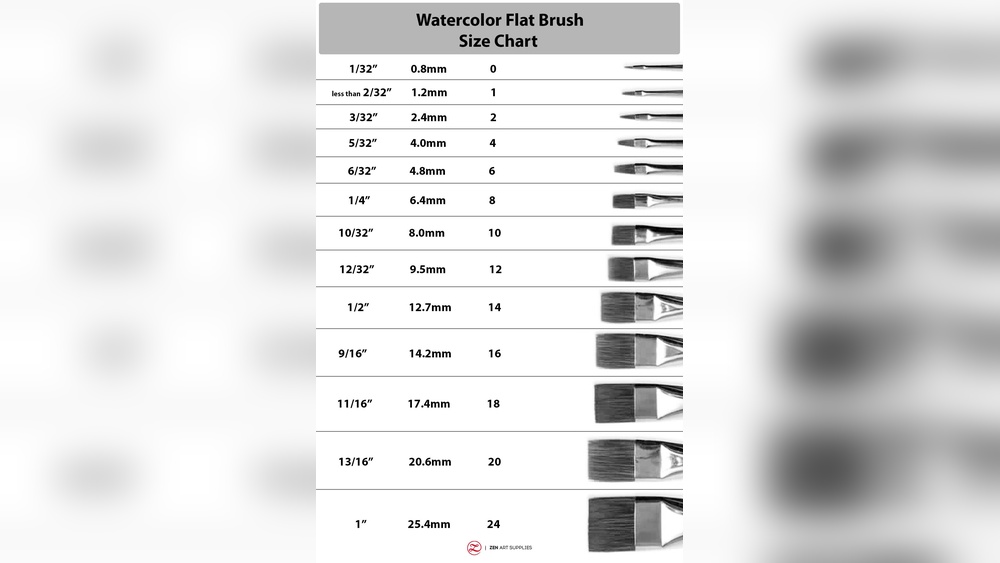
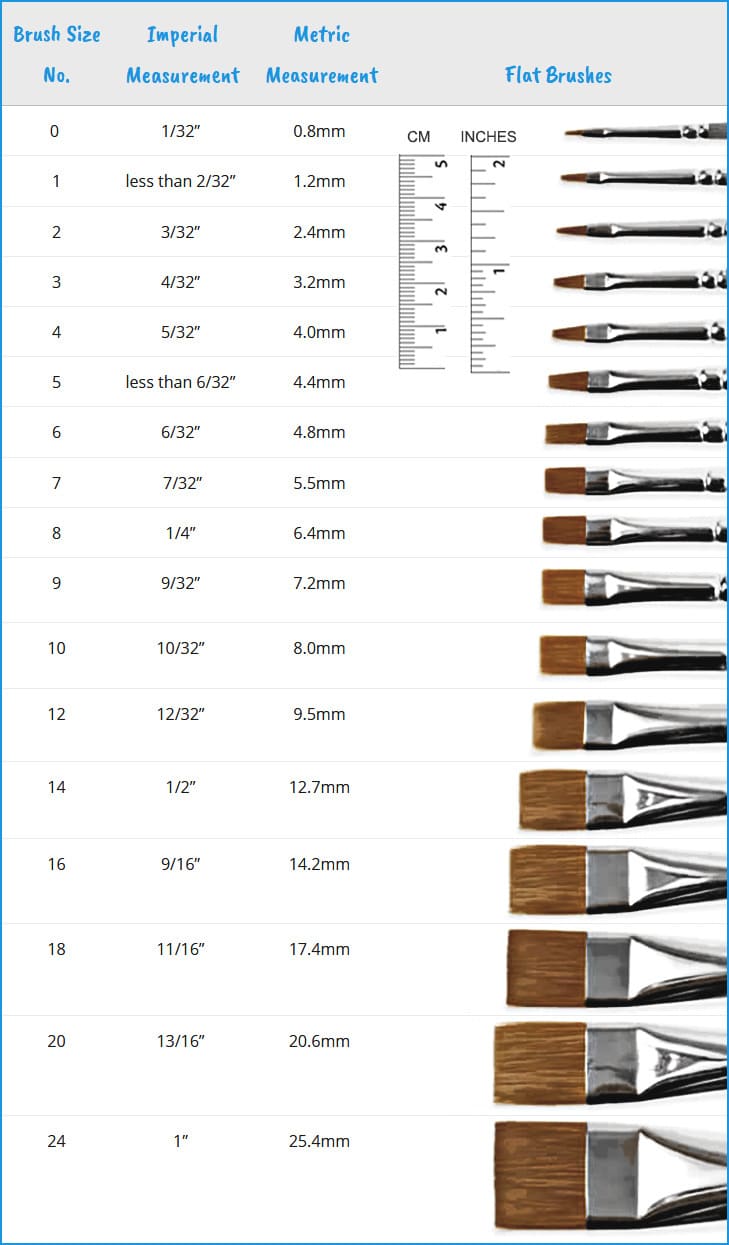
Brush sizes may be listed in metric (millimeters) or imperial (inches) units. Metric sizes give exact width in millimeters, like 10 mm. Imperial units use inches, such as ½ inch wide.
Knowing both units helps if you buy brushes from different countries. Metric is common worldwide, while imperial is used mainly in the U.S. Always check the unit to avoid mistakes.
Credit: www.watercoloraffair.com
Common Brush Sizes
Understanding common paint brush sizes helps you pick the right tool for your project. Brushes come in many sizes, each suited for specific tasks. Knowing these sizes makes painting easier and more precise.
Small Brushes
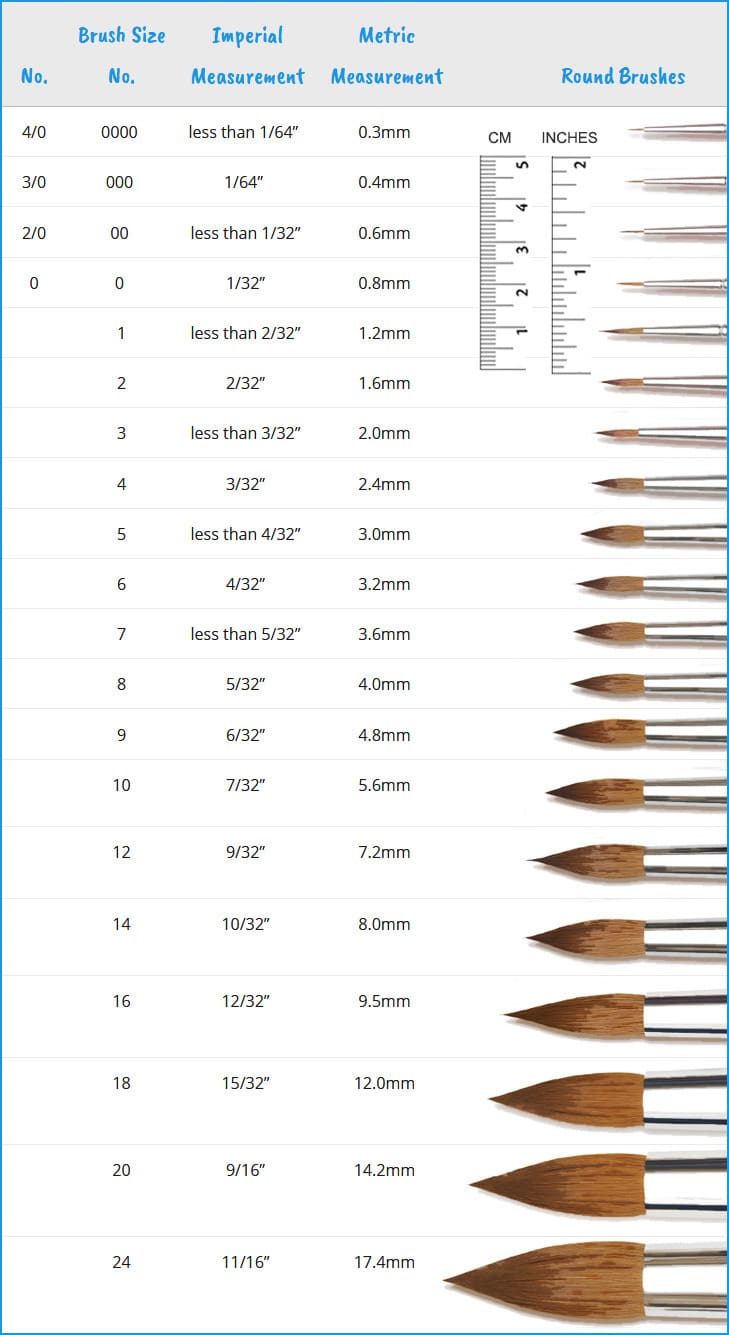
Small brushes usually range from size 0 to 4. They are perfect for fine details and delicate work. Use them for touch-ups, thin lines, or small areas. These brushes give you more control and accuracy.
Medium Brushes
Medium brushes typically fall between sizes 6 and 10. They work well for general painting tasks. Use them to cover medium-sized areas and create smooth strokes. These brushes offer a good balance of control and coverage.
Large Brushes
Large brushes are size 12 and above. They are ideal for painting large surfaces quickly. Use them for backgrounds, washes, or broad strokes. These brushes help you cover more space with fewer strokes.
Brush Shapes And Their Sizes
Brush shapes play a key role in painting. Each shape serves a different purpose. Choosing the right brush shape affects your painting style and results.
Brush sizes vary within each shape. Smaller sizes allow fine detail work. Larger sizes cover broad areas quickly. Understanding these shapes and sizes helps you pick the best brush for your project.
Round Brushes
Round brushes have a pointed tip and round ferrule. They come in sizes from tiny to large. Small round brushes are perfect for detail work. Larger ones help with broad strokes. These brushes work well for lines and curves.
Flat Brushes
Flat brushes have a straight edge and flat ferrule. They come in various widths and lengths. Small flat brushes create sharp edges and thin lines. Large flat brushes cover wide areas smoothly. Use these for bold strokes and filling big spaces.
Filbert Brushes
Filbert brushes have a flat shape with rounded edges. They blend the qualities of round and flat brushes. Sizes range from small to large. These brushes create soft, rounded strokes. They are great for blending and shaping.
Fan Brushes
Fan brushes have bristles spread out like a fan. They come in small to medium sizes. These brushes help create textures like leaves and grass. They also soften edges and blend colors gently.
Choosing Size For Different Paints
Choosing the right paint brush size depends on the type of paint used. Different paints have unique textures and drying times. These factors affect how the brush interacts with the surface. Selecting the correct size helps control the paint flow and detail work.
Brush size influences the ease of application and final appearance. Small brushes suit fine details and tight spaces. Larger brushes cover broad areas quickly and smoothly. Understanding brush sizes improves the painting experience for each paint type.
Acrylic Brushes
Acrylic paint dries fast and is thick. Medium to large brushes work well for backgrounds and broad strokes. Small brushes fit for details and edges. Synthetic bristles hold up against acrylic’s rough texture. Choose sizes that balance coverage and precision.
Oil Brushes
Oil paint is smooth and slow-drying. Large brushes cover canvas with fluid strokes. Small, stiff brushes help blend and add detail. Natural bristles often perform better with oils. Select brush sizes for layering and creating texture.
Watercolor Brushes
Watercolor paint is thin and transparent. Small round brushes allow controlled detail work. Large flat brushes spread washes evenly. Soft bristles hold water and pigment well. Pick brush sizes to manage water flow and paint softness.
Brush Size For Various Techniques
Choosing the right brush size helps you paint with ease and control. Different painting techniques need different brush sizes. Small brushes give precision, while bigger ones cover more space quickly. Understanding which size fits each technique improves your painting results.
Detail Work
Small brushes are perfect for detail work. Sizes like 0, 1, or 2 allow you to paint fine lines and tiny shapes. They help add sharp edges and small highlights. These brushes give you control for careful, intricate work.
Blending
Medium-sized brushes work best for blending colors smoothly. Sizes 4 to 8 help mix paints on the canvas softly. They cover enough area to fade colors without losing control. This size lets you create smooth transitions.
Covering Large Areas
Large brushes speed up covering wide spaces. Sizes 10 and above spread paint quickly and evenly. They are ideal for backgrounds and big shapes. Using a large brush saves time and effort in painting big areas.
Credit: www.watercoloraffair.com
Measuring Your Paint Brushes
Measuring your paint brushes is key to choosing the right tool for your art. Brush size affects how much paint you apply and the type of strokes you create. Understanding how to measure length, width, and diameter helps you pick brushes that match your project needs. This guide explains simple ways to measure your brushes accurately.
Length Measurement
Length is the distance from the ferrule’s edge to the brush tip. The ferrule is the metal part holding the bristles. Measure along the center of the brush hairs for accuracy. This length shows how long the bristles are. Longer bristles hold more paint and offer softer strokes. Shorter bristles provide more control and detail.
Width And Diameter
Width measures the brush’s flat side, while diameter measures round brushes across the middle. Width is important for flat and angled brushes to know the stroke size. Diameter tells you the thickness of round brushes. Use a ruler or caliper to get precise width and diameter. These measurements help find brushes for fine lines or broad strokes.
Practical Tips
Use a clear ruler with millimeter marks for best results. Measure brushes on a flat surface to avoid mistakes. Note sizes on each brush for easy reference later. Compare brushes side-by-side to see size differences. Remember, brush sizes vary by brand, so measure your own brushes. This practice saves time and improves your painting experience.
Size Variations Across Brands
Paint brush sizes vary widely across different brands. This variation can confuse artists and hobbyists. Each brand may label brush sizes differently. The same size number on two brands might not mean the same brush width or length. Understanding these differences helps in picking the right brush for your work.
Why Sizes Differ
Brush size differences come from brand standards. Some brands use metric measurements, others use imperial. The shape and density of bristles also affect the size label. Manufacturers decide size numbers based on their own scale. This leads to inconsistencies between brands.
Choosing Consistent Sizes
Choose brushes from one brand for size consistency. This avoids surprises in brush width and feel. If mixing brands, test brushes before buying many. Note how each size fits your painting style. Consistent sizes improve control and predictability in your work.
Using Size Charts
Size charts help compare brushes from different brands. They show dimensions like width and length for each size number. Check the chart before buying new brushes. Size charts reduce guesswork and help find the right tool. Many brands offer these charts online for free.

Credit: shop.zenartsupplies.co
Tips For Perfect Brush Strokes
Perfect brush strokes bring life to any painting. They need practice and the right approach. Small changes in technique can improve your results greatly. Here are some simple tips to help you paint smooth and precise strokes every time.
Matching Size To Project
Choose a brush size that fits your painting area. Use small brushes for details and large brushes for broad areas. A brush that is too big makes mistakes harder to fix. Too small brushes slow down large coverage. Picking the right size saves time and improves control.
Maintaining Brush Shape
Keep your brush clean and shaped after each use. Rinse with water or solvent depending on your paint type. Gently reshape the bristles with your fingers. Dry the brush flat or bristle-side up to avoid damage. Proper care keeps the brush performing well for longer.
Layering Techniques
Build your painting in thin layers to add depth. Start with light strokes and add more paint gradually. Let each layer dry before adding the next one. This prevents colors from mixing and keeps strokes clear. Layering also helps fix small errors easily.
Frequently Asked Questions
What Is The Difference Between 0 And 00 Brush Size?
The difference between 0 and 00 brush sizes is their thickness. Size 00 is thinner and finer than size 0, ideal for detailed work. Size 0 is slightly thicker, suitable for small areas but less delicate than 00. Both serve precision painting but vary in hair width.
What Does The Number On A Brush Mean?
The number on a brush indicates its size, representing the width or diameter of the bristles. Smaller numbers mean finer brushes; larger numbers mean wider brushes. Brush sizing varies by brand but helps artists choose the right brush for detailed or broad strokes.
How To Measure Paint Brush Size?
Measure paintbrush size by checking the width of bristles at the ferrule’s edge. Also, measure bristle length from ferrule to tip. Use a ruler or tape for accuracy. Size varies by brand, so compare measurements to your project needs for the best fit.
How Big Is A Size 12 Paintbrush?
A size 12 paintbrush typically measures about 1/2 inch (12-13 mm) wide at the bristle tip. It suits medium to large painting areas. Brush sizes can vary slightly by brand, but size 12 generally offers good coverage without losing detail.
Conclusion
Choosing the right paint brush size makes painting easier and more fun. Small brushes work well for detail and fine lines. Larger brushes cover big areas quickly and smoothly. Knowing brush numbers helps you pick the perfect tool every time.
Practice with different sizes to see what fits your style best. Keep your brushes clean to last longer and paint better. Understanding paint brush sizes gives you more control and confidence. Now, you can create art with the right tools in hand.