How to Prevent Oil Paint from Cracking: Expert Tips for Durability

How to Prevent Oil Paint from Cracking

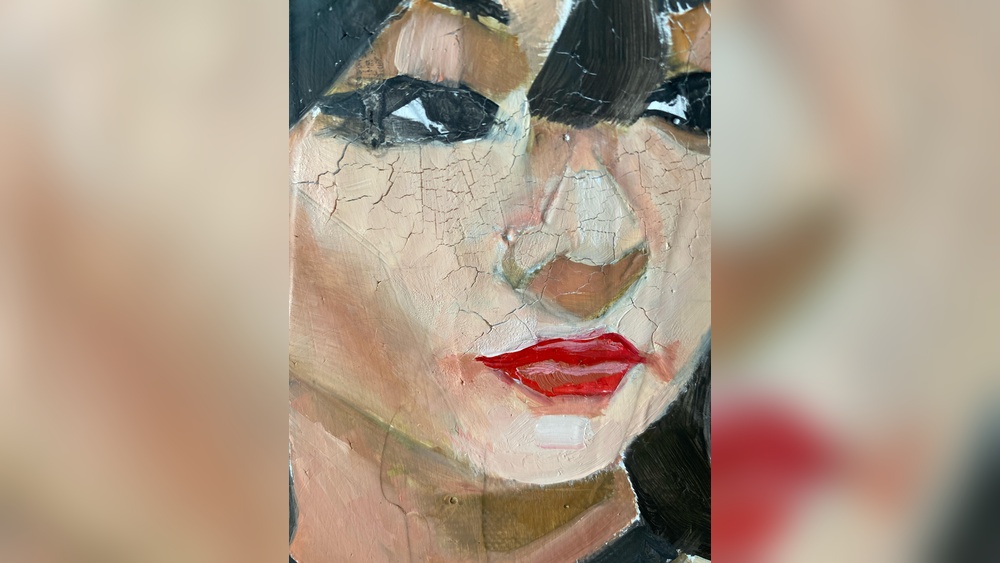
Are you tired of seeing your beautiful oil paintings develop cracks over time? Cracking not only ruins the look of your artwork but can also damage its value and longevity.

The good news is, you can prevent this common problem by understanding a few simple but crucial painting techniques. You’ll discover easy-to-follow tips that protect your oil paint from cracking, keeping your creations vibrant and intact for years to come.

Ready to learn how to safeguard your masterpieces? Let’s dive in and give your artwork the lasting strength it deserves!

How to Prevent Oil Paint from Cracking: Expert Tips for Durability

Credit: www.reddit.com

Fat Over Lean Principle

The Fat Over Lean Principle is essential for preventing oil paint from cracking. This rule means each new paint layer should contain more oil than the one below it. Following this technique helps paint dry evenly and stay flexible over time. Without it, the paint layers may crack as they dry and shrink at different rates. Understanding and applying this principle improves the longevity and appearance of your artwork.

Lean Layers With Less Oil

Lean layers have less oil and more solvent, such as turpentine. These layers dry faster and form a solid base. They are usually used in the initial stages of painting. Thin, lean layers create a stable foundation for the paint. Using less oil here prevents the paint from staying too soft and sticky. This helps avoid problems like sagging or uneven drying later.

Fat Layers With More Oil

Fat layers contain more oil and fewer solvents. Artists add linseed oil or other oil-rich mediums to these layers. These layers dry slower but remain flexible. Applying fat layers over lean ones prevents cracking. The extra oil keeps the paint soft and elastic as it dries. This flexibility allows the paint to move slightly without breaking.

Role Of Oil Content In Flexibility

The amount of oil in paint affects its flexibility and drying time. Higher oil content means slower drying and more flexibility. Flexible paint layers can handle small movements without cracking. Low oil content paint dries fast but becomes brittle. When a brittle layer is covered by a softer one, cracks can form. Correct oil balance between layers keeps the painting intact for years.

Thick Over Thin Technique

The Thick Over Thin Technique is a key method to stop oil paint from cracking. This technique means applying thicker paint layers over thinner ones. Thin layers dry faster and form a stable base. Thick layers dry slower but remain flexible. This layering helps the paint dry evenly and reduces stress on the surface. Using this method keeps paintings strong and long-lasting.

Applying Thick Paints Safely

Use thick paint only on fully dried thin layers. Check if the lower layer feels dry to touch. Thick paint traps moisture and takes longer to dry. Avoid applying thick paint on wet or soft layers. This can cause cracking as the paint shrinks unevenly. Apply thick paint gently to prevent damaging the layer below. Use a palette knife or a stiff brush for better control.

Drying Times And Layer Thickness

Thin layers dry faster because they have less oil and moisture. Thick layers hold more oil and take longer to dry. Wait enough time for each layer to dry before adding a new one. This prevents layers from drying at different speeds. Uneven drying causes stress and cracks. The drying time depends on paint type, temperature, and humidity. Plan your work to allow enough drying time between layers.

Impasto Considerations

Impasto means applying paint very thickly to create texture. This technique uses the Thick Over Thin rule strictly. Thick impasto layers must sit on thin, dry layers. Thick paint holds more oil and dries slowly. If placed on thin, wet paint, it will crack later. Use impasto to add depth but keep base layers thin. This balance protects your painting from cracking over time.

Slow-drying Over Fast-drying

Applying the principle of slow-drying over fast-drying layers is key to preventing oil paint from cracking. This method ensures each paint layer dries at a pace that supports the next one. Slow-drying layers sit on top of fast-drying ones, allowing the painting to remain flexible and durable.

Choosing the right pigments and organizing your paint layers helps maintain the painting’s integrity. Understanding how to balance drying times reduces tension in the paint layers. This careful approach keeps your artwork smooth and crack-free for years.

Choosing Fast-drying Pigments First

Start your painting with pigments that dry quickly. These include earth tones and some synthetic colors. Fast-drying pigments create a firm base layer. This base supports the following layers without trapping moisture. It reduces the chance of cracks forming later.

Using Slow-drying Colors On Top

Apply slow-drying colors over the dry fast-drying base. Slow-drying pigments include many blues, greens, and whites. These colors have more oil, so they stay wet longer. They allow the paint to move slightly as it dries. This flexibility lowers stress and prevents cracking.

Avoiding Surface Stiffness

Keep the surface soft by using enough oil in your top layers. Avoid thick, stiff paint that dries too hard. Hard surfaces crack easily under pressure or movement. Adding oil-rich mediums helps keep the surface flexible. Soft surfaces absorb slight shifts without damage.

How to Prevent Oil Paint from Cracking: Expert Tips for Durability

Credit: www.naturalpigments.com

Proper Surface Preparation

Proper surface preparation is essential to prevent oil paint from cracking over time. A well-prepared surface ensures the paint adheres correctly and dries evenly. It also supports the paint layers, reducing stress that causes cracks.

Skipping surface preparation often leads to paint peeling or cracking. Artists should focus on priming, managing absorbency, and selecting the right ground. These steps create a stable base for oil paint to last longer.

Priming The Canvas Correctly

Priming seals the canvas fibers and creates a smooth painting surface. Use a good-quality acrylic or oil primer for best results. Apply thin, even layers and let each dry completely before adding the next. This process prevents paint from soaking in unevenly, which causes cracking.

Avoiding Excessive Absorbency

Too much absorbency draws oil from the paint, making it dry too fast and crack. Use a primer that reduces the canvas’s absorbency. Test your surface by dropping water; it should bead slightly instead of soaking in. This balance helps the paint dry slowly and flexibly.

Using Suitable Grounds

Grounds prepare the surface for oil paint and influence paint adhesion. Traditional grounds include rabbit skin glue and gesso. Modern acrylic grounds also work well. Choose a ground compatible with oil paint to avoid chemical reactions that cause cracking. A flexible ground supports the paint layers during expansion and contraction.

Environmental Factors

Environmental factors play a big role in the durability of oil paintings. Changes in temperature and humidity cause the paint to expand and contract. This movement stresses the paint layers, leading to cracks over time. Controlling these factors helps keep the paint flexible and intact.

Careful handling of drying speed and storage conditions also protects the artwork. Understanding these elements creates a stable environment for the painting. This section explains how to manage temperature, humidity, drying, and storage to prevent cracking.

Controlling Temperature And Humidity

Keep the painting in a room with steady temperature. Avoid places with extreme heat or cold. Rapid temperature changes cause the paint to shrink or swell.

Humidity should stay between 40% and 60%. Too much moisture softens the paint and canvas. Too little dries them out and makes the paint brittle.

Use a humidifier or dehumidifier to maintain balance. Avoid placing paintings near heaters, air conditioners, or windows.

Preventing Rapid Drying

Oil paint dries slowly by oxidation. Rapid drying causes stress in the paint layers. This can lead to cracking or flaking.

Do not expose wet paintings to direct sunlight or strong heat. Work in a well-ventilated but cool area. Use slow-drying mediums to extend drying time.

Cover the painting loosely with a breathable cloth if drying needs protection from dust. Avoid plastic wraps that trap moisture and speed up drying unevenly.

Storage Tips For Longevity

Store paintings upright and away from damp or very dry places. Avoid basements, attics, or garages that have unstable climates.

Use acid-free paper or glassine to cover the surface. This protects from dust and pollutants without trapping moisture.

Keep paintings away from direct light and strong artificial lights. Low light prevents fading and drying issues.

Regularly check the painting and environment for signs of cracking or damage. Early action can save the artwork from worse harm.

Varnishing And Protection

Varnishing and protecting your oil painting is vital to prevent cracks. A good varnish layer shields the paint from dust, moisture, and light. It also unifies the surface finish, making colors look vibrant and fresh. Proper protection extends the life of your artwork and keeps it looking new for years.

Choosing The Right Varnish

Select a varnish made specifically for oil paintings. Glossy varnishes enhance color brightness and depth. Matte varnishes give a soft, non-reflective finish. Some varnishes are removable, allowing future cleaning or re-varnishing. Avoid spray varnishes with harsh chemicals that can damage the paint.

When And How To Varnish

Wait at least six months before varnishing to ensure the paint is fully dry. Apply varnish in a dust-free environment. Use a wide, soft brush or a clean, lint-free cloth. Apply thin, even coats to avoid drips or uneven surfaces. Let each coat dry completely before adding another.

Maintaining The Paint Surface

Keep your painting away from direct sunlight and humidity. Dust gently with a soft, dry brush or microfiber cloth. Avoid using water or cleaning products on the surface. Check the painting regularly for signs of cracking or dirt buildup. Re-varnish every few years to maintain protection and appearance.

Common Mistakes To Avoid

Preventing oil paint from cracking starts with avoiding common mistakes. Many painters rush or overlook key techniques. These errors cause paint layers to dry unevenly and crack over time. Understanding what to avoid helps keep your artwork intact and beautiful for years. Below are some frequent pitfalls that cause cracking and how to steer clear of them.

Ignoring Fat Over Lean Rule

The “fat over lean” rule means each paint layer must have more oil than the one beneath. Thin layers dry faster and shrink less. Thick, oily layers dry slowly and remain flexible. Ignoring this rule causes stiff layers under soft ones. This difference leads to cracks as the painting ages. Always apply lean (less oily) layers first, then add fatter layers on top.

Applying Thick Paint On Wet Layers

Applying thick paint on still-wet layers traps moisture inside. The bottom layer cannot dry properly. The top layer dries faster and shrinks, causing cracks. Wait until the previous layer is dry before adding thick paint. Dry times vary based on medium and thickness. Patience prevents cracking and keeps layers bonded well.

Using Incompatible Materials

Mixing incompatible materials weakens paint adhesion. For example, use only oil-based mediums with oil paint. Adding water-based products or acrylics creates unstable layers. These layers dry differently and pull apart. Use high-quality materials designed for oil painting. Avoid mixing products that do not match chemically or physically.

How to Prevent Oil Paint from Cracking: Expert Tips for Durability

Credit: www.reddit.com

Frequently Asked Questions

How To Keep An Oil Painting From Cracking?

Apply the “fat over lean” rule by adding more oil in each paint layer. Use thin layers first, then thicker. Let layers dry fully before adding more. Avoid fast-drying top coats over slow-drying bases. Store paintings in stable, moderate environments to prevent cracking.

What Is The Golden Rule Of Oil Painting?

The golden rule of oil painting is “Fat Over Lean. ” Apply each new paint layer with more oil than the previous one. This prevents cracking and ensures proper drying and durability. Use thinner, fast-drying layers first, then thicker, oil-rich layers on top for flexible, lasting artwork.

Why Put Oil Paint In The Freezer?

Placing oil paint in the freezer slows drying and extends its shelf life. It preserves paint quality for future use.

Why Is My Second Coat Of Paint Taking Off The First?

Your second coat removes the first because the first layer isn’t dry or cured. Also, applying thick paint over thin or oily over lean layers causes peeling. Follow the “fat over lean” rule and let each coat dry fully to ensure proper adhesion and prevent paint lifting.

Conclusion

Preventing oil paint from cracking needs careful attention to layering. Always follow the “Fat Over Lean” rule to keep paint flexible. Use thin, fast-drying layers first, then thicker, oil-rich layers on top. Apply thick paint over thin layers for better durability.

Choose slow-drying colors for final layers to avoid stiff surfaces. Store paintings in stable conditions with proper varnishing. These simple steps help your artwork stay smooth and last longer. Keep practicing these techniques for beautiful, crack-free oil paintings.

Facebook
Pinterest
Twitter
LinkedIn
Reddit
Telegram
Picture of Md Jomiruddin Sobuj

Md Jomiruddin Sobuj

Related Post

Finding the right canvas for oil painting can be challenging. The quality

Acrylic Paint Vs Oil Paint: Which is Better? When it comes to

Selecting the right canvas is crucial for professional oil painters. The quality

Find the best linseed oil for oil painting in 2026. Enhance your

Leave a Reply

Your email address will not be published. Required fields are marked *

Picture of Paintingproguide

Paintingproguide

Painting

Welcome to PaintingProGuide, your ultimate resource for all things related to painting! Whether you’re a seasoned artist or just starting out, our mission is to inspire, educate, and empower you to create your best work. We believe that everyone has the potential to be an artist, and our goal is to help you unlock your creativity and achieve your artistic dreams.

Recent Posts