Have you ever stared at your oil painting and noticed a mistake that just won’t let you enjoy your work? It’s frustrating, isn’t it?
But here’s the good news: oil painting is one of the most forgiving art forms when it comes to fixing errors. Whether the paint is still wet or already dry, you can learn simple, effective ways to correct those slip-ups and bring your vision back to life.
You’ll discover easy tips and tricks that will help you confidently fix oil painting mistakes without fear. Keep reading, and turn those “oops” moments into opportunities for creativity and improvement!
Common Oil Painting Errors
Oil painting can be a rewarding art form. Yet, many artists face common errors that slow their progress. Understanding these mistakes helps improve your technique and results. Here are some frequent oil painting errors to watch out for.
Rushing Complex Subjects
Tackling detailed subjects too soon often leads to frustration. Complex scenes need patience and skill. Jumping in too fast causes mistakes and uneven results. Start with simple shapes and build your confidence first.
Incorrect Color Mixing
Mixing colors without planning creates muddy or dull hues. Using too many colors can confuse the palette. Learn basic color theory to mix clean, vibrant shades. Test mixes on a palette before applying to the canvas.
Ignoring Drying Times
Oil paint takes time to dry properly. Painting over wet layers can cause smudges or cracks. Wait for each layer to dry before adding new details. Patience ensures cleaner lines and better texture in your painting.
Overworking The Canvas
Constantly reworking the paint can damage the surface. Scrubbing or layering too much can make the painting look dull. Know when to stop and let the paint breathe. Overworking reduces the freshness and energy of your artwork.

Credit: blog.youtalent.com
Fixing Wet Paint Mistakes
Fixing wet paint mistakes in oil painting is one of the easiest corrections you can make. The paint is still soft and can be moved or removed with simple tools. Acting quickly helps prevent damage and keeps your artwork clean. You can adjust shapes, soften lines, or even erase parts without waiting for the paint to dry.
Using A Rag Or Paper Towel
A clean rag or paper towel helps remove unwanted paint while it is wet. Lightly dab or wipe the paint to lift it from the canvas. Avoid pressing too hard to prevent smudging or damaging the surface. This method works well for small mistakes or excess paint. Replace the rag often to keep the area clean and avoid spreading color.
Manipulating Edges
Wet paint edges can be softened or sharpened with a brush or palette knife. Gently drag the brush along the edge to blend it into the background. For sharp edges, use the tip of a clean brush to define lines. This technique refines shapes and transitions without reapplying paint. It allows you to control the paint flow and improve the painting’s overall look.
Softening Or Sharpening Details
Details in wet paint can be adjusted easily by brushing lightly over them. Use a soft, dry brush to blur harsh lines or smooth areas. To sharpen details, pick up a small amount of paint and carefully add fine lines or highlights. This balance between soft and sharp elements adds depth and interest. Always work slowly to avoid overworking the paint.
Correcting Dry Paint Errors
Correcting dry paint errors in oil painting can be challenging but manageable. Once the paint dries, mistakes become harder to fix. Using the right techniques helps restore your artwork without damaging the canvas. These tips focus on handling dried paint carefully and effectively.
Scraping With A Palette Knife
Use a palette knife to gently scrape off the dried paint. Hold the knife at a low angle to avoid cutting the canvas. Remove only the unwanted paint layers. This method creates a clean surface for repainting. Work slowly to prevent damage to the underlying layers.
Applying A Fast-drying Medium
Mix a fast-drying medium with your oil paint to speed up drying time. This helps you fix errors quickly after scraping. Common mediums include Liquin or Galkyd. Apply thin layers to avoid cracking. These mediums improve paint flow and blending on the corrected areas.
Using White Oil Paint Mixtures
Create a mixture of white oil paint and a fast-drying medium. Cover the dried mistake with this mixture to lighten or mask the error. Wait for it to dry before repainting. This technique works well for brightening dark spots or softening harsh edges. It prepares the surface for smooth corrections.
Techniques To Start Over
Starting over on an oil painting does not mean failure. It offers a fresh chance to improve your work. Several simple techniques help you correct mistakes without wasting materials or effort. These methods keep your canvas workable and your creativity flowing. Learn how to wipe off sections, layer new paint, and use washes to adjust tone. Each technique suits different stages and types of errors in oil painting.
Wiping Off Sections
Wiping off paint works best when the paint is still wet. Use a clean cloth or paper towel to gently remove unwanted areas. This method clears mistakes quickly and allows you to repaint the space. Avoid rubbing hard to prevent damaging the canvas texture. It’s a fast way to correct lines or colors before the paint dries.
Layering New Paint
Layering new paint is ideal for dried sections. Once the paint is dry, apply a fresh layer on top to cover mistakes. Use opaque colors or mix white paint to hide errors effectively. This technique adds depth and can enhance your painting. Thin layers dry faster and blend better with older layers underneath.
Employing Washes To Adjust Tone
Washes help adjust tone without removing paint. Mix oil paint with a medium to create a thin, transparent layer. Apply this wash over areas to soften harsh colors or darken light spots. Washes add subtle changes and unify the painting’s look. They are perfect for gentle corrections and enhancing mood.
Preventing Future Mistakes
Preventing mistakes in oil painting saves time and improves your results. Careful steps during the process reduce errors. Learning to avoid common pitfalls helps build confidence. Focusing on prevention leads to better paintings with less frustration.
Planning Composition Carefully
Start with a clear idea of your painting’s layout. Sketch simple shapes to guide where elements go. Check balance and space before using paint. This planning helps avoid awkward or crowded areas. Taking time here prevents major fixes later.
Practicing Color Matching
Mix colors on a palette before applying them. Test shades on a scrap canvas or paper. Match colors under the same light as your painting area. Avoid guessing colors directly on the canvas. Practicing this skill reduces unwanted color clashes.
Allowing Adequate Drying Time
Wait for each layer to dry before adding new paint. Rushing can cause smudges and muddy colors. Use thin layers to speed drying without losing quality. Patience in drying improves texture and color clarity. Plan your time to respect drying needs.

Credit: www.youtube.com
Tools For Easy Corrections
Fixing oil painting mistakes becomes easier with the right tools. These tools help remove or adjust paint without damaging the canvas. They also allow smooth blending and quick corrections. Using them correctly saves time and keeps your artwork clean.
Palette Knives
Palette knives are great for scraping off unwanted paint. Use them to remove thick layers or clean sharp edges. They help fix mistakes without disturbing the canvas surface. Palette knives also mix colors well on the palette.
Soft Brushes
Soft brushes gently blend paint and soften hard lines. They work well for smoothing corrections on wet paint. Use them to feather edges or add light layers. Soft brushes keep your fixes subtle and natural.
Mediums Like Liquin And Cold Wax
Mediums such as Liquin speed up drying time and improve paint flow. Cold wax adds texture and makes paint easier to manipulate. These mediums help you fix mistakes faster and with more control. They also help blend corrections seamlessly into the painting.
Embracing Mistakes Creatively
Mistakes in oil painting can feel frustrating. They seem like failures at first. Yet, these errors can spark creativity. Embracing mistakes creatively means using them as a chance to explore new ideas. It turns flaws into unique parts of your artwork. This mindset frees you to experiment without fear.
Incorporating Errors Into Design
Sometimes, a mistake fits perfectly into the painting’s story. You can blend errors into the overall design. Change shapes or colors around the mistake. Make it a natural part of the scene. This approach adds depth and interest. View mistakes as unexpected gifts for your art.
Using Ink Or Paint Overlays
Ink or paint overlays cover or enhance mistakes. After the paint dries, add layers on top. Use thin ink lines or bold paint strokes. This technique hides flaws and adds texture. It also creates new visual effects. Overlays can bring balance and harmony to the painting.
Turning Flaws Into Features
Flaws can become focal points in your artwork. Highlight the error with contrasting colors or shapes. Give it a role in the story or mood. This changes the viewer’s focus to the unique detail. What once seemed wrong now feels intentional and special.
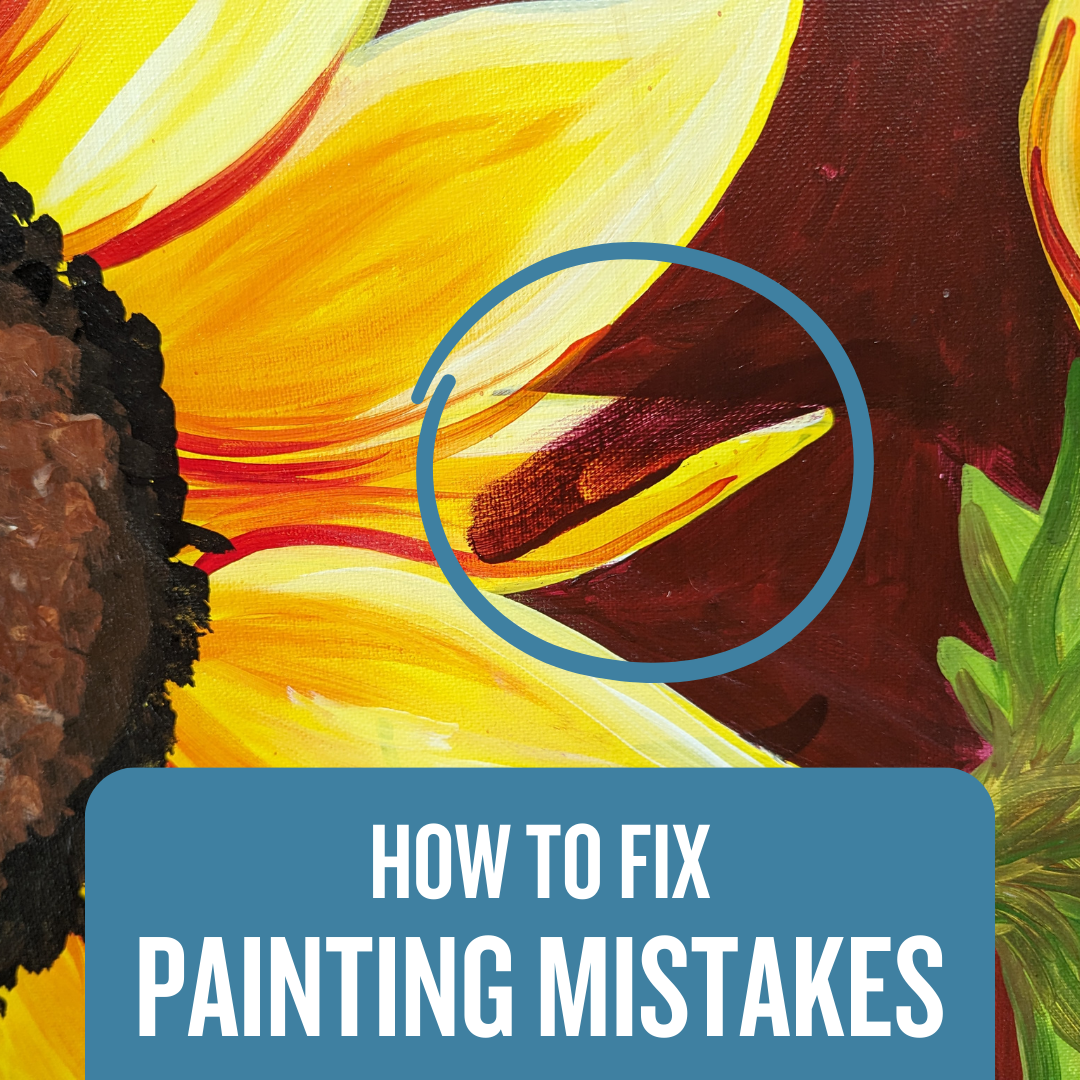
Credit: www.thesketchingpad.com
Frequently Asked Questions
How To Correct A Mistake On Oil Painting?
Use a palette knife to scrape off wet paint or wipe gently with a rag. For dried paint, apply a layer of white oil paint mixed with a fast-drying medium, then repaint. Always let layers dry properly before fixing to avoid damage.
What Is The 80 20 Rule In Painting?
The 80/20 rule in painting means 80% of impact comes from 20% of your effort. Focus on key areas for best results.
What To Do If You Mess Up Oil Painting?
Wipe wet mistakes gently with a rag or paper towel to fix them. For dry errors, scrape paint off with a palette knife or paint over once fully dry. Use a fast-drying medium mixed with white oil paint to cover imperfections effectively.
What Are Common Mistakes In Oil Painting?
Common oil painting mistakes include rushing complex subjects, applying thick paint layers, poor brush control, ignoring drying times, and inadequate surface preparation. Avoid these to improve technique and achieve better results.
Conclusion
Fixing oil painting mistakes takes patience and simple steps. Act quickly while the paint is wet for easy corrections. Use a palette knife to scrape off dried paint carefully. Thin layers of paint help avoid major errors later. Practice mixing mediums to speed drying and smooth fixes.
Don’t rush complex details; build skills gradually. Each mistake is a chance to learn and improve. Keep your tools clean and your workspace organized. Enjoy the process and stay confident in your work. With time, fixing errors will become natural and stress-free.
Keep painting and growing your artistic skills.