Choosing the right paintbrush can completely change how your artwork turns out. If you’ve ever found yourself staring at your brushes, wondering whether to pick a filbert or a flat brush, you’re not alone. Understanding the differences in the debate of Filbert vs Flat Brush can guide your choice.
Each brush offers unique advantages, but knowing exactly when to use each can unlock new levels of creativity in your oil or acrylic painting. You’ll discover the key differences between filbert and flat brushes and learn practical tips on when to reach for one over the other.
By the end, you’ll feel confident selecting the perfect brush to bring your artistic vision to life. Ready to sharpen your brush skills? Let’s dive in!
Credit: princetonbrush.com
Understanding Filbert vs Flat Brush
Choosing the right brush is key to creating beautiful paintings. Each brush type offers unique effects and control. Knowing when to use a filbert or flat brush helps you express your artistic vision clearly. This guide explains the best uses for both brushes and how to combine them for great results.
Filbert Brush Features
When To Use A Filbert Brush
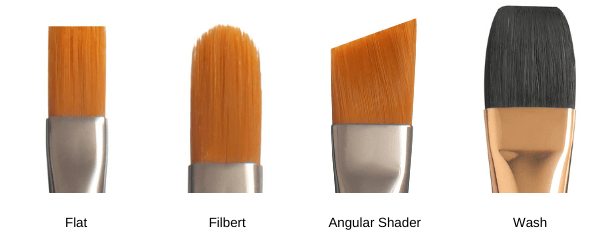
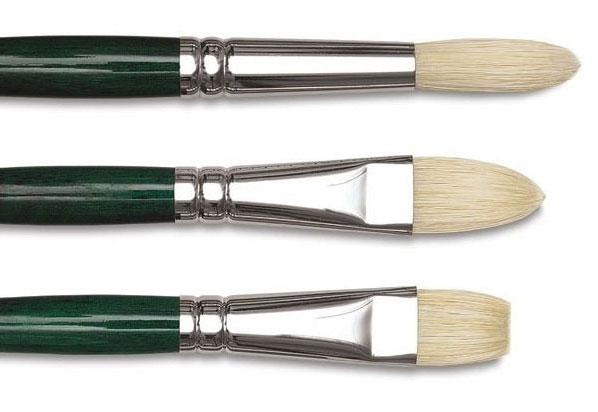
A filbert brush has a flat shape with rounded edges. It blends the softness of a round brush with the coverage of a flat brush. Use a filbert brush for soft, curved strokes. It works well for painting petals, clouds, and smooth transitions. The rounded tip helps create gentle blends and subtle textures. It is ideal for blending colors and adding detail without harsh lines.
Flat Brush Features
When To Use A Flat Brush
A flat brush has a straight, squared edge. It is perfect for bold, sharp strokes and filling large areas. Use a flat brush for painting straight lines and edges. It helps create clean shapes and blocks of color quickly. This brush is great for backgrounds, geometric shapes, and layering paint evenly. It also works well for making sharp corners and controlled marks.
Combining Both For Effects
Using both filbert and flat brushes creates dynamic paintings. Start with a flat brush to block in shapes and colors. Then switch to a filbert brush to soften edges and add detail. This mix lets you control texture and form easily. Use the flat brush for structure and the filbert brush for smooth blending. Together, they help you achieve depth and variety in your artwork.
Credit: www.danschultzfineart.com
Brush Sizes and Materials
Brush sizes and materials shape how you use filbert and flat brushes. Each brush size suits different painting tasks. The choice of bristles affects the brush’s feel and paint application. Understanding these aspects helps pick the right brush for your artwork.
Popular Sizes For Filbert Brushes
Filbert brushes come in many sizes. Small sizes like 4 or 6 work well for detail and soft edges. Medium sizes, such as 8 or 10, offer versatility for both broad strokes and blending. Larger sizes, like 12 or 14, cover bigger areas with smooth curves.
Popular Sizes For Flat Brushes
Flat brushes also have a wide size range. Small flats, like size 2 or 4, help with sharp lines and precise shapes. Medium sizes, such as 6 or 8, suit filling medium spaces and creating bold strokes. Large flats, size 12 or above, are great for washes and large background areas.
Natural Vs Synthetic Bristles
Natural bristles come from animals like hogs. They hold paint well and give a textured finish. Natural bristles are ideal for oil and acrylic paints. Synthetic bristles are made from nylon or polyester. They are smooth, durable, and work well with water-based paints. Synthetic brushes clean easily and keep their shape.