Quick answer: What is a filbert brush used for? Mainly blending, soft edges and rounded shapes in painting. Its flat body and oval tip let one brush do three jobs: the flat side covers areas and blends, the rounded tip makes petals, leaves and soft dabs, and the thin edge draws lines. That combination makes filberts a favorite for portraits, skin tones, clouds, flowers and foliage in oil, acrylic and, in softer versions, watercolor and gouache.
If you could keep only one brush shape, a strong case can be made for the filbert. It sits halfway between a flat and a round, borrowing the coverage of one and the softness of the other.
That in-between nature is also why the question “what is a filbert brush used for painting” comes up so often. It does not have one obvious job, the way a liner draws lines or a fan brush makes foliage. This guide explains exactly what filberts do best, how to hold and load them, the strokes worth learning, which sizes suit which tasks and how they compare with other shapes.
What Is a Filbert Brush?
A filbert has a flattened metal ferrule, like a flat brush, but the hairs are shaped into an oval or almond tip rather than a square edge. The name comes from the filbert nut (hazelnut), whose shape the tip resembles.
Filberts come in several hair types:
- Hog bristle: Stiff and springy, ideal for moving thick oil paint and heavy body acrylic.
- Soft synthetic: Smooth and resilient, good for acrylic, gouache and fine blending in oil.
- Natural soft hair (such as sable or squirrel blends): Holds lots of water; favored by some watercolor painters.
- Mongoose-style synthetics: Firm but smooth, a middle ground used by many oil and acrylic painters.
There is also the long-haired variation called the Egbert, and the cat’s tongue, which has a more pointed oval tip. Both are cousins of the standard filbert.
Hair type changes the character of every stroke more than size does. A stiff bristle filbert leaves visible brush marks that suit expressive oil work, while a soft synthetic glides and leaves almost no texture. Matching the hair to your medium is the first decision when you compare quality paint brushes for different media.
What Is a Filbert Brush Used For?
The best way to understand the filbert is to look at what each part of the brush does.
| Part of the brush | Mark it makes | Common uses |
|---|---|---|
| Flat side | Broad strokes with soft ends | Blocking in, coverage, blending, backgrounds |
| Rounded tip | Oval dabs and tapered strokes | Petals, leaves, clouds, rounded forms |
| Thin edge | Lines that soften at the ends | Stems, grass, hair strands, contours |
| Corner of the curve | Small controlled marks | Highlights, eyes, small details |
A filbert brush is best used for blending
The rounded tip has no hard corners, so strokes overlap without leaving the sharp-edged ridges a flat can create. This makes filberts excellent for smooth transitions in skin tones, skies and soft fabrics. In portraiture, many painters use filberts for most of the face.
Soft edges and organic shapes
Nature rarely has straight edges. Clouds, petals, leaves, rocks, fruit and hair all have curved or soft outlines. A filbert naturally produces those shapes with a single press-and-lift stroke.
Coverage with control
Filberts cover areas almost as quickly as a flat but give more control near edges, since the curved tip can work into corners and around shapes without leaving square marks.
Lines and details
Turned on its edge, a filbert draws reasonably fine lines that taper softly. It is not a substitute for a liner on very fine work, but it handles stems, branches and contour lines well.
Because filberts fill so many roles, they are often the most-used brushes in a set, which makes them one of the shapes worth buying in a good grade first.
What Are Filbert Brushes Good For by Subject?
- Portraits: Modeling forms of the face, blending skin tones, soft shadows, rounded features like cheeks and lips.
- Florals: One stroke per petal, especially for roses, daisies and tulips.
- Landscapes: Clouds, foliage masses, rounded bushes, distant hills.
- Still life: Fruit, pottery and fabric folds.
- Animals: Fur masses, rounded muscle forms and soft transitions.
- Abstracts: Expressive, varied marks without hard corners.
How to Use a Filbert Brush: Step by Step
1. Choose the right consistency
Filberts work well with a wide range of paint, but each hair type has a sweet spot. Hog bristle filberts handle thick paint. Soft synthetics and natural hair prefer creamier, more fluid paint. If the stroke drags or streaks, soften the paint with medium or a little water (for acrylic).
2. Load from both sides
Press the flat side of the brush into the paint, flip it and press the other side. This loads the brush evenly. Wipe lightly on the palette to reshape the oval tip and remove clumps.
3. Decide which part you need
Before each stroke, choose: flat for coverage, tip for dabs, edge for lines. Switching deliberately is what makes a filbert versatile.
4. Use pressure to change the mark
Light pressure shows only the tip, giving a small oval. More pressure spreads the bristles and widens the stroke. Lifting while pulling creates a tapered end, which is ideal for petals and leaves.
5. Blend with a clean brush
For smooth blends, place the two colors side by side, wipe the brush, then stroke lightly along the boundary with the flat side. Wipe often. Using a separate clean filbert for blending helps keep colors pure.
6. Rotate the handle
Rolling the handle between your fingers during a stroke turns a broad mark into a thin one and back again. This is useful for ribbons, fabric folds and leaves that twist.
Filbert Strokes to Practice
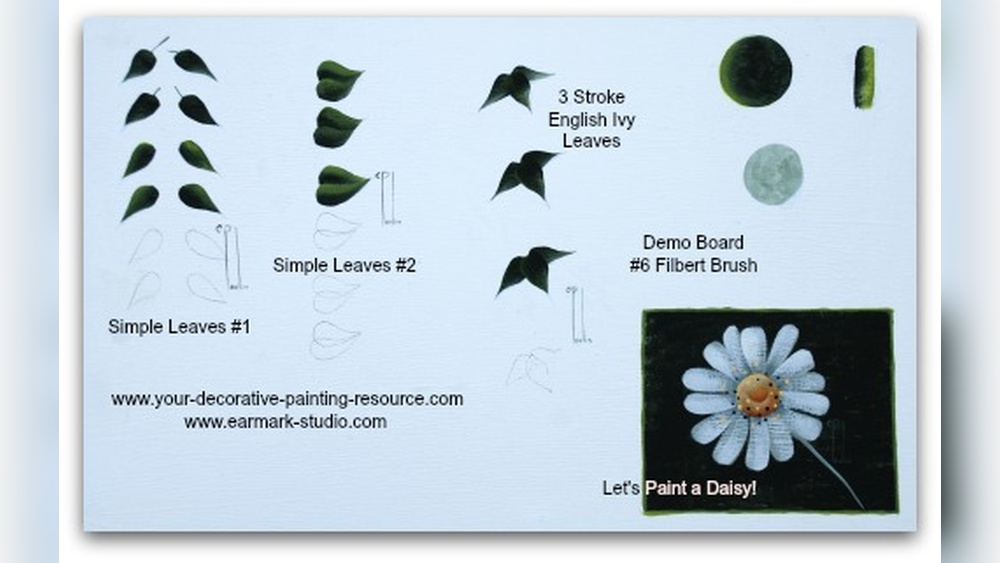
- Petal stroke: Press the flat side down, then pull toward the flower center while lifting. Repeat in a circle.
- Leaf stroke: Start on the edge, press to the flat as you move, then return to the edge. The mark swells and tapers like a leaf.
- Cloud dab: Use the tip with a pouncing, slightly twisting motion for soft cloud tops.
- Cross-hatched blend: Lay short overlapping strokes in different directions to blend without mud.
- Edge line: Turn the brush sideways and pull a line, varying pressure for thickness.
How to Use a Filbert Brush for Watercolor
Filberts are less common in watercolor than rounds and flats, but soft-haired versions are useful.
- Petals and leaves: A single loaded stroke creates a clean petal shape with a soft edge.
- Lifting: A damp, clean filbert can lift paint from paper to soften edges or create highlights, since its rounded tip leaves no hard corners.
- Controlled washes: Small areas can be washed with the flat side while the curved tip handles edges.
Load watercolor filberts fully with fluid paint and use a lighter touch than with oil or acrylic. Soft hair responds to small changes in pressure.
Filbert Brushes in Oil vs Acrylic
The shape behaves the same in both media, but drying time changes how you use it.
In oil, paint stays wet for hours, so a filbert can blend and re-blend an area as long as you like. Portrait painters often lay in a face with a medium bristle filbert, then refine transitions with a soft synthetic filbert of the same size. The risk is overworking: the paint never forces you to stop, so set a limit on how many passes you make.
In acrylic, paint can start to set in minutes, especially thin layers. Blend in smaller patches, keep the brush damp and consider a retarder medium or a stay-wet palette. Another approach is to build gradations with several thin, slightly overlapping layers instead of one wet blend. The filbert’s soft tip hides the overlaps well.
Practice Project: A Five-Petal Flower in One Brush
This short exercise uses every part of the filbert. Use a medium filbert, a small canvas panel and any three colors plus white.
- With the flat side and a mid-value background color, cover the panel using crisscross strokes. Let it set.
- Load the brush with a petal color on one side and white on the other. Press the flat down at the outer edge of a petal and pull toward the center while lifting. Repeat five times in a circle.
- Wipe the brush, then use the rounded tip with a darker value to dab shadows where petals meet the center.
- Turn the brush on its edge with green and pull a curved stem, pressing slightly harder at the base.
- Add two leaves with the swell-and-taper leaf stroke.
- Finish with a few small tip dabs of light yellow at the center.
Painting this flower three or four times teaches how loading, pressure and rotation change the mark far faster than reading about strokes.
Filbert Brush Sizes: Small to Large
Sizes vary by brand, so use these as approximate guidelines.
| Size | Approximate width | Best for |
|---|---|---|
| Small filbert (0 to 4) | Narrow | Eyes, lips, small petals, highlights, details in portraits |
| Medium filbert (6 to 10) | Moderate | Most portrait and still life work, flowers, foliage |
| Large filbert (12 and up) | Wide | Backgrounds, skies, blocking in large forms |
A small, medium and large filbert cover most painting needs. Many painters keep duplicates of their favorite size: one for darks and one for lights.
Filbert vs Other Brush Shapes
| Shape | Edge quality | Main strength | When to choose it over a filbert |
|---|---|---|---|
| Flat | Sharp, square | Crisp edges and broad coverage | Architecture, hard edges, geometric shapes |
| Bright | Sharp, short | Control with thick paint | Short, decisive impasto strokes |
| Round | Pointed | Lines and details | Fine details and varied line work |
| Fan | Textured | Foliage, grass, blending | Textured foliage and feathering |
| Rigger/liner | Fine line | Long thin lines | Branches, rigging, lettering |
What is a rigger brush used for, compared with a filbert?
A rigger is a very long, thin round brush used for fine, continuous lines such as ship rigging, tree branches and grasses. A filbert handles shapes and blending. They complement each other: use a filbert to paint a tree’s foliage mass and a rigger to add the thin branches.
Common Filbert Mistakes
- Using only the flat side: You miss half the brush’s range. Practice tip and edge strokes.
- Overblending: Too many strokes create mud and remove energy. Blend only where needed.
- Dirty brush: Residue dulls colors. Wipe after every few strokes.
- Wrong hair type for the paint: Soft hair struggles with thick paint; stiff bristle may leave streaks in delicate washes.
- Poor cleaning: Paint in the ferrule splits the oval tip. Clean thoroughly after each session.
Caring for Filbert Brushes
The oval tip is the filbert’s defining feature, so protecting it matters.
- Clean right after painting with the appropriate first rinse, then mild soap and lukewarm water.
- Reshape the oval tip with your fingers while damp.
- Dry flat or bristles-up.
- Avoid leaving brushes standing in water.
Brush quality strongly affects how long a filbert keeps its shape. If you want to see how a mid-range synthetic set handles filbert shapes, our Princeton paint brush set review covers the shapes included and how they compare.
Related Reading
FAQs
What is a filbert brush best used for?
A filbert is best used for blending, soft edges and rounded shapes. It is especially popular for portraits, skin tones, clouds, petals and foliage.
How do you use a filbert brush?
Load it from both flat sides, then choose the part you need: the flat side for coverage and blending, the rounded tip for dabs and petals, and the edge for lines. Vary pressure to change the width of the stroke.
What is the difference between a filbert and a flat brush?
Both have a flat ferrule, but a flat brush has a square tip that creates sharp edges, while a filbert has a rounded tip that creates softer edges and is better for blending.
Can you use a filbert brush for watercolor?
Yes. Soft-haired filberts work well for petals, leaves, small washes and lifting paint to soften edges. Use fluid paint and a light touch.
What size filbert brush should a beginner buy?
A medium filbert, around size 6 to 8, is a versatile first choice. Add a small filbert for details and a larger one for backgrounds as your work develops.
Why is it called a filbert brush?
The name comes from the filbert nut, also known as the hazelnut, because the brush’s oval tip resembles its shape.
Next Step
The filbert earns its place by doing three jobs at once: coverage, blending and soft shapes. Spend a session practicing petal, leaf and edge strokes, and you will start reaching for it in almost every painting.
If you are building or upgrading a brush set, start with a reliable filbert in a small, medium and large size. Our guide to top-rated brushes for smooth, controlled strokes compares sets and individual brushes across hair types and media.