If you love painting with watercolors, you know how important your brushes are. They help you create smooth strokes and beautiful details.
But without proper care, your brushes can quickly lose their shape and softness. Wouldn’t it be great to keep your brushes in perfect condition for every painting session? You’ll learn simple, effective ways to clean and care for your watercolor brushes.
Follow these easy steps, and your brushes will stay soft, last longer, and always be ready to bring your artistic ideas to life. Let’s dive in and give your brushes the care they deserve!
Credit: www.dotsanddust.com
Choosing The Right Brushes
Choosing the right brushes is key to a great watercolor painting experience. The brush quality affects your control and the final look of your artwork. Picking brushes that suit your style and technique saves time and effort. Knowing the types and materials helps you care for them better and get the best results.
Types Of Watercolor Brushes
Watercolor brushes come in several shapes and sizes. Round brushes are popular for detail and line work. Flat brushes cover larger areas and create sharp edges. Mop brushes hold a lot of water and help with washes. Fan brushes are good for texture and blending. Each type serves a special purpose in painting.
Natural Vs Synthetic Bristles
Natural bristles come from animal hair, like sable or squirrel. They hold water well and offer smooth strokes. These brushes are often softer and more flexible. Synthetic bristles are made from man-made fibers. They are durable and easier to clean. Synthetic brushes work well for beginners and budget-friendly options. Choose bristles based on your painting needs and care preferences.
Cleaning Techniques
Cleaning watercolor brushes is key to keeping them soft and long-lasting. Proper cleaning removes paint without damaging bristles. Different paints need different cleaning methods. Use gentle techniques to protect your brushes and ensure smooth painting every time.
Using Mild Soap
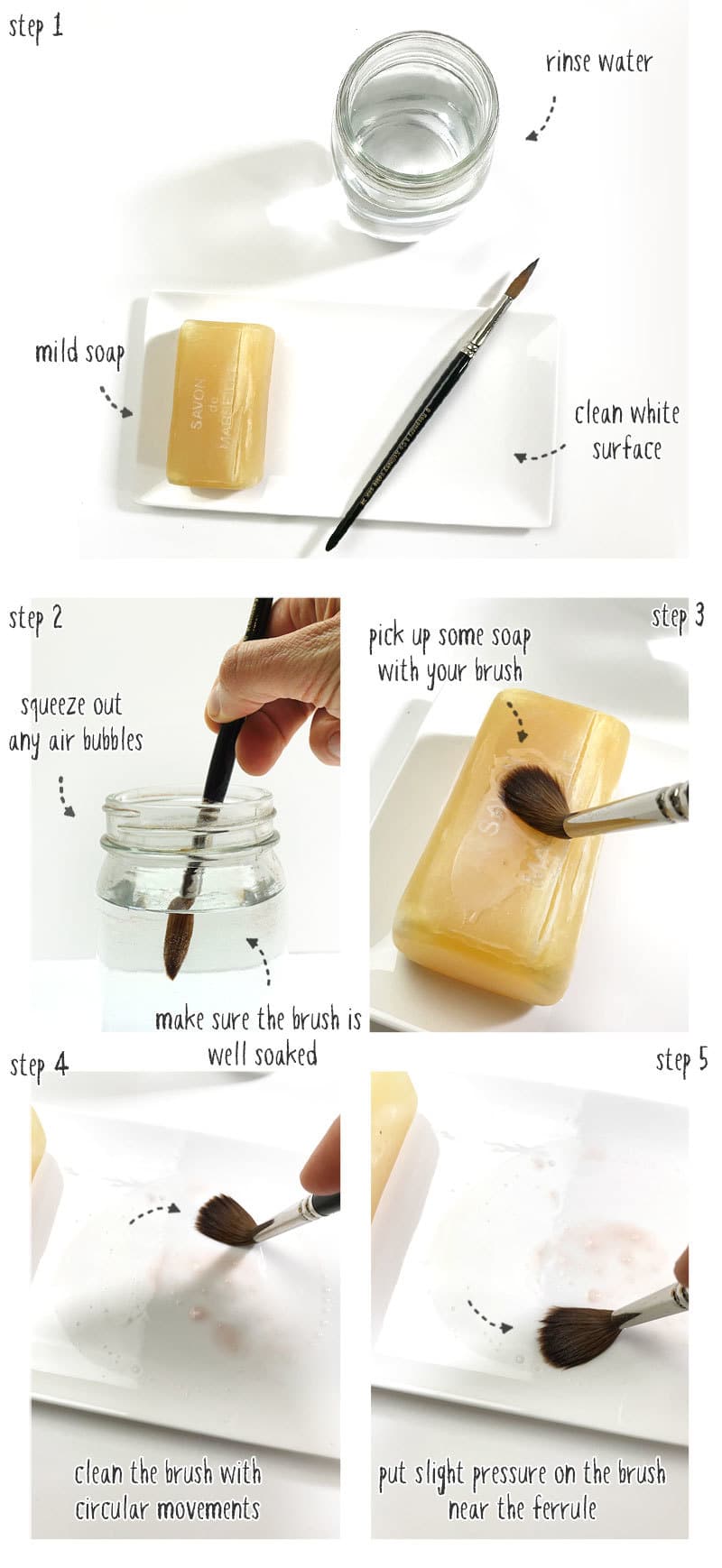
Mild soap works well for most watercolor paints. Wet the brush with lukewarm water. Add a small amount of mild soap to your palm. Gently rub the brush in your palm to create foam. This loosens paint and dirt from bristles. Rinse the brush under running water. Repeat until the water runs clear. Avoid hot water as it can damage the bristles. After cleaning, reshape the brush tip and let it dry flat.
Removing Stubborn Paint
Sometimes paint sticks to brushes and won’t come off easily. Use a gentle brush cleaner or soap with a bit more scrubbing. Dip the brush in water and swirl it on a textured surface like a rubber mat. This action helps break down dried paint. Avoid harsh scrubbing that can cause bristles to fall out. For dried paint, soak the brush briefly in water before cleaning. Always rinse thoroughly to remove any residue.
Solvent Use For Oil-based Paint
Watercolor brushes used with oil-based paints need special care. Start by dipping the brush in a suitable solvent, like mineral spirits or turpentine. Swirl the brush gently to dissolve paint. Do not soak brushes for too long as solvents can weaken glue in the ferrule. After solvent cleaning, wash the brush with mild soap and water. This step removes solvent residue and softens bristles. Always dry brushes flat to keep their shape.
Drying And Storage
Maintaining the shape of watercolor brushes is essential for achieving smooth, precise strokes. Properly shaped brushes hold paint better and last longer. Without care, bristles can lose their form, affecting your artwork’s quality.
Regular attention to brush shape keeps your tools ready for use. This section shares simple ways to reshape brushes and prevent damage.
Reshaping Tips
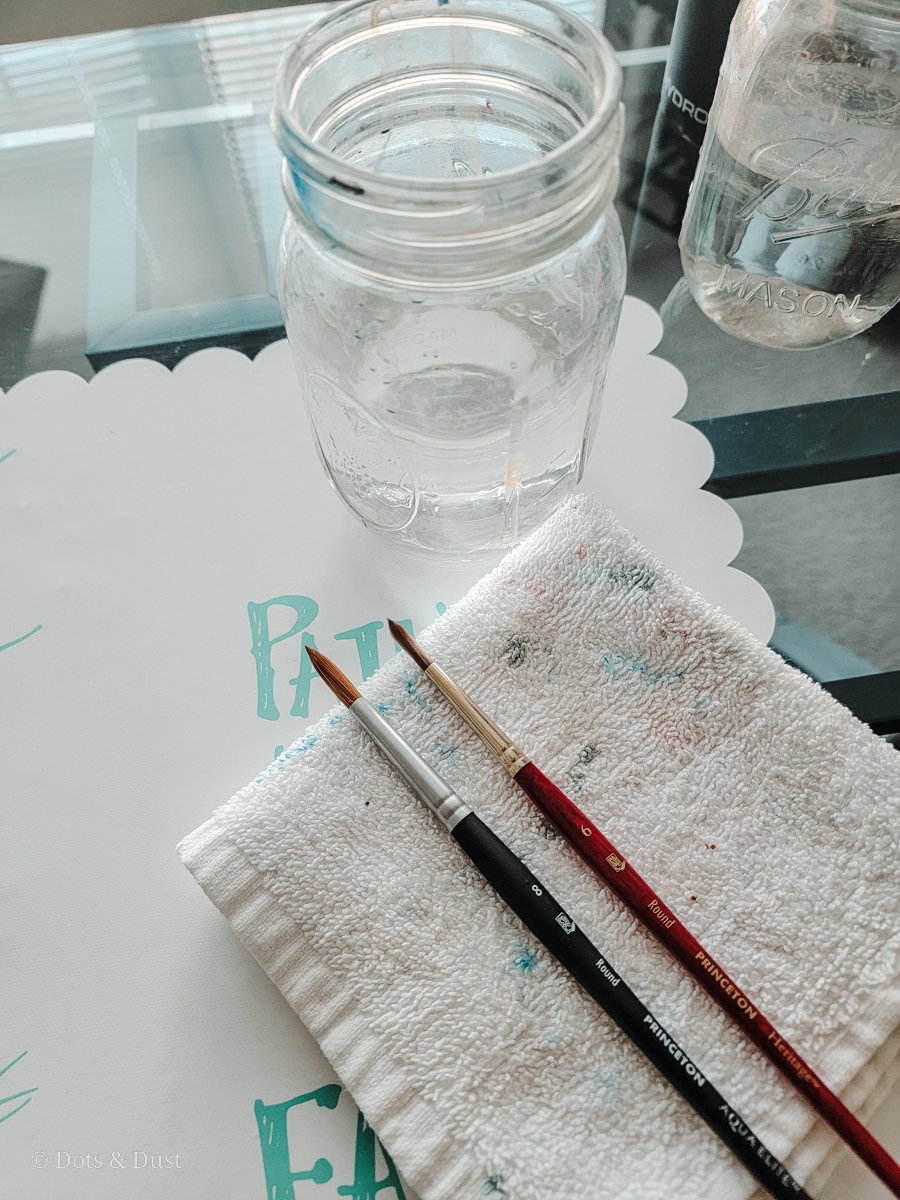
After cleaning, gently squeeze out excess water with a soft cloth. Use your fingers to mold the bristles back to their original shape. Avoid pulling or twisting the bristles.
Let brushes dry flat or with bristles pointing upward. This prevents water from settling inside the ferrule, which can loosen the glue. Reshaping while wet helps maintain the brush’s fine tip or edge.
Avoiding Splayed Bristles
Never let brushes dry with paint still in the bristles. Hardened paint spreads bristles apart and damages the shape. Clean brushes thoroughly after each use with mild soap and cool water.
Store brushes upright or in a case to protect bristles from bending. Avoid pressing the tip against hard surfaces during painting or cleaning. This keeps bristles tight and pointed.
Maintaining Brush Shape
Proper storage during breaks keeps watercolor brushes fresh and ready to use. Leaving brushes wet or exposed can damage the bristles. Storing them correctly prevents drying, warping, or fraying. Short breaks need different care than long pauses. Below are smart methods to store brushes safely during these times.
Refrigeration Techniques
Refrigeration slows paint drying on brushes during short breaks. Wrap the brush tips in plastic wrap or damp cloth. Place them in an airtight container or zip-lock bag. Store the container in the refrigerator for up to 24 hours. This method keeps the bristles moist without soaking them. Avoid freezing watercolor brushes as it can harm the bristles and handle.
Freezing For Oil-based Paints
Freezing suits brushes used with oil-based paints, not watercolors. Clean brushes lightly, leaving some paint on the bristles. Wrap tips in plastic and place brushes in a sealed bag. Freeze for breaks longer than 24 hours. Freezing stops paint from drying and hardening. Before reuse, thaw brushes gently and clean thoroughly to remove all paint residue.
Preventing Damage
Proper care of watercolor brushes extends their life and improves painting results. Avoiding common mistakes protects the delicate bristles and keeps brushes in good shape. Many artists unknowingly harm their brushes by following bad habits. Knowing what to avoid helps maintain soft, springy bristles for longer.
Leaving Brushes In Water
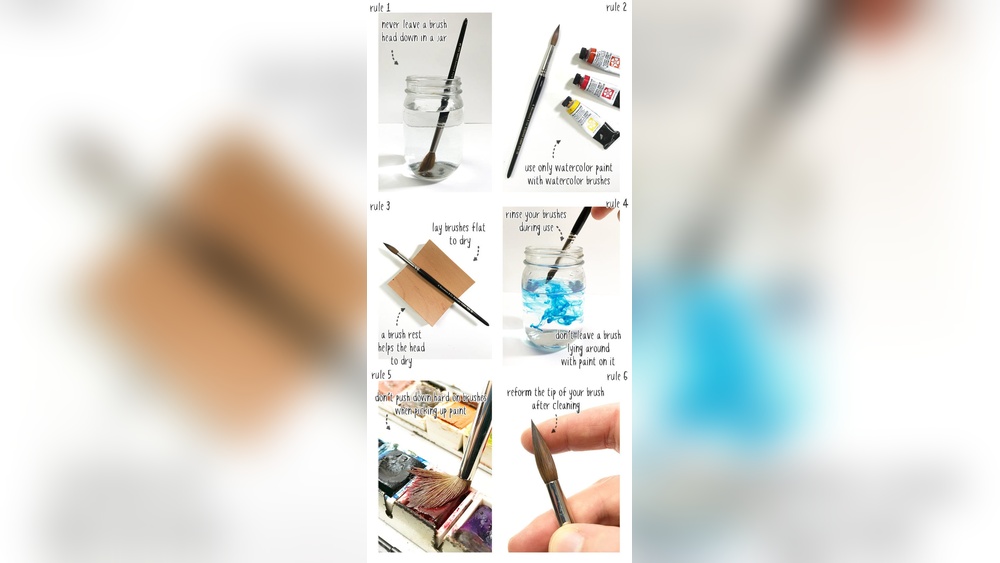
Leaving brushes soaking in water weakens the glue that holds bristles. Over time, this causes bristles to fall out and lose shape. Water can also swell the handle, causing cracks and splits. Always remove brushes from water promptly after rinsing. Gently squeeze out excess water and reshape the bristles before drying flat.
Using Excessive Force
Pressing hard while painting or cleaning damages brush tips. Excessive force bends or breaks bristles, ruining the brush’s fine point. Use a light touch when applying paint for smooth strokes. Clean brushes gently with your fingers or a soft cloth. Treating brushes carefully preserves their shape and functionality.
Credit: www.watercoloraffair.com
Extending Brush Life
Busy artists need fast, easy ways to keep watercolor brushes in good shape. Proper care saves time and money. It also helps brushes last longer and perform better. Here are quick tips that fit into any busy schedule.
Adding Soap To Water While Painting
Add a small drop of gentle soap to your water cup. This stops paint from drying on the brush. It keeps bristles softer for longer. Soap also makes cleaning brushes faster after painting. Use mild dish soap for the best results. Change the water and soap often to avoid buildup.
Keeping Brushes Soft Between Uses
After each painting session, rinse brushes well with clean water. Remove all paint from bristles. Gently squeeze out extra water and reshape the tip. Store brushes flat or with bristles pointing up. Avoid letting brushes dry with paint inside. This keeps them soft and ready to use quickly next time.
Credit: featherjoy.com
Frequently Asked Questions
Can I Use Dawn Dish Soap To Clean Paint Brushes?
Yes, Dawn dish soap cleans paint brushes effectively, especially water-based paints. It’s gentle, breaks down paint, and protects bristles. For oil-based paints, use solvent first, then Dawn to condition brushes.
Should You Freeze Or Refrigerate Paint Brushes?
Store paint brushes in the refrigerator for short breaks to keep paint moist. Avoid freezing, as it damages bristles. Clean brushes thoroughly before storage to maintain their shape and quality. Refrigeration slows drying, extending brush usability during painting breaks.
Can You Leave Watercolor Brushes In Water?
Do not leave watercolor brushes soaking in water; it weakens glue and damages bristles. Rinse and dry them promptly after use.
What Is The Best Way To Store Watercolour Brushes?
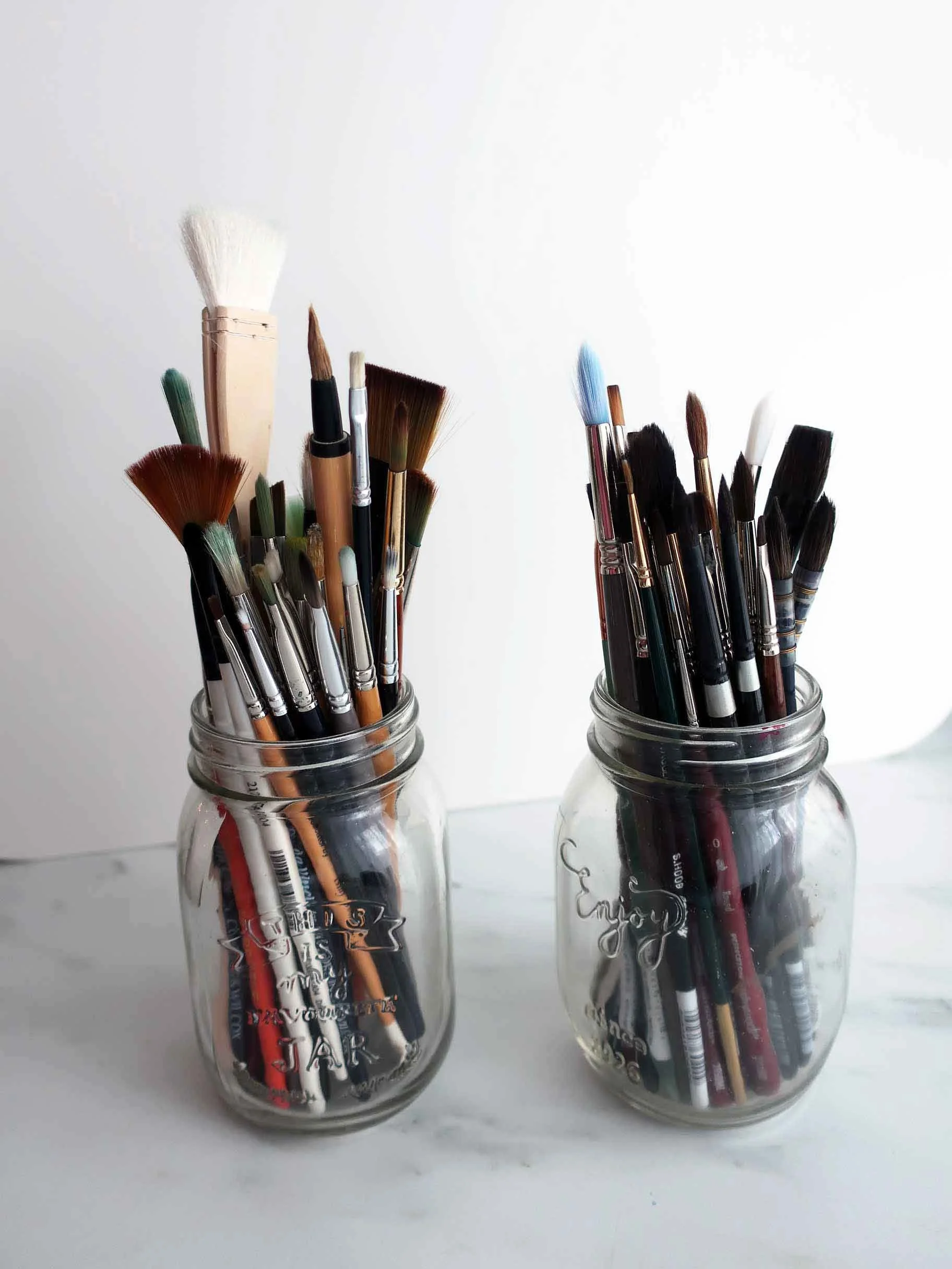
Store watercolor brushes upright with bristles up in a dry, well-ventilated area. Always clean and reshape bristles after use. Avoid soaking brushes for long periods to prevent damage. Use a brush holder or jar to keep them organized and maintain their shape.
Conclusion
Taking good care of your watercolor brushes keeps them soft and lasts longer. Clean brushes gently after each use to avoid paint buildup. Always reshape bristles and let brushes dry flat to keep their form. Use mild soap and cool water for cleaning to protect the bristles.
Proper care helps you create beautiful art every time. Small daily steps make a big difference in brush life. Keep your tools ready and enjoy painting with ease.