Are you ready to discover the joy of acrylic painting but don’t know where to start? You’re in the right place.
Acrylic painting is a fun, versatile way to express your creativity, even if you’ve never picked up a brush before. Imagine turning blank canvases into colorful masterpieces with just a few simple tools and techniques. You’ll find easy tips that make acrylic painting simple and enjoyable.
By the end, you’ll feel confident enough to create your own stunning artwork. Keep reading, and let’s unlock your artistic potential together!
Choosing Acrylic Supplies
Choosing the right acrylic supplies sets a strong base for painting success. Starting with quality tools helps you enjoy the process and improve skills. Focus on basics first to avoid confusion. Simple, good materials make learning easier and more fun.
Essential Brushes And Paints
Select brushes made for acrylic paint. Synthetic brushes work well and last long. Pick a few shapes: flat, round, and detail brushes. These cover most painting needs. Choose paints labeled “acrylic” with bright, strong colors. Start with primary colors and white. Mixing these creates many shades. Avoid cheap paints that may crack or fade.
Selecting The Right Canvas
Canvas choice affects how paint looks and feels. Beginners should try small canvases, around 8×10 inches. This size is easy to handle and affordable. Look for pre-stretched canvases or canvas boards. These provide a smooth surface to practice on. Cotton or linen canvases work well. Thicker canvases hold paint better and last longer.
Helpful Accessories
Extras make painting easier and cleaner. Get a palette for mixing colors. Plastic or glass palettes are easy to clean. Use jars for water to rinse brushes often. Keep paper towels or rags handy to wipe brushes. An easel helps hold your canvas steady. A palette knife can mix paint or create texture. These tools support learning and improve your painting experience.

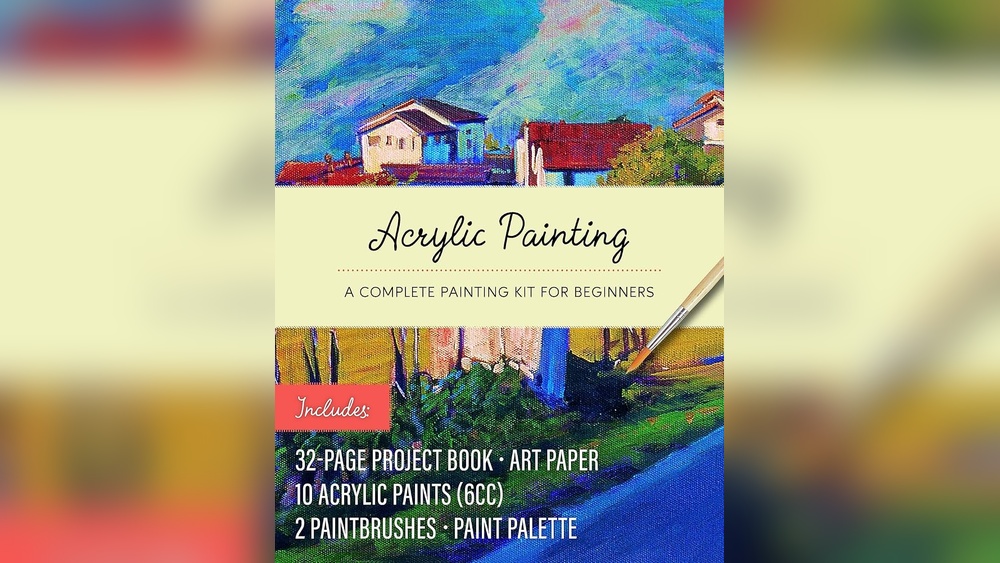
Credit: www.thebookbundle.com
Setting Up Your Workspace
Setting up your workspace is the first step in acrylic painting. A good space helps you focus and enjoy painting. It also keeps your materials safe and your area clean. A well-organized, bright, and protected workspace makes painting easier and fun.
Organizing Materials
Keep your paints, brushes, and tools close. Use containers or small boxes to sort your supplies. Group brushes by size or shape. Arrange paints by color or use. This saves time and stops mess. Clear space helps your creativity flow.
Lighting And Ventilation Tips
Choose a spot with plenty of natural light. Daylight shows true colors and details. If natural light is weak, use bright white bulbs. Avoid yellow or dim lights that change colors. Open windows or use a fan for fresh air. Good ventilation removes paint smells and keeps air fresh.
Protecting Surfaces
Cover tables and floors with old newspapers or plastic sheets. This stops paint stains and makes cleaning easy. Use a palette or disposable plate for mixing colors. Keep a damp cloth nearby for quick spills. Protect your workspace to keep it neat and ready for painting.
Basic Techniques To Start
Starting with acrylic painting can feel exciting and a bit confusing. Knowing basic techniques helps build confidence. These simple skills let you enjoy painting right away. Focus on brush strokes, blending colors, and layering paint. Each technique adds a new way to express your ideas.
Brush Strokes And Textures
Brush strokes create the foundation of your painting. Try different brushes for varied effects. Use flat brushes for bold shapes and round brushes for details. Change pressure to make thick or thin lines. Move your brush fast for rough texture or slow for smooth strokes. Experiment with dry brushes to add scratchy textures. These strokes bring life and movement to your work.
Blending Colors
Blending mixes two or more colors smoothly. Start with small amounts of paint on your palette. Use a clean, damp brush to soften edges between colors. Work quickly because acrylic dries fast. Try blending on your canvas or palette first. This technique helps create shadows, highlights, and gradual color changes. It makes your painting appear more natural and three-dimensional.
Layering And Drying
Layering means painting over dry paint to build depth. Let each layer dry fully before adding the next. Acrylic paint dries fast, usually in minutes. Thin layers dry quicker and prevent cracking. Use layering to add details and correct mistakes. This method gives your artwork richness and complexity. Patience with drying times improves your final result.
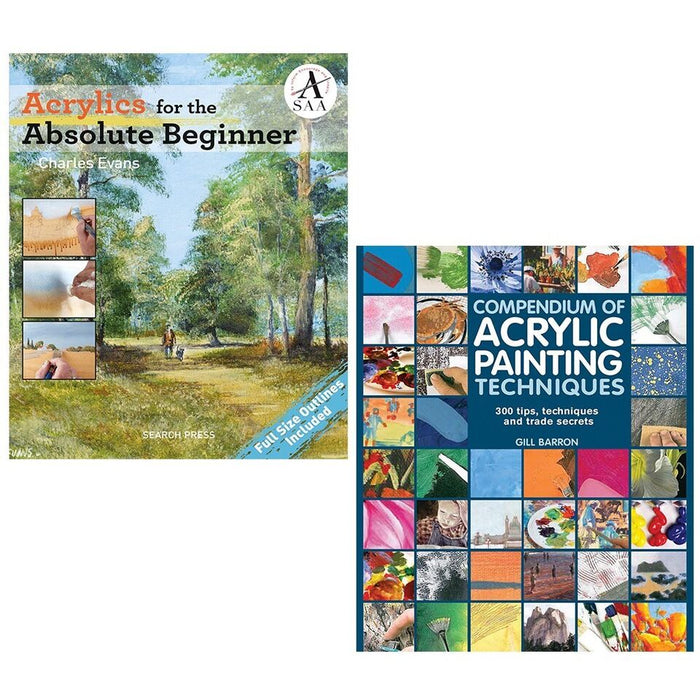
Credit: www.thebookbundle.com
Simple Projects For Practice
Starting with simple projects helps build confidence in acrylic painting. These projects focus on basic skills and creativity. They allow beginners to explore colors, shapes, and brush techniques. Practicing with easy subjects leads to better control and more fun.
Creating Abstract Shapes
Abstract shapes are a great way to practice freely. Use bold colors and simple brush strokes. Try overlapping circles, squares, or triangles. Focus on how colors mix and layer. Abstract art allows mistakes and creativity. It helps beginners learn paint flow and brush handling.
Painting Basic Landscapes
Basic landscapes teach color blending and perspective. Start with simple scenes like a sky, hills, and a tree. Use a large brush for the sky and smaller ones for details. Practice layering colors to create depth. Landscapes improve your eye for balance and composition.
Experimenting With Still Life
Still life projects improve observation and detail work. Arrange simple objects like fruits or bottles. Paint them using light and shadow to add dimension. Experiment with different colors and brush strokes. This practice helps with shapes, shading, and realism.
Mixing Colors Effectively
Mixing colors effectively is a key skill in acrylic painting. It helps create beautiful and rich artwork. Understanding how colors blend brings your paintings to life. This guide simplifies the basics of color mixing for beginners.
Primary And Secondary Colors
Primary colors are red, blue, and yellow. You cannot create these by mixing other colors. Secondary colors come from mixing two primary colors. For example, red and blue make purple. Knowing these helps you mix many other colors easily.
Creating Shades And Tints
Shades are made by adding black to a color. It makes the color darker. Tints come from adding white, making the color lighter. These techniques add depth and variety to your painting. Use them to create mood and contrast.
Avoiding Common Mixing Mistakes
Avoid mixing too many colors at once. This can make colors dull and muddy. Clean your brush before switching colors to keep shades pure. Use small amounts of paint to test mixes first. These steps help keep colors clear and vibrant.
Troubleshooting Common Issues
Troubleshooting common problems helps beginners improve their acrylic painting skills. Simple fixes can save time and reduce frustration. Understanding these issues leads to better results and more fun with painting.
Fixing Paint Cracks
Paint cracks happen when the paint layer is too thick. Thin your paint with water or acrylic medium before applying. Avoid heavy layers and let each layer dry fully. If cracks appear, sand the area gently and repaint with thinner layers.
Managing Brush Strokes
Visible brush strokes can distract from your painting. Use a soft brush and light pressure for smooth strokes. Try blending wet paint with a clean, dry brush. Practice long, even strokes for a polished look. Experiment to find the best brush for your style.
Correcting Color Mistakes
Wrong colors are easy to fix in acrylic painting. Wait for the paint to dry, then paint over the mistake. Use a light color or white to cover dark errors. Mix colors carefully before applying to avoid mistakes. Test colors on paper before painting on canvas.
Maintaining Your Tools
Taking care of your painting tools helps them last longer. It also keeps your work clean and sharp. Good tool maintenance saves money and time. It ensures your brushes and paints perform well every time.
Cleaning Brushes Properly
Clean brushes right after painting. Use warm water and mild soap. Gently rub the bristles to remove paint. Avoid hot water; it can damage brushes. Rinse until water runs clear. Shake off excess water and reshape bristles. Let brushes dry flat or upright. Proper cleaning keeps bristles soft and ready.
Storing Paints
Store acrylic paints in a cool, dry place. Keep lids tightly closed to avoid drying out. Avoid direct sunlight to prevent color changes. Use airtight containers for opened tubes or jars. Label containers with date to track freshness. Proper storage keeps paint fresh longer.
Extending Tool Life
Use brushes only for acrylic paint. Avoid mixing paints in brushes without cleaning. Do not leave brushes soaking in water. Clean palettes and tools after each use. Replace worn brushes to keep your work smooth. Caring for tools saves money and improves results.
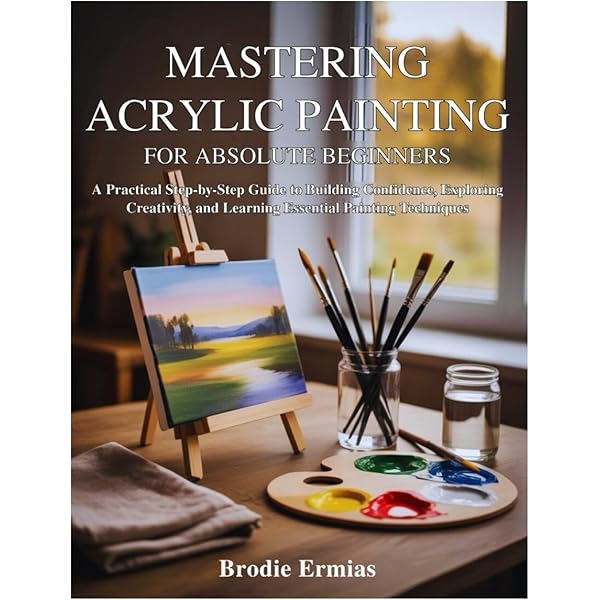
Credit: www.amazon.com
Finding Inspiration And Growth
Finding inspiration and growth is key for anyone starting with acrylic painting. It helps keep the creative energy alive and pushes skills forward. Beginners often feel stuck or unsure about what to paint next. Exploring new ideas and setting clear goals can break that cycle. Growth happens when artists open their minds to new styles and connect with others.
Exploring Different Styles
Try different painting styles to find what fits you best. Experiment with realism, abstract, or impressionism. Each style teaches you unique techniques and ways to see the world. Don’t worry about perfection at first. Focus on enjoying the process and learning. Change styles often to keep your work fresh and exciting.
Joining Art Communities
Join local or online art groups for support and feedback. Sharing your work helps build confidence and new friendships. Other artists can give tips and ideas you might not think of. Group challenges and events encourage regular painting habits. Being part of a community makes the journey less lonely and more fun.
Setting Personal Goals
Set small, clear goals for your painting practice. Goals like finishing one painting each week or trying a new technique help track progress. They keep you motivated and focused. Celebrate each goal you reach. It boosts confidence and pushes you to try harder next time.
Frequently Asked Questions
What Basic Supplies Do Beginners Need For Acrylic Painting?
Beginners need acrylic paints, brushes, canvas or paper, a palette, water, and rags. These essentials help start painting easily and affordably.
How Do I Start My First Acrylic Painting?
Begin by sketching your design lightly. Apply thin layers of paint, starting with background colors. Build details gradually for better control.
Can Acrylic Paints Be Mixed To Create New Colors?
Yes, acrylics mix well. Experiment with primary colors to create a wide range. Mixing enhances creativity and color variety in your artwork.
How Do I Clean Brushes After Acrylic Painting?
Rinse brushes immediately in water. Use mild soap if paint dries. Proper cleaning keeps brushes soft and prolongs their life.
Conclusion
Acrylic painting can be simple and fun for beginners. Start with basic tools and practice often. Use easy techniques to build your skills step by step. Don’t worry about mistakes; they help you learn. Enjoy the process and explore your creativity.
Keep your brushes clean and colors bright. Soon, painting will feel natural and relaxing. Try different styles and find what you like best. Remember, every artist began with a blank canvas. Keep painting, and you will improve with time.