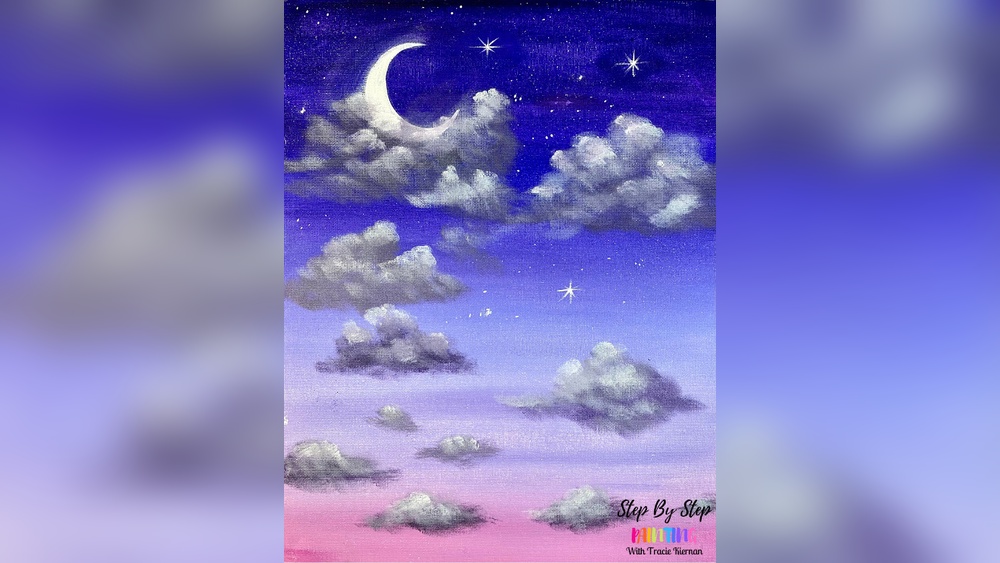
Have you ever wanted to capture the magic of a dreamy sky on your canvas but felt unsure where to start? Painting skies with acrylics doesn’t have to be complicated or intimidating.
With just a few simple techniques, you can create soft, glowing clouds and gentle color blends that bring your sky to life. Imagine standing back and seeing your own peaceful, beautiful sky—full of depth and emotion. In this guide, you’ll discover easy steps to paint a dreamy sky that feels both real and enchanting.
Ready to turn your acrylics into a window to your dreams? Let’s dive in and make your sky painting truly unforgettable.

Credit: www.youtube.com
Materials Needed
Gathering the right materials sets a strong base for painting a dreamy sky with acrylics. The quality of your tools affects how smoothly you can create soft blends and subtle color shifts. Choose paints, brushes, and tools that help you capture the sky’s natural beauty with ease and precision.
Essential Acrylic Paints
Select a palette with blues, whites, and soft pastels. Ultramarine blue works well for deep sky tones. Titanium white helps create smooth gradients and light areas. Add a touch of pink or peach for sunset effects. Avoid too many colors to keep your sky looking natural and dreamy.
Brush Selection
Use soft, round brushes for blending colors gently. Flat brushes help cover large areas quickly. Small detail brushes allow for painting subtle clouds and highlights. Choose brushes with synthetic bristles; they hold acrylic paint well and clean easily.
Additional Tools
Have a palette or mixing tray to blend colors smoothly. Use a spray bottle with water to keep paints wet longer. Paper towels or rags help wipe brushes and fix mistakes. A canvas or acrylic paper provides a good surface to practice your sky painting.
Preparing Your Canvas
Preparing your canvas is the first step to painting a dreamy sky with acrylics. A well-prepared surface helps your colors stand out and last longer. Taking time here makes painting easier and more enjoyable.
Choosing The Right Surface
Select a surface that matches your skill and style. Canvas boards are sturdy and affordable for beginners. Stretched canvases offer a classic texture and flexibility. Acrylic paper works well for practice and quick sketches. Choose a size that fits your workspace and vision.
Priming Tips
Priming seals the surface and creates a smooth base. Use gesso to cover your canvas evenly. Apply one or two thin coats with a wide brush or roller. Let each coat dry fully before adding another. Sand lightly with fine sandpaper for extra smoothness. This step prevents paint from soaking in and fading over time.
Mixing Colors
Mixing colors is a key step to create a dreamy sky in acrylic painting. The right blends bring depth and softness. Colors must flow smoothly to mimic the natural sky. Start with basic blues and add gentle changes. Small shifts in color create a beautiful gradient effect. Warm tones add life and a sense of time to your sky. Learn to mix carefully for stunning results.
Creating Gradient Blues
Begin with ultramarine or cobalt blue as your base. Mix in white gradually to lighten the shade. Use more white near the horizon for a soft glow. Blend the colors on your palette before painting. Apply the paint in horizontal strokes to keep smooth transitions. Keep colors slightly streaky for a natural look. Gradual shifts from dark to light blue create depth.
Adding Warm Tones
Introduce warm colors like peach, pink, or soft orange. Mix a small amount of red or yellow into white for subtle warmth. Dab warm tones near the horizon or where the sun sets. Use a dry brush to blend warm and cool colors gently. Warm tones give your sky a dreamy, peaceful feeling. Keep the warm colors soft to avoid harsh lines.
Painting The Base Sky
Painting the base sky sets the mood for your dreamy acrylic artwork. It creates the background that holds all other elements together.
Start with a smooth and even base to build your sky’s depth. Choose colors that blend well and reflect natural light.
Applying The Gradient Wash
Begin by mixing your sky colors, usually a light blue and white. Use a large flat brush for wide, smooth strokes. Start at the top with a stronger blue tone. Gradually add white as you move downward. This creates a soft gradient from dark to light. Work quickly while the paint is still wet. This helps colors blend naturally. Avoid pressing too hard to keep the wash even. Let the gradient dry before adding more layers.
Blending Techniques
Blending is key to a dreamy sky effect. Use a clean, dry brush to soften edges between colors. Lightly brush over the gradient in horizontal motions. You can also use a damp brush for smoother blending. Work gently to avoid disturbing the paint below. Use circular strokes for small areas that need extra blending. Keep your strokes light and consistent. This technique removes harsh lines and creates a smooth transition. Finish by stepping back and checking for balance in your sky colors.
Adding Clouds
Adding clouds to your acrylic sky painting brings softness and life to the scene. Clouds create interest and balance in your artwork. They also add a sense of depth and atmosphere that draws the viewer in.
Painting clouds can be simple and fun with the right techniques. Focus on the shapes and placement first. Then build layers to give your clouds a three-dimensional look. Follow these tips to paint clouds that look natural and dreamy.
Cloud Shapes And Placement
Start by deciding where your clouds will go. Place them unevenly for a natural look. Avoid perfect rows or symmetrical patterns. Use soft, round shapes for fluffy clouds. Mix small and large clouds to add variety.
Keep cloud edges soft. Use a dry brush or sponge to blend the paint. Let some parts fade into the sky. This gives a gentle, airy feel. Remember, clouds are light and ever-changing. Capture that by keeping shapes loose and soft.
Layering For Depth
Build your clouds by layering paint. Start with a light base color. Let it dry before adding more paint. Use thicker, brighter paint on top for highlights. This makes the clouds pop and look closer.
Add shadows with a mix of gray or blue. Place shadows under and inside clouds. This creates volume and depth. Blend edges of shadows smoothly. The layers help clouds feel real and three-dimensional.
Keep your brush strokes gentle and varied. This shows the cloud’s texture and movement. Layering colors and tones makes your sky dreamy and alive.
Enhancing The Dreamy Effect
Creating a dreamy sky with acrylics involves more than just mixing colors. Enhancing the dreamy effect brings the painting to life. It adds softness and light that feel magical. These techniques make your sky look smooth and glowing. Use gentle touches to soften edges and add subtle light glows. This section explains how to apply these effects easily and effectively.
Softening Edges
Soft edges help blend colors smoothly. Use a clean, dry brush to gently blur harsh lines. Work quickly while the paint is still wet. Lightly drag the brush over the edges to merge colors. Avoid pressing too hard to keep the softness. This method creates a natural, misty look. It makes clouds and sky appear delicate and airy.
Incorporating Light Glows
Light glows add a magical touch to your sky. Use a small brush and white or pale yellow paint. Dab lightly around bright areas like the sun or clouds. Blend the glow outward with a soft brush or sponge. Keep the glow subtle to avoid overpowering the scene. This technique creates warmth and depth. It makes your sky look like it is glowing from within.
Final Touches
Adding final touches to your acrylic sky painting brings it to life. This stage refines the mood and depth. Careful adjustments make the sky appear more realistic and dreamy.
Focus on subtle details and color harmony. These small changes can transform your work into a stunning piece.
Highlighting Details
Use a fine brush to add light strokes. Highlight where the sun touches clouds or sky edges. Soft white or pale yellow works best. These highlights create a glowing effect. Avoid harsh lines to keep a soft look. Blend gently for a natural feel. Highlights add depth and catch the viewer’s eye.
Balancing Colors
Step back and look at your painting. Check if colors feel even and smooth. Use thin washes to soften any harsh areas. Mix small amounts of your main colors to adjust tones. Balance warm and cool colors for harmony. This step ensures the sky looks peaceful and dreamy. Keep changes subtle to maintain the painting’s mood.

Credit: www.reddit.com
Common Mistakes To Avoid
Painting a dreamy sky with acrylics can be very satisfying. Yet, beginners often make simple mistakes. These errors can make your sky look less smooth or unnatural. Avoiding these common pitfalls will improve your artwork quickly.
Understanding what to watch out for saves time and frustration. It helps you create a beautiful sky with soft blends and gentle colors. Here are some frequent mistakes to avoid while painting your dreamy sky.
Using Thick Paint Without Blending
Applying thick paint without blending causes harsh edges. Acrylic dries fast, so work quickly to smooth transitions. Use a clean, dry brush or a sponge to blend colors softly. This technique creates a natural gradient in the sky.
Choosing Wrong Colors For The Sky
Using colors that clash or are too dark changes the mood. Pick soft blues, pinks, and purples for a dreamy feel. Avoid pure black or very bright colors unless for strong contrasts. Mix colors gently to keep the softness.
Ignoring The Light Source
Not considering where the light comes from can confuse the painting. Decide if the sun is rising or setting. Paint lighter colors near the light source and darker tones farther away. This adds depth and realism to your sky.
Overworking The Painting
Painting too much can ruin the smooth look of the sky. Stop once the colors blend well and the sky looks soft. Overworking causes streaks and rough textures. Let the paint dry a bit before adding more layers.
Skipping Proper Brush Cleaning
Dirty brushes mix unwanted colors and muddy your sky. Clean brushes between colors to keep hues pure. Use water and a cloth to remove paint fully. Clean brushes help maintain the dreamy effect in your sky.
Tips For Practice And Improvement
Practice helps to build skill and confidence in painting dreamy skies. Regular painting trains your hand and eye to work together smoothly.
Focus on small areas each time. Notice how colors blend and change with light. Take time to observe real skies for reference.
Keep Your Brush Strokes Loose And Light
Use soft, gentle strokes to create smooth transitions. Avoid pressing too hard with the brush. Light strokes help blend colors naturally.
Move the brush in different directions to mimic the sky’s flow. This adds depth and interest to your painting.
Experiment With Color Mixing
Try mixing different blues, pinks, and purples to find dreamy tones. Use small amounts of white to soften colors.
Test combinations on a palette before applying to your canvas. This practice helps develop a unique color style for your skies.
Practice Layering And Glazing
Build your sky in thin layers to create depth. Let each layer dry before adding another.
Use glazing techniques with diluted paint to add subtle color shifts. This method improves the softness and luminosity of the sky.
Study Light And Shadow
Look closely at how light affects clouds and sky colors. Notice where shadows fall and where light is strongest.
Practice painting these contrasts to give your sky a realistic, dreamy feel.
Use Reference Photos Regularly
Collect photos of skies you find beautiful. Use them to guide your color choices and composition.
Compare your work with your references to spot areas for improvement. This helps refine your skills over time.

Credit: www.amazon.com
Frequently Asked Questions
How To Paint A Vibrant Sky?
Use ultramarine blue mixed with white for a smooth gradient. Blend colors softly, allowing streaks for realism. Layer shades to add depth and vibrancy.
What Is The Best Acrylic Color For The Sky?
Ultramarine blue mixed with white creates the best acrylic sky color. It offers a natural, vibrant gradient effect. Use a red-toned blue for a warmer, more realistic sky. Blend gently for a soft, dreamy look.
How To Paint Clouds In Acrylic For Beginners?
Start with a blue background using gradient shades. Use white and light gray to shape clouds with a soft brush. Blend edges gently for a fluffy look. Add highlights and shadows for depth. Practice layering thin acrylic strokes to achieve realism.
How To Make Your Art Look Dreamy?
Use soft, blended colors and gentle brush strokes to create a hazy, ethereal effect. Add light glows and subtle gradients for depth. Incorporate pastel tones and diffuse edges to enhance dreaminess. Layer translucent washes and avoid harsh lines to maintain softness.
Conclusion
Painting a dreamy sky with acrylics brings joy and calm. Start with simple colors and soft blending. Use light strokes to create smooth transitions. Remember, patience helps your sky look natural. Practice often to improve your skills. Enjoy each step of your creative journey.
Your dreamy sky will brighten any space. Keep exploring and have fun with your art!