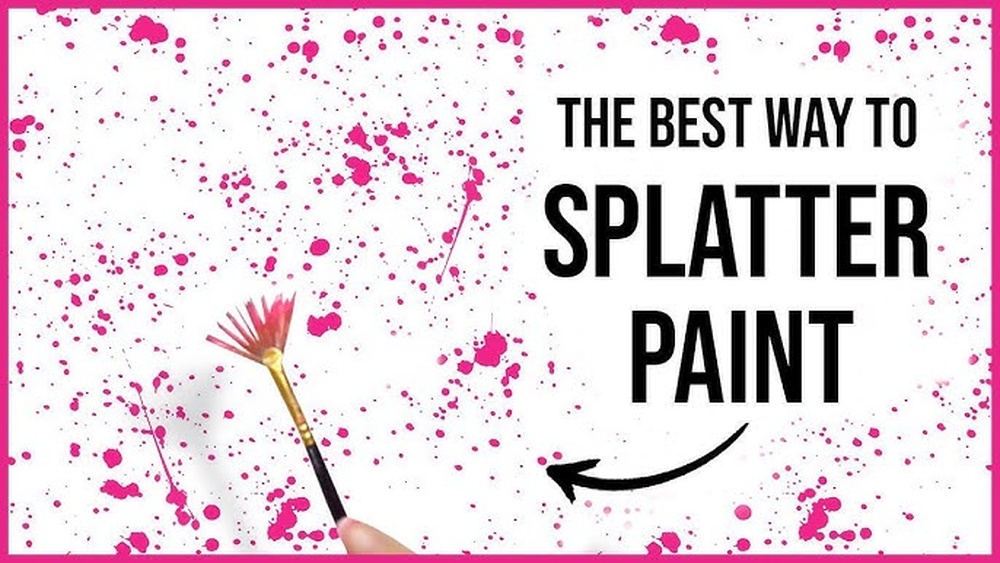
Are you ready to add a burst of energy and creativity to your acrylic paintings? Splatter painting with acrylics is a fun and exciting technique that can transform your artwork with vibrant, random patterns that bring life to any canvas.
Whether you want to create dynamic backgrounds or bold abstract effects, learning how to do splatter painting with acrylics will open up a whole new world of artistic possibilities. In this guide, you’ll discover simple, step-by-step tips to master the splatter technique easily and cleanly.
Get ready to unleash your inner artist and make your paintings stand out like never before!

Credit: novacolorpaint.com
Materials Needed
Before you start splatter painting with acrylics, gather the right materials. Using proper supplies helps you create the best effects. It also keeps your workspace clean and safe.
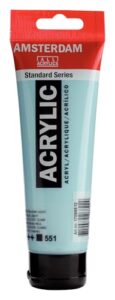
Choosing Acrylic Paints
Pick acrylic paints that have bright and strong colors. Thinner paints work better for splattering. You can mix paint with water to make it more liquid. Avoid thick paints because they won’t splatter well.
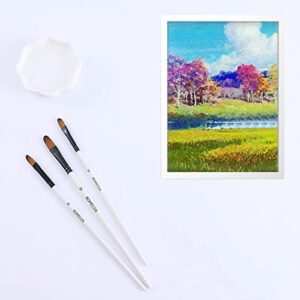
Selecting Brushes And Tools
Use old brushes or cheap ones for splattering. Different sizes create different splatter effects. Stiff bristle brushes flick paint better. You can also try toothbrushes, sponges, or sticks. These tools add variety to your artwork.
Preparing Your Workspace
Cover your workspace with newspapers or plastic sheets. Splatter painting is messy, so protect surfaces and floors. Wear old clothes or an apron to avoid stains. Keep a cup of water and paper towels nearby for cleaning.

Credit: www.wikihow.com
Preparing Paint For Splattering
Preparing paint for splattering is a key step in creating dynamic acrylic art. Proper preparation ensures the paint splatters easily and forms interesting patterns. It also helps control the size and shape of splatters on your canvas.
Mixing Paint With Water Or Medium
Begin by adding water or an acrylic medium to your paint. Use a small amount at first to avoid thinning the paint too much. Water thins the paint and helps it flow better from your brush.
Pour a few drops of water or medium into your paint on a palette. Stir gently with a brush or stick. The paint should be runny but still hold some color intensity. This balance is important for effective splattering.
Adjusting Paint Consistency
Test the paint by flicking it onto a scrap paper. If the paint is too thick, it won’t splatter well. Add more water or medium in small amounts to loosen it.
If the paint becomes too watery, it will drip instead of splatter. Aim for a smooth, liquid texture that can jump off your brush. Adjust slowly until you find the perfect consistency for your style.
Selecting Color Combinations
Choose colors that contrast or complement each other for striking effects. Bright colors stand out on dark backgrounds and vice versa. Consider the mood you want to create with your splatters.
Try mixing a few colors before splattering to see how they blend. Using a limited color palette often gives a cleaner, more focused look. Experiment with combinations to find what fits your vision best.
Basic Splatter Techniques
Basic splatter techniques