Oil Painting For Beginners: What To Buy
Starting your journey with oil painting can feel exciting and confusing at the same time. Many beginners wonder, “What do I really need? ” The art shop is full of supplies, but not all are necessary. You want tools that make learning easy, not overwhelming.
This guide helps you find exactly what you need as a beginner oil painter—so you can focus on creating, not shopping.
Essential Oil Painting Supplies
Choosing the right materials is important for both your results and your enjoyment. With smart choices, you’ll avoid common problems like muddy colors or frustration with cheap brushes. Let’s look at the must-have items.
Paints: Student Vs. Artist Quality
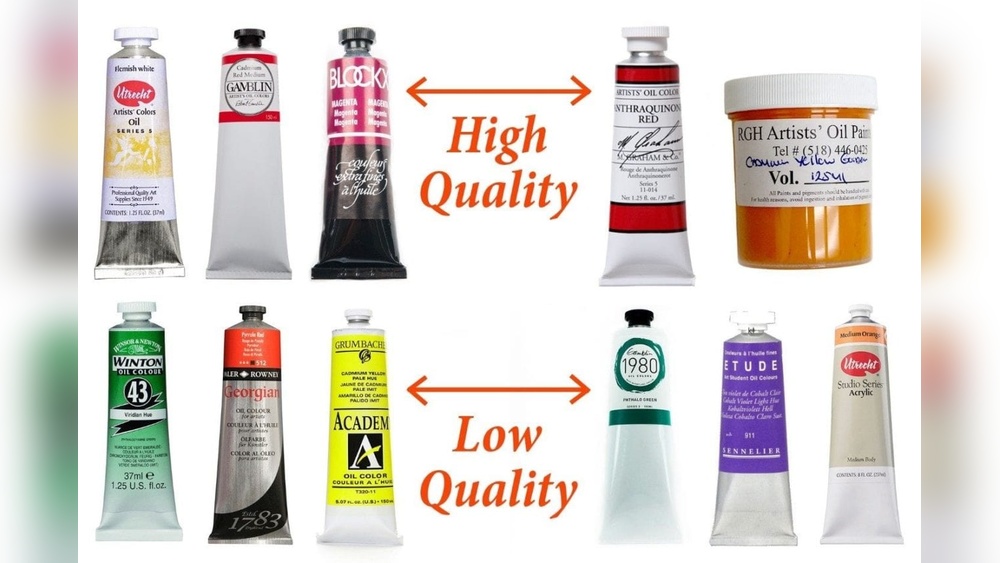
Oil paints come in two main grades: student and artist quality. Artist paints have more pigment and richer color, but they cost more. For beginners, student-grade paints are usually fine. They let you experiment without spending too much.
Here’s a comparison of popular starter brands:
| Brand | Grade | Price (Set) | Color Quality |
|---|---|---|---|
| Winsor & Newton | Student | $25-40 | Good |
| Rembrandt | Artist | $50-100 | Excellent |
| Gamblin | Student | $30-50 | Good |
Start with a basic set of 6–10 colors. You don’t need every shade. Choose primary colors, white, black, and earth tones. Many beginners buy too many colors, which can make mixing confusing.
Brushes: Types And Sizes
Brushes are critical for oil painting. Cheap brushes shed hairs and make painting harder. Invest in medium-quality brushes—not the most expensive, but not the cheapest.
You need brushes in different shapes:
- Flat – For broad strokes and blending
- Round – For detail and lines
- Filbert – For soft edges and curves
- Fan – For texture and effects
A beginner’s set usually has 5–8 brushes. Sizes range from small (#2) to large (#12). Synthetic brushes work well for oil paint and are easier to clean than natural hair.
Painting Surfaces: Canvas Vs. Alternatives
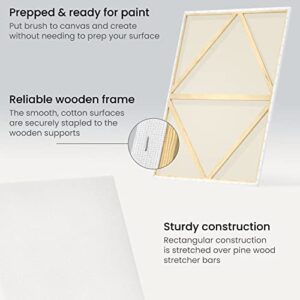
The classic surface is stretched canvas. However, canvas boards and paper are cheaper and good for practice. Choose pre-primed surfaces so you don’t have to add primer yourself.
Here’s a quick comparison:
| Surface | Price (per piece) | Durability | Recommended for Beginners? |
|---|---|---|---|
| Stretched Canvas | $8-20 | High | Yes |
| Canvas Board | $3-8 | Medium | Yes |
| Oil Painting Paper | $1-5 | Low | Yes (for practice) |
Buy a few small canvases or boards (8″x10″ or 9″x12″) to start. Large surfaces use more paint and take longer to finish.
Palette: Mixing Made Simple
You need a palette to mix colors. Wooden palettes are classic but need oiling. Plastic palettes are lighter and easier to clean. Some artists use disposable paper palettes, which are convenient and save cleanup time.
Choose a palette with enough space—about 12″x16″ is ideal.
Palette Knives: Mixing And Effects
A palette knife helps you mix paint on your palette and apply interesting textures to your canvas. Buy one or two—metal knives are best. Look for a rounded tip and a comfortable grip.
Mediums: Adjusting Paint Texture
Oil painting mediums change the paint’s thickness, drying time, and finish. For beginners, start with:
- Linseed oil: Makes paint smoother and glossier
- Turpentine or odorless mineral spirits: Thins paint and cleans brushes
Use mediums sparingly. Too much can make paint sticky or cause problems with drying.
Cleaning Supplies
Oil painting requires careful cleaning. You’ll need:
- Odorless mineral spirits for brush cleaning
- Soap (gentle hand soap or brush soap)
- Rags or paper towels to wipe brushes
Never pour mineral spirits down the drain. Let paint settle, then pour off clean spirits to reuse.
Easels: Do You Need One?
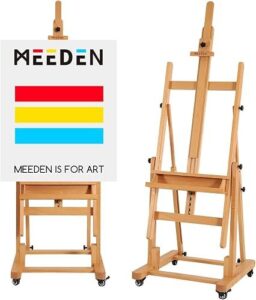
An easel holds your canvas upright. Tabletop easels are affordable (about $20–$40) and work well for small canvases. Floor easels are better for larger work, but not essential at first.
If you don’t have an easel, you can paint flat on a table, but it’s less comfortable for your back and arms.
Other Useful Tools
Some extra items make painting easier:
- Apron or old shirt to protect clothes
- Gloves (optional) for sensitive skin
- Charcoal or pencil for sketching outlines
- Sealant or varnish for finished paintings (not needed right away)
How To Choose Quality Over Quantity
Buying too many supplies can be a trap. Beginners often fill their studio with tools they rarely use. Focus on quality basics—a good brush, reliable paints, and a solid surface.
What Matters Most
- Paints: Choose brands known for stable colors.
- Brushes: Avoid bargain packs that shed.
- Canvas: Pre-primed saves time and ensures paint sticks well.
Common Mistakes
- Buying large sets of cheap paints—colors look weak and muddy.
- Using brushes meant for acrylics or watercolors—they don’t handle oil paint well.
- Picking unprimed canvas—you’ll struggle with paint soaking in.

Credit: www.reddit.com
Budget Planning For Beginners
Oil painting can be expensive, but you can keep costs down. Here’s a typical budget for basic supplies:
| Item | Average Cost |
|---|---|
| Student-grade paint set | $30 |
| Brush set (5–8 brushes) | $25 |
| Canvas boards (5 pieces) | $25 |
| Palette | $10 |
| Palette knife | $7 |
| Mediums & cleaning supplies | $18 |
| Tabletop easel | $30 |
Total: $145 (approximate). You don’t need to buy everything at once. Start with paint, brushes, and a canvas, then add extras as you learn.
Practical Tips For Buying Supplies
- Test before buying: If possible, try brushes or paints at the store.
- Read reviews: Look for feedback from beginners, not just professionals.
- Buy small quantities: Start with small tubes and small canvases.
- Shop sales: Art stores often offer discounts for beginners.
- Avoid “all-in-one” kits: These often have low-quality items.
Non-obvious insight: Many beginners ignore the importance of palette knives and mixing. Using a knife keeps colors clean and prevents muddy results. Another common oversight: surface size. Small canvases help you finish projects faster, which builds confidence.

Credit: www.reddit.com
Where To Buy Oil Painting Supplies
Most art stores have beginner sets. Online shopping offers better prices and reviews. Look for stores that specialize in art supplies, not general craft shops.
A reliable source for painting materials is Dick Blick Art Materials. They offer both student and artist-grade products, plus reviews and guides.
Building Your Starter Kit: A Simple Checklist
To sum up, your beginner oil painting kit should include:
- 6–10 tubes of student-grade oil paint
- 5–8 synthetic brushes (flat, round, filbert, fan)
- 2–3 small pre-primed canvases or boards
- One palette (plastic or paper)
- One palette knife (metal)
- Linseed oil and odorless mineral spirits
- Rags, soap, and paper towels
- Tabletop easel (optional)
- Old clothes or apron
Everything else can wait until you gain more experience.
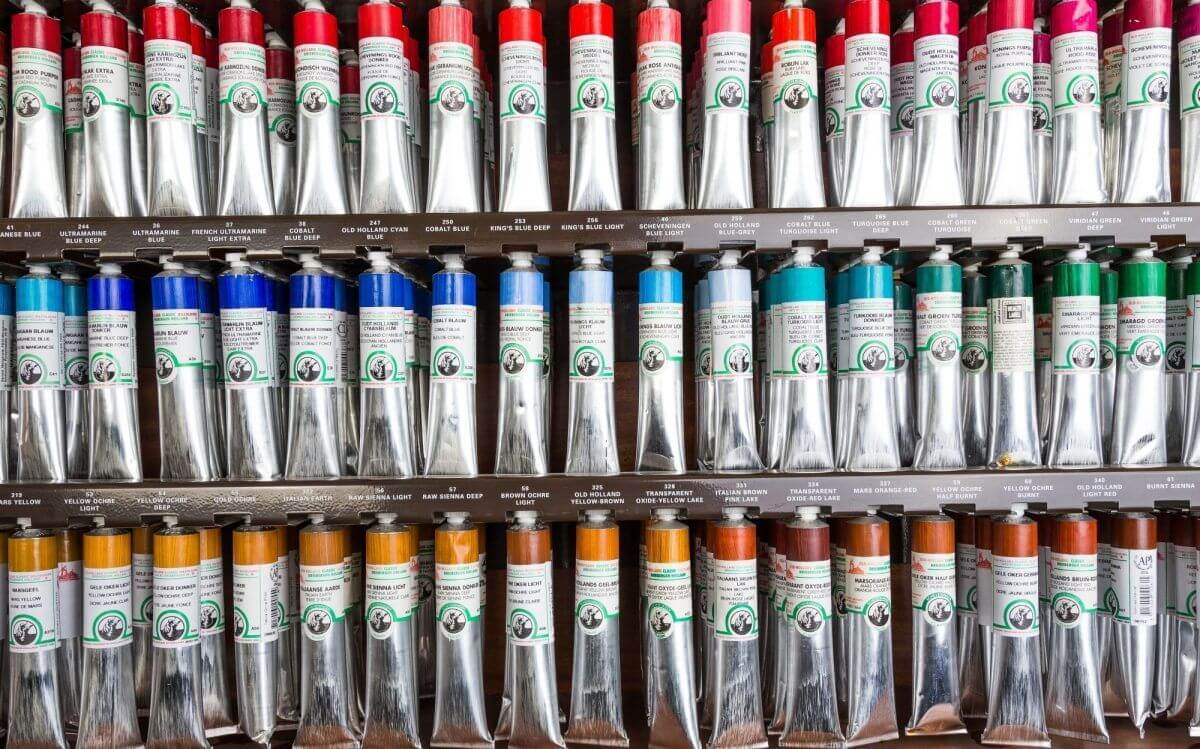
Credit: evolveartist.com
Frequently Asked Questions
What Is The Best Oil Paint Brand For Beginners?
Winsor & Newton and Gamblin are popular brands for student-grade oil paints. They offer strong colors, easy mixing, and affordable prices. Avoid unknown brands with very low prices—colors may fade or look dull.
Do I Need To Buy A Lot Of Colors?
No. Start with primary colors (red, blue, yellow), white, black, and a few earth tones (brown, ochre). You can mix many shades from these. Buying too many colors can confuse you and waste money.
How Do I Clean Oil Paint Brushes?
Use odorless mineral spirits to remove most paint, then wash with gentle soap and warm water. Never leave brushes soaking for long—it damages the bristles. Dry brushes flat to keep their shape.
Can I Use Acrylic Brushes For Oil Painting?
It’s better to use brushes made for oil paints. Acrylic brushes are often too soft and don’t hold thick oil paint well. Synthetic brushes designed for oil painting are best for beginners—they’re tough and easy to clean.
Is Oil Painting Safe For Beginners?
Oil painting is safe if you use ventilated spaces and handle solvents carefully. Avoid skin contact with paint and solvents. Wear gloves if you have sensitive skin, and never eat or drink near your painting area.
Starting oil painting is about learning by doing. Buy only what you need, and focus on quality basics. As you gain experience, you’ll discover which tools suit your style. The right supplies make painting more enjoyable and help you grow as an artist.