

PaintingProGuide is reader-supported. When you buy through links on this page we may earn an affiliate commission at no extra cost to you.
Starting oil painting is less about finding the “best” paint and more about avoiding a frustrating first experience. The best oil paints for beginners mix smoothly, come in a sensible range of colors, are honest about quality, and do not cost so much that you hesitate to use them generously. Student-grade sets from reputable brands are the sweet spot: good enough to learn real technique, affordable enough to practice often.
This guide recommends six paint sets and kits from current listings plus one beginner book, then covers the extra supplies you need and a simple first-session routine.
Quick answer: For most beginners, Winsor & Newton Winton Oil Color Basic Set (10 x 21 ml) is the safest first purchase: a well-known student range described as lightfast, permanent and intermixable with other brands. If you have no supplies at all, the Norberg & Linden XXL Oil Paint Set adds 25 brushes, a metal palette and a canvas panel to 24 paints. On a tight budget, the MEEDEN 12 x 22 ml set is AP and ASTM D-4236 certified with larger tubes than most budget sets.
What Beginners Actually Need
Oil painting needs a few things beyond paint:
- Paint: a set with a white, a warm and cool version of each primary, and a few earth colors.
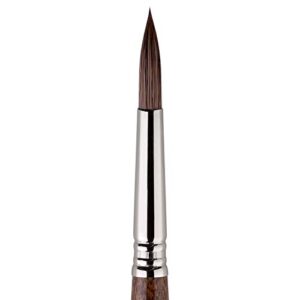
- Brushes: hog bristle or stiff synthetic flats and filberts in a few sizes, plus a small round.
- Surface: canvas panels or a primed canvas.
- Medium and solvent: odorless mineral spirits for cleaning (or a solvent-free oil method), and optionally a painting medium.
- Palette and palette knife: for mixing.
- Rags or paper towels: you will use a lot.
- Ventilation: important whenever solvents are used.
All-in-one kits cover several of these. Paint-only sets assume you will buy the rest.
Student vs Artist Grade
Student-grade oils, like Winsor & Newton Winton, typically use more affordable pigments and may include fillers, which keeps the cost down. Artist-grade paints usually have higher pigment loads and more single-pigment colors. For beginners, student grade is the right call: you will use more paint learning than you will on finished masterpieces. A common upgrade path is to buy artist-grade white first, since white goes into most mixtures.
Our Top Picks at a Glance
- Winsor & Newton Winton Oil Color Basic Set, 10 x 21 ml — Best for most beginners
- Norberg & Linden XXL Oil Paint Set — Best for starting from zero supplies
- MEEDEN Oil Paint Set, 12 x 22 ml — Best for budget beginners who want certification
- Ohuhu Oil Paint Set, 24 Colors — Best for color variety at a low tier
- Magicfly Oil Paint Set, 40 x 18 ml — Best for experimenting with many colors
- RoseArt Premium Oil Paint Set, 24 Colors — Best for the lowest-cost trial set
- The Beginner’s Guide to Oil Painting (Craig Stephens) — Best for learning through simple projects
| Product | Best For | Key Spec | Key Strength | Price Tier |
|---|---|---|---|---|
| Winsor & Newton Winton Oil Color Basic Set, 10 x 21 ml | Most beginners | 10 colors x 21 ml tubes | Lightfast, permanent, intermixable with other brands | $$ |
| Norberg & Linden XXL Oil Paint Set | Starting from zero supplies | 24 x 12 ml paints, 25 brushes, metal palette, 8×10 canvas | Bristle, nylon and foam brushes included | $$ |
| MEEDEN Oil Paint Set, 12 x 22 ml | Budget beginners who want certification | 12 colors x 22 ml, glossy finish | AP and ASTM D-4236 certified; finely ground | $$ |
| Ohuhu Oil Paint Set, 24 Colors | Color variety at a low tier | 24 colors x 12 ml | Includes earths, several blues and flesh tint | $$ |
| Magicfly Oil Paint Set, 40 x 18 ml | Experimenting with many colors | 40 colors x 18 ml, incl. gold, silver, 2 extra whites | Large color count with extra white | $$ |
| RoseArt Premium Oil Paint Set, 24 Colors | The lowest-cost trial set | 24 x 0.4 oz (12 ml) tubes | Includes Payne’s grey, umbers and titanium white | $ |
| The Beginner’s Guide to Oil Painting (Craig Stephens) | Learning through simple projects | Paperback, still life projects | Project-based approach to the basics | $$ |
How We Chose
These picks come from Amazon listing details and specifications checked in October 2026; we have not painted with them ourselves. We compared brand reputation in student ranges, tube size, color selection, included tools, stated certifications and value for practice, and gave weight to products widely reviewed by Amazon buyers. The book was chosen for its stated beginner focus and project-based structure.
What we prioritized:
- Reliable student-grade formulation from established brands.
- Tube size: 20 ml or more per color is better for practice.
- Color selection: useful primaries, white and earths.
- Completeness: brushes, palette and canvas for true starters.
- Safety statements: AP or ASTM D-4236 where listed.
Best Oil Paints for Beginners Reviewed
1. Winsor & Newton Winton Oil Color Basic Set, 10 x 21 ml — Best for most beginners

Winton is Winsor & Newton’s student oil range, widely used by beginners and art students. The listing describes individually formulated colors, high-quality oil colors at a moderate price, and paint that is lightfast, permanent and intermixable with other brands, in convenient 21 ml tubes.
Ten colors is a sensible starting palette. Fewer colors means you learn mixing from day one, and 21 ml tubes are nearly twice the size of the 12 ml tubes in many budget sets.
Best suited for: Beginners who already have brushes and canvases, art students and anyone wanting a trusted brand.
Key features:
- 10 colors x 21 ml
- Student-grade range from an established brand
- Lightfast and permanent
- Intermixable with other brands
Pros:
- Reputable student paint
- Larger tubes than budget sets
- Easy to replace individual colors later
Cons and limitations:
- No brushes or canvas
- Higher price tier than budget sets
Buying consideration: Replace white with a larger tube as soon as it runs low. It will empty several times faster than the other colors.
2. Norberg & Linden XXL Oil Paint Set — Best for starting from zero supplies

If you own nothing yet, this kit is the shortcut. It includes 24 oil paint tubes (12 ml each) covering primaries, earth tones, blues, greens and skin-tone shades, 25 brushes in assorted sizes (bristle, nylon and foam), a metal palette and an 8×10-inch stretched canvas panel.
Twenty-five brushes is more than most beginners need, but the mix of bristle and nylon lets you discover which brush types suit your style.
Best suited for: Complete beginners, gifts and anyone who wants to try oils without assembling a kit piece by piece.
Key features:
- 24 oil colors x 12 ml
- 25 brushes (bristle, nylon, foam)
- Metal palette
- 8×10 in. canvas panel
Pros:
- Everything to start in one box
- Brush variety for experimenting
- Includes earth and skin tones
Cons and limitations:
- Small 12 ml tubes
- Only one canvas included
Buying consideration: Add a few extra canvas panels and a solvent or oil for cleaning. Those are the two things you will run out of first.
3. MEEDEN Oil Paint Set, 12 x 22 ml — Best for budget beginners who want certification

MEEDEN’s 12-color set offers 22 ml tubes, larger than most budget competitors. The listing says pigments are ground to particles under 35 micrometers for a buttery consistency and clarity, and that the set suits learning color theory and techniques like wet-into-wet, layering and glazing.
It is certified to AP and ASTM D-4236 standards and described as solvent-free and acid-free, with a glossy finish.
Best suited for: Budget-conscious beginners, color mixing practice and painters who want clear safety certification.
Key features:
- 12 colors x 22 ml
- Finely ground pigment
- AP and ASTM D-4236
- Glossy finish
Pros:
- Large tubes at a low-mid tier
- Clear certifications
- Good mixing palette size
Cons and limitations:
- No tools included
- Fewer colors than larger sets
Buying consideration: Use this set to work through basic exercises: value scales, color mixing charts and simple still lifes.
4. Ohuhu Oil Paint Set, 24 Colors — Best for color variety at a low tier

Ohuhu’s set gives 24 colors in 12 ml tubes, including titanium white, lemon and medium yellow, yellow ochre, a flesh tint, several reds, Prussian, cobalt, ultramarine and cerulean blues, greens, violet and burnt sienna. The listing describes paint that glides smoothly and is non-toxic.
It suits beginners who want to see many colors before deciding which to buy in larger tubes later.
Best suited for: Exploring colors, landscape practice and small studies.
Key features:
- 24 colors x 12 ml
- Wide range of blues and greens
- Includes earths and white
- Listed as non-toxic
Pros:
- Lots of colors for the price
- Good for landscapes
- Portable
Cons and limitations:
- Small tubes, especially white
- Student-level pigment strength
Buying consideration: Buy a separate large white tube. Twelve milliliters of white disappears in one or two paintings.
5. Magicfly Oil Paint Set, 40 x 18 ml — Best for experimenting with many colors

Magicfly offers 40 colors in 18 ml tubes, including primaries, metallic gold and silver, and two extra white tubes. The listing describes richly pigmented, thick, creamy paint that conforms to ASTM D-4236.
For beginners who enjoy exploring color, it removes the need to mix every hue, and the extra whites address the most common shortage.
Best suited for: Color-loving beginners, decorative wall art and abstract experiments.
Key features:
- 40 colors x 18 ml
- Metallic gold and silver
- 2 extra white tubes
- ASTM D-4236
Pros:
- Huge color range
- Extra white included
- Larger tubes than 12 ml sets
Cons and limitations:
- Many colors can delay learning to mix
- Higher price tier among budget sets
Buying consideration: Pick 8 to 10 colors for your first paintings and leave the rest in the box until you are comfortable mixing.
6. RoseArt Premium Oil Paint Set, 24 Colors — Best for the lowest-cost trial set

RoseArt’s 24-tube set is the least expensive here. The listing describes a rich, buttery texture and good coverage on canvas, wood and paper, with colors including yellow ochre, vermilion, cadmium red, alizarin rose, titanium white, black, burnt and raw umber, burnt sienna, Payne’s grey, cobalt and ultramarine blue.
Note that one bullet on the listing refers to acrylic paint while the title and details say oil, so check the tube labels on arrival.
Best suited for: Trying oils for the first time, practice studies and budget gifts.
Key features:
- 24 colors x 12 ml
- Includes earth colors and Payne’s grey
- Semi-gloss finish
- Listed as non-toxic
Pros:
- Lowest price tier
- Useful color list
- Good for experimenting
Cons and limitations:
- Small tubes
- Listing contains a conflicting acrylic reference
Buying consideration: Treat this as a practice set. If you enjoy oils, upgrade to a student range like Winton for better consistency.
7. The Beginner’s Guide to Oil Painting (Craig Stephens) — Best for learning through simple projects

Paint is only half the equation. Craig Stephens’ book, as its title says, uses simple still life projects to help beginners master the basics. Still life is a smart starting subject: you control the lighting, the objects do not move, and you can take as long as you need.
A project-based book gives structure to early practice, which helps beginners avoid jumping between subjects without improving.
Best suited for: Self-taught beginners who want a structured path.
Key features:
- Paperback guide
- Simple still life projects
- Beginner focus
- Builds basic skills
Pros:
- Clear learning structure
- Still life is an ideal first subject
- Low price tier
Cons and limitations:
- Book only
- Still life focus may not suit landscape-first learners
Buying consideration: Set up the same objects from each project at home. Painting from life teaches far more than copying a photo.
Your First Oil Painting Session
- Set up near ventilation and cover your table.
- Squeeze out small amounts of white, yellow, red, blue and an earth color around the edge of the palette.
- Tone the canvas with a thin wash of burnt sienna or a mix thinned with a little solvent.
- Sketch the big shapes with a small brush and thin paint.
- Block in darks first, then mid-tones, then lights, keeping early layers thin.
- Add thicker paint and highlights last (the “fat over lean” principle).
- Clean brushes with solvent or oil, then soap and water.
Buying Guide: How to Choose Oil Paints for Beginners
Choose a trusted student brand
Student ranges from established brands offer consistent quality at a manageable cost. They are the best foundation for learning.
Prioritize tube size over color count
Larger tubes let you practice freely. Ten 21 ml tubes are often more useful than 40 small ones.
Make sure you have a good white
White goes into most mixes. Buy a large tube separately if your set’s white is small.
Decide kit or paint only
If you have no brushes, palette or canvas, a kit saves time. If you already own tools, put the budget into better paint.
Check safety information
AP and ASTM D-4236 certifications indicate proper labeling. Solvents need separate care and ventilation.
Plan for drying time
Oil paint dries slowly, often days for thin layers. That is a benefit for blending, but plan sessions accordingly.
Add a beginner book or course
Structure accelerates learning. A project-based book is an inexpensive way to get it.
Learn Oil Painting Step by Step
Start with our guide on how to start oil painting as a beginner, then try beginner-friendly subjects: painting trees in oils, painting water in oil and painting a rose in oil. For your first still life, follow our step-by-step still life guide.
Common Mistakes to Avoid
- Buying the biggest set. More colors can slow learning to mix.
- Using too much solvent. Over-thinned paint becomes weak and dull.
- Painting thick too early. Keep early layers lean; save thick paint for the end.
- Skipping ventilation. Solvent fumes should not build up indoors.
- Overblending. Muddy colors come from overworking; place strokes and leave them.
- Not cleaning brushes properly. Dried oil ruins brushes.
FAQs
What oil paint should a beginner buy?
A student-grade set from an established brand, such as Winsor & Newton Winton, is a reliable start. Choose a set with a good white, warm and cool primaries and a few earth colors.
Are cheap oil paints OK for beginners?
Budget sets are fine for experimenting and practice. As you improve, upgrading to a student-grade range improves consistency and pigment strength.
Do I need solvent to oil paint?
Many painters use odorless mineral spirits for thinning and cleaning, but you can paint without solvent by using oil for cleaning and painting thinly. Ventilation is important if you use solvents.
How long does oil paint take to dry?
Thin layers are often touch-dry in a few days, while thick paint can take much longer. Drying time varies with pigment, thickness, temperature and humidity.
Is oil painting harder than acrylic?
Not necessarily. Oils stay wet longer, which makes blending easier, but they require solvents or oil cleanup and patience with drying. Many beginners find oils forgiving to blend.
What should I paint first in oils?
A simple still life with one or two objects and a single light source is a classic first subject. It teaches values, shapes and edges without time pressure.
Final Recommendation
Choose the Winsor & Newton Winton Basic Set if you want a dependable student paint and already have tools. Pick the Norberg & Linden XXL kit if you are starting from nothing, and the MEEDEN set for certified, larger tubes at a budget tier. Ohuhu, Magicfly and RoseArt suit color exploration and low-cost trials. Pair any of them with Craig Stephens’ beginner guide for a structured start.


2 Comments