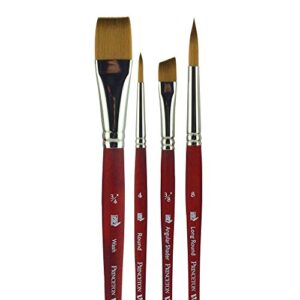
Choosing the right paint brush grip makes painting crafts easier and more comfortable. Good grips help control brush movements and reduce hand fatigue. When looking for the best paint brush grips, consider comfort and precision to enhance your painting experience.
Painting crafts require precision and steady hands. Many brushes come with different grips to suit various painting styles and hand sizes. Soft foam grips provide comfort during long painting sessions. Ergonomic handles offer better control and reduce strain. Some brush sets include a variety of brush shapes and sizes for different techniques.
Whether you paint with acrylics“>paint with acrylics, watercolors, or oils, the right grip improves your artwork quality. Beginners and experienced painters both benefit from using brushes with good grips. This guide covers top paint brush grips that make crafting more enjoyable and effective. Choose grips that fit your hands well and match your painting needs.
Top Paint Brush Grips for Crafting
Royal & Langnickel Crafter’s Choice Flat Taklon Variety Brush Set

The Royal & Langnickel Crafter’s Choice Flat Taklon Variety Brush Set is ideal for both beginners and experienced artists who seek a reliable and versatile collection of brushes for various painting projects. Whether you’re working with acrylics, watercolors, or other mediums, this set offers a range of sizes to suit detailed work and broader strokes, making it perfect for hobbyists, students, and professional crafters alike.
Pros:
- Includes 7 different flat taklon brushes for versatility in painting techniques
- Made by the trusted Royal & Langnickel brand, ensuring quality and durability
- Lightweight and easy to handle with dimensions designed for comfort (Height: 0.5″, Width: 4.0″, Length: 9.0″)
- Brushes feature synthetic taklon bristles that are easy to clean and maintain
- Suitable for various paint types including acrylic and watercolor
Cons:
- Brushes may wear out faster with heavy, professional use compared to natural hair brushes
- Limited to flat brush shapes, lacking other shapes like round or filbert for more specialized techniques
- White bristles may show stains from paint, requiring more frequent cleaning
The Royal & Langnickel Crafter’s Choice Flat Taklon Variety Brush Set features high-quality synthetic taklon bristles designed to mimic the performance of natural hair brushes while offering increased durability and easy cleaning. The variety of flat brushes in this set allows artists to achieve crisp edges, bold strokes, and smooth blending, providing great control and precision in their artwork. The lightweight design and comfortable handle dimensions make these brushes easy to maneuver during extended painting sessions.
Additionally, the versatility of the set makes it an excellent choice for multiple painting mediums, including acrylics and watercolors. The synthetic bristles are resilient against wear and maintain their shape well, offering long-term value for casual painters and crafters. Overall, this brush set is a practical and affordable option for those looking to enhance their creative projects with reliable and easy-to-use tools.
To buy this product, click here.
Comprehensive Brush Sets for Every Artist
15pcs Paint Brushes Value Pack
Why Grip Changes What You Can Paint
How you hold a brush determines which joints move, and which joints move determines the kind of mark you can make. Gripped like a pen, close to the ferrule, the movement comes from the fingers and wrist: precise, small and good for detail, but it locks you into tight work and tires the hand quickly. Held further back, in an overhand or underhand grip, the movement comes from the elbow and shoulder, which produces longer, looser and more confident strokes.
Most beginners hold every brush like a pencil, which is why their paintings are tight and their hands ache after an hour. Simply moving the grip back along the handle for the blocking in stage changes the character of the work immediately, and it costs nothing.
Choosing and Using Brush Grips
Who they help most
Grips are genuinely useful for painters with arthritis, hand tremor, reduced grip strength or repetitive strain, and for anyone who paints for long sessions. A thicker barrel requires less pinch force to control, which is the main source of fatigue in the hand.
Barrel diameter matters more than material
The single biggest factor is how thick the grip makes the handle. Too thin and you squeeze; too thick and you lose fine control. If possible, try a grip before committing to a set, and note that the ideal thickness differs between detail work and blocking in.
Material and texture
Silicone and soft rubber grip well and stay comfortable in a warm hand, but they attract dust and can degrade with solvent exposure. Foam is cheapest and compresses over time. Moulded plastic grips are hard wearing and least comfortable. For oil painters using solvents, check chemical resistance.
Removable versus permanent
Slip on grips move between brushes and can be washed separately, which is more practical than it sounds since you only need two or three for the brushes in use. Grips moulded onto a handle mean buying a whole new brush.
Ergonomic handles as an alternative
Some brushes are sold with triangular or contoured handles designed for the same purpose. If you know you want the feature permanently, these are neater than an add on grip, and they balance better because the weight is designed in.
Looking After Your Hands as Well as Your Brushes
Vary the grip through a session rather than holding one position for an hour. Alternate between the pen grip for detail and an overhand grip for larger passages, and let the shoulder do the work whenever the mark allows it. Painting at an easel rather than flat on a table also helps, because a raised surface keeps the wrist in a more neutral position.
Stop and stretch the fingers and forearm every twenty or thirty minutes. If you get numbness, persistent aching or tingling, that is worth taking seriously rather than working through; a hand specialist will have far more useful advice than a thicker grip.
Frequently Asked Questions
Do paint brush grips actually help?
Yes, particularly for arthritis, tremor, reduced grip strength or long sessions. A thicker barrel needs less pinch force, and pinch force is what tires the hand.
How should I hold a paint brush?
Close to the ferrule like a pen for detail, and further back with an overhand grip for larger, looser strokes. Holding every brush like a pencil is why beginner paintings look tight and why hands ache.
What material is best for a brush grip?
Silicone or soft rubber for comfort, though they attract dust and can degrade with solvents. Check chemical resistance if you paint in oils with mineral spirits.
Should I buy brushes with ergonomic handles instead?
If you want the feature permanently, yes. They balance better because the weight is designed in, whereas slip on grips have the advantage of moving between brushes.