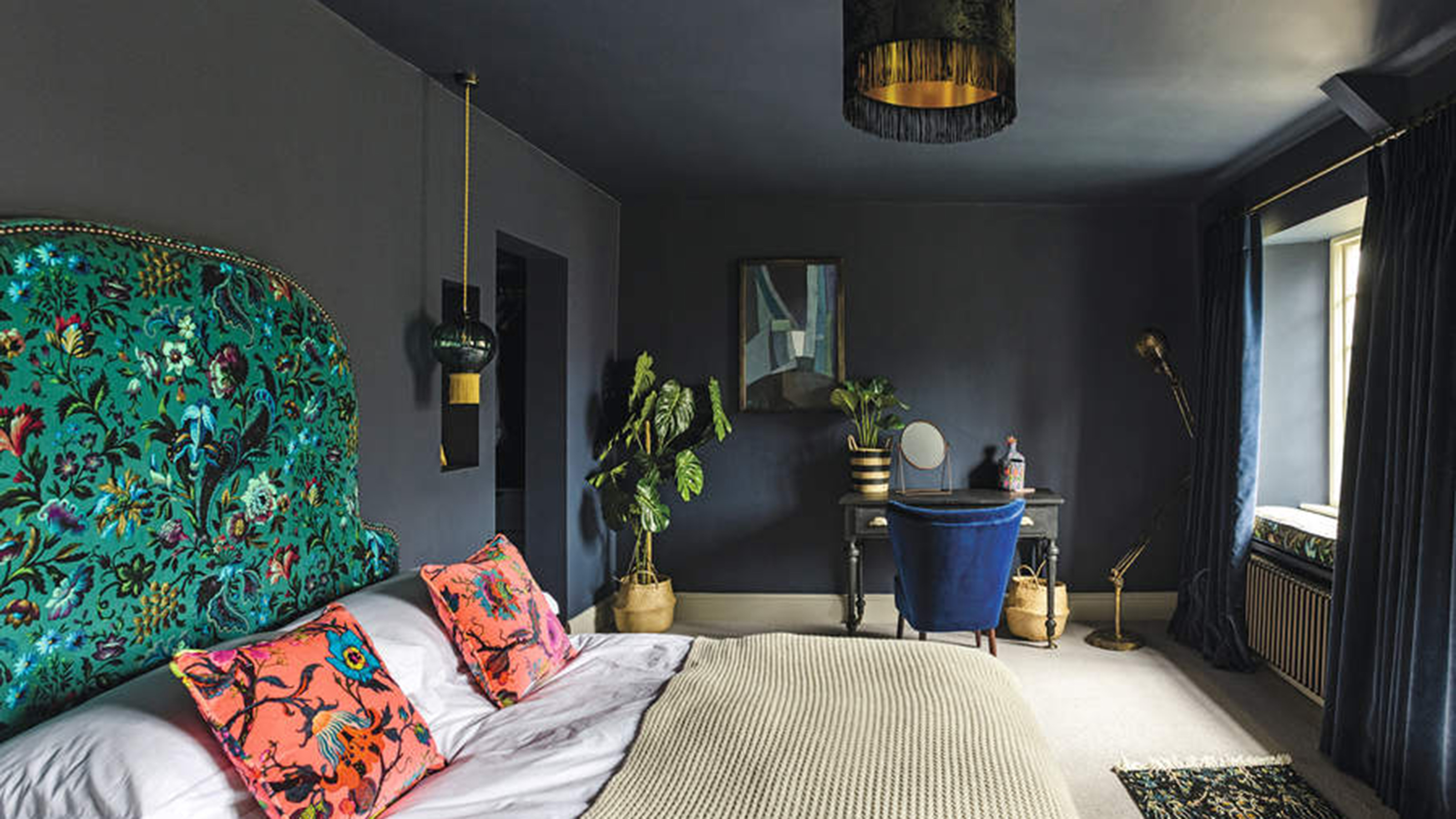
The best tips for painting a room include preparation, choosing quality tools, and using the right techniques.
Transforming a room with a fresh coat of paint can do wonders, but achieving a professional look requires more than just picking up a brush. As someone with years of experience in interior design and painting, I understand the nuances involved in perfecting this art. From selecting the ideal color palette to mastering brush strokes, this guide will equip you with essential insights and practical tips to make your next painting project a success. Read on to discover everything you need to know about painting a room like a pro.
Preparation is Key
Before you dive into painting, proper preparation is essential to achieve flawless results. Skimping on this step can lead to unsightly mistakes that could have been easily avoided.
- Clear the Room: Remove any furniture or cover it with drop cloths to prevent paint splatters.
- Clean the Walls: Dust, grease, or grime can prevent paint from adhering properly. Wash the walls with a damp cloth or a gentle cleaning solution.
- Repair and Sand: Fill in any holes or cracks with spackle, then sand the surface smooth for even application.
- Tape Off Areas: Use painter’s tape to cover trim, baseboards, and other areas you wish to protect.
Choosing the Right Tools and Materials
Selecting high-quality tools and materials can make all the difference in your painting project. Investing in the right supplies ensures a smoother process and a better final finish.
- Brushes and Rollers: Choose brushes and rollers appropriate for your paint type; synthetic for latex and natural brushes for oil-based.
- Paint Quality: Opt for premium paint, which often contains more pigments and higher quality binders.
- Primer: Use a primer if you’re painting over a darker color or new drywall to ensure proper adhesion and true color.
Selecting the Perfect Color
Choosing the perfect color sets the mood of your room and can greatly impact its aesthetics. Understanding color psychology helps in making an informed decision.
- Test Before You Paint: Samples are your best friend. Test small patches to see how colors look at different times of the day.
- Consider Lighting: Natural and artificial lighting can alter the appearance of colors. Factor these variations into your choice.
- Harmonize with Decor: Choose colors that complement your furnishings and existing color scheme.
Mastering Painting Techniques
The technique you use in painting can affect the overall finish. Here are some tried-and-true methods to achieve a smooth, even coat.
- Cut-In First: Use a brush to paint the edges and corners before rolling the main surfaces.
- Use the W Technique: Start in a corner and paint in a “W” shape to cover a section before filling it in.
- Keep a Wet Edge: Work in sections and maintain a wet edge to avoid visible lines between dried and fresh paint strokes.
Safety and Cleanup
Ensuring safety while painting is as important as the task itself. After you’re done, proper cleanup ensures your tools and space are ready for next use.
- Ventilation: Ensure the room is well-ventilated by opening windows and using fans.
- Wear Protective Gear: Use masks and eyewear to protect against fumes and splashes.
- Clean Brushes Promptly: Clean your brushes immediately after use with appropriate solvents for best longevity.
Frequently Asked Questions
How long should I wait between coats of paint?
Typically, you should wait about 2-4 hours before applying the next coat. However, always follow the instructions on your paint can for the best results.
Should I use a primer every time I paint a room?
Using a primer is recommended when changing colors significantly or painting over new walls. It ensures better adhesion and truer colors.
Can I paint over wallpaper?
It’s possible, but not ideal. For best results, remove the wallpaper and prepare the walls before painting.
What’s the best type of paint finish for a living room?
Matte or eggshell finishes work well in living rooms for a sophisticated look. They hide imperfections better than glossy finishes.
How do I prevent paint from peeling?
Ensure the surface is clean and properly prepped before painting. Use quality primer and paint, and avoid painting in very humid or cold conditions.
Conclusion
Painting a room is more than just a weekend project; it's an opportunity to breathe new life into your space. By following these expert tips, you’ll not only enhance your room’s aesthetics but also enjoy the satisfaction of a job well done. Ready to get started? Begin your painting journey now, and don’t hesitate to explore additional resources or reach out for guidance. We’d love to hear your experiences and see your transformations—share your success stories with us in the comments below!