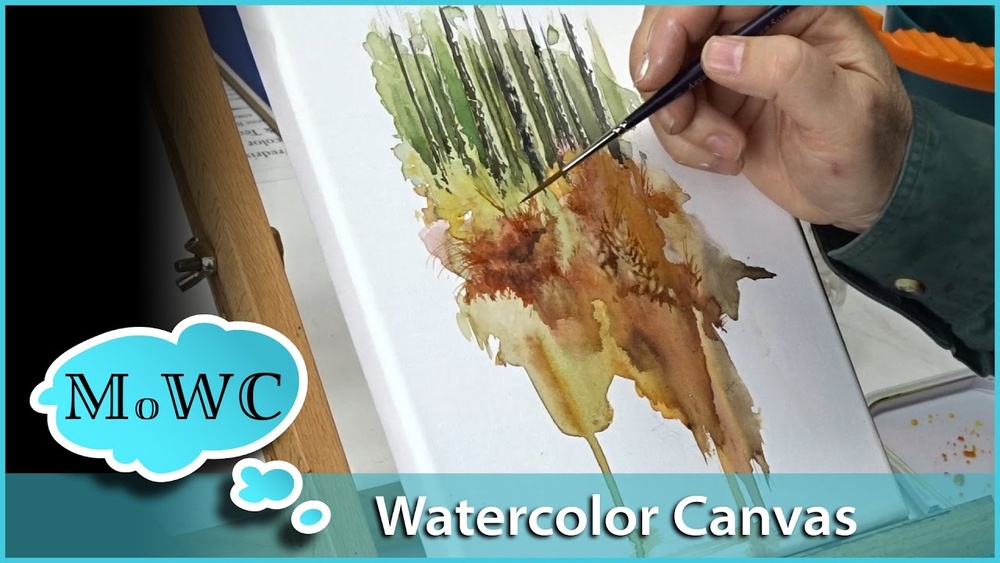
Have you ever wondered if you can paint watercolor on canvas? If you’re used to watercolor paper, the idea of using canvas might seem tricky or even impossible.
But what if you could combine the rich texture of canvas with the delicate flow of watercolor? Imagine creating vibrant, fluid artwork that stands out in a whole new way. You’ll discover whether watercolor really works on canvas, the challenges you might face, and simple tips to make your watercolor paintings on canvas successful.
Keep reading, because by the end, you’ll be ready to try this exciting technique yourself!
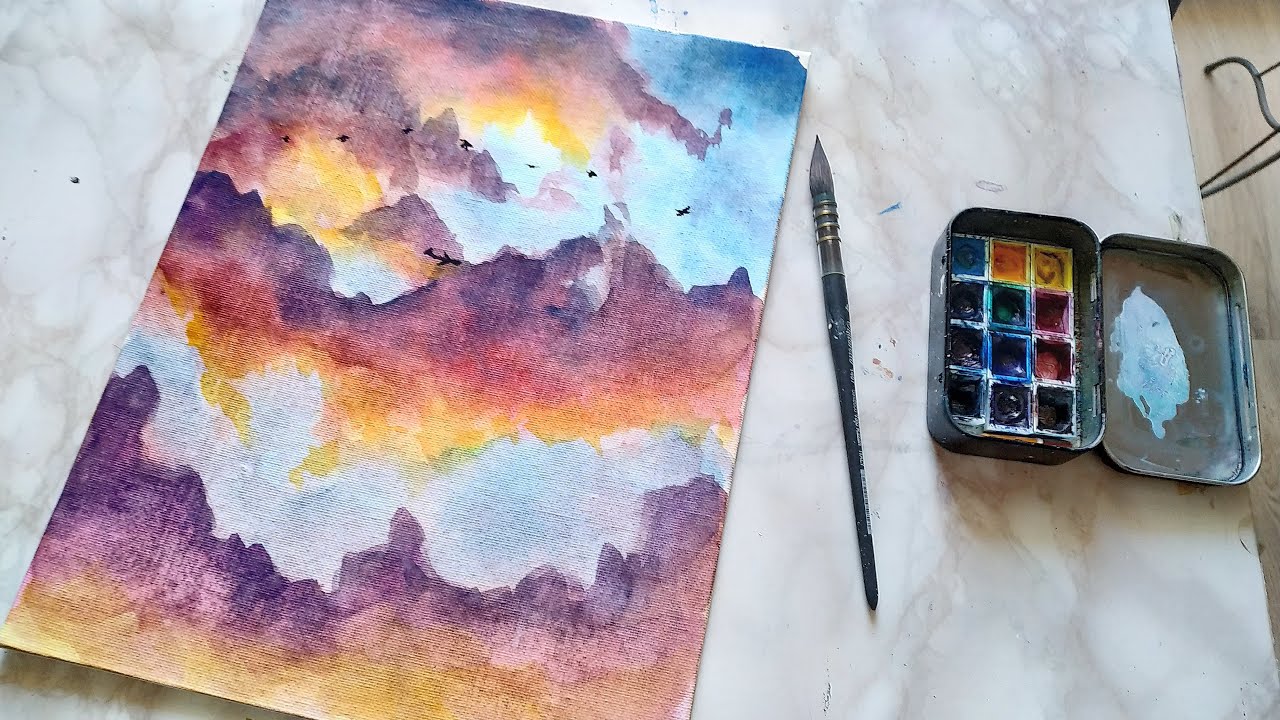
Credit: www.youtube.com
Watercolor On Canvas Basics
Watercolor on canvas offers a fresh way to create art beyond traditional paper. It combines the fluid beauty of watercolor with the sturdy surface of canvas. This method demands some basic understanding to achieve the best results. Knowing how watercolor behaves on canvas helps you avoid common issues.
Canvas absorbs and holds paint differently than paper. This difference affects how colors spread and blend. Getting familiar with these basics will improve your painting experience and outcome.
Canvas Vs Paper For Watercolor
Paper is soft and highly absorbent, perfect for watercolor’s watery texture. It soaks up paint quickly, allowing easy blending and layering. Canvas is rough and less absorbent, which can cause paint to bead or pool. Without special treatment, watercolor paint may lift or crack on canvas. Paper suits traditional watercolor techniques better, but canvas offers durability and texture for unique effects.
Why Canvas Needs Special Prep
Canvas requires preparation to hold watercolor paint well. Plain canvas repels water and paint, making colors difficult to control. Artists use a special primer called absorbent ground. This coating creates a slightly rough, absorbent surface. It prevents paint from sliding or lifting off the canvas. Proper prep ensures paint sticks and blends smoothly. Skipping this step often leads to poor results and frustration.
Choosing The Right Canvas
Not all canvases work equally well for watercolor. Look for canvas panels or stretched canvas that are primed for watercolor use. Some come pre-coated with absorbent ground. Canvas panels are firm and easier to handle than stretched canvas. Choose a fine or medium weave canvas to avoid rough texture. The right canvas helps your watercolor paint flow and dry evenly. Testing different types can help find your best match.

Credit: www.artistsnetwork.com
Preparing Canvas For Watercolor
Preparing a canvas for watercolor painting requires specific steps. Watercolors behave differently on canvas than on paper. Canvas naturally repels water, so it needs treatment to hold watercolor paint well. Proper preparation ensures vibrant colors and smooth blending.
Using Watercolor Ground
Watercolor ground is a special primer made for watercolor on canvas. It creates a surface that absorbs water like paper. Apply it evenly with a brush or roller. Let it dry completely before painting. Multiple thin coats work better than one thick coat. This ground helps colors stick and prevents them from running off.
Applying Gesso Properly
Gesso is a common primer but not ideal alone for watercolor. If using gesso, choose a white, matte type. Apply thin layers with a wide brush or foam roller. Sand lightly between coats for a smooth finish. Gesso adds texture and seals the canvas but needs extra treatment to hold watercolors well.
Surface Texture Tips
The texture of the canvas surface affects watercolor results. A smoother surface allows finer details and easier blending. Sanding the dried ground or gesso can reduce roughness. Avoid very rough textures that cause paint to pool unevenly. Test small areas before starting your main painting.
Essential Materials
Painting watercolor on canvas requires specific materials to achieve the best results. Canvas is less absorbent than paper, so choosing the right supplies matters. Using proper materials helps the paint stick and blend well. It also prevents unwanted lifting or smudging of colors.
Prepare your workspace with quality items. This will make your painting experience smooth and enjoyable. Below are the essential materials you need for watercolor painting on canvas.
Best Watercolor Paints For Canvas
Choose watercolor paints with strong pigments and good flow. Professional-grade paints offer richer colors and better transparency. Tube watercolors work well because they provide thick, vibrant color. Avoid student-grade paints as they may appear dull on canvas. Some artists prefer liquid watercolors for their intense color and ease of use. Test different brands to find what suits your style best.
Brushes And Tools
Use soft brushes that hold water well, such as round or flat synthetic brushes. Synthetic brushes resist damage from water and heavy pigment. Sizes 6 to 12 are ideal for most canvas work. A palette knife can help mix colors or create texture. A spray bottle keeps your canvas moist for smooth blending. Keep paper towels or sponges handy to lift excess paint gently.
Additional Supplies
Canvas panels or stretched canvas treated with watercolor ground work best. Watercolor ground creates a surface that absorbs paint like paper. Masking tape helps create clean edges and protects areas you want to keep white. Use a sturdy palette for mixing colors evenly. Clean water containers and a drying rack will keep your work area organized. Always have a sketch pencil to outline your design before painting.
Techniques For Painting
Painting watercolor on canvas requires specific techniques to achieve the best results. Canvas behaves differently than paper. Understanding these techniques helps control the paint and create beautiful artwork. The following methods focus on how to layer, blend, and add textures on canvas.
Layering And Blending On Canvas
Start with thin washes of color. Allow each layer to dry before adding the next. This prevents colors from mixing too much. Use soft brushes for smooth blending. Canvas absorbs paint slower than paper. Be patient and build colors gradually. This process creates depth and richness in your painting.
Controlling Water And Pigment
Balance the amount of water and pigment carefully. Too much water can cause paint to run or pool. Too little water results in harsh lines and uneven color. Test your brush on a scrap canvas first. Keep a spray bottle nearby to reactivate dried paint if needed. Control helps keep your artwork clean and vibrant.
Creating Textures And Effects
Use different brush strokes to add texture. Try dry brushing for rough, grainy effects. Salt sprinkled on wet paint creates interesting patterns. Sponging adds soft, organic textures. Experiment with masking fluid to keep areas white or sharp. These techniques enhance your painting’s visual interest on canvas.
Common Mistakes To Avoid
Painting watercolor on canvas offers a unique challenge. Many artists face common pitfalls that affect their final piece. Knowing these mistakes helps improve your watercolor technique on canvas. Avoiding them leads to better results and more enjoyable painting sessions.
Overworking Paint
Overworking paint causes colors to become muddy and dull. Watercolor relies on transparency and light. Scrubbing or layering too much paint removes brightness. It also damages the canvas surface. Let each layer dry before adding more paint. This keeps colors fresh and vibrant.
Incorrect Water-to-pigment Ratio
Using the wrong water-to-pigment ratio creates problems. Too much water leads to weak, washed-out colors. Too little water causes streaks and uneven coverage. Mix paint and water carefully. Test on a scrap canvas before starting your artwork. This ensures smooth, consistent washes.
Rushing Details Early
Rushing details at the beginning harms your painting. Focus first on broad shapes and values. Watercolor needs time to dry between layers. Adding details too soon causes bleeding and blurring. Wait until the base layers are dry before painting fine lines. This technique improves clarity and control.
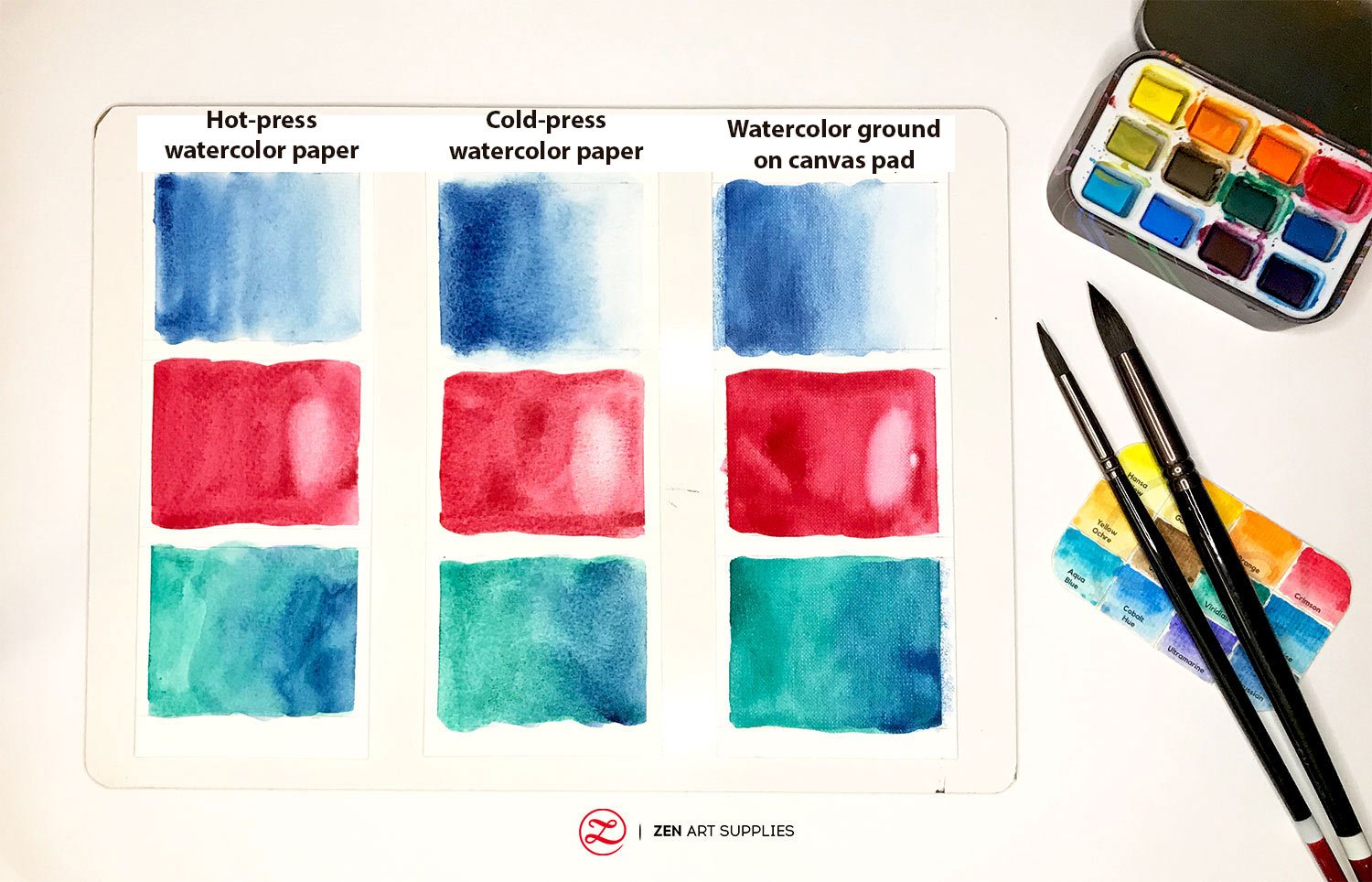
Credit: shop.zenartsupplies.co
Tips For Vibrant Results
Achieving vibrant results with watercolor on canvas requires patience and careful technique. Canvas behaves differently than paper, so adjusting your approach helps colors stay bright and fresh. The following tips focus on building depth and contrast without muddying your painting.
Building Values Gradually
Start with light washes to lay down basic shapes and tones. Use thin layers of paint to avoid overwhelming the canvas. Add more pigment slowly to deepen colors step by step. This gradual build-up creates smooth transitions and rich values. Avoid heavy paint early on to keep the watercolor transparent and lively.
Allowing Layers To Dry
Let each layer dry completely before adding the next. Wet layers on wet canvas can cause unwanted blending and dull colors. Drying time preserves the clarity of each wash and prevents colors from mixing unintentionally. Patience here ensures clean edges and bright pigments in your work.
Using Light And Dark Contrast
Create depth by balancing light and dark areas carefully. Use darker tones sparingly to highlight shadows and important details. Contrast makes colors pop and adds interest to your painting. Avoid flattening the image with too many midtones; strong light and dark differences keep it dynamic.
Sealing And Finishing
Sealing and finishing watercolor on canvas is essential to preserve your artwork. Watercolors on canvas can be delicate and prone to damage. Proper sealing enhances color vibrancy and prevents smudging or fading. Finishing touches give your painting a polished, professional look.
Protecting Watercolor On Canvas
Watercolors on canvas need protection from dust, moisture, and light. Applying a sealant helps lock the paint in place. Use a spray fixative designed for watercolors. Spray lightly and evenly across the surface. Let it dry fully before handling or framing.
Keep your painting away from direct sunlight. UV rays can fade colors quickly. Also, avoid humid or damp areas. Proper storage and display conditions extend your artwork’s life.
Choosing The Right Varnish
Pick a varnish that suits watercolor on canvas. A matte or satin finish keeps colors soft and natural. Glossy varnishes can make watercolors look shiny but may highlight texture. Test the varnish on a small canvas piece first.
Use an acrylic varnish with UV protection. It prevents color fading and damage. Apply thin, even coats with a soft brush or spray. Allow drying between coats for best results. Avoid varnishes that contain solvents that might react with watercolor paint.
Framing And Display Ideas
Frame your watercolor canvas to add style and protect edges. Use a floating frame to show the canvas sides. This gives a modern, clean look. Choose frames with UV-protective glass or acrylic.
Display paintings in rooms with stable temperature and low humidity. Use wall hooks that support the canvas weight evenly. Rotate artwork occasionally to reduce sun exposure on one side. Proper framing and display enhance both beauty and durability.
Inspiration And Practice
Inspiration and practice play a key role in painting watercolor on canvas. They help artists gain confidence and improve skills. Exploring different ideas and trying new methods leads to unique creations. Regular practice helps develop control over the paint and the canvas surface. This section explores how artists find inspiration and practice to paint watercolors on canvas effectively.
Exploring Artist Examples
Studying works of artists who paint watercolor on canvas reveals useful techniques. Some artists share their process in videos or blogs. Their examples show how to handle water and color on canvas. Seeing different styles and results sparks creativity. Learning from others helps avoid common mistakes and find personal style.
Experimenting With Styles
Trying various styles on canvas builds experience and skill. Some artists prefer loose, flowing washes. Others focus on detailed, layered effects. Experimenting with wet-on-wet or dry brush techniques changes the look. Testing these styles on canvas helps understand how paint behaves. This exploration leads to a style that feels natural and enjoyable.
Developing Your Technique
Practice improves control over water, pigment, and brushwork on canvas. Start with simple subjects to focus on technique. Use different amounts of water and pigment to see effects. Learn to balance wetness to prevent paint lifting or spreading. Over time, practice builds confidence and skill to create vibrant watercolor art on canvas.
Frequently Asked Questions
Will Watercolor Paint Stay On Canvas?
Watercolor paint can stay on canvas only if you prepare it with a special absorbent ground. Normal canvas repels watercolors, causing them to lift and blend poorly. Using watercolor ground improves adhesion and allows vibrant, lasting results on canvas surfaces.
What Are Three Common Mistakes That People Make When Using Watercolor?
Three common watercolor mistakes are overworking paint causing muddiness, using incorrect water-to-pigment ratios, and focusing on details too early.
Are Watercolor Paints Good For Canvas?
Watercolor paints can work on canvas if you apply a special absorbent ground first. Regular canvas absorbs poorly, causing paint to lift and blend unevenly. Using watercolor ground improves adhesion and allows vibrant, lasting watercolor effects on canvas surfaces.
Is Watercolour Or Acrylic Better For Canvas?
Acrylic paint suits canvas better due to its strong adhesion and durability. Watercolor requires special absorbent ground to work well on canvas. Acrylic offers vibrant colors and flexibility, making it ideal for most canvas artworks. Watercolor on canvas is less common and needs preparation.
Conclusion
Watercolor can work on canvas with the right preparation. Use a special absorbent ground to help paint stick well. This method allows layering and smooth blending without lifting colors. Keep your paint layers light and let them dry between coats.
Canvas offers a different texture than paper, adding unique effects to your art. Experiment to find what suits your style best. Painting watercolor on canvas is possible and can create beautiful results. Give it a try and enjoy the process of learning something new.