Watercolor painting is a favorite for many artists because of its luminous effects and flowing colors. Traditionally, artists use watercolor paper to get the best results, but sometimes, you might wonder: can you use watercolor on canvas? Many people assume canvas is only for acrylic or oil paints. In reality, watercolor and canvas can work together if you prepare the surface and know what to expect. This guide will walk you through everything you need to know, from choosing the right canvas to fixing common problems.
Why Use Watercolor On Canvas?
Some artists love the texture of canvas and want to combine it with the beautiful transparency of watercolors. Canvas is also more durable than paper and is easier to frame or display. You can hang a canvas painting directly on the wall, which makes it great for home decoration. Another reason is that large watercolor paper is expensive and hard to mount, but canvas comes in all sizes and is ready to hang.
However, it’s important to understand that watercolor behaves differently on canvas compared to paper. If you try to paint directly on a regular canvas, the paint won’t stick well. It will bead up or slide off, making it hard to get the effects you want. To solve this, you need to use watercolor ground or buy a special watercolor canvas.
Types Of Canvas For Watercolor
Choosing the right surface is the most important step if you want good results. Here are your main options:
1. Regular Canvas
A regular canvas is made of cotton or linen and is usually prepared with acrylic gesso. This surface is not absorbent enough for watercolor. The paint sits on top and dries unevenly. You need to add a special ground to make it work.
2. Watercolor Canvas
Many art brands sell watercolor canvas, which is designed to absorb watercolor paint. It usually has a special coating that allows the paint to flow and blend, similar to watercolor paper. This type is ready to use, so you don’t need extra preparation.
3. Preparing Your Own Canvas
If you already have a regular canvas, you can apply watercolor ground. This is a thick, white paste that creates an absorbent surface. Brands like Daniel Smith and Golden offer high-quality watercolor grounds. The process is simple but takes some time.
Here’s a comparison of different canvas types and their suitability for watercolor:
| Canvas Type | Absorbency | Preparation Needed | Difficulty Level |
|---|---|---|---|
| Regular Canvas | Low | High (needs ground) | Intermediate |
| Watercolor Canvas | High | None | Beginner |
| Grounded Canvas | Medium-High | Apply ground | Beginner-Intermediate |
How To Prepare A Canvas For Watercolor
If you want to use watercolor ground on a regular canvas, follow these steps for the best results.
- Choose a Stretched Canvas: Make sure your canvas is clean and dust-free.
- Apply Watercolor Ground: Use a flat brush or palette knife. Spread the ground evenly over the surface. Most products need two or more coats.
- Let It Dry: Wait at least 24 hours between coats. The surface should feel smooth and slightly absorbent when dry.
- Sand If Needed: Lightly sand between layers for a smoother finish.
- Test Before Painting: Try a small area first. Make sure the paint flows and absorbs how you like.
This process can take 2–3 days, but it’s worth it for better control.
Painting Techniques On Canvas
Watercolor on canvas is different from paper. Here are some tips to help you succeed:
- Use Less Water: Watercolor canvas is less absorbent than paper, so too much water can create puddles.
- Work in Layers: Allow each layer to dry before adding more color. This prevents muddy colors and helps control the flow.
- Lifting Colors: One big advantage is that you can easily lift or erase mistakes with a damp brush or cloth. This is harder to do on paper.
- No Buckling: Canvas won’t buckle or warp, even with lots of water.
Example: Basic Watercolor Wash On Canvas
- Wet your brush and pick up some paint.
- Lightly brush across the canvas in even strokes.
- Let the color dry completely.
- Add more layers for deeper shades.
You’ll notice the paint sits on the surface longer, so you have more time to move it around or correct errors.
Advantages And Disadvantages
Painting watercolor on canvas has some unique benefits and drawbacks. Here’s a quick overview:
| Advantage | Disadvantage |
|---|---|
| More durable surface | Different texture than paper |
| Easy to frame and display | Paint may not blend as easily |
| Can lift mistakes easily | Requires preparation |
| Does not buckle | Colors may appear less vibrant |
Non-obvious Insights
- Canvas ground can change the texture: Some watercolor grounds create a slightly rough texture that’s very different from paper. Practice on a small canvas first to see if you like the feel.
- Paint lifts too easily: On some watercolor canvases, paint can lift off even when you don’t want it to, making it hard to build up deep colors. Use gentle brushwork to avoid disturbing lower layers.
Fixing Common Problems
Paint Beading Or Sliding Off
If your watercolor forms beads or slides off, the canvas is not absorbent enough. Apply another layer of watercolor ground and let it dry fully.
Hard To Blend Colors
On canvas, you may notice hard edges or colors not blending as smoothly as on paper. Try working faster and use a mist spray bottle to keep the surface damp.
Paint Lifting Unexpectedly
If colors lift too easily, use less water and avoid scrubbing the surface. Try sealing finished layers with a fixative before continuing.
Credit: phoenixartstore.com
Sealing And Protecting Your Painting
Watercolor on canvas is less permanent than on paper. If you touch the dried painting, you might smudge the colors. To keep your art safe, apply a clear spray varnish or fixative. Choose a product labeled as safe for watercolors. Do not use brush-on varnish, as it will reactivate the paint and cause smearing.
Spray in thin, even coats, and let each layer dry completely. Two or three coats are usually enough.
Choosing Paints And Brushes
Not all watercolor paints work the same on canvas. Artist-quality paints have more pigment and give better coverage. Student paints may look weak or chalky.
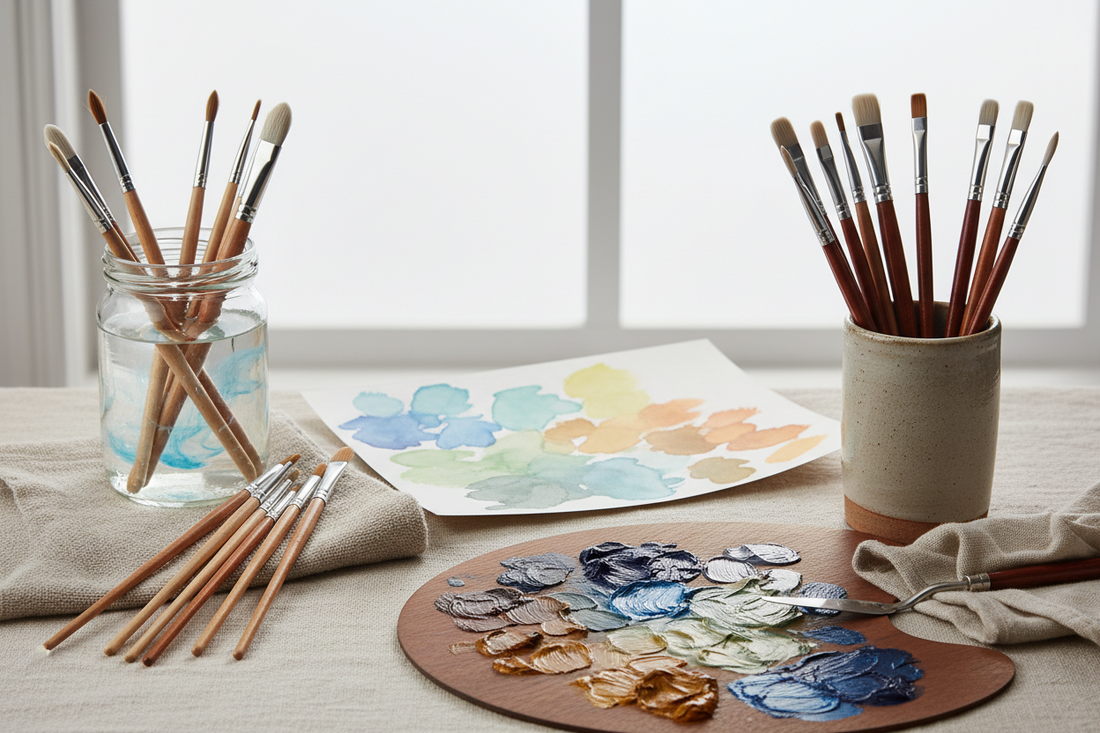
- Synthetic brushes are best for canvas because they are stiffer and can handle the rougher texture.
- Round and flat brushes are both useful. Try a mop brush for broad washes and a liner for fine details.

Credit: belconi.com.my
How Watercolor On Canvas Compares To Paper
Here’s a direct comparison to help you decide which is right for your project:
| Feature | Watercolor Paper | Watercolor Canvas |
|---|---|---|
| Absorbency | High | Medium |
| Surface Texture | Smooth or rough (cold/hot press) | Canvas weave |
| Correction | Limited | Easy to lift mistakes |
| Framing | Needs glass/frame | Can hang directly |
| Durability | Can tear/buckle | Very durable |
When Should You Use Watercolor On Canvas?
Watercolor on canvas is best for:
- Artists who want to try new techniques.
- People who want ready-to-hang artwork.
- Large-scale projects where paper is impractical.
- Mixed media work, combining watercolor with ink, pastel, or acrylic.
But if you need the classic look and easy blending of watercolor paper, stick with traditional methods.
Tips For Success
- Practice on small canvases first. The feeling is different from paper.
- Use high-quality materials for better results.
- Seal your finished work to protect it.
- Experiment: Try adding texture with salt, sponges, or scraping tools. Canvas can handle more aggressive techniques.
- Don’t expect exact paper effects: Enjoy the unique look and possibilities.
Real-world Example
Artist Jane Smith wanted to make a large, bright landscape in watercolor but found paper too fragile. She prepared a 24×36 inch canvas with watercolor ground and painted as usual. She noticed the colors stayed bright, and she could fix mistakes easily. After sealing with spray varnish, her painting hung in a gallery without glass. This shows how watercolor on canvas can give you both beauty and durability.
Where To Learn More
If you’re interested in advanced techniques, artist forums and YouTube have many tutorials showing step-by-step watercolor canvas methods. For official guidance, check out Jackson’s Art Blog.
Frequently Asked Questions
Can You Use Watercolor On Any Canvas?
No, you need either a watercolor canvas or a regular canvas prepared with watercolor ground. Regular acrylic or oil canvas will not absorb watercolor properly.
Do I Need To Seal Watercolor On Canvas?
Yes. Watercolor paint can be reactivated with water, so sealing your finished artwork with a spray varnish or fixative is important to protect it from damage.
Is Watercolor On Canvas Permanent?
If you seal it correctly, the painting will last a long time. However, unsealed watercolor on canvas can be smudged or washed off.
Are Watercolor Canvases More Expensive?
Watercolor canvases usually cost a bit more than regular canvases, but they save you time since you don’t need to prepare the surface. The price difference is small compared to the convenience.
What Is Watercolor Ground?
Watercolor ground is a special paste that you apply to canvas (or other surfaces) to make them suitable for watercolor. It creates an absorbent surface similar to paper.
Watercolor on canvas gives you new creative options and a more durable, modern way to display your art. With the right preparation and materials, you can get beautiful results that last. Give it a try—your next masterpiece might surprise you!
Credit: www.wallpics.com