Have you ever stared at a painting and wished you could create those smooth, flowing gradients with your acrylics? Maybe you’ve tried blending colors but ended up with harsh lines or patchy spots instead.
You’re not alone, and the good news is that achieving flawless gradients is easier than you think. You’ll discover simple techniques and insider tips that will transform your acrylic painting skills. By the end, you’ll be confident in creating beautiful, seamless color transitions that bring your artwork to life.
Ready to master smooth gradients? Let’s dive in.
Choosing The Right Acrylics
Choosing the right acrylics is key to painting smooth gradients. The quality of paint affects blending and finish. Picking the right colors and tools also helps create seamless transitions. This section explains how to select the best acrylic paints and supplies for smooth gradient effects.
Types Of Acrylic Paints
Acrylic paints come in several types. Student-grade paints are cheaper but less vibrant. Artist-grade paints have better pigment and smooth flow. Heavy body acrylics are thick and hold texture well. Fluid acrylics are thin and easy to blend. For smooth gradients, fluid or soft body paints work best.
Selecting Suitable Colors
Choose colors that blend easily. Pick colors close on the color wheel for smooth mixes. Use transparent or semi-transparent paints for gradual shifts. Avoid very bright or opaque paints that cover too fast. Having a light and dark shade of the same color helps create depth in gradients.
Tools And Brushes
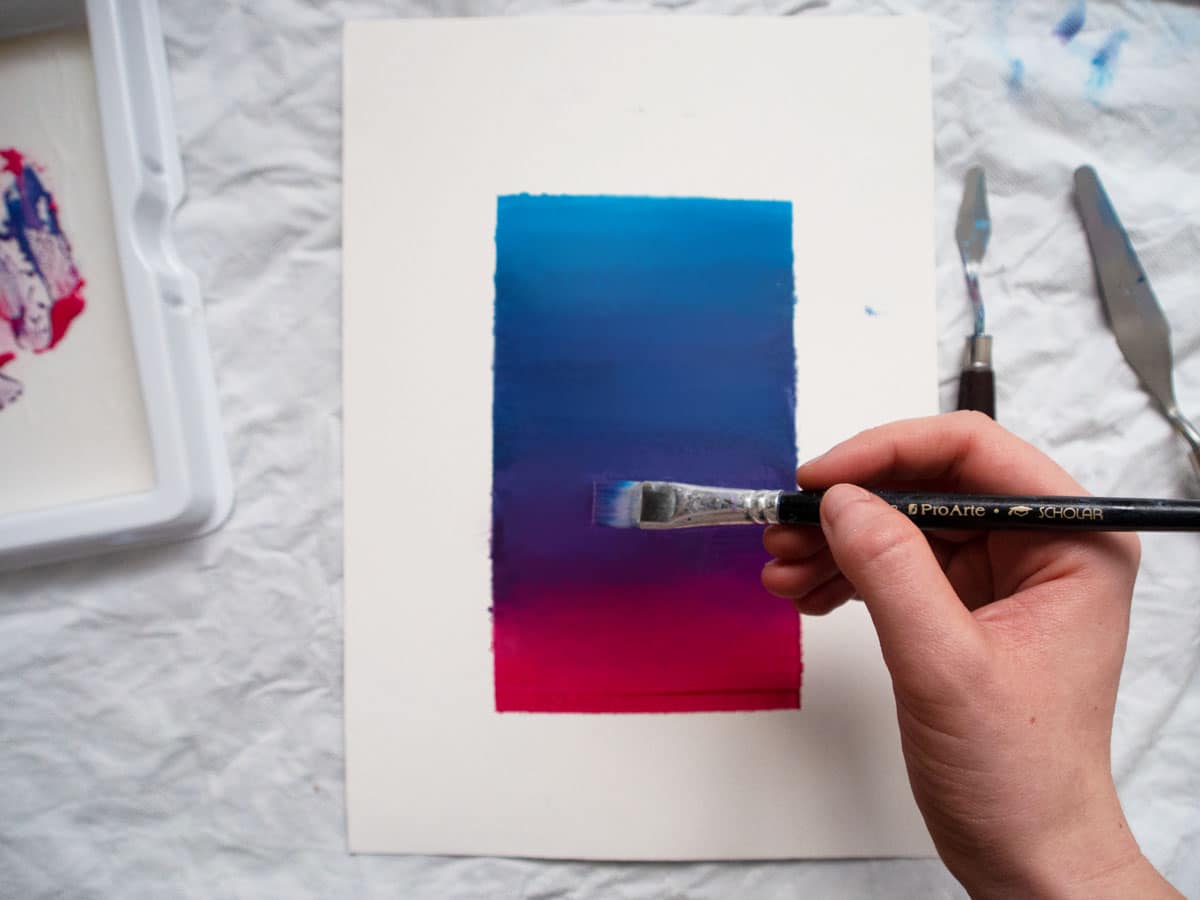
Soft brushes give smooth results. Synthetic brushes hold paint well and spread it evenly. Flat brushes are good for wide strokes and blending. Fan brushes help soften edges between colors. Use a clean, damp brush to blend the paint gently. Sponges also work well for fading colors softly.
Credit: finearttutorials.com
Preparing Your Workspace
Preparing your workspace is the first step to painting smooth gradients with acrylics. A clean and organized area helps you focus on blending colors. It reduces mistakes and saves time. Setting up the right tools is crucial for a smooth painting process.
Setting Up Your Palette
Choose a flat palette with enough space for mixing colors. Use a white or neutral-colored palette to see true paint colors. Squeeze small amounts of paint close together to blend easily. Keep your colors arranged from light to dark for quick access. Clean your palette often to avoid muddy colors.
Organizing Brushes And Water
Select soft, round brushes of different sizes for smooth blending. Keep brushes clean and dry before starting. Use two containers of water: one for rinsing brushes and one for clean water to dilute paint. Place your brushes and water within easy reach to stay focused. Avoid letting paint dry on brushes during your session.
Choosing The Ideal Surface
Pick a smooth surface like canvas or acrylic paper for easy blending. Avoid rough or heavily textured surfaces that break up paint strokes. Prepare the surface with a thin layer of gesso for better paint adhesion. A smooth surface lets you create soft transitions in your gradients. Test your surface with a small paint stroke before starting.
Mastering Gradient Techniques
Creating smooth gradients with acrylic paint takes practice and the right techniques. Gradients add depth and interest to your artwork. Learning how to blend colors softly can improve your paintings greatly.
Different methods work best for different effects. Some techniques focus on blending wet paint directly on the canvas. Others build up color slowly with thin layers. Each approach offers unique textures and finishes.
Wet-on-wet Blending
Wet-on-wet blending means applying wet paint onto wet paint. This lets the colors mix smoothly on the canvas. Start by painting the first color. While it is still wet, add the second color next to it. Use a clean, soft brush to blend the edges gently. Move the brush back and forth to merge the colors. Work quickly before the paint dries. This technique creates seamless color transitions.
Layering And Glazing
Layering uses thin, transparent coats of paint. Wait for each layer to dry before adding the next one. This builds up color slowly and smoothly. Glazing adds a thin, clear layer of color over dry paint. It changes the tone and blends colors softly. Use a glaze medium mixed with paint for best results. Layering gives control over the gradient’s depth and brightness.
Dry Brushing For Texture
Dry brushing uses very little paint on a dry brush. Lightly drag the brush over the surface to add texture. This method works well for subtle gradients with a rough feel. It helps blend edges without fully mixing colors. Use a stiff brush and remove excess paint before applying. Dry brushing adds interest and dimension to your gradients.

Credit: www.youtube.com
Color Mixing Tips
Mixing colors correctly is key to painting smooth gradients with acrylics. Good color mixing helps blend shades seamlessly. It creates natural transitions and adds depth to your work. Understanding how to balance colors and use mediums can improve your gradient effects.
Creating Smooth Transitions
Start by mixing small amounts of your base colors. Gradually add one color into another. This creates a range of shades between two colors. Use a clean brush to blend these shades on the canvas. Work quickly while the paint is wet for softer edges.
Keep your brush strokes light and even. Avoid harsh lines by overlapping colors gently. Practice mixing colors on a palette before painting. This helps you see the smooth steps in your gradient.
Using Mediums To Extend Paint
Acrylic mediums slow down drying time and improve flow. Use a glazing medium or acrylic retarder to extend paint. This gives you more time to blend colors on the canvas. Mix the medium with your paint in small amounts. Too much medium can make paint thin and hard to control.
Mediums also help maintain color brightness while blending. They prevent the paint from drying too fast. This is useful for large gradient areas or detailed work. Experiment with different mediums to find what works best for you.
Balancing Warm And Cool Tones
Mix warm and cool tones to create natural gradients. Warm colors like red and yellow feel closer. Cool colors like blue and green seem farther away. Balance these tones to add depth and interest.
Try mixing a little warm color into a cool gradient. This softens the transition and adds warmth. The opposite works too. Adding cool tones to warm gradients creates calmness. Observe how colors change and adjust the mix for smooth results.
Step-by-step Gradient Painting
Creating smooth gradients with acrylic paints can add depth and beauty to your artwork. This step-by-step guide helps you paint gradients that look natural and seamless. Follow each step carefully for the best results.
Sketching Your Design
Start by drawing a simple outline of your design. Use a light pencil to avoid hard lines. Keep the shapes clear but not too detailed. This sketch will guide your color placement and gradient flow. Make sure the design fits well on your canvas.
Applying Base Layers
Apply the base colors first. Use a flat brush to cover large areas quickly. Paint each color separately but close to each other. Let the paint stay wet to help with blending later. Use thin layers to avoid thick paint build-up. Wait until the base layer feels slightly dry before moving on.
Blending Edges Seamlessly
Use a clean, dry brush to blend the colors at the edges. Work in small sections to keep the paint wet. Gently brush back and forth to mix the colors smoothly. Avoid pressing too hard to keep the gradient soft. Add small amounts of paint if needed to fix harsh lines. Blend until the transition looks natural and even.
Common Challenges And Fixes
Painting smooth gradients with acrylics is rewarding but tricky. Many artists face common challenges that can affect their work. Understanding these problems helps you fix them fast. This section covers three key issues and practical ways to solve them.
Avoiding Harsh Lines
Harsh lines break the smooth flow of a gradient. They happen when paint edges dry too fast or overlap sharply. To avoid harsh lines, work quickly and blend while the paint is wet. Use a clean, dry brush to gently soften edges. Light, circular strokes help merge colors smoothly. Keep your brush moist but not dripping.
Correcting Uneven Blends
Uneven blends make gradients look patchy or blotchy. This happens if paint layers are too thick or colors are not mixed well. Thin your paint with water or acrylic medium for better flow. Apply thin layers and build color slowly. Use a soft brush to blend colors while wet. If the paint dries unevenly, lightly sand the surface and repaint.
Dealing With Paint Drying Too Fast
Acrylic paint dries quickly, causing blending problems. To slow drying, work in small sections. Use a spray bottle to mist water on your palette and canvas. Mix paint with a slow-drying medium to keep it workable longer. Keep your workspace cool and humid to reduce drying speed. Plan your strokes to blend before paint dries.
Finishing Touches
Finishing touches bring your acrylic gradient painting to life. They add depth and protect your work. These final steps enhance the smooth transition of colors and keep your artwork vibrant over time.
Adding Highlights And Shadows
Highlights and shadows create contrast and make your painting pop. Use a small brush to apply lighter colors where light hits. Darker shades go where shadows naturally fall. Blend gently to keep gradients smooth. This step adds realism and draws the viewer’s eye.
Sealing Your Artwork
Sealing protects your painting from dust and fading. Use a clear acrylic varnish to cover the surface. Choose matte or glossy finish based on your style. Apply thin layers with a soft brush or spray. Let each layer dry before adding the next. This preserves colors and texture for years.
Cleaning And Maintaining Tools
Clean brushes immediately after painting to keep them soft. Use warm water and mild soap to remove acrylic paint. Gently reshape the bristles and let them dry flat. Store brushes in a dry place, upright if possible. Proper care extends tool life and ensures better results in future paintings.

Credit: shop.zenartsupplies.co
Frequently Asked Questions
How Do I Start Painting Smooth Gradients With Acrylics?
Begin with a clean, primed surface and use soft brushes. Apply thin layers, blending wet paint gradually from one color to another. Work quickly before the paint dries to achieve seamless transitions.
What Brushes Are Best For Acrylic Gradient Painting?
Soft, synthetic brushes like filbert or flat brushes work best. They help blend colors smoothly without harsh lines. Use different sizes for detailed or broad gradient areas.
How Can I Blend Acrylic Paints Effectively For Gradients?
Use a damp brush or sponge to gently mix colors on the canvas. Work in small sections and keep the paint wet to avoid streaks. Practice smooth brush strokes for even blending.
Should I Use Glazing Mediums For Acrylic Gradients?
Yes, glazing mediums extend drying time and improve paint flow. They allow better control for layering thin, transparent colors. This technique enhances smooth and subtle gradient effects.
Conclusion
Painting smooth gradients with acrylics takes practice and patience. Blend colors gently using soft brushes or sponges. Keep your paint wet to avoid harsh lines. Thin your paint with water or medium for better flow. Clean your brush often to mix colors well.
Small steps lead to better results. Enjoy the process and keep experimenting. Your skills will improve with each painting session. Gradients add depth and beauty to your art. Keep practicing, and soon you will see great progress.