Are you ready to unlock your creativity but don’t know where to start? Painting on canvas can seem intimidating at first, but it doesn’t have to be.
With simple, easy painting ideas designed just for beginners like you, creating your own beautiful artwork becomes fun and stress-free. Whether you want to try bold abstract shapes, peaceful landscapes, or charming floral designs, this guide will give you the confidence and inspiration to pick up your brush and start painting today.
Keep reading, and discover how simple techniques and clear steps can turn your blank canvas into a colorful masterpiece you’ll be proud of.

Credit: www.shihoriobata.com
Simple Abstract Designs
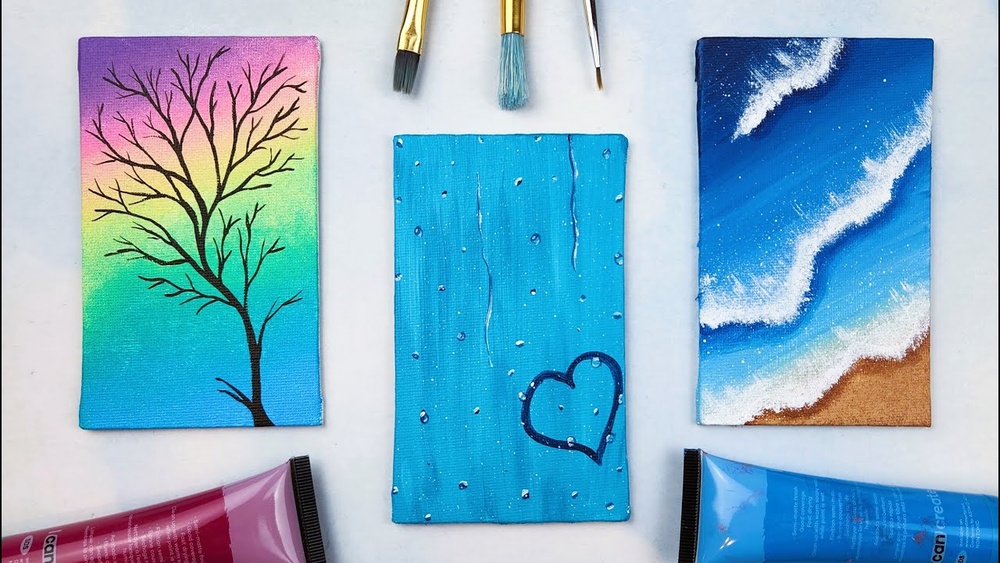
Silhouette art is a simple yet striking painting style perfect for beginners. It uses bold shapes against bright backgrounds to create eye-catching images. This style focuses on contrasts, making it easy to paint without detailed shading or complex techniques. Beginners can enjoy fast results and build confidence with silhouette art on canvas.
Bright Backgrounds
Start by choosing a vibrant color for the background. Bright colors like orange, pink, or blue work well. Use a large brush to cover the entire canvas evenly. Allow the paint to dry completely before adding the silhouette. You can create smooth gradients or solid blocks of color. Bright backgrounds make the dark shapes stand out clearly and attract attention.
Simple Dark Shapes
Pick a simple shape to paint on top of the bright background. Common shapes include trees, animals, or human profiles. Use black or very dark paint for the silhouette. Keep the edges clean and sharp by using a small brush or stencil. The simplicity of the shape creates a strong visual impact. Practice drawing the shape on paper first to get confident before painting.
Nature Scenes
Floral and natural forms offer a perfect start for beginners on canvas. These subjects are forgiving and allow freedom in shape and color. You can experiment without worrying about details or precision.
Painting flowers and simple natural objects builds confidence quickly. The shapes are easy to break down into basic strokes or dabs. This style encourages creativity and helps you enjoy the process.
Dab Technique For Flowers
The dab technique uses small, quick touches of paint to create flower petals. Use a round brush or sponge for this method. Dip it into the paint and gently press it on the canvas.
Start with a light color for the petals. Add darker shades in the center or edges for depth. This technique works well for daisies, sunflowers, or poppies. It creates a soft, natural look without needing fine details.
Practice dabbing in clusters to form flower heads. Vary the pressure and paint amount for different effects. Leave some space between dabs to suggest leaves or background.
Painting Simple Mushrooms
Simple mushrooms are fun and easy shapes for beginners. Paint a rounded cap with a solid color first. Add a few lighter or darker spots for texture.
Draw a short, thick stem below the cap. Use a lighter color to highlight the stem’s edges. Mushrooms can be red, brown, or any color you like.
This subject allows for creativity in shape and color. Paint them in groups or alone. Mushrooms add a charming, natural touch to your canvas.
Silhouette Art
Choosing the right paint is a key step in easy painting projects for beginners. The type of paint affects how your artwork looks and feels. It also impacts how easy or hard the painting process will be. Selecting paint that suits your skill level and canvas type helps you enjoy painting more. This guide focuses on acrylic paint and how to handle it well.
Benefits Of Acrylic Paint
Acrylic paint is perfect for beginners on canvas. It is water-based, which makes it easy to clean up with just soap and water. Acrylics dry fast, so you can add layers quickly without waiting long. This paint is bright and holds color well over time. Acrylics are also flexible and do not crack when dry. They work on many surfaces, including canvas, wood, and paper. The paint is safe and less toxic than oil paints, making it ideal for home use.
Quick Drying Tips
To speed up drying, use thin layers of acrylic paint. Thin coats dry faster than thick ones. Work in a well-ventilated room to help evaporation. A small fan can also help air circulate and dry paint quicker. Avoid heavy brush strokes that leave thick paint on the canvas. Clean brushes between colors to keep your work neat. Use a palette that holds paint without drying it too fast. These tips help beginners finish paintings faster and keep their colors bright.
Floral And Natural Forms
Color blocking is a fun and simple way to create striking art on canvas. This technique uses large blocks of color to form bold, clean shapes. It helps beginners practice control and explore color combinations. Color blocking focuses on contrast and shapes rather than detailed images. You can make modern, eye-catching designs with just a few steps.
Dividing Canvas With Tape
Start by choosing painter’s tape to divide your canvas. Tape creates sharp, straight lines that separate each color block. Place the tape in geometric patterns like squares, rectangles, or triangles. Press the tape down firmly to avoid paint bleeding underneath. Paint one block at a time, allowing each color to dry before removing the tape. This method keeps your blocks neat and crisp. Experiment with different shapes for unique designs.
Using Bold Colors
Pick bright and bold colors for strong visual impact. Colors like red, blue, yellow, and green work well for color blocking. Use contrasting colors next to each other to make shapes stand out. Bold colors help your painting look lively and modern. Avoid mixing too many shades to keep the design simple. Try pairing a bright color with white or black for balance. This makes your artwork easy and fun to create.
Choosing The Right Paint
Easy landscape ideas offer a perfect way to start painting on canvas. These scenes are simple yet beautiful. They help beginners practice basic shapes and colors. Painting landscapes builds confidence and creativity. Choose subjects with clear lines and simple details. This makes the process fun and stress-free. Here are some easy landscape ideas to try.
Fall Scenes
Fall scenes bring warm colors like orange, red, and yellow. Paint simple trees with round or oval leaves. Use short brush strokes for leaves on the ground. Add a soft sky with light blue or gray shades. These colors create a cozy, autumn feel. Fall landscapes are easy and look great on canvas.
Floral Meadows
Floral meadows show colorful flowers in open fields. Start with a green base for grass. Add dots or small strokes for flowers in red, pink, white, or yellow. Use simple shapes like circles or ovals for petals. Paint a clear blue sky above the meadow. This idea is bright and cheerful, perfect for beginners.
Night Skies And Blood Moons
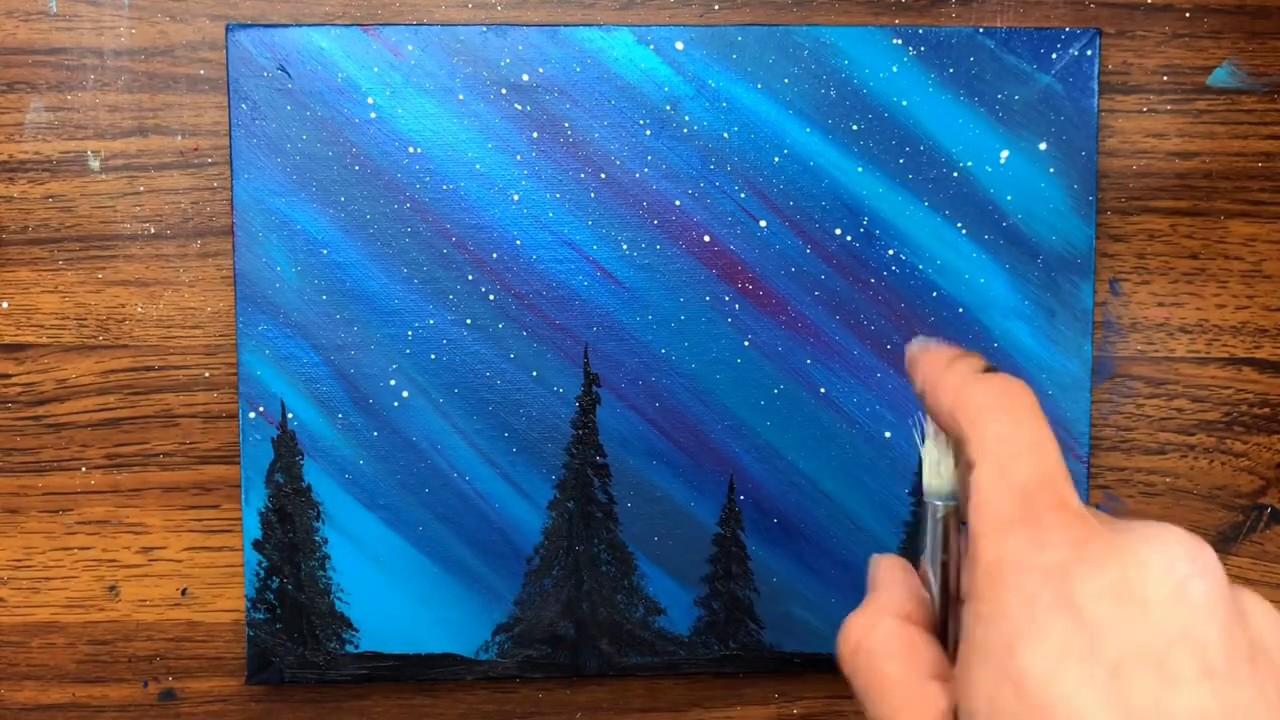
Night skies offer a chance to explore dark colors and light spots. Paint a deep blue or black sky first. Add white dots for stars using a small brush or sponge. Include a blood moon by painting a round shape with red and orange tones. This scene is dramatic but easy to paint. Night landscapes create a calm, mysterious mood.
Color Blocking Techniques
Step-by-step tutorials make painting on canvas easy and fun. They guide beginners through each stage clearly. Painting becomes less intimidating with clear instructions.
These tutorials focus on simple shapes and easy brush strokes. Beginners can follow along and finish a beautiful piece. Practice builds confidence and skill.
Simple Flower Paintings
Start with a plain background color on your canvas. Use a round brush to paint simple petal shapes. Paint one petal at a time around a small circle for the flower center. Use bright colors like red, yellow, or pink for petals. Add green leaves with short, quick strokes. Let the paint dry and add details like dots or lines on petals. This creates a charming and easy flower painting anyone can try.
Fantasy Night Gardens
Begin with a dark blue or purple canvas background. Use a sponge or large brush to blend lighter blues or pinks for a glowing sky. Paint simple flower shapes with bright colors like white, yellow, or pink. Add small dots or stars to the sky with a fine brush. Use white or light green for glowing garden stems and leaves. This style creates a magical, dreamy garden scene. It is perfect for beginners who want to paint something imaginative and colorful.
Easy Landscape Ideas
Starting canvas painting is exciting and fun. Choosing the right tools and materials helps beginners paint easily. Simple supplies make learning smooth and enjoyable. Knowing what brushes to use and how to prepare your canvas is key. This guide covers essential tips for beginners on brushes and canvas prep.
Brush Types For Beginners
Flat brushes are great for bold strokes and filling large areas. Round brushes work well for details and thin lines. Filbert brushes have a rounded edge that blends shapes softly. Synthetic brushes are cheaper and easy to clean. Start with a small set that includes these basic types. Use medium-sized brushes for most beginner projects.
Canvas Preparation Tips
Choose a pre-stretched canvas for convenience. Lightly sand the surface for smoothness. Apply a thin layer of gesso to prime the canvas. This helps paint stick better and prevents absorption. Let the gesso dry fully before painting. Stretch your canvas tightly on a frame if you prepare it yourself. Proper canvas prep protects your work and improves color.
Credit: www.youtube.com
Step-by-step Tutorials
Starting with canvas painting can feel exciting and a bit challenging. Creative tips help beginners enjoy the process and build confidence. Simple methods encourage experimenting and learning without pressure. Painting is about expressing yourself and having fun.
Embracing Mistakes
Painting mistakes are part of learning. Treat them as new chances to explore ideas. Blending colors over errors can create unique effects. Sometimes, a mistake leads to a better design. Accept imperfections and keep painting. This mindset helps beginners grow and stay motivated.
Layering And Texture
Layering adds depth to your painting. Start with a base color, then add details on top. Use different brush strokes to create interesting textures. Try sponges or palette knives for varied effects. Texture makes your art lively and engaging. Practice layering slowly to see your painting improve.
Credit: creativekhadija.com
Frequently Asked Questions
What Are The Easiest Painting Ideas For Beginners On Canvas?
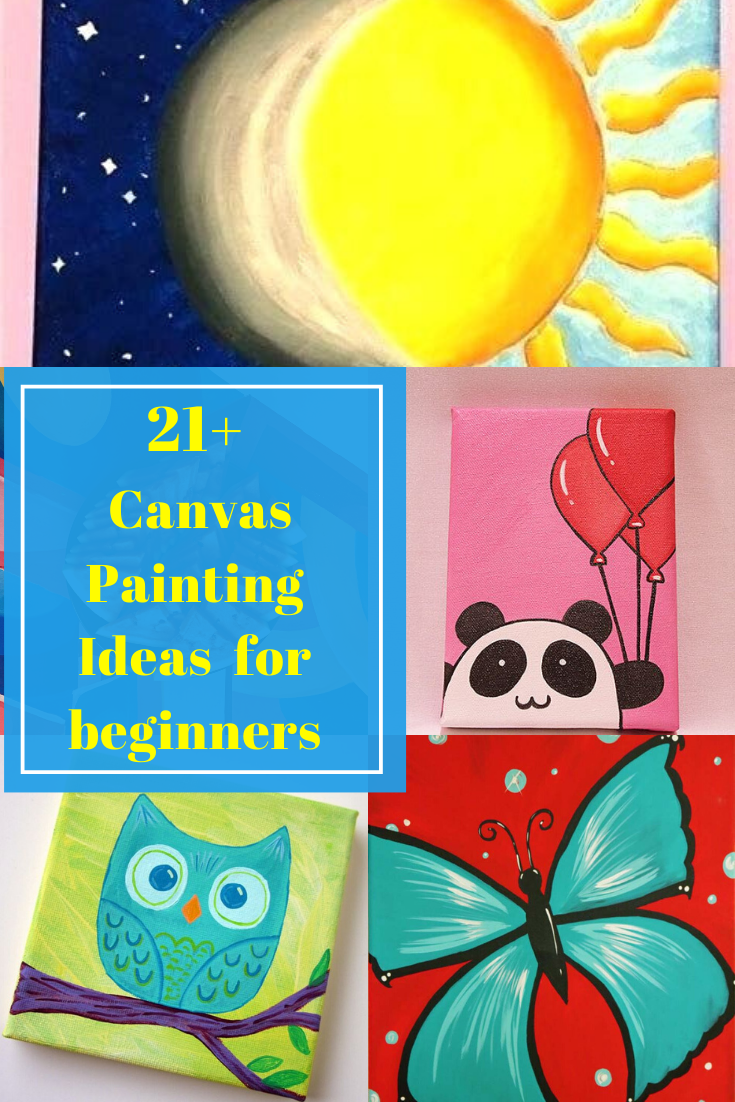
Abstract shapes, silhouettes, simple skies, and loose florals are great beginner-friendly ideas. These require minimal detail and allow creative freedom while building confidence.
Which Paint Type Is Best For Beginner Canvas Painting?
Acrylic paint is ideal for beginners. It dries fast, is easy to clean, and offers vibrant colors perfect for simple canvas projects.
How Can Beginners Create Geometric Paintings On Canvas?
Use painter’s tape to divide the canvas into shapes. Paint each section with different colors for crisp, clean lines and a modern look.
What Simple Nature Scenes Can Beginners Paint On Canvas?
Try minimalist mountains, sunrises, sunsets, or fluffy cloudscapes. These scenes use basic shapes and soft color blending, making them easy and rewarding.
Conclusion
Starting to paint on canvas is fun and rewarding. Simple ideas help build your confidence fast. Use easy shapes, bright colors, and basic brushes. Practice often, and don’t worry about mistakes. Each painting teaches something new and exciting. Keep your supplies ready and enjoy the process.
Soon, you will see progress and feel proud. Painting on canvas can become a relaxing hobby. Try these ideas today and let your creativity flow.