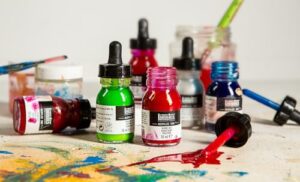
Quick answer: The most reliable fabric medium substitutes are other flexible acrylic mediums, such as a soft gel or fluid matte medium thinned slightly with water, or simply switching to a ready-made fabric (textile) paint. Small amounts of water can help acrylic soak into fibers, and some crafters add a little glycerin for softness, but neither replaces a medium’s binder. Whatever you use, heat-set the dry paint and test on a scrap before painting a garment you care about.
You are halfway through planning a painted tote or a custom jacket and realize the bottle of textile medium is empty. Before you postpone the project, it helps to know which fabric medium substitutes actually work, which ones only seem to, and how to give regular acrylic paint the best chance of surviving the washing machine. For the full picture on the real thing, see our in-depth fabric medium guide.
This guide covers what fabric medium really does, the substitutes worth trying (ranked by how well they hold up), mixing ratios, heat-setting, and the myths that cause cracked, stiff or peeling designs.
What Is a Fabric Medium?
A fabric medium, sometimes called textile medium, is an acrylic polymer additive you mix into regular acrylic paint so it behaves like fabric paint. It is mostly the same kind of acrylic binder found in paint, formulated to stay flexible after drying and to flow into fibers rather than sitting on top of them.
When you ask “what is fabric paint medium” versus “fabric paint,” the difference is simple: fabric paint comes premixed with flexible binder; fabric medium lets you convert paint you already own. That is why craft stores often shelve the two side by side.
What fabric medium actually does
- Thins the paint without weakening it. Water thins paint but dilutes the binder. Medium thins while adding more binder, so pigment stays locked in.
- Improves flexibility. Plain acrylic dries into a fairly rigid film. Medium makes that film more elastic, so it bends with the cloth instead of cracking.
- Helps penetration. Thinner, binder-rich paint soaks into the weave, which improves wash resistance and keeps the fabric softer.
- Reduces bleeding. Many textile mediums are formulated to limit feathering on the fabric’s surface.
- Works with heat-setting. Most textile mediums are designed to be heat-set after drying to improve durability.
Knowing these jobs makes it easier to judge a substitute. A good replacement needs to add flexible binder, not just thin the paint.
Fabric Medium Substitute Options, Ranked
Below are the realistic options, from most to least dependable. Results vary with paint brand, fabric type and how the item is washed, so test first.
| Substitute | Flexibility | Wash durability | Hand feel | Best use |
|---|---|---|---|---|
| Ready-made fabric paint | High | High (when heat-set) | Soft | Garments, anything washed often |
| Soft gel medium (thinned) | Good | Good | Slightly stiff | Bags, canvas shoes, decor |
| Fluid matte or gloss medium | Good | Fair to good | Moderate | Cotton tees, pillow covers |
| Acrylic glazing medium | Fair | Fair | Moderate | Light-use decor pieces |
| Water only (small amount) | Low | Low to fair | Stiff if paint is thick | Wall hangings, rarely washed items |
| Glycerin added to acrylic | Variable | Uncertain | Softer | Experimental, small tests only |
| Fabric softener mix | Variable | Uncertain | Softer | Upholstery-style experiments, not garments |
1. Switch to fabric paint
This is not a hack, but it is the most honest answer. If the item will be worn and washed often, premixed fabric paint removes the guesswork. It already contains flexible binder in the right proportion. If you keep running out of medium, a bottle of fabric paint in your main colors can be cheaper than redoing a shirt.
2. Soft gel medium, thinned
Soft gel is a flexible acrylic polymer that artists use for glazing, collage and extending paint. Because it is essentially binder, mixing it with paint keeps the film strong. Its main drawback is thickness. Thin the gel with a small splash of water (roughly 10 to 15 percent of the mixture) so it soaks into fabric rather than forming a rubbery skin.
3. Fluid matte or gloss medium
Fluid acrylic mediums are thinner than gels and mix easily. They add binder and some flexibility. Matte versions keep the surface less shiny, which usually looks more natural on cloth. They are a solid choice for cotton T-shirts and canvas bags.
4. Acrylic glazing medium
Glazing medium extends drying time and transparency. It contains binder, so it is better than water, but some glazing formulas stay slightly tacky or less flexible on fabric. Use it for items that are rarely washed.
5. Water, carefully
A little water helps acrylic soak into the weave, which is good. Too much breaks down the binder so pigment can wash away. As a rule of thumb, keep water at or below about a quarter of the mix for fabric work, and expect lower durability than with a proper medium.
6. Glycerin and fabric softener: experimental only
Some crafters add a few drops of glycerin to acrylic to keep it softer, or mix fabric softener into paint for upholstery projects. These tricks can improve hand feel, but there is little consistent evidence about long-term wash durability. If you try them, use very small amounts and test on a scrap through several wash cycles before trusting them on clothing.
Substitutes That Do Not Work
- White school glue (PVA). It is water-sensitive once dry and can soften or wash out, taking pigment with it.
- Vinegar or salt. These are sometimes recommended as “fixatives,” but they are associated with certain natural dye processes, not acrylic paint. They do not make acrylic washable.
- Hairspray. It may stop a marker from smudging briefly, but it adds nothing durable to paint.
- Cornstarch or flour. These thicken paint without adding binder and can wash out or encourage mildew.
- Oil or solvents. Acrylic paint and oils do not mix well, and solvents can break down the paint film.
Mixing Ratios: Fabric Medium vs Substitutes
Manufacturers usually recommend mixing textile medium with acrylic at around one part medium to one or two parts paint. Always check the label on whatever you use. For substitutes, these starting points work for tests:
| Mix | Starting ratio (by volume) | Notes |
|---|---|---|
| Textile medium : acrylic | 1 : 1 to 1 : 2 | Follow the product label |
| Soft gel : acrylic : water | 1 : 2 : about 0.3 | Stir well; mixture should flow like heavy cream |
| Fluid medium : acrylic | 1 : 1 | Add water only if the mix will not soak in |
| Acrylic : water | 3 : 1 or thicker | Lowest durability; use for decor |
For a deeper dive into proper textile mediums, the complete guide to fabric medium for acrylic paint covers ratios by fabric weight and brand-specific instructions.
How to Use Fabric Medium (or a Substitute) Step by Step
The process is nearly identical whether you are using real medium or a stand-in. Good preparation matters as much as the mix.
- Pre-wash the fabric. Wash without fabric softener and dry. New fabric often has sizing that blocks paint absorption.
- Iron it flat. Wrinkles create gaps and uneven lines.
- Insert a barrier. Slide cardboard or wax paper inside a shirt or bag so paint does not bleed through to the other side.
- Mix small batches. Combine paint and medium (or substitute) on a palette. Mix only what you will use in 20 to 30 minutes, since acrylic dries fast.
- Test on a scrap or hidden area. Check flow, opacity and whether the fabric stays reasonably soft once dry.
- Paint in thin layers. Work the paint into the weave with a stiff brush. Two thin coats are more flexible than one thick coat.
- Let it dry fully. Allow at least 24 hours. Thicker paint may need longer.
- Heat-set. See the next section.
- Wait before washing. Many makers suggest waiting several days, often around a week, before the first wash.
Heat-Setting: The Step Most People Skip
Heat-setting helps the acrylic film cure and bond more firmly to fibers. It matters even more when you are using a substitute, because you have less margin for error.
- Iron method: Turn the item inside out or place a pressing cloth over the design. Use a dry iron on the hottest setting the fabric allows, no steam. Keep the iron moving over each area for about three to five minutes.
- Dryer method: Some fabric paints and mediums allow a hot dryer cycle of roughly 30 minutes. Check labels, as not every product supports it.
- Synthetics: Polyester and nylon tolerate less heat. Use a lower setting with a pressing cloth, and test first.
Caring for Painted Fabric
Even the best paint job lasts longer with gentle care:
- Wash inside out in cold water on a gentle cycle.
- Use mild detergent and skip bleach.
- Air-dry or tumble on low.
- Iron on the reverse side only.
- Avoid dry cleaning unless the product label allows it.
Choosing a Substitute by Fabric Type
| Fabric | Best substitute | Why |
|---|---|---|
| 100% cotton T-shirt | Fluid matte medium | Absorbs well; stays reasonably soft |
| Heavy canvas (bags, sneakers) | Thinned soft gel | Tough film handles abrasion |
| Denim | Soft gel or fabric paint | Thick weave needs strong binder |
| Polyester blends | Fabric paint | Synthetics absorb less; premixed paint grips better |
| Wall hangings, banners | Water-thinned acrylic | Rarely washed, so durability matters less |
A Simple Wash Test for Any Substitute
Because substitutes behave differently with each paint brand, a ten-minute test saves a lot of disappointment. Use a scrap of the same fabric, or an old item made of similar fiber.
- Paint three small squares, about two inches each: one with your substitute mix, one with plain acrylic, and one with fabric paint or real medium if you have any left.
- Label each square with a permanent marker beside it.
- Let everything dry for 24 hours, then heat-set all three the same way.
- Wait a few days, then wash the scrap with a normal load, inside a mesh laundry bag if it is small.
- After drying, compare color loss, cracking and stiffness. Scrunch each square in your hand to check flexibility.
- Repeat for two or three washes if the final item will be laundered often.
If your substitute square looks close to the fabric paint square after a few washes, you can use it with confidence. If it fades or cracks noticeably, keep it for decor projects only.
Common Mistakes With Fabric Medium Substitutes
- Painting too thick. Heavy layers crack when the fabric flexes, with or without medium.
- Skipping the pre-wash. Sizing leads to peeling.
- Washing too soon. Acrylic continues curing for days after it feels dry.
- Using too much water. Designs fade fast because the binder is diluted.
- Trusting an untested hack on an expensive garment. Always test through at least one or two washes first.
How to Use Medium in Other Fabric Projects
Mediums are not only for T-shirts. The same principles apply to painted canvas shoes, cushion covers, aprons, tote bags and fabric banners. For shoes and bags, a tougher soft gel mix is often better because these items face abrasion more than washing. For soft items worn close to the skin, prioritize thin layers and a softer hand.
Whatever the project, judge the result by how it feels and flexes after a wash, not by how it looks on day one.
FAQs
What can I use instead of fabric medium?
The best stand-ins are flexible acrylic mediums such as soft gel or fluid matte medium, or switching to ready-made fabric paint. Water alone helps penetration but lowers durability.
Can I use regular acrylic paint on fabric without medium?
Yes, but it tends to dry stiffer and is more likely to crack or fade with washing. Thin layers, heat-setting and gentle washing help, and it works best for items that are rarely laundered.
Is fabric medium the same as acrylic medium?
They are related. Both are acrylic polymer, but textile medium is formulated to stay softer and penetrate fibers. General acrylic mediums can substitute, with somewhat stiffer results.
Does vinegar make acrylic paint permanent on fabric?
No. Vinegar is linked to some natural dye methods, not acrylic paint. Acrylic durability comes from its binder, proper curing and heat-setting.
How long should fabric paint dry before heat setting?
At least 24 hours is a common recommendation, longer for thick layers or humid conditions. Always check the instructions on your paint or medium.
Will a fabric medium substitute make the shirt stiff?
It can, especially with thick gels or heavy paint. Thin the mix slightly, brush it into the weave and use several thin layers to keep the fabric softer.
Final Thoughts
Fabric medium substitutes can rescue a project, but they are a compromise. Flexible acrylic mediums come closest, water is a last resort, and household hacks belong on test scraps only. If painting fabric is becoming a regular hobby, a proper textile medium pays for itself in fewer cracked designs. Explore the best fabric mediums for acrylic paint to find one that suits your fabrics and finishing style.