When it comes to choosing the perfect paintbrush, you might find yourself stuck between hog hair and sable brushes. Both have their loyal fans, but which one truly fits your needs?
Whether you’re a beginner or a seasoned artist, understanding the differences between these brushes can transform your painting experience. In this comparison, you’ll discover how hog hair and sable brushes perform, their unique benefits, and what makes each one stand out.
By the end, you’ll know exactly which brush suits your style and project best—so keep reading to make your next masterpiece easier and more enjoyable to create.
Credit: www.youtube.com
Hog Hair Brushes
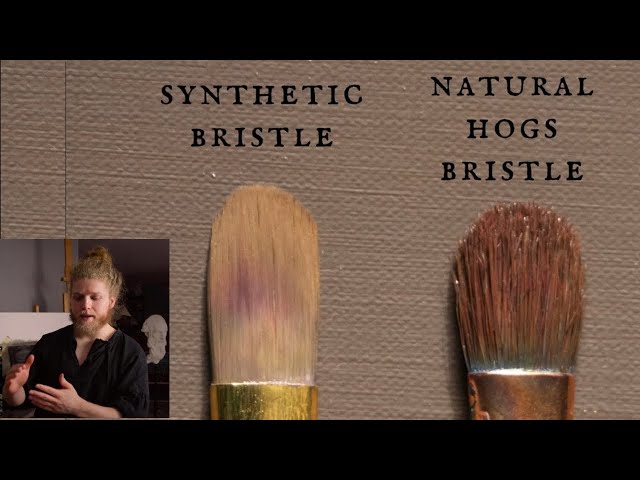
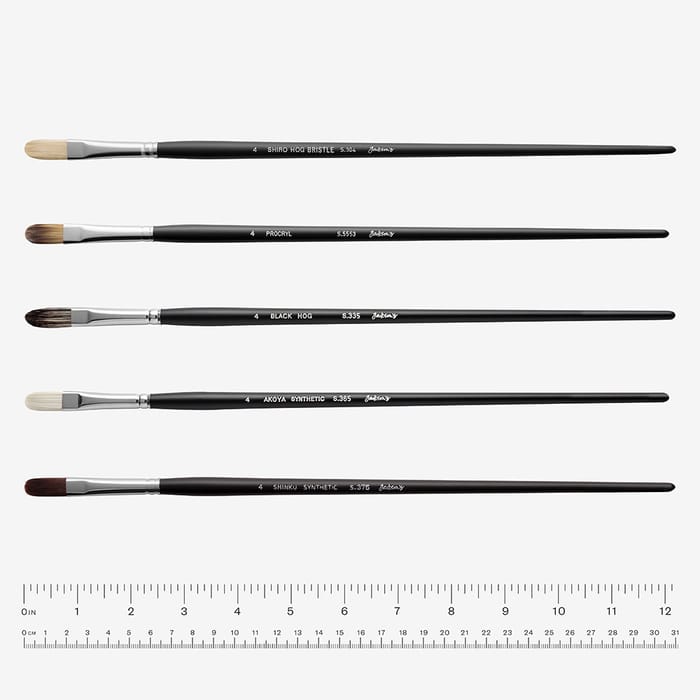
Hog hair brushes are popular tools among artists. They are known for their stiffness and strength. These brushes help paint cover large surfaces quickly. Their rough texture allows for bold brushstrokes and textured effects. Many painters use them for both craft and fine art projects.
Compared to softer brushes, hog hair brushes hold their shape well. They are affordable and durable. These features make them a favorite choice for beginners and professionals alike.
Source And Characteristics
Hog hair brushes come from the coarse hairs of domestic pigs. The bristles are thick, stiff, and have natural split ends. These split ends help hold more paint. The hairs are usually white or light-colored, sometimes dyed. Their firmness allows for strong, controlled strokes. Hog bristles are less flexible than sable hairs but offer great resilience.
Best Uses In Painting
These brushes excel at covering large areas fast. They work well for backgrounds and base layers. Artists use them for thick paint application and rough textures. Hog hair brushes are also ideal for oil and acrylic painting. They can create bold strokes and impasto effects. Their stiffness helps push paint around the canvas effectively.
Performance With Different Paints
Hog hair brushes perform best with heavy-bodied paints. Oil and acrylic paints suit these brushes perfectly. The stiff bristles handle thick paint without bending. Watercolors and thin paints are less ideal. The stiffness can make delicate washes harder to achieve. Still, they can add interesting texture in mixed media work.
Durability And Maintenance
These brushes are strong and long-lasting. Their coarse bristles resist wear even with heavy use. Cleaning requires care to keep bristles from becoming brittle. Use mild soap and warm water after each painting session. Avoid soaking for long periods to prevent damage. Proper drying keeps the brush shape intact and ready for future use.
Credit: www.jacksonsart.com
Sable Brushes
Sable brushes hold a special place in the world of painting. Known for their fine tips and smooth application, they attract many artists. These brushes offer precision and control, making them ideal for detailed work. Their unique qualities come from the material used and careful craftsmanship.
Origin And Material
Sable brushes come from the tail hair of the Siberian weasel, known as Kolinsky sable. This hair is prized for its softness and strength. The fibers hold paint well and spring back to shape after each stroke. This makes sable brushes perfect for fine lines and smooth blending.
Benefits For Artists
Sable brushes provide excellent paint control and a sharp point. They keep their shape longer than many other brushes. Artists enjoy the smooth glide on canvas or paper. These brushes work well with watercolors, oils, and acrylics. They allow for detailed and delicate work that other brushes struggle with.
Ethical Considerations
Kolinsky sable brushes involve animal hair harvested from wild weasels. The animals are often trapped and killed for their fur. This raises concerns about animal welfare. Some artists choose alternatives to avoid supporting this practice. Synthetic brushes or other natural hairs offer cruelty-free options.
Care And Longevity
Proper care extends the life of sable brushes. Rinse them gently after use to remove paint. Avoid harsh soaps and excessive scrubbing. Store brushes flat or with bristles up to keep their shape. With good care, sable brushes can last for many years.
Brush Performance Comparison
Comparing hog hair and sable brushes reveals distinct differences in their performance. Each brush type offers unique benefits that affect your painting experience. Understanding these differences helps artists choose the right tool for their needs.
Performance varies in paint application, control, medium compatibility, and cost. These factors influence the final artwork’s quality and ease of use.
Paint Application And Finish
Hog hair brushes hold more paint and release it evenly. This makes them ideal for bold strokes and textured effects. The bristles are stiff, which helps spread thick paint layers smoothly.
Sable brushes deliver finer, smoother strokes. Their soft hair allows precise control over thin paint layers. This results in a polished, detailed finish perfect for delicate work.
Brush Flexibility And Control
Hog hair is less flexible but offers firm control. It is perfect for creating strong lines and covering large areas quickly. The stiffness may limit delicate detail work.
Sable brushes are very flexible and spring back easily. This flexibility provides excellent control for detailed painting. They hold their shape well, allowing graceful, flowing strokes.
Suitability For Various Mediums
Hog hair works best with oil and acrylic paints. It handles thick, heavy paint without bending. The bristles resist wear from coarse surfaces.
Sable brushes excel with watercolor and thin oils. Their soft tips pick up and release paint smoothly. They may wear faster with rough surfaces or heavy paints.
Cost And Value
Hog hair brushes are usually more affordable and durable. They provide good value for beginners and heavy users. Their lifespan is longer with proper care.
Sable brushes are more expensive due to high-quality natural hair. They offer superior finish and control but require careful maintenance. Many artists consider them a worthwhile investment.

Credit: phin42.blogspot.com
Ethical Alternatives
Choosing brushes made from animal hair often raises ethical questions. Many artists want quality but also care about animal welfare. Ethical alternatives offer options that avoid harm to animals. These options include synthetic materials and cruelty-free natural fibers. They help artists maintain their values while enjoying good brush performance.
Synthetic Brush Options
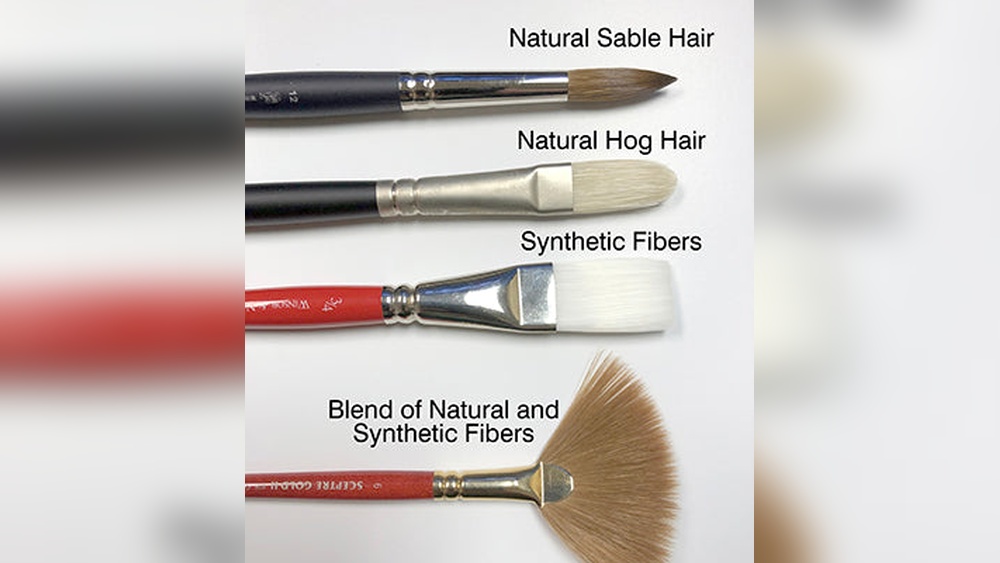
Synthetic brushes use man-made fibers. They mimic the feel of natural hair well. These brushes hold paint nicely and last long. Many synthetic brushes are soft and flexible. They work well for many painting styles. They also avoid animal cruelty entirely. Cleaning synthetic brushes is usually easy. They can be a practical choice for ethical artists.
Cruelty-free Natural Brushes
Some brushes use natural fibers without harming animals. For example, plant-based or recycled materials can replace animal hair. These fibers are less common but growing in popularity. They offer a natural feel and good paint control. These brushes support sustainability and animal welfare. They provide a middle ground for artists seeking natural textures. Cruelty-free natural brushes expand ethical options beyond synthetics.
Brands To Consider
Some brands focus on ethical brush making. They use synthetic or cruelty-free materials. Winsor & Newton offers quality synthetic brushes for artists. Escoda has a popular line of synthetic brushes called Versatil. These brands balance performance and ethics well. Choosing such brands supports cruelty-free art tools. Many artists find these brushes meet their needs fully.
Choosing The Right Brush
Choosing the right brush is key to a successful painting project. Different brushes suit different paints and effects. Hog hair and sable brushes each offer unique benefits. Knowing how to pick the right one saves time and improves your results.
Consider the type of paint, the project details, and your skill level. This helps you match the brush to your needs. The right choice feels comfortable and works well with your paint. It makes your painting easier and more enjoyable.
Matching Brush To Paint Type
Hog hair brushes work best with thick paints like oils and acrylics. Their stiff bristles handle heavy textures well. Sable brushes suit thin paints such as watercolors. Their soft hairs hold water and pigment evenly. Use hog hair for bold strokes and sable for fine details.
Project-specific Recommendations
Large canvas work calls for hog hair brushes. They cover wide areas quickly and hold lots of paint. For delicate projects like portraits or small details, sable brushes shine. They offer smooth lines and precise control. Choose based on the scale and style of your work.
Tips For Brush Selection
Test brushes before buying, if possible. Feel the bristles and check their springiness. Look for brushes that keep their shape after use. Choose a handle size that feels comfortable in your hand. Clean brushes well to extend their life. Proper care keeps them ready for your next painting.
Frequently Asked Questions
What Are Hog Hair Brushes Good For?
Hog hair brushes excel at applying thick paints and primers. They cover large surfaces quickly and handle rough textures well. Their stiff bristles provide strong control, making them ideal for base coats and heavy-bodied paints in both craft and fine art projects.
Are Kolinsky Sables Killed For Brushes?
Yes, Kolinsky sable brushes come from the tails of Siberian weasels, which are trapped and killed for their fur. Many artists avoid them due to ethical concerns. Cruelty-free synthetic alternatives offer similar quality without harming animals.
What Type Of Paint Brush Gives The Smoothest Finish?
Synthetic brushes made of nylon or polyester give the smoothest finish with water-based paints. Soft China bristle brushes also provide a smooth result. These brushes hold paint evenly and apply it smoothly, reducing brush marks for a professional look.
What Is The Best Animal Hair For Paint Brushes?
Kolinsky sable hair ranks best for paintbrushes due to its fine tip, excellent spring, and smooth paint application. It offers precision and durability, ideal for detailed work. Hog bristle suits oil painting for texture but lacks Kolinsky’s softness and control.
Conclusion
Choosing between hog hair and sable brushes depends on your art needs. Hog hair brushes work well for bold strokes and thick paint. Sable brushes offer fine control and smooth lines for detail work. Each brush type has unique strengths that suit different painting styles.
Consider your project and personal comfort when selecting a brush. Both brushes can help you create beautiful artwork. Experiment with each to find what feels right for you. Your best brush is the one that matches your technique and goals.