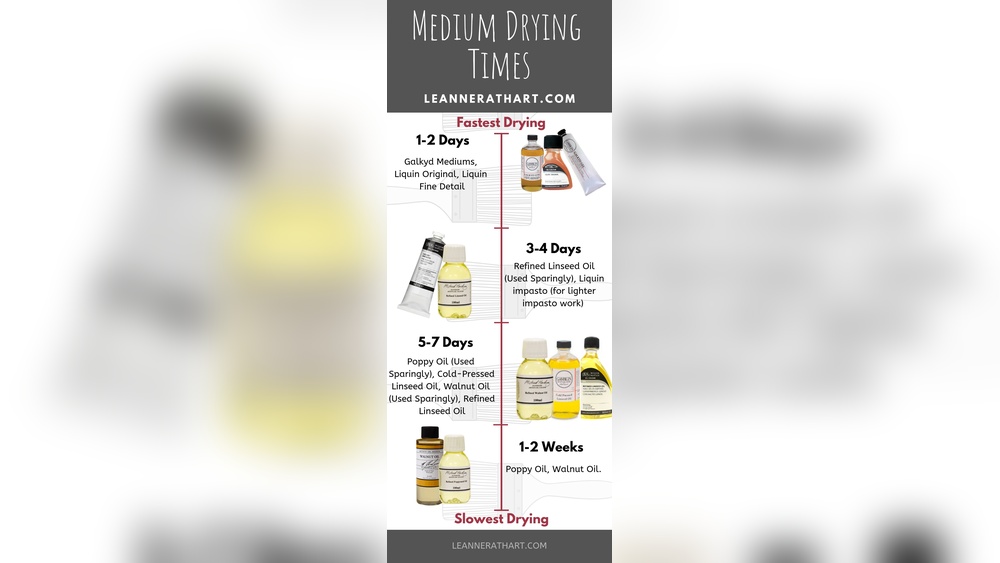
If you’ve ever started an oil painting, you’ve probably asked yourself: How long does oil paint take to dry? Understanding the drying time is key to planning your work, avoiding smudges, and achieving the perfect finish.
But here’s the catch—oil paint doesn’t dry like other paints. It can take days, sometimes even weeks, depending on several factors you might not expect. You’ll discover exactly what affects drying times, practical tips to speed up the process, and how to handle your painting while it’s still curing.
Ready to master your oil paints and avoid frustrating delays? Keep reading, because knowing this will change the way you create forever.
Drying Time Factors
The drying time of oil paint depends on several key factors. Each factor influences how fast or slow the paint hardens. Understanding these can help artists plan their work better and avoid surprises. Below are the main elements that affect oil paint drying time.
Oil Paint Composition
Oil paint contains pigments mixed with drying oils like linseed or walnut oil. The type of oil impacts drying speed. Linseed oil dries faster than walnut oil. Some pigments dry faster too, such as earth tones. Others like titanium white take longer to dry. Paints with more oil take more time to harden. Paints with less oil and more pigment dry quicker.
Environmental Conditions
Temperature and humidity play a major role in drying time. Warm, dry air speeds up drying. Cold or humid conditions slow it down. Good airflow helps remove moisture and speeds drying. Poor ventilation traps moisture and extends drying time. Direct sunlight can also speed up drying but may cause uneven drying or cracking.
Layer Thickness
Thicker layers of oil paint take longer to dry than thin layers. Thin layers dry quickly because air reaches them easily. Thick layers need more time for oxygen to react with the oils. Applying thick paint in one go can cause the surface to dry while the inside stays wet. This may lead to cracking or bubbling later. Applying multiple thin layers is better for faster, even drying.

Credit: www.reddit.com
Three Painting Rules
Understanding the three painting rules is key to managing how oil paint dries. These rules guide artists on layering paint correctly. Following them helps avoid common problems like cracking and uneven drying. They focus on the oil content, thickness, and drying speed of each paint layer. Proper layering ensures your artwork stays vibrant and durable over time.
Fat Over Lean
“Fat over lean” means each new paint layer must have more oil than the one beneath. Oil paint dries slowly from the inside out. If a lean layer (less oil) is on top of a fat layer (more oil), the top dries faster. This difference causes cracks as the bottom layer shrinks later. Start with paint thinned with solvent for the first layers. Add more oil medium like linseed oil to the paint in later layers. This keeps the paint flexible and stable.
Thick Over Thin
Apply thicker paint layers over thinner ones. Thin layers dry faster and provide a solid base. Thick layers on top dry slower and remain flexible. This prevents the surface from cracking as it dries. Thin paint layers allow better adhesion between coats. Build up texture and depth gradually with thicker paint on top. This rule helps maintain the painting’s integrity and detail.
Slow Over Fast Drying
Use slower drying paint layers over faster drying ones. Fast drying layers cure quickly and become rigid. Slow drying layers stay soft longer and can adjust to movements below. Placing slow drying paint on top prevents stress and cracking. To control drying speed, use different oils or add drying agents. This method ensures each layer bonds well and lasts longer.
Drying Time By Color
The drying time of oil paint varies with color pigments. Each pigment has unique chemical properties. These properties affect how quickly the paint dries. Understanding this helps artists plan their work better. Some colors dry faster, while others take much longer. Knowing these differences is key to managing your painting process.
Fast-drying Pigments
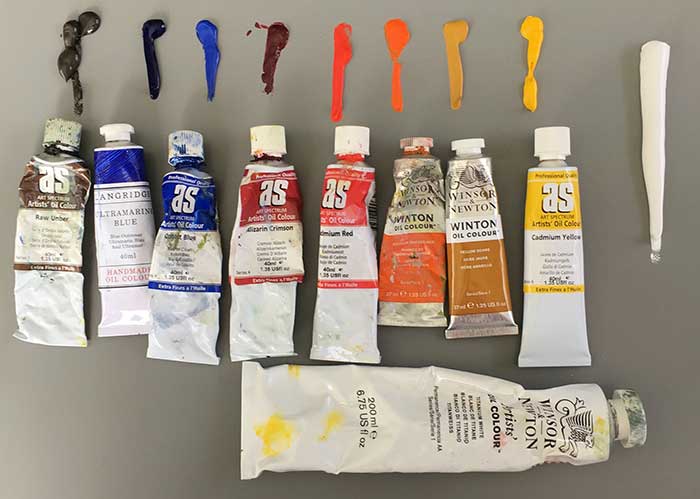
Colors like earth tones and certain yellows dry faster. Examples include raw sienna, yellow ochre, and cadmium yellow. These pigments contain chemicals that react quickly with oxygen. This speeds up the drying process. Artists often use fast-drying pigments for underpainting. They help build layers without long waiting times. Fast drying also reduces the risk of smudging.
Slow-drying Pigments
Blue and green pigments usually dry slower. Examples are cobalt blue, ultramarine blue, and viridian green. These colors have chemical structures that slow oxidation. They remain wet longer, sometimes days or weeks. Slow drying allows for smooth blending and soft effects. Artists must be patient and plan drying times accordingly. Thick layers of these colors take even longer to dry fully.
Credit: drawpaintacademy.com
Mediums And Additives
Mediums and additives play a vital role in oil painting. They affect drying time, texture, and finish. Choosing the right medium can speed up or slow down the drying process. Understanding different types helps artists control their work better. Below, we explore common mediums and additives used with oil paint.
Oils And Linseed
Linseed oil is the most popular oil medium. It makes paint smoother and more flexible. Adding linseed oil slows drying time. This allows more time for blending colors. Other oils like walnut or poppy seed oil dry slower than linseed. Artists use these oils to adjust drying speed and paint flow.
Solvents And Thinners
Solvents like turpentine and mineral spirits thin oil paint. Thinner paint dries faster than thick paint. Using solvents helps artists work quickly and create fine details. However, too much solvent can weaken the paint film. It is best to balance solvent use to speed drying without damaging the paint.
Drying Agents
Drying agents, or siccatives, speed up oil paint drying. They contain metal salts that promote oxidation. Common drying agents include cobalt and manganese driers. Adding a small amount shortens drying time significantly. Use drying agents carefully to avoid cracking or discoloration. They are useful when faster drying is needed.
Techniques To Speed Drying
Speeding up the drying time of oil paint can help artists work more efficiently. Several simple techniques make oil paint dry faster without harming the artwork. These methods focus on how the paint is applied, the environment, and the choice of colors. Using these tips can save valuable time in your painting process.
Using Thin Layers
Applying oil paint in thin layers helps it dry quicker. Thin paint dries faster because it has less oil and solvent to evaporate. Multiple thin layers build depth without long wait times. Thick paint traps moisture and slows drying. Thin layers also reduce the risk of cracks as the paint cures evenly.
Ventilation And Heat
Good airflow speeds up oil paint drying. Air movement carries away solvents and moisture from the paint surface. Use fans or open windows to improve ventilation. Warm temperatures also help the paint dry faster. A room temperature between 70 and 80 degrees Fahrenheit is ideal. Avoid direct sunlight, which can damage the paint finish.
Choosing Fast-drying Colors
Some oil paint colors dry faster than others. Earth tones like umber and sienna usually dry quickly. Colors with more oil content, such as whites and blues, take longer. Selecting fast-drying pigments cuts down wait time between layers. Check the paint tube or manufacturer details for drying speed information. Combining fast-drying colors with thin layers and good ventilation speeds the process further.
Common Drying Issues
Oil paint drying can face several common problems that affect your artwork’s finish and longevity. Understanding these issues helps you avoid damage and achieve better results. Each problem has distinct signs and causes related to the paint’s drying process and environment.
Cracking And Crazing
Cracking happens when the paint surface splits due to uneven drying. Crazing is a network of fine cracks that looks like a spider web. These issues often appear when paint layers dry at different speeds. Applying thick paint over a thin, dry layer can cause cracks. Changes in temperature and humidity also increase the risk. Cracks damage the paint film and ruin the artwork’s appearance.
Sticky Or Tackiness
Sticky paint means it has not dried completely and feels tacky to touch. This problem occurs if the paint has too much oil or if the environment is too humid. Thick paint layers take longer to dry and can remain sticky inside for months. Using certain mediums or additives can also slow drying. Avoid touching sticky areas because they attract dust and dirt, spoiling the painting.
Yellowing Over Time
Yellowing happens when the paint’s oil oxidizes and darkens with age. Some oils, like linseed, tend to yellow more than others. This change affects the paint color and clarity. Poor ventilation and exposure to smoke or heat speed up yellowing. Using high-quality, non-yellowing oils or varnishes can reduce this effect. Proper storage and display conditions help keep colors true longer.
Long-term Drying Process
The long-term drying process of oil paint involves more than just the initial dry touch. Oil paint dries through a chemical reaction called oxidation, where oxygen interacts with the oil in the paint. This reaction takes time and continues beneath the surface. Understanding this process helps artists know how to handle their paintings properly and avoid damage.
The drying time varies depending on factors like paint thickness, type of oil, and environmental conditions. While the surface may feel dry, the paint beneath can still be soft and vulnerable. Patience is key for oil paintings to fully cure and become durable.
Surface Dry Vs. Through Dry
Surface dry means the paint feels dry to touch but is not fully hardened inside. This stage can happen within days or weeks, depending on conditions. Through dry, or cured, means the paint has completely hardened throughout the layer. This process can take months or even years.
During surface dry, the paint is sensitive to scratches and damage. It is important to avoid heavy handling or varnishing too soon. Through dry ensures the paint film is stable and less prone to cracking or yellowing over time.
Curing Time Expectations
Curing time depends on paint thickness and the type of oil used. Thin layers of paint can cure in about six months. Thicker layers may take one to two years or longer. Some oils, like linseed oil, dry faster than others such as walnut or poppy oil.
Environmental factors like temperature, humidity, and airflow affect curing time. Warm, dry, and well-ventilated spaces speed up the process. Cold or humid areas slow drying and can cause issues like mold or stickiness.
Artists should plan projects with curing time in mind. Proper drying protects the artwork and helps maintain its beauty for decades. Patience benefits both the artist and the painting’s lifespan.
Tips For Preservation
Preserving an oil painting helps keep its beauty for years. Proper care slows damage and maintains color vibrancy. Drying times can vary, so correct preservation is vital.
Proper Storage
Store paintings in a dry place with stable temperature. Avoid direct sunlight to prevent fading and heat damage. Keep away from damp areas to stop mold growth. Use acid-free paper or cloth to cover paintings. Do not stack paintings; keep them upright to avoid pressure marks.
Varnishing Timing
Wait until the painting is fully dry before varnishing. This can take months for oil paint. Varnish too soon and the paint may trap moisture. This causes cloudiness or damage over time. Test dryness by touching a small area gently. Choose a varnish that suits your painting style. Apply thin layers evenly with a soft brush. Let each layer dry well before adding another.

Credit: www.reddit.com
Frequently Asked Questions
What Are The Three Rules Of Oil Painting?
The three rules of oil painting are: Fat Over Lean, Thick Over Thin, and Slow Drying Over Fast Drying. Apply each new layer with more oil, thicker paint, and slower drying time than the previous layer to prevent cracking and ensure flexibility.
What Is The 80/20 Rule In Painting?
The 80/20 rule in painting means 80% of effort focuses on preparation and planning, while 20% goes to actual painting. This boosts efficiency and quality.
Why Is My Oil-based Paint Still Tacky After 24 Hours?
Oil-based paint remains tacky after 24 hours due to thick application, high humidity, or insufficient ventilation. It dries slowly by nature.
What Helps Oil Paint Dry Faster?
Using fast-drying mediums like alkyd oil, applying thin paint layers, and increasing ventilation help oil paint dry faster. Warm, dry environments speed drying too.
Conclusion
Oil paint drying time varies by thickness, temperature, and medium used. Thin layers dry faster, usually within days. Thick layers can take weeks or even months to fully dry. Proper ventilation and warmth speed up drying. Patience helps achieve the best results in oil painting.
Understanding drying times improves your painting process. Keep these tips in mind for smoother oil paint drying. Your art will benefit from careful layer application and timing.