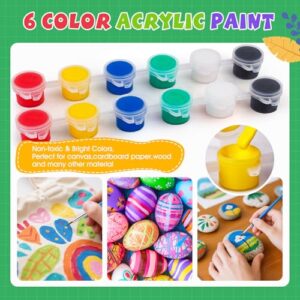
Acrylic painting is fun and rewarding. One key skill to master is blending colors. Smooth color transitions can make your artwork look professional. In this article, we’ll show you how to blend colors smoothly in acrylic paintings. Let’s dive in!

Credit: www.pinotspalette.com
Materials You Will Need
- Acrylic Paints
- Paintbrushes
- Palette
- Canvas
- Water
- Paper Towels
- Palette Knife (Optional)
Steps to Blend Colors Smoothly
1. Choose The Right Paints
Start with high-quality acrylic paints. Cheap paints may not blend well. Look for paints with good pigmentation. This will help you get smooth color transitions.
2. Prepare Your Workspace
Set up your workspace. Make sure you have good lighting. Keep your materials within reach. Prepare your palette with the colors you want to blend.
3. Wet Your Canvas
Use a damp brush to wet your canvas. This will help the paint flow better. Don’t soak the canvas. Just make it slightly damp.
4. Apply The Base Colors
Apply the first color to your canvas. Then, apply the second color next to it. Make sure the colors are still wet. This will make blending easier.
5. Use A Clean Brush
Use a clean, dry brush for blending. Wipe your brush with a paper towel. This removes any excess paint and moisture.
6. Blend The Colors
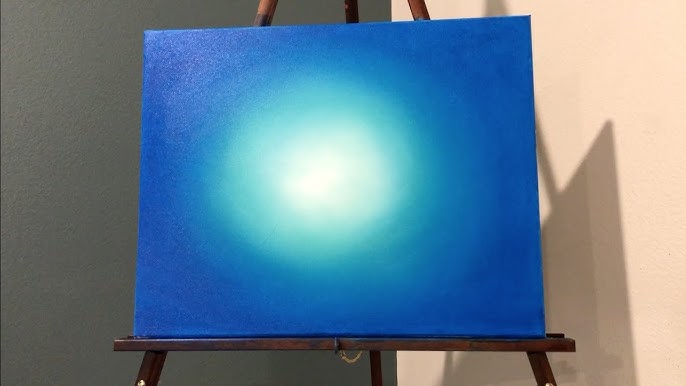
Gently brush where the two colors meet. Use light, sweeping motions. This will create a smooth transition. Repeat this until you are happy with the blend.
7. Add More Paint If Needed
If the colors don’t blend well, add more paint. Apply a small amount of each color. Then, blend again. Keep adding and blending until you achieve the desired effect.
8. Use A Palette Knife
A palette knife can help with blending. Use it to mix the colors directly on the canvas. This can create a unique texture and smooth transitions.
9. Practice Makes Perfect
Blending takes practice. Don’t be discouraged if it doesn’t look perfect at first. Keep practicing and experimenting with different techniques.
Tips for Better Blending
- Work quickly. Acrylic paint dries fast.
- Use a medium to slow down drying time.
- Experiment with different brushes.
- Use a misting spray to keep the paint wet.
- Blend in small sections for better control.
Common Mistakes to Avoid
Here are some common mistakes to avoid when blending colors:
- Using too much water. This can make the paint runny.
- Not cleaning your brush. This can muddy the colors.
- Rushing the process. Take your time for better results.
- Using cheap paints. Invest in good quality paints.
Credit: www.youtube.com
Frequently Asked Questions
What Are The Best Blending Techniques?
Use wet-on-wet, glazing, and dry brushing for smooth blends.
How To Prevent Muddy Colors?
Mix complementary colors carefully. Clean your brush often to avoid muddy colors.
What Tools Help In Blending?
Use soft brushes, sponges, or blending knives for smoother transitions.
How To Achieve Smooth Gradients?
Blend colors gradually. Use a damp brush for seamless gradients.
Conclusion
Blending colors smoothly in acrylic paintings can be challenging. But with practice and the right techniques, you can master it. Follow these steps and tips to create beautiful, seamless color transitions in your artwork. Happy painting!
Additional Resources
For more tips and tutorials, check out these resources: