Have you ever spent hours creating a beautiful acrylic painting, only to notice cracks forming as it dries? It’s frustrating, right?
You might wonder why this happens and how to stop it. Understanding why acrylic paint cracks when drying can save your artwork from damage and keep your creations looking flawless. Keep reading to discover the common causes and easy solutions that will help your paintings stay smooth and vibrant every time.

Credit: www.reddit.com
Causes Of Acrylic Paint Cracking
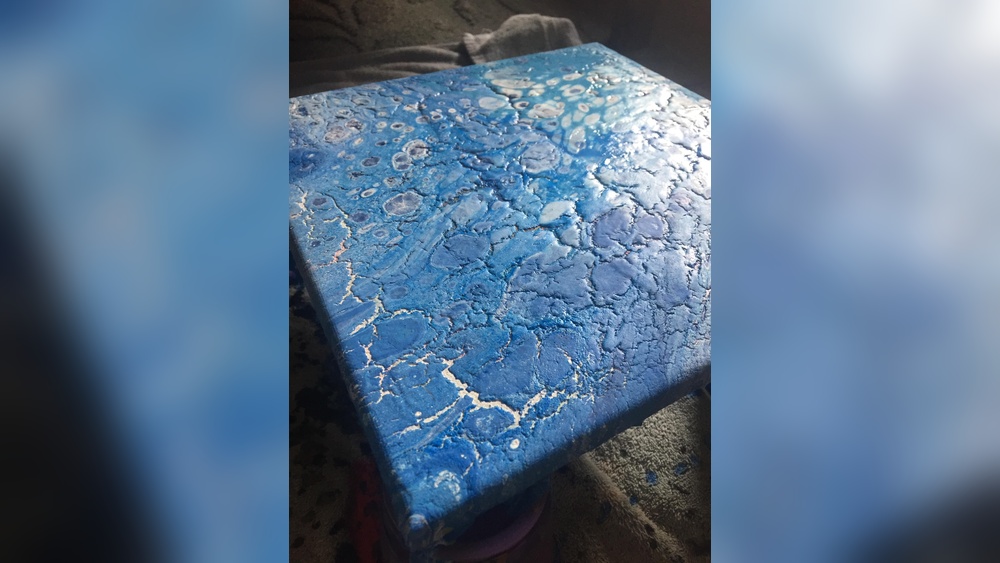
Acrylic paint cracking is a common problem for many artists. Understanding the causes helps prevent damage to your artwork. Cracks form for several reasons during the drying process. These reasons often involve how the paint is applied and the conditions around it.
Excessive Paint Thickness
Applying thick layers of acrylic paint can cause cracks. Thick paint dries unevenly, with the surface drying faster than underneath. This difference creates tension and leads to cracking. Thin layers dry more evenly and reduce cracking risk.
Rapid Drying Conditions
Fast drying causes the paint to shrink quickly. This sudden shrinkage stresses the paint film. Heat, wind, or low humidity speeds up drying and increases cracks. Slow, even drying keeps paint flexible and crack-free.
Surface Preparation Issues
Poor surface preparation affects paint adhesion. Dirty, oily, or rough surfaces prevent paint from sticking well. Paint then pulls away and cracks as it dries. Proper cleaning and priming create a smooth base for paint.
Incompatible Paint Layers
Using different types of paint together can cause cracking. For example, applying thick acrylic over thin layers or oil paint causes tension. Paint layers dry at different rates and do not bond well. Use compatible paints and consistent thickness for better results.
Environmental Factors
Environmental changes influence paint drying and cracking. Temperature swings cause paint to expand and contract. High humidity slows drying and weakens paint film. Stable temperature and humidity help paint stay smooth.
Effects Of Cracking On Artwork
Cracking in acrylic paint affects the artwork in several ways. It changes how the painting looks and can weaken its structure. These effects impact both the visual appeal and the lifespan of the piece. Understanding these effects helps artists protect their work better.
Visual Impact
Cracks break the smooth surface of the paint. This can distract viewers from the main image. Small cracks may seem like texture, but large ones spoil the overall look. Colors may fade or change around the cracks, making the painting appear old or damaged.
Structural Damage
Cracking creates weak spots in the paint layer. These areas can peel or flake off easily. Over time, more paint may chip away, causing loss of detail. The paint no longer sticks well to the canvas or surface, risking more damage.
Long-term Durability
Cracked paint reduces the artwork’s lifespan. Exposure to light, air, and moisture worsens the cracks. The painting becomes fragile and harder to preserve. Without care, the artwork may need costly restoration or could be lost completely.
Preventing Acrylic Paint Cracks
Preventing cracks in acrylic paint is key for a smooth, lasting finish. Cracks often appear as paint dries unevenly or shrinks too much. Taking simple steps can keep your artwork looking fresh and strong.
Proper Surface Preparation
Start with a clean, dry surface. Dirt and dust stop paint from sticking well. Lightly sand shiny surfaces to create grip for the paint. Use a primer to seal porous surfaces. This helps paint dry evenly and firmly.
Using Thin Paint Layers
Apply thin layers of paint rather than thick ones. Thick paint dries slower and can crack while shrinking. Thin layers dry faster and stay flexible. Let each layer dry completely before adding the next.
Controlling Drying Environment
Keep the painting area at a steady temperature and humidity. Extreme heat or cold can cause paint to crack. Avoid direct sunlight or strong air drafts. Slow, even drying helps paint stay smooth and strong.
Choosing Compatible Materials
Use paints and mediums that work well together. Mixing incompatible products causes uneven drying and cracking. Check labels for compatibility before combining. Use quality brushes and tools to apply paint evenly.

Credit: www.reddit.com
Fixing Cracked Acrylic Paint
Fixing cracked acrylic paint requires careful steps to restore your artwork or surface. Cracks can spoil the look and weaken the paint layer. Repairing these cracks properly can bring back smoothness and durability. Follow clear methods to clean, fix, repaint, and protect the surface.
Cleaning And Assessing Damage
Start by cleaning the cracked area gently. Use a soft brush or cloth to remove dust and loose paint. Check how deep and wide the cracks are. Small cracks might only need light repairs. Large cracks could mean peeling or damaged layers underneath. Knowing the damage helps plan the next steps.
Applying Flexible Mediums
Flexible mediums help fill cracks and prevent new ones. Use acrylic gel or a flexible acrylic medium to cover cracks. Apply thin layers and let each dry fully. These mediums keep the paint flexible and reduce shrinking. This step improves paint adhesion and stops future cracking.
Repainting Techniques
After fixing the cracks, repaint the area carefully. Use thin coats of acrylic paint to avoid thick, stiff layers. Thin coats dry evenly and stay flexible. Blend the new paint with the old for a smooth finish. Let each coat dry before applying the next.
Protective Finishes
Apply a protective finish to seal the paint surface. Use varnish or acrylic sealer designed for flexibility. Protective finishes guard against moisture, dust, and cracking. Choose a finish that matches your desired shine—matte, satin, or gloss. This step prolongs the life of your repaired paint.
Best Practices For Acrylic Painting
Best practices improve the quality and durability of acrylic paintings. Following simple steps helps avoid common issues like cracking. Proper care during painting ensures smooth drying and lasting results.
Selecting Quality Paints
Choose paints made by trusted brands. High-quality acrylic paints have better binders that hold the paint together. Cheap paints may dry too fast or unevenly. Quality paints keep colors vibrant and flexible, preventing cracks.
Maintaining Optimal Humidity
Keep the painting area at moderate humidity. Too dry air causes the paint to dry too fast and crack. Too much moisture slows drying and weakens the paint film. Aim for 40-60% humidity to balance drying speed and paint health.
Layering And Drying Tips
Apply thin layers of paint, not thick ones. Thick layers take longer to dry and are more likely to crack. Let each layer dry fully before adding the next. Use slow-drying mediums to control drying time. This helps paint cure evenly and stay flexible.
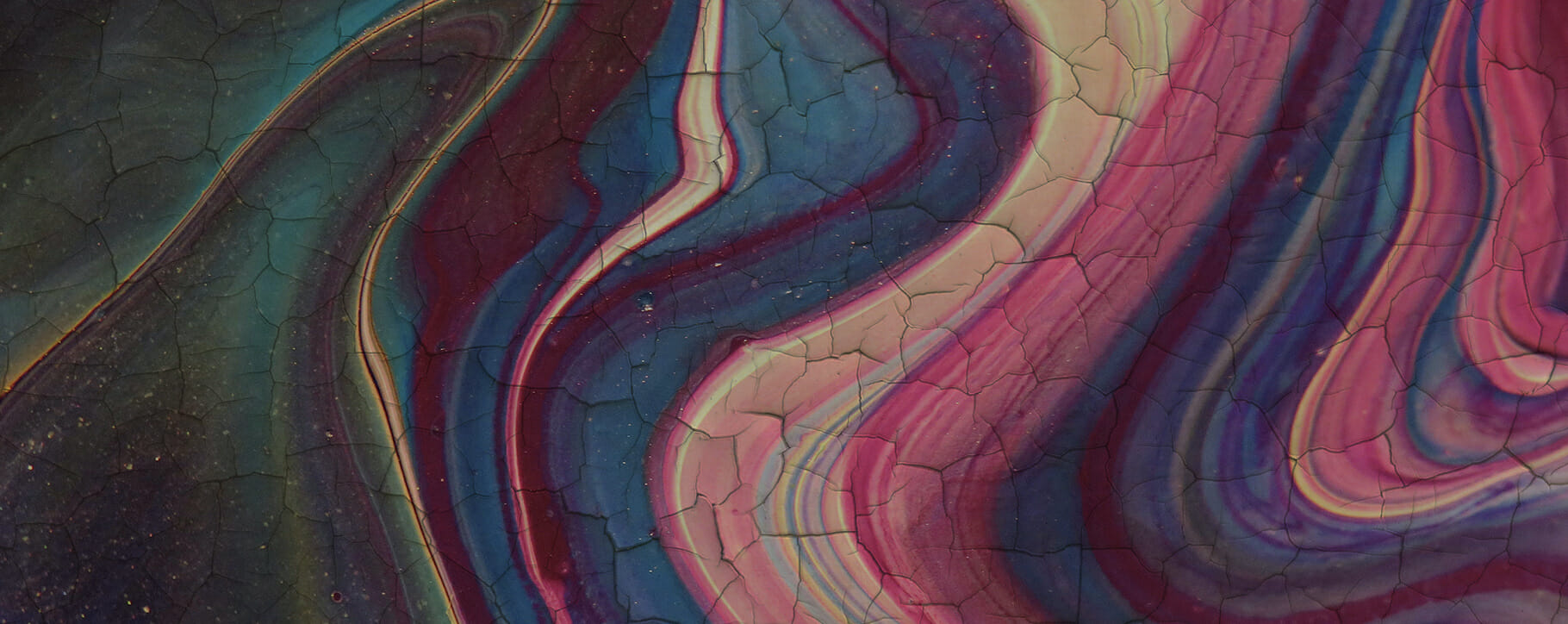
Credit: fineart-restoration.co.uk
Frequently Asked Questions
Why Does Acrylic Paint Crack When Drying?
Acrylic paint cracks when drying due to uneven thickness or rapid drying. Thick layers shrink and create tension, causing cracks. Environmental factors like heat and humidity also impact drying and cracking.
How Can I Prevent Acrylic Paint From Cracking?
To prevent cracking, apply thin, even layers of acrylic paint. Avoid drying paint too quickly by controlling temperature and humidity. Use flexible acrylic mediums to enhance paint elasticity and durability.
Does The Paint Brand Affect Cracking Risk?
Yes, paint quality affects cracking. High-quality acrylic paints contain better binders and pigments, reducing cracking risk. Cheaper paints may dry unevenly and shrink more, causing cracks.
Can Old Acrylic Paint Cause Cracking?
Old acrylic paint can crack if it has dried out or thickened. Expired paint loses flexibility and adhesion, leading to cracking. Always use fresh paint and store it properly.
Conclusion
Acrylic paint cracks because it dries too fast or is applied too thickly. Paint needs time to dry evenly. Using the right surface helps prevent cracking. Keeping paint layers thin and flexible reduces damage. Temperature and humidity also affect drying.
Knowing these tips helps you create smoother paintings. Avoid common mistakes to keep your art looking fresh. Practice patience and proper technique for best results. Paint with care, and your work will last longer.