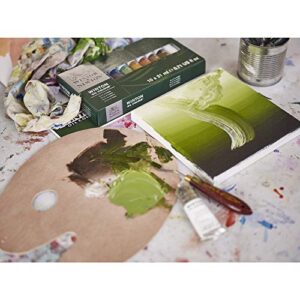
Quick answer: To use acrylic gloss medium on canvas, mix it into your paint to thin colors and create transparent glazes, brush it between layers as an isolation coat, or apply a thin even coat over a finished, fully dry painting to unify the shine. Work on a primed canvas, apply in thin layers with a soft wide brush, let each coat dry before the next and remember that it looks milky wet but dries clear.
A canvas painted in acrylic often dries with a patchy surface: some colors shiny, others flat, darks looking sunken. Gloss medium solves much of that. It also turns opaque paint into luminous glazes and protects layers as you work. This guide explains exactly how to use acrylic medium gloss on canvas at each stage, from priming to the final coat.
You will find step-by-step methods, mixing ratios, brush and drying tips, and fixes for streaks, bubbles and cloudiness. For product comparisons, our guide to the best acrylic gloss mediums for painting covers current options.
What Gloss Medium Does on Canvas
Acrylic gloss medium is the clear acrylic polymer binder found in paint, usually in a fluid, pourable form. On canvas it serves several roles:
- Thinning paint without weakening the film, unlike heavy water dilution.
- Glazing transparent color over dry layers.
- Isolating finished layers so later work does not disturb them.
- Evening out sheen across a painting that dried with patchy shine.
- Deepening colors, especially darks, which can look dull or “sunken” when matte.
- Sealing collage elements glued onto the canvas.
Gloss medium is not the same as a picture varnish. Varnishes are generally designed to be removable for future cleaning and often include UV protection. Gloss medium becomes a permanent part of the painting. Many artists use both: gloss medium as an isolation coat, varnish on top.
Before You Start: Canvas Preparation
Most store-bought canvases come pre-primed with acrylic gesso, which is fine for gloss medium. If you are stretching raw canvas, apply two or three thin coats of gesso first and sand lightly between coats for a smoother surface.
Some painters brush a coat of gloss medium directly onto raw canvas or linen as a clear size when they want the fabric color to show. This seals the fibers and helps reduce support-induced discoloration, a yellowish staining that can occur when moisture pulls impurities out of raw fabric. Gesso over that clear layer is optional.
Method 1: Mixing Gloss Medium Into Paint
This is the most common use. Mixing gloss medium into paint on the palette changes how the color behaves on canvas.
- Squeeze paint onto the palette.
- Add gloss medium with a palette knife; start around one part medium to one part paint.
- Mix until uniform.
- For a glaze, keep adding medium until the paint becomes see-through; many glazes land at somewhere around five to ten parts medium to one part paint.
- Test on the edge of the canvas or a scrap, and let it dry.
- Apply with a soft brush in thin, even strokes.
Ratios and results
| Medium : paint | Look on canvas | Good for |
|---|---|---|
| 1 : 3 | Slightly smoother flow, more sheen | Opaque layers with better leveling |
| 1 : 1 | Semi-opaque, glossy | Smooth blending areas, extending paint |
| 5 : 1 | Transparent glaze | Shifting color temperature, shadows |
| 10 : 1 or more | Very sheer tint | Subtle color unifying, atmospheric effects |
Method 2: Glazing on Canvas With Gloss Medium
Glazing builds rich color through transparent layers, letting light pass through each layer and bounce back from the layers beneath. It is how you get glowing skin tones, deep water and luminous skies.
- Make sure the underpainting is fully dry. Glazing over damp paint lifts and muddies it.
- Mix a transparent glaze. Transparent pigments, such as phthalos, quinacridones and many earth transparents, give the cleanest results.
- Load a soft, wide brush. Synthetic flats or filberts work well.
- Brush in one direction, then lightly level. Keep strokes long and smooth. Avoid scrubbing back and forth once the glaze starts to set.
- Soften edges. Use a clean damp brush or a soft cloth to fade glaze edges.
- Let dry and repeat. Multiple thin glazes look better than one heavy one.
Glazing tips
- Work in a moderately humid room or add a little retarder if the glaze sets too fast.
- Tone the canvas or underpainting in contrasting values to give glazes something to modify.
- Darken shadows with glazes of complementary or cooler colors rather than black.
- Warm highlights subtly with a sheer yellow or orange glaze.
Method 3: Isolation Coat Between Layers
An isolation coat is a thin clear layer that separates finished paint from what comes next, whether that is more painting or a final varnish.
- Let the painting dry thoroughly, ideally a day or more for thicker work.
- Dilute gloss medium slightly with water if needed for flow. Manufacturer guidance varies, so a modest amount of water is a common choice.
- Lay the canvas flat to prevent drips.
- Brush on a thin, even coat with a wide soft brush, working in one direction and slightly overlapping strokes.
- Check at an angle under light for missed spots.
- Let dry completely before painting further or varnishing.
Isolation coats also make it easier to wipe away a mistake in later layers without disturbing earlier work.
Method 4: Final Gloss Coat for Even Sheen
If a painting dried with uneven shine, a final coat of gloss medium can unify it. Apply it the same way as an isolation coat. For a removable, UV-protective finish, follow it with a gloss varnish once dry.
If you want less shine overall, gloss medium can be followed by a satin or matte varnish. Applying gloss first and matte on top often gives clearer darks than using matte products alone.
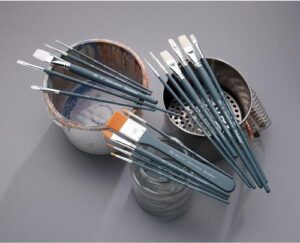
Brushes and Tools
| Tool | Use |
|---|---|
| Wide soft synthetic flat (1 to 3 inches) | Isolation coats, final coats, large glazes |
| Soft filbert | Glazing shapes and softening edges |
| Foam brush | Small canvases; can create bubbles, so use gently |
| Palette knife | Mixing medium and paint |
| Lint-free cloth | Wiping glazes, softening edges |
Avoid stiff bristle brushes for clear coats; they leave visible streaks in gloss films.
Gloss Medium for Different Painting Styles
Realism and portraits
Thin glazes mixed with gloss medium refine skin tones, deepen shadows and soften transitions. Several sheer passes give more control than repainting opaque areas. An isolation coat partway through lets you experiment with glazes and wipe them off if they go wrong.
Landscapes
Glazes of blue or violet push distant hills back, while warm glazes bring foreground elements forward. Gloss medium also helps water and wet rocks look reflective, especially when the rest of the painting is finished in satin.
Abstract and color field work
Large, even transparent layers rely on good leveling. A fluid gloss medium with a touch of water spreads smoothly with a wide brush or squeegee. Layering many thin veils creates depth that flat opaque paint cannot.
Mixed media on canvas
Gloss medium glues and seals paper, fabric and printed elements onto canvas, then lets you glaze over them so collage pieces blend into the painting.
Stretched Canvas vs Canvas Boards
Stretched canvas has some give, so pressing hard with a brush can make the surface bounce and leave uneven coats. Support the back with a block of wood or a book of the right size while coating, or simply use light pressure. Canvas boards are rigid and easier to coat evenly, but they can warp slightly if very wet coats are applied to one side only; thin coats prevent this.
What If the Painting Ends Up Too Shiny?
High gloss can cause glare that makes paintings hard to view under some lighting. If that happens, apply a satin or matte varnish over the dry gloss layer once fully cured. The gloss medium underneath still keeps darks clear and deep, while the top layer softens reflections. Test the varnish on a sample board first, since matte products can look slightly cloudy over very dark colors if applied thickly.
Drying and Curing
Thin coats usually feel dry within about 30 minutes to an hour. Thicker applications take longer, and full curing of acrylic films continues for days. Gloss medium looks milky while wet; if it still looks cloudy after drying, the layer may be too thick or the environment too cool or humid.
Keep fresh coats away from dust. Lay the canvas flat in a clean room, and consider tenting a sheet of cardboard over it, leaving space for airflow.
Troubleshooting Gloss Medium on Canvas
Streaks or brush marks
The medium was overbrushed as it began to set, or the brush was too stiff. Use a soft wide brush, load generously, and lay strokes down with minimal reworking. A slightly diluted medium levels better.
Bubbles and foam
Shaking the bottle or vigorous brushing introduces air. Stir instead of shaking, let the medium rest, and brush gently. Small bubbles can be popped with a pin or a quick pass of a heat tool held at a safe distance.
Cloudy or milky patches
Thick puddles or high humidity slow the clearing process. Give it time; if it stays cloudy, apply thinner coats in the future.
Uneven shine
Missed spots or varied thickness. Apply another thin, even coat over the entire canvas.
Dust or hairs trapped
Remove with tweezers while wet, or lightly sand after drying and apply another coat.
Tacky surface
Acrylic films can stay slightly tacky in humid conditions. Let it cure longer, and add a final varnish if paintings will be stacked or stored against other surfaces.
Cleaning Brushes After Gloss Medium
Gloss medium is pure binder, so it hardens in brushes even faster and more firmly than paint. Rinse the brush in water as soon as you finish a coat, then wash it with mild soap, working lather into the base of the bristles. Rinse until no milky residue remains, reshape and dry flat. Keeping a dedicated wide brush only for clear coats prevents stray pigment from tinting a final layer.
Gloss Medium vs Varnish on Canvas
| Feature | Gloss medium | Picture varnish |
|---|---|---|
| Removable | No | Often yes (check label) |
| Can mix with paint | Yes | No |
| UV protection | Usually not | Often included |
| Main role | Glazing, thinning, isolation | Final protective finish |
| Can be painted over | Yes | Generally not intended |
Common Mistakes
- Applying gloss medium over paint that is not fully dry.
- Laying one thick coat instead of thin, even coats.
- Using an old, stiff or shedding brush.
- Coating a painting standing upright, causing drips and sags.
- Judging the glaze color while the medium is still white.
- Treating gloss medium as a removable varnish.
For guidance on choosing a gloss medium that levels well for canvas work, see our comparison of leading acrylic gloss medium options.
FAQs
Can you put gloss medium directly on canvas?
Yes. It can be brushed onto primed canvas, or onto raw canvas as a clear size before gesso or painting. It seals the surface and dries clear.
Should I use gloss medium before varnishing?
Many painters apply a gloss medium isolation coat before varnishing. It protects the paint layer and helps the varnish go on evenly, and it allows the varnish to be removed later without touching the paint.
How many coats of gloss medium should I apply?
One or two thin coats are usually enough for isolation or sheen unification. Let each coat dry before adding another.
Can I mix gloss medium with water?
Yes, in modest amounts. A little water improves flow for brushing thin coats, while keeping enough binder for a strong film.
Will gloss medium yellow over time?
Acrylic polymer mediums are generally known for good resistance to yellowing compared with older oil-based varnishes. Thick layers, poor storage or impurities can still affect clarity.
Can I use gloss medium on a painting done in craft acrylics?
Yes. It can help improve sheen and durability on craft acrylic paintings, which often dry with a chalky matte finish.
Final Thoughts
On canvas, acrylic gloss medium is your tool for transparent glazes, protective isolation coats and a unified, deep finish. Prepare the canvas, mix sensible ratios, apply thin coats with a soft brush and let each layer dry. To find a medium that suits your painting style, explore our picks for the best gloss mediums for acrylic canvas work.