Choosing the right canvas can make all the difference in how your painting turns out. You might think any canvas will do, but the truth is, your choice affects texture, durability, and how your colors come to life.
If you’ve ever felt frustrated by your artwork not looking quite right, it could be your canvas holding you back. You’ll discover simple, practical tips to pick the perfect canvas that matches your style and needs. By the end, you’ll be confident in selecting a canvas that lets your creativity shine and helps your art stand out.
Ready to find the ideal canvas for your masterpiece? Let’s dive in.
Canvas Types
Choosing the right canvas is essential for a successful painting project. Different types of canvas offer unique qualities that affect your artwork. Understanding these options helps you pick the best surface for your style and medium.
Cotton Vs Linen
Cotton canvas is the most common choice. It is affordable and easy to stretch. This canvas absorbs paint well and works for beginners.
Linen canvas is stronger and more durable. It has a smoother surface and fine texture. Artists who want high quality often prefer linen. It lasts longer but costs more.
Synthetic Options
Synthetic canvases use polyester or other man-made fibers. They resist moisture and do not warp easily. This makes them good for humid areas. They also have a consistent surface and are budget-friendly.
Synthetic options may feel less natural but hold paint well. Ideal for acrylics and oils, they offer a modern alternative to traditional canvases.
Texture Variations
Canvas texture affects how paint applies and looks. Rough textures hold more paint and create bold effects. Smooth canvases allow fine details and delicate brushwork.
Choose texture based on your technique. Heavy texture suits thick paint and impasto styles. Fine texture works best for realism and detailed work.
Canvas Weight
Canvas weight plays an important role in your painting experience. It affects the texture, durability, and how the paint reacts. Choosing the right weight depends on your painting style and medium. Lighter canvases are easier to handle, while heavier ones offer more support. Understanding canvas weight helps you make better art.
Lightweight Canvases
Lightweight canvases usually weigh less than 7 ounces per square yard. They have a fine texture and a smooth surface. These canvases work well for detailed paintings and light washes. Artists who prefer watercolors or acrylics often choose lightweight options. They are easy to stretch and transport. However, they may not hold heavy paint well.
Medium Weight Choices
Medium weight canvases range from 7 to 10 ounces per square yard. They offer a balance between durability and flexibility. This weight suits most painting techniques and mediums. Many artists pick medium weight canvases for oil or acrylic painting. The texture allows good paint absorption and detail work. They are also sturdy enough for repeated use.
Heavy Duty Options
Heavy duty canvases weigh over 10 ounces per square yard. These are thick and strong, ideal for heavy paint layers. They resist warping and damage during long projects. Heavy canvases provide a rough texture that adds character to paintings. They work great with oils and impasto techniques. Expect them to be less flexible but very durable.
Canvas Size
Choosing the right canvas size shapes your painting experience. Size affects detail, space, and final display. Picking the correct size helps your art stand out and fit your vision perfectly.
Standard Dimensions
Standard canvas sizes suit many artists and projects. Common options include 8×10, 16×20, and 24×36 inches. These sizes fit well in galleries and homes. They offer balance between work area and manageability. Beginners often start with these sizes for practice and easy framing.
Custom Sizes
Custom canvases allow unique dimensions. Choose these for special projects or unusual spaces. Custom sizes let you explore different shapes and perspectives. They can fit a specific wall or create a dramatic look. Many suppliers offer custom options with varied thickness and materials.
Matching Artwork Scale
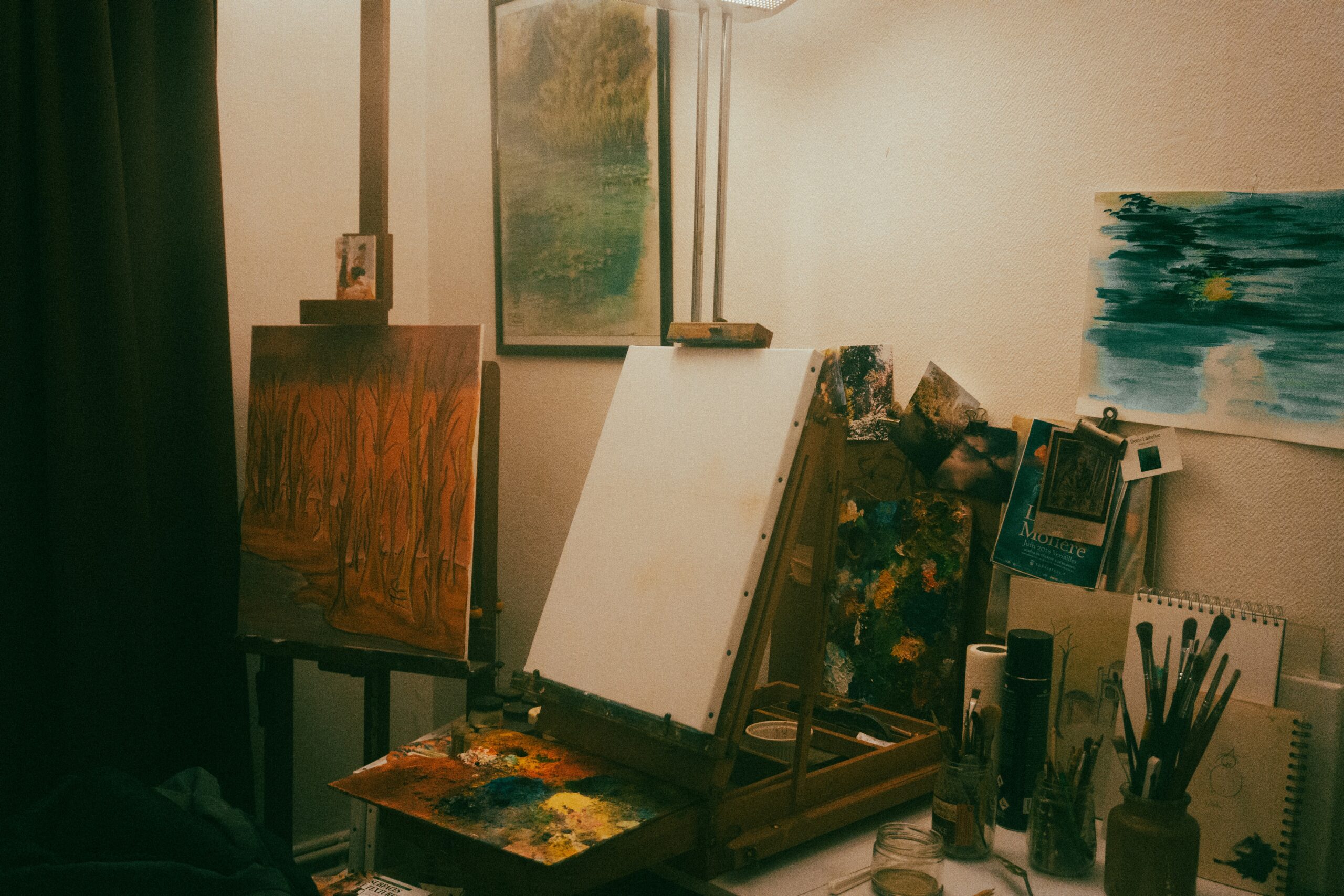
Match canvas size to your artwork’s scale. Large paintings need bigger canvases for bold impact. Small, detailed works look best on smaller canvases. Consider your painting style and subject. Large scenes with many details require more space. Minimalist art often benefits from smaller sizes to keep focus.
Credit: www.bbcmaestro.com
Surface Preparation
Preparing your canvas surface sets the foundation for a successful painting. Proper surface preparation helps paint adhere better and last longer. It also influences texture and color vibrancy. Understanding the differences in canvas types and preparation methods improves your painting experience.
Primed Vs Unprimed
Primed canvases come coated with a layer of gesso. This layer protects the fibers and prevents paint from soaking in too much. It offers a smooth, consistent surface ready for painting. Unprimed canvases are raw and absorb paint quickly. They require priming before use to avoid damage and uneven absorption.
Choose primed canvas for convenience and uniform texture. Opt for unprimed canvas if you want to apply your own primer or enjoy a rougher texture.
Toning The Canvas
Toning means applying a thin layer of color before starting your painting. This step reduces glare from the white surface. It also helps establish a mood or base tone for your artwork. Neutral or warm tones work well to create depth and balance. Toning can save time by unifying the colors in your painting.
Use acrylic washes or thinned oil paint for toning. Let the tone dry completely before adding your main paint layers.
Sealing Techniques
Sealing your canvas protects it from moisture and dirt. It also strengthens the surface and improves paint adhesion. Common sealers include acrylic mediums and clear gesso. Apply sealers thinly and evenly to avoid texture buildup. Some artists seal the back of the canvas to prevent warping.
Seal your canvas after priming and toning. Allow each layer to dry thoroughly for best results.
Frame And Stretching
Choosing the right frame and stretching for your canvas is vital for a quality painting surface. A well-stretched canvas stays tight and flat. This helps paint sit evenly and prevents cracking over time. Understanding different framing options improves your painting experience and outcome.
Stretcher Bars
Stretcher bars form the wooden frame that supports the canvas. They come in various sizes and thicknesses. Look for strong, warp-resistant wood like pine or fir. Bars with smooth edges prevent damage to the canvas fabric. The bars should join tightly at the corners for a solid frame. A sturdy frame keeps the canvas taut and stable.
Pre-stretched Canvases
Pre-stretched canvases come ready to paint. These are stretched and stapled on stretcher bars by manufacturers. They save time and effort for beginners or busy artists. Check the tension by pressing lightly; the surface should feel firm, not loose. Pre-stretched canvases are ideal for quick setup and consistent quality.
Diy Stretching Tips
Stretching your own canvas allows custom sizes and tightness. Use canvas pliers to pull the fabric evenly across the frame. Start stapling from the middle of each side and work toward the corners. Keep the fabric tight but avoid overstretching, which can tear it. Check for wrinkles and smooth them out as you go. Proper DIY stretching ensures a smooth, durable painting surface.

Credit: www.americanframe.com
Budget Considerations
Choosing the right painting canvas means balancing your budget with quality needs. Canvas prices vary widely, but affordable options can still offer good results. Understanding where to invest and where to save helps you get the best canvas for your money. Keep in mind your painting goals and how much you want to spend. This section guides you through smart budget choices for your canvas purchase.
Cost Vs Quality
Cheap canvases may feel rough or thin. High-quality canvases last longer and hold paint better. Consider how often you paint and the style you use. If you paint daily, investing in better canvas pays off. For occasional use, mid-range canvases can work well. Always check canvas material and construction. Cotton and linen offer different durability and texture. Balance cost with the canvas’s expected lifespan and your painting style.
Where To Buy
Art supply stores offer a wide range of canvases with expert advice. Online shops provide more variety and often better prices. Local stores let you see and feel the canvas before buying. Online options save time and sometimes include reviews. Compare prices and shipping costs before choosing. Bulk buying can lower the cost per canvas. Check for sales or discounts. Make sure the seller is reliable and returns are easy if needed.
Value Picks
Some brands offer good quality at lower prices. Look for canvases with pre-stretched cotton or linen. These save time and money on preparation. Budget-friendly canvases often come in standard sizes, which are cheaper. For beginners, these canvases work fine. Test a small canvas before buying many. Also, consider canvases with a medium texture; they suit various painting techniques. Value picks help you practice without breaking your budget.
Painting Medium Compatibility
Choosing the right canvas depends greatly on the painting medium. Each medium interacts differently with canvas types. Understanding this compatibility helps ensure your artwork lasts long and looks vibrant.
Oils On Canvas
Oil paints need a strong, primed canvas. Linen is a popular choice due to its durability. Cotton canvas works well if it is properly primed with oil-based primer. Avoid unprimed canvas as oil paint can damage it over time. A well-prepared surface helps oil paint adhere better and prevents cracking.
Acrylics And Canvas
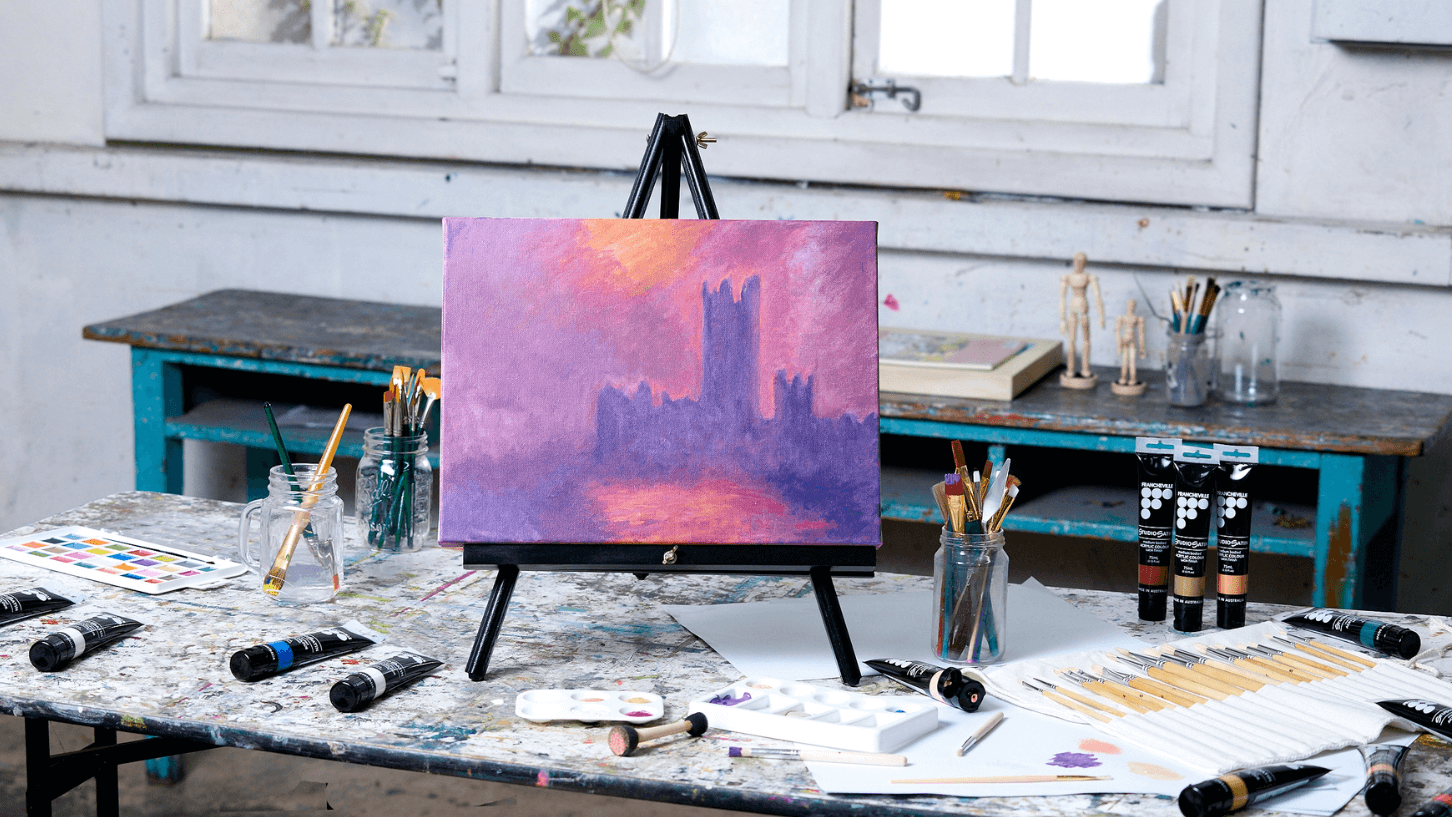
Acrylic paints are versatile and work on many canvas types. Cotton canvases with acrylic gesso primer are common and affordable. Acrylics dry faster than oils, so the canvas should absorb less moisture. This keeps the paint flexible and vibrant. Stretched canvas or canvas panels both suit acrylic painting well.
Mixed Media Use
Mixed media requires a canvas that can hold various materials. Choose a heavy, tightly woven canvas for extra support. Priming is important to prevent warping or damage. Some artists prefer canvas boards or panels for stability. Ensure the canvas surface is suitable for layering different paints and textures.
Durability And Longevity
Choosing a painting canvas involves more than size and texture. Durability and longevity are key factors. A strong canvas protects your artwork over time. It keeps colors bright and details sharp. Understanding these aspects helps you pick the right canvas for lasting beauty.
Archival Quality
Archival quality means the canvas resists aging and damage. Look for materials that do not yellow or weaken. Cotton and linen canvases often offer good archival properties. Primed canvases with acid-free coatings increase longevity. These prevent mold and deterioration. Artists value archival canvases for preserving their work.
Environmental Factors
Environmental conditions affect canvas durability. High humidity can cause mold and warping. Direct sunlight fades paints and weakens fibers. Temperature changes lead to canvas stretching or shrinking. Choose a canvas that withstands your local climate. Consider sealed edges or protective finishes for extra defense.
Storage Tips
Proper storage extends your canvas’s life. Store paintings upright to avoid pressure marks. Keep canvases in a dry, cool place away from sunlight. Use breathable covers to protect from dust and pests. Avoid damp or overly hot areas. Careful storage maintains canvas tension and paint quality.
Choosing For Style
Choosing the right canvas affects the style of your painting. Your choice shapes how your artwork feels and looks. Consider the texture, color, and overall impact before buying. Each factor plays a role in expressing your artistic vision. Below are key points to guide your decision.
Smooth Vs Textured Surfaces
Smooth canvases have little to no texture. They allow fine details and clean lines. Great for realism and detailed work.
Textured canvases have a rougher feel. They add depth and character to your painting. Ideal for expressive and bold styles.
Your style will guide your choice. Smooth surfaces suit delicate strokes. Textured surfaces enhance brush marks and layering.
Canvas Color Options
Primed canvases often come in white, beige, or gray. White brightens colors and makes them pop. Beige tones give a warm base to your painting. Gray can mute colors for a softer look.
Unprimed canvases have a natural, off-white color. They absorb paint differently and create unique effects. Choose color based on your mood and style.
Impact On Final Look
The canvas texture changes paint absorption and drying time. It can highlight brush strokes or create a smooth finish. Color influences mood and harmony in your artwork.
Your canvas choice sets the tone of your painting. It supports your artistic expression and style. A thoughtful selection improves the overall feel and presentation.
Credit: www.spotlightstores.com
Frequently Asked Questions
What Is The 70/30 Rule In Art?
The 70/30 rule in art balances composition by dedicating 70% to simpler areas and 30% to detailed focal points. It guides color, form, and detail contrast to create visual interest and harmony.
How To Choose A Canvas For Painting?
Choose canvas size based on your artwork dimensions. Select weight for durability and paint type. Pick texture—smooth for fine details, rough for bold strokes. Opt for quality cotton or linen for longevity. Ensure the canvas is pre-stretched or prime it before painting.
What Is The 80/20 Rule In Painting?
The 80/20 rule in painting means 80% of the artwork uses simple shapes or calm colors. The other 20% focuses on detailed, intense areas to create balance and interest. This guides composition, color, and detail placement for effective, visually appealing paintings.
What Is The 2 3 Rule For Wall Art?
The 2/3 rule for wall art means the artwork’s width should be about two-thirds the width of the furniture below it. This creates balanced, visually pleasing proportions without overpowering the space. Adjust size based on room scale and personal style for best results.
Conclusion
Choosing the right painting canvas shapes your artwork’s final look. Consider size, weight, and texture carefully. These factors affect how paint behaves and how your art feels. A good canvas supports your style and medium well. Take time to compare options before buying.
Trust your instincts and enjoy the creative process. The right canvas helps your ideas come alive beautifully.