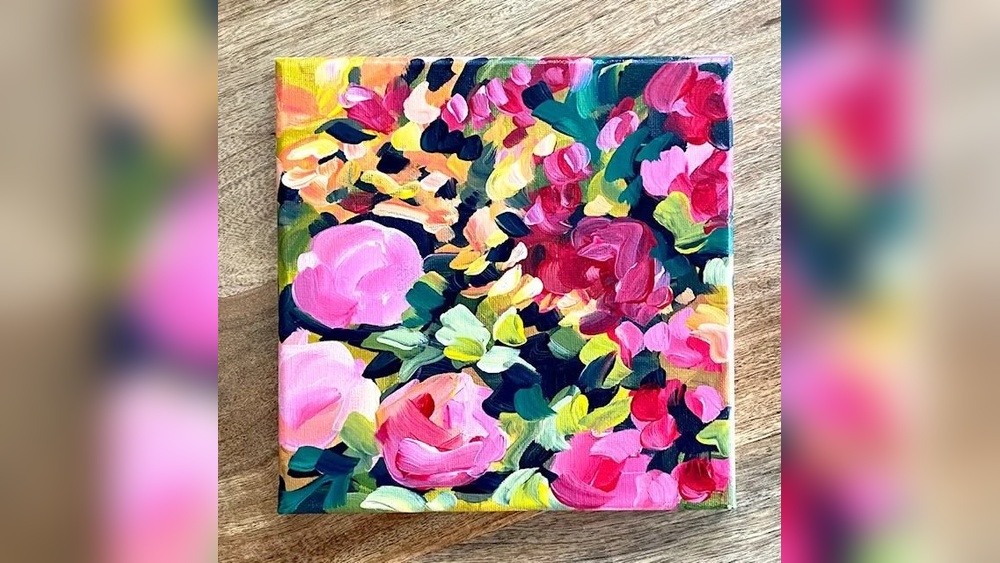
If you’ve ever admired the effortless beauty of loose floral paintings and wondered how to create your own, you’re in the right place. Loose floral acrylic painting lets you capture the fresh, vibrant spirit of flowers without getting bogged down in tiny details.
Imagine turning simple brushstrokes into stunning blooms that brighten any room. In this guide, you’ll discover easy steps and practical tips to help your creativity flow freely. Whether you’re a beginner or looking to loosen up your style, this approach will make painting flowers fun and relaxing.
Ready to bring your floral visions to life with acrylics? Let’s dive in and get those brushes moving!
Choosing Your Supplies
Choosing the right supplies shapes your painting experience. Quality materials help create vibrant and loose floral acrylic art. Simple tools suit beginners and professionals alike. Focus on paints, brushes, and surfaces. These choices affect texture, color, and ease of use.
Selecting Acrylic Paints
Pick paints with bright, rich colors. Artist-grade acrylics offer better pigment and blend well. Choose a basic palette: white, red, blue, yellow, and green. Transparent and opaque paints add depth to flowers. Avoid cheap paints that may crack or fade over time.
Brush Types And Sizes
Use soft synthetic brushes for smooth strokes. Flat brushes work great for petals and leaves. Round brushes help create fine details and curves. Large brushes cover backgrounds quickly. Small detail brushes add highlights and tiny shapes. Keep several sizes on hand for variety.
Canvas And Other Surfaces
Canvas boards are affordable and easy to handle. Stretched canvas offers a classic feel and durability. Acrylic paper suits practice and studies. Wood panels give a sturdy, smooth surface. Choose a surface that matches your style and budget.

Credit: www.youtube.com
Setting Up Your Workspace
Setting up your workspace is the first step to a smooth painting process. A clean, organized area helps you focus on your loose floral acrylic painting. It reduces distractions and makes painting more enjoyable. Preparing your tools and environment carefully sets the stage for creativity.
Organizing Materials
Gather all your paints, brushes, and palettes before you start. Place them within easy reach to avoid interruptions. Keep water and cloths nearby for quick brush cleaning. Sort your colors roughly from light to dark for faster mixing. This simple setup keeps your workflow steady and fun.
Preparing The Canvas
Choose a canvas size that fits your space and project. Apply a layer of gesso to create a smooth surface. Let it dry completely for better paint adhesion. Lightly sketch your floral shapes with a pencil if you like. This step gives you a loose guide without stiff lines.
Lighting And Environment
Work near natural light or use daylight bulbs to see true colors. Avoid harsh shadows by placing your light source at an angle. Keep your space well ventilated to stay comfortable. Play soft music or keep silence, whichever sparks your creativity. A calm environment helps your loose floral painting flow freely.
Basic Techniques For Loose Florals
Creating loose floral acrylic paintings allows for expressive and vibrant artwork. The key lies in mastering simple techniques that emphasize freedom over precision. These basic methods help capture the essence of flowers with boldness and charm.
Understanding how to handle your brush and paint shapes the entire process. You do not need to focus on tiny details. Instead, you build layers, use broad strokes, and add texture to bring your florals to life.
Using Broad Strokes
Start by using large brushes or flat ones to apply paint in wide, sweeping motions. Broad strokes form the basic shapes of petals and leaves. This approach keeps your painting fresh and spontaneous.
Do not worry about perfect edges. Let the strokes overlap and blend softly. This technique gives your florals a loose and airy feel, avoiding stiffness.
Layering Colors
Apply paint in thin layers to build depth and richness. Begin with light colors as the base and add darker or brighter hues on top. Layering creates a sense of volume in your flowers.
Each new layer should dry slightly before adding another. This prevents colors from mixing into muddy tones. Layering also allows you to adjust shapes and add highlights gradually.
Incorporating Texture
Texture adds interest and life to your floral painting. Use different brush types, such as fan brushes or sponges, to create varied effects. You can also dab or scrape paint for rough textures.
Thicker paint application in some areas helps flowers pop off the canvas. Experiment with texture to make your loose florals more dynamic and visually appealing.

Credit: www.youtube.com
Creating Floral Shapes
Creating floral shapes in loose acrylic painting is about capturing the essence, not the details. The goal is to suggest flowers with simple forms and bold strokes. This style allows freedom and creativity, making each flower unique. Embrace imperfection and enjoy the flow of paint on your canvas. Use brushes with soft edges and work quickly to keep shapes lively.
Focus on the basic shapes of petals, leaves, and stems. Let your brush moves be loose and expressive. Avoid overworking the paint to maintain freshness. This approach helps you create a natural, airy feeling in your floral artwork.
Painting Petals Loosely
Start by using a medium-sized brush with round or flat bristles. Load it with a moderate amount of paint to avoid thick blobs. Apply petals with quick, curved strokes. Think of petals as soft, rounded shapes rather than exact copies. Use different colors to add depth. Layer lighter colors over darker ones for highlights. Allow some edges to blend softly into the background.
Forming Leaves And Stems
Leaves and stems are simple lines and shapes that support the flowers. Use a thin brush or a liner brush for stems. Paint with a steady hand but keep strokes relaxed. Leaves can be painted with swift, angled strokes. Try different greens mixed with a touch of blue or yellow. Keep the shapes loose and irregular to add natural charm. Avoid perfect symmetry to keep the painting lively.
Adding Abstract Details
Abstract details bring interest and energy to the painting. Use a small brush or even a palette knife. Add dots, dashes, and short lines around the flowers. These marks can mimic pollen, buds, or background texture. Use contrasting colors to make details pop. Do not overdo it; keep details subtle. They help balance the composition and guide the viewer’s eye.
Color Mixing Tips
Color mixing plays a vital role in loose floral acrylic painting. It helps create lively, natural flowers with depth and softness. Understanding how to mix colors well enhances your painting’s appeal. Below are simple tips to guide you in mixing colors effectively for a beautiful floral artwork.
Combining Hues For Depth
Start by mixing different shades of the same color. For example, blend red with a little blue to get rich burgundy. Use lighter tints by adding white to the base color. Darker tones come from adding a small amount of black or complementary colors. Layer these shades to give your flowers more dimension and realism.
Creating Soft Blends
Soft blends make petals look smooth and natural. Mix colors while they are still wet on your palette or canvas. Use a clean, damp brush to gently merge edges between colors. Try blending a pastel pink into white for gentle petal highlights. Keep strokes loose and light to maintain a delicate look.
Using Contrasts Effectively
Contrast adds interest and focus to your floral painting. Pair bright colors like yellow with deep purples or blues. Place contrasting colors side by side for vibrant energy. Use darker greens near bright flowers to make petals pop. Balance contrast with softer tones to avoid harshness in your artwork.
Adding Highlights And Shadows
Adding highlights and shadows is key to making loose floral acrylic paintings come alive. These elements create depth and form in your flowers. They help the petals and leaves look more three-dimensional. Without highlights and shadows, your painting may appear flat and dull.
Building Dimension
Start by observing the basic shapes of your flowers. Use a lighter color for areas that catch light. Apply a darker tone where shadows naturally fall. Blend softly to avoid harsh lines. This contrast builds the form of petals and leaves. It gives your flowers a round, natural look.
Using Light Sources
Decide where your light source comes from in the painting. Light hits parts facing the source and leaves other parts shaded. Keep this consistent across your flowers. This consistency makes the scene believable. Use warm highlights for sunlight and cooler shadows for shaded parts.
Balancing Brightness
Balance bright highlights with soft shadows to keep harmony. Too much brightness can distract. Too many shadows can make the painting look heavy. Use mid-tones between highlights and shadows. This balance helps your loose floral painting feel fresh and lively.
Incorporating Finger And Tool Painting
Incorporating finger and tool painting adds unique texture to loose floral acrylic paintings. These methods break away from brushes, offering a fresh and spontaneous style. Using fingers and various tools creates expressive strokes and lively details. This approach invites creativity and hands-on interaction with your artwork.
Finger Painting Techniques
Finger painting brings a direct connection to your canvas. Use your fingertips to dab and swirl paint gently. This technique helps blend colors smoothly and create soft petal edges. Press lightly for delicate touches or press firmly for bold marks. Finger painting allows easy control over small details and shapes.
Using Palette Knives And Wedges
Palette knives and wedges add sharp, textured strokes to floral paintings. Drag the knife to spread thick paint layers or scrape for lighter effects. Wedges can make crisp lines and interesting shapes that brushes can’t achieve. These tools work well for leaves, stems, and flower centers. Experiment with angles to vary the strokes and create depth.
Experimenting With Different Tools
Try using sponges, credit cards, or even sticks for unique textures. Each tool produces a different pattern and effect. Sponges add a soft, mottled look perfect for backgrounds. Credit cards create straight, layered strokes that add structure. Sticks or combs can carve fine lines for delicate details. Mixing tools helps keep your painting lively and fresh.
Layering For Depth And Interest
Layering is key to creating depth and interest in loose floral acrylic paintings. It helps your flowers look lively and three-dimensional. By applying paint in layers, you build complexity while keeping the loose style fresh and spontaneous.
Each layer adds new shapes, colors, and textures. This process allows the flowers to grow naturally on the canvas. It also gives you space to adjust and refine the composition as you go.
Drying Times And Patience
Let each layer dry completely before adding the next. Acrylic paint dries fast but can feel sticky if rushed. Patience avoids muddy colors and unwanted blending.
Use this wait time to step back and study your work. Notice where you want more color or texture. This pause helps you make better decisions for the next layer.
Adding Final Details
After building base layers, add small strokes and highlights. These details bring flowers to life. Use a fine brush to paint petals, stems, or tiny dots.
Keep details loose and simple. Avoid overworking the painting. Light touches create contrast and enhance the overall look.
Creating Focal Points
Focus the viewer’s eye with a clear area of interest. Use brighter colors, sharper edges, or more detail in this spot. Surround it with softer, less defined shapes.
Focal points guide how people see your painting. They make the loose floral composition feel balanced and intentional.
Tips For Developing Your Style
Developing your own style in loose floral acrylic painting takes time and patience. It means finding ways to express your feelings through colors and shapes. Your style will grow as you explore new ideas and practice often. These tips can help guide your journey.
Exploring Abstract Elements
Try using shapes and colors that are not exact copies of flowers. Abstract elements give your painting a fresh and unique look. Experiment with bold strokes and unusual color mixes. Let your imagination lead instead of copying real flowers exactly.
Staying Loose And Expressive
Keep your brush strokes free and light. Avoid over-detailing to maintain a natural flow in your work. Use quick, confident movements with your brush. This keeps your painting lively and full of energy. Remember, the goal is to capture the feeling, not every small detail.
Practicing Regularly
Paint often to improve your skills and discover your style. Try different techniques and tools each time you paint. Regular practice helps build confidence and creativity. Even small daily sessions make a big difference over time. Keep a sketchbook to track your progress and ideas.
Common Mistakes To Avoid
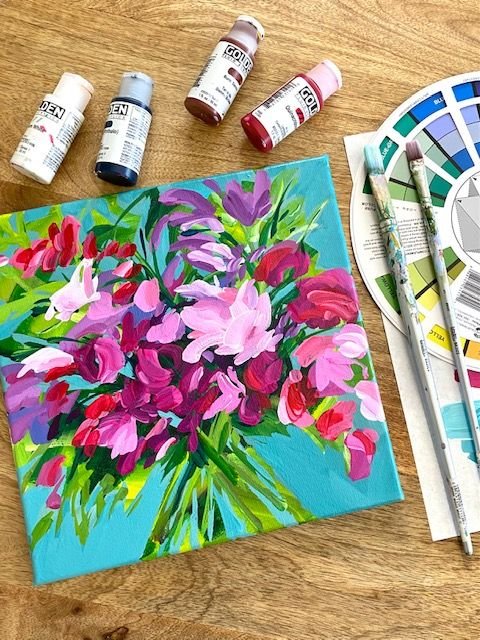
Painting loose floral acrylic art is rewarding but tricky. Many beginners face common problems that can spoil their work. Avoiding these mistakes helps keep your painting fresh and lively. Focus on simplicity and flow for best results.
Overworking The Painting
One big mistake is overworking the paint. Adding too many brush strokes can make your flowers look stiff. Loose painting needs quick, confident moves. Stop when the shapes still feel soft and natural. Let the paint breathe and dry before adding more layers.
Using Too Many Colors
Using many colors can confuse the eye. Choose a limited color palette for harmony. Too many colors make the painting busy and unclear. Pick a few shades that blend well and keep the look relaxed. This helps your flowers stand out clearly.
Ignoring Composition
Composition matters a lot in loose floral art. Random placement can make your painting feel messy. Think about the balance between flowers and empty space. Arrange your blooms to guide the viewer’s eye. Good composition makes your artwork feel complete and pleasing.
Credit: ellebyers.com
Frequently Asked Questions
What Materials Are Needed For Loose Floral Acrylic Painting?
You need acrylic paints, various brushes, a canvas or paper, palette, water, and a palette knife. Optional tools include sponges and fingers for blending.
How Do I Create Loose Floral Shapes With Acrylics?
Use broad, quick brushstrokes and avoid fine details. Focus on capturing the flower’s essence with simple shapes and colors.
What Techniques Help Achieve A Loose Floral Style?
Layer colors, use wet-on-wet blending, and apply paint with fingers or palette knives. Keep strokes fluid and spontaneous for a relaxed look.
How To Choose Colors For Loose Floral Acrylic Painting?
Pick vibrant or pastel shades that complement each other. Use contrasting colors to add depth and highlight flower petals.
Conclusion
Loose floral acrylic painting lets creativity flow freely on canvas. Start with simple shapes and soft colors. Layer your paint lightly to keep the design open and fresh. Use quick, confident brush strokes to capture natural beauty. Practice often to develop your own style and comfort.
Remember, imperfections add charm to loose floral art. Enjoy the process without stressing over details. This painting style suits beginners and experienced artists alike. Keep experimenting, and your paintings will bloom beautifully over time.