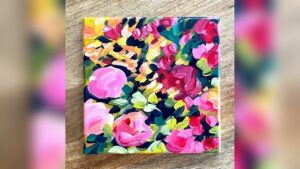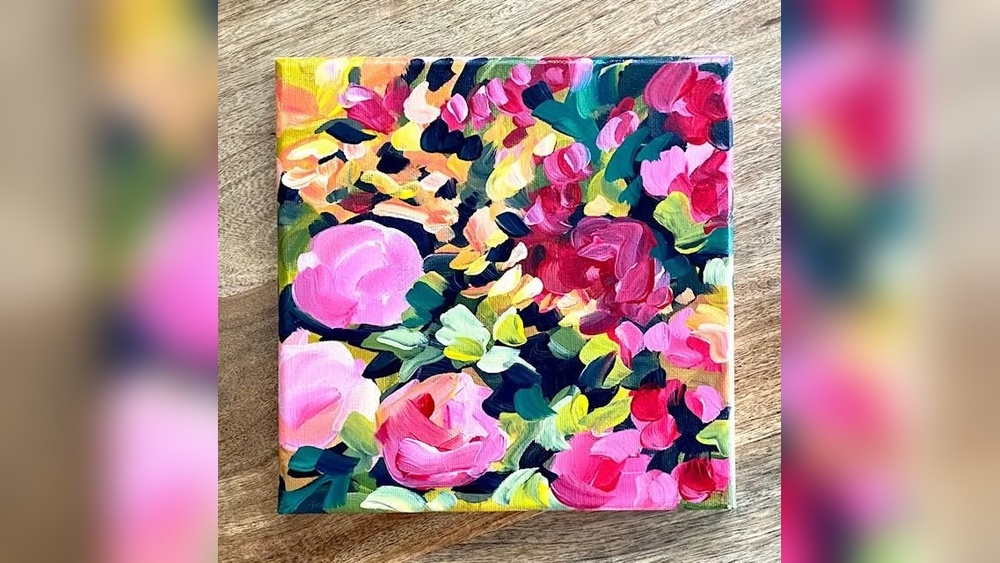
Are you ready to unlock a fresh, fun way to paint flowers that feels free and full of life? Loose floral acrylic painting lets you capture the beauty of blooms without worrying about perfect details.
This style is all about bold strokes, vibrant colors, and your unique touch. Whether you’re new to acrylics or looking to break out of rigid techniques, this guide will show you how to create stunning, expressive floral art. Stick with me, and you’ll soon be painting flowers that burst with energy and charm—no stress, just pure creativity.
Let’s dive in and get those brushes moving!

Credit: www.youtube.com
Materials Needed
Gathering the right materials is the first step to creating a beautiful loose floral acrylic painting. Having quality supplies helps you paint smoothly and enjoy the process. Prepare your paints, brushes, and workspace carefully to get the best results.
Choosing Acrylic Paints
Select acrylic paints that offer bright, rich colors. Look for artist-grade paints for better pigment and coverage. Choose colors like red, yellow, green, white, and blue to mix various floral shades. Avoid cheap paints that can appear dull or watery on the canvas.
Selecting Brushes And Tools
Use a variety of brushes for different effects. Flat brushes create broad strokes for petals and leaves. Round brushes help with details and soft edges. A fan brush can add texture to flowers and greenery. Keep a palette knife nearby for mixing or adding thick paint.
Preparing Your Workspace
Set up in a well-lit area with a sturdy table or easel. Lay down a plastic sheet or newspaper to protect surfaces. Keep water and paper towels handy for cleaning brushes. Arrange your paints and tools within easy reach to work comfortably. Good lighting helps you see true colors and details clearly.
Basic Techniques
Basic techniques form the foundation of loose floral acrylic painting. These methods help create vibrant, flowing artwork without focusing on details. Using simple tools and strokes allows freedom and creativity.
Experimenting with different techniques brings life to your floral paintings. The key is to keep brushwork free and colors blending naturally. Below are three essential techniques to start with.
Applying Loose Brushstrokes
Use wide, soft brushes for broad, fluid strokes. Move your brush lightly and quickly over the canvas. Avoid pressing too hard to keep strokes airy. Let colors overlap and blend on the canvas for a natural look. Focus on shapes and movement rather than details.
Using A Silicone Wedge
A silicone wedge helps add texture and shape to leaves and petals. Dip the wedge into paint and press gently on the canvas. Drag or dab to create organic patterns. This tool gives a unique, smooth finish that brushes cannot achieve. It works well for crisp edges and soft blends.
Incorporating Finger Painting
Finger painting adds a personal touch and softens edges. Use your fingertips to blend colors directly on the canvas. This method helps create subtle transitions and highlights. It also brings spontaneity to your work. Clean your hands often to control color mixing.
Color Mixing Tips
Color mixing is essential for creating beautiful loose floral acrylic paintings. It helps bring your flowers to life by adding variety and richness to your artwork. Understanding how to mix colors properly makes your flowers look natural and vibrant. Use these tips to enhance your painting skills and achieve stunning results.
Creating Floral Color Palettes
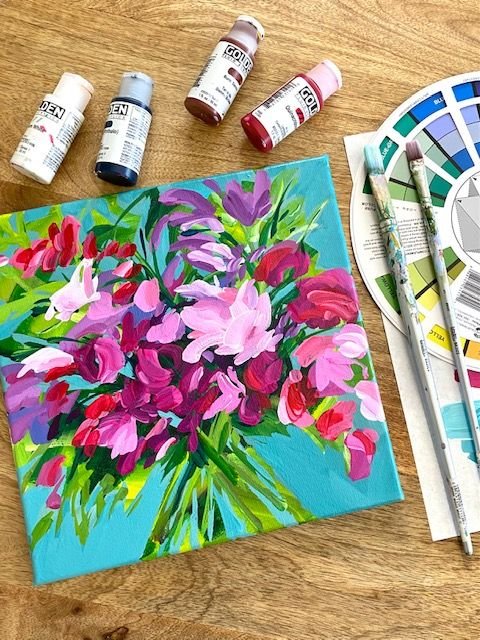
Start with basic colors like red, yellow, and blue. Mix these to create many floral shades. Add white to lighten and black to darken colors. Use warm tones for petals and cool tones for leaves. Keep your palette simple to avoid confusion. Test colors on a scrap paper before painting. This saves time and keeps colors fresh.
Blending Colors For Depth
Blend colors smoothly to add depth to your flowers. Use a wet brush to merge two colors on the canvas. Work quickly because acrylic paint dries fast. Layer lighter colors first, then add darker shades. Soft edges make petals look soft and natural. Avoid harsh lines that make flowers look flat. Practice blending to achieve seamless transitions.
Adding Highlights And Shadows
Highlights and shadows give flowers a 3D effect. Use a lighter color mixed with white for highlights. Apply it where light naturally hits the petals. For shadows, mix a darker color with a tiny bit of black or blue. Paint shadows on the opposite side of highlights. This contrast creates volume and realism. Keep highlights and shadows subtle for loose style.
Credit: ellebyers.com
Building Floral Shapes
Building floral shapes is an important step in loose acrylic painting. It helps create the basic form and flow of the flowers. A strong foundation makes the whole painting look natural and fresh.
This process involves adding layers and shaping petals and leaves carefully. It allows the painting to grow in depth and interest with each stroke.
Starting With Base Layers
Begin with simple shapes in light colors. Use a large brush and soft strokes. These base layers set the flower’s general size and position. Avoid adding details at this stage. Keep the shapes loose and broad. This helps keep the painting fresh and open.
Layering Petals And Leaves
Add petals and leaves on top of the base layers. Use smaller brushes for more control. Paint petals in different directions to show natural growth. Change colors slightly for depth and interest. Leaves can overlap petals or go behind them. Work quickly while the paint is wet to blend softly. Let each layer dry before adding the next.
Using Reductive Painting Methods
Reductive painting means removing some paint to reveal shapes. Use a damp brush or cloth to lift paint gently. This technique helps shape petals and add highlights. It also softens edges for a loose look. Work carefully to avoid removing too much paint. Reductive methods add lightness and texture to the flowers.
Adding Texture And Details
Adding texture and details brings life to loose floral acrylic paintings. It creates depth and interest in your artwork. Simple techniques can enhance the petals, leaves, and background. Textures make flowers feel more natural and dynamic. Details help guide the viewer’s eye and add charm.
Using Sumi Brush Technique
The sumi brush technique uses soft, pointed brushes for delicate strokes. This method adds fine lines and subtle textures. It works well for leaves, stems, and flower veins. Light pressure creates thin lines, while more pressure makes thicker strokes. This technique gives a calligraphy-like feel to your painting.
Incorporating Fluid Acrylics
Fluid acrylics flow smoothly and blend easily on canvas. They allow you to create soft washes and transparent layers. Use fluid acrylics to paint light petals or backgrounds. They dry quickly, letting you add layers without waiting long. Mixing fluid acrylics with thicker paint adds varied textures to flowers.
Adding Pops Of Color
Bright, small dabs of color make your painting stand out. Use a small brush or palette knife for these touches. Add contrasting colors to flower centers or leaf edges. These pops of color create focal points and energy. They balance the softness of loose floral shapes with vibrant details.
Developing Your Style
Developing your style in loose floral acrylic painting is a personal journey. It involves discovering what feels natural and enjoyable for you. Style grows from practice, patience, and a willingness to explore new ways of painting. It reflects your unique view of flowers and colors. Embrace the freedom to express yourself through brush strokes and shapes.
Painting Intuitively
Painting intuitively means trusting your feelings and instincts. Let your brush move without overthinking. Focus on the emotion of the flowers rather than exact details. This approach helps create flow and softness. It encourages freedom and spontaneity in your work. Intuition guides your hand to shapes and colors that feel right.
Experimenting With Non-dominant Hand
Try painting with your non-dominant hand. This simple trick loosens your style. It slows your movements and stops perfectionism. Your strokes become less controlled but more expressive. This method helps break old habits and sparks creativity. It opens new ways to see and paint flowers.
Staying Loose And Expressive
Keep your brush strokes loose and flowing. Avoid tight lines and too much detail. Use broad, quick movements to capture the flower’s essence. Let colors blend and mix on the canvas naturally. This technique keeps your painting fresh and lively. It shows the energy and life of your floral subject.
Finishing Touches
Finishing touches bring your loose floral acrylic painting to life. These final steps refine your artwork’s mood and balance. They help create a soft, inviting look while enhancing the overall flow. Pay close attention to subtle adjustments. These small changes make a big difference in your painting’s impact.
Softening Background Elements
Use a dry brush or sponge to gently blur hard edges. This technique reduces distractions behind your flowers. Lightly blend background colors with soft, circular strokes. Avoid overworking; keep the background subtle and smooth. Softening creates depth and highlights your floral shapes. It also adds a dreamy quality to your artwork.
Balancing Composition
Step back and view your painting from a distance. Check if the flowers and leaves feel evenly placed. Add small touches of color to empty spots to balance the scene. Use lighter or darker shades to guide the eye across the canvas. Keep your painting lively by varying shapes and sizes. A balanced composition feels natural and pleasing to the eye.
Sealing Your Painting
Protect your artwork by applying a clear acrylic sealer. Choose a matte, satin, or gloss finish based on your preference. Spray or brush the sealer evenly over the entire surface. Allow it to dry fully in a dust-free area. Sealing preserves colors and prevents dust and damage. It also gives your painting a polished, finished look.

Credit: www.youtube.com
Frequently Asked Questions
What Materials Are Needed For Loose Floral Acrylic Painting?
You need acrylic paints, various brushes, a palette, canvas or paper, water, and a palette knife. Optional tools include sponges and silicone wedges for texture.
How Do You Achieve A Loose Style In Floral Painting?
Focus on broad, expressive brushstrokes and avoid fine details. Use layering and blending to create softness and spontaneity in the flowers.
What Techniques Improve Loose Floral Acrylic Paintings?
Try finger painting, sumi brush strokes, and fluid acrylic pouring. These techniques add texture and organic flow to your floral artwork.
How To Build Layers In Loose Floral Acrylic Painting?
Start with light background colors, add mid-tone floral shapes, then apply darker details. Layering creates depth while maintaining a loose feel.
Conclusion
Loose floral acrylic painting lets you express creativity freely. Start with simple shapes and soft colors. Use broad brushstrokes to keep the feel light and airy. Layer colors gently without worrying about details. Enjoy the process of seeing flowers come alive on canvas.
Practice helps you find your unique style and flow. Keep experimenting with colors and techniques every time. This painting style invites relaxation and joy in art. Try it today and watch your skills grow naturally.