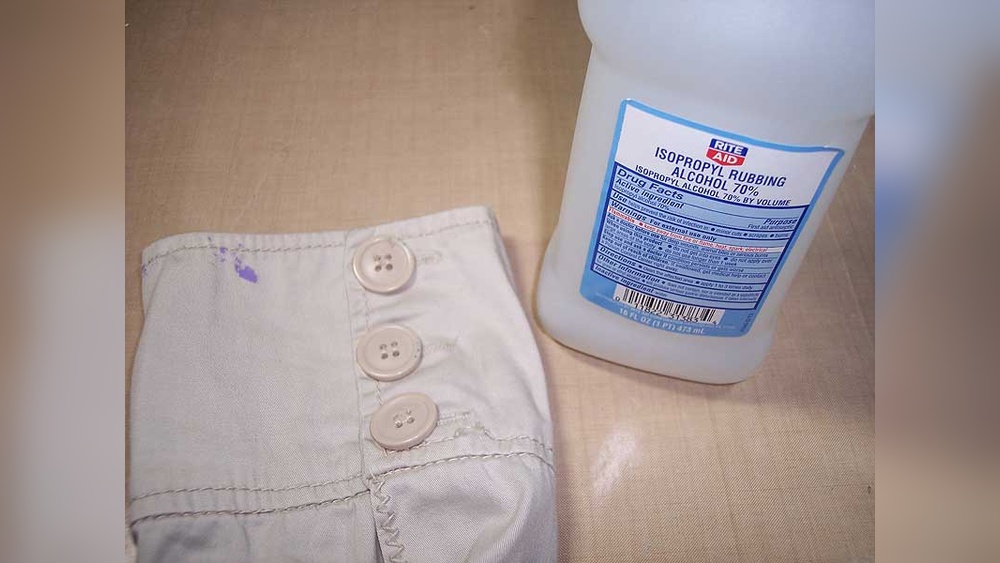
Craft paint stains on your favorite clothes can feel like a disaster. You might think the paint is there to stay forever, ruining your outfit or project.
But what if you could save that shirt or dress with just a few simple steps? You don’t have to toss your clothes or stress over expensive treatments. In this guide, you’ll discover easy, effective ways to get craft paint out of clothes—whether the paint is fresh or dried.
Keep reading, and you’ll learn how to bring your garments back to life quickly and confidently.
Types Of Craft Paint
Craft paints come in different types. Knowing these types helps in removing stains properly. Two main types of craft paint are water-based and oil-based paints. Each type behaves differently on fabric. Understanding their properties makes stain removal easier and more effective.
Water-based Paints
Water-based paints use water as a solvent. They dry quickly and are easy to clean while wet. These paints include acrylic, tempera, and washable paints. Water-based paint stains are easier to remove from clothes. Using cold water and mild soap often helps lift the stain. Act fast before the paint dries for better results.
Oil-based Paints
Oil-based paints use oil or solvent to stay liquid. They dry slowly and form a hard, glossy finish. These paints are tougher to clean from fabric. Removing oil-based paint requires special solvents like turpentine or paint thinner. Treat the stain carefully to avoid damaging the fabric. Oil-based paint stains need more attention and stronger cleaning methods.
Immediate Steps After Staining
Act fast after craft paint stains your clothes. The quicker you respond, the better your chances to remove the stain completely. Immediate action prevents the paint from setting into the fabric. Follow simple but effective steps right after the stain happens.
Blotting And Scraping Excess Paint
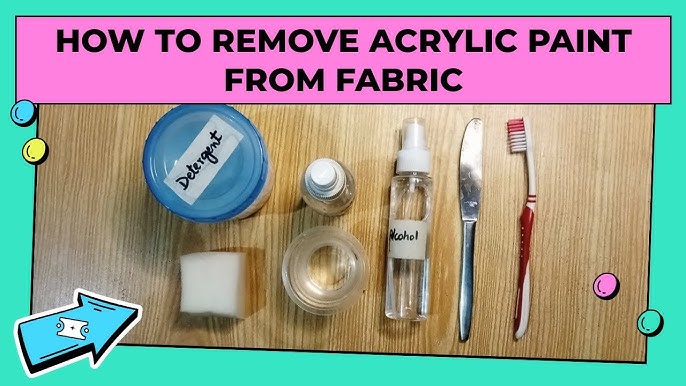
Use a clean cloth or paper towel to blot the stain gently. Avoid rubbing, as it spreads the paint further. Scrape off any thick paint carefully with a dull knife or spoon. This removes excess paint without pushing it deeper into the fabric. Always work from the outside of the stain toward the center. This method limits the stain size.
Avoiding Heat And Drying
Do not use heat on stained clothes. Avoid hot water, dryers, or ironing. Heat causes the paint to bond with the fabric permanently. Keep the fabric cool and damp instead. Air dry the garment after treating the stain. This helps to prepare the fabric for further cleaning steps without setting the paint.
Removing Wet Craft Paint
Removing wet craft paint from clothes works best when you act quickly. Fresh paint has not yet set into the fabric, so it comes out easier. The key is to stop the paint from drying. Use simple household items to treat the stain right away. Cold water and soap are your first tools to fight fresh paint stains.
Using Cold Water And Soap
Start by rinsing the stained area with cold water. Hold the fabric under running water to flush out as much paint as possible. Avoid using hot water, as it can set the paint permanently. After rinsing, apply a small amount of liquid soap directly to the stain. Gently rub the fabric together to create a lather. Let the soap sit for a few minutes to break down the paint. Rinse again with cold water to remove the soap and paint residue. Repeat this process until the paint fades.
Hand Washing Tips
Hand washing helps control the cleaning process and protects the fabric. Fill a basin with cold water and add a mild detergent. Submerge the stained area and gently rub it with your fingers. Avoid scrubbing hard, which can damage the fabric. Let the garment soak for 15 to 30 minutes. After soaking, rinse the fabric with cold water. Check if the paint stain is gone before drying. Air dry the clothing; heat from a dryer can set any remaining paint.
/BHG-how-to-get-acrylic-paint-out-of-clothes-7093317-hero-01-44181-e45f6f51b92e460096d92596af956d70.jpg)
Credit: www.bhg.com
Removing Dried Water-based Paint
Removing dried water-based paint from clothes can be tough but not impossible. Water-based paints dry fast and stick firmly to fabric fibers. Treating these stains quickly improves removal chances. Several home remedies help break down and lift dried paint without damaging clothes. Below are effective methods using common household items.
Soaking With Vinegar
Heat white vinegar until warm but not boiling. Pour the warm vinegar directly on the dried paint stain. Let the fabric soak in vinegar for about 30 minutes. The acid in vinegar softens the paint, making it easier to remove. After soaking, gently rub the stain with your fingers or a soft cloth. Rinse the area with warm water. Repeat the process if needed before washing the garment as usual.
Baking Soda Paste Method
Mix baking soda with a small amount of water to form a thick paste. Apply the paste generously on the dried paint stain. Use an old toothbrush or soft brush to scrub the paste into the fabric gently. Baking soda acts as a mild abrasive to lift paint particles. Leave the paste on the stain for 10 to 15 minutes. Rinse the garment under warm water to remove all residue. Check if the paint has faded before washing.
Scrubbing And Rinsing
After applying vinegar or baking soda paste, scrubbing is crucial. Use a soft brush or cloth to rub the stained area gently. Scrubbing helps break the paint’s grip on the fabric fibers. Rinse the garment under warm running water often during scrubbing. Continue until the paint begins to dissolve and wash away. Avoid harsh scrubbing that can damage delicate fabrics. Once most paint lifts, wash the clothing normally to remove leftover stains.
Removing Dried Oil-based Paint
Dried oil-based paint stains on clothes can be tough to remove. The thick texture and strong chemicals make quick action necessary. Treating these stains requires specific solvents to break down the paint. Patience and careful handling protect your fabric during cleaning. Follow steps below for safe and effective removal.
Using Mineral Spirits Or Turpentine
Mineral spirits or turpentine work well to dissolve oil-based paint. Place the stained fabric on a protected surface. Apply a small amount of solvent to a clean cloth. Gently dab the paint stain without rubbing hard. Let the solvent sit for a few minutes to loosen the paint. Use a soft brush or cloth to lift the softened paint away. Repeat as needed until most paint fades. Avoid soaking the fabric completely with the solvent.
Safety Precautions
Use mineral spirits or turpentine in a well-ventilated area. Open windows or work outside if possible. Wear gloves to protect your skin from harsh chemicals. Keep solvents away from flames or heat sources. Avoid breathing in strong fumes by using a mask if needed. Test the solvent on a small hidden area first. This prevents damage or discoloration to the fabric.
Washing After Treatment
After removing the paint, wash the garment promptly. Use warm water and a strong detergent. Hand wash or use a gentle machine cycle. Check the stain before drying the cloth. Repeat solvent treatment and washing if paint remains. Do not put the fabric in the dryer until the stain is gone. Heat can set the paint permanently into the fibers.
Alternative Household Remedies
Alternative household remedies offer simple and effective ways to remove craft paint from clothes. These methods use common items found in most homes. They work best when the paint is still fresh but can help with dried paint too. Trying these options saves money and avoids harsh chemicals.
Rubbing Alcohol Technique
Rubbing alcohol breaks down the paint’s chemical structure. Pour some alcohol on a cotton ball or cloth. Dab it gently on the paint stain. Let it sit for 10 minutes to loosen the paint. Use a clean cloth to blot the area. Repeat until the paint lifts off. Wash the garment with cold water afterward.
Using Dish Soap And Warm Water
Dish soap cuts through the paint and removes grease. Mix a few drops of dish soap in warm water. Dip a clean cloth into the solution. Rub the paint stain softly but firmly. Keep rinsing the cloth and scrubbing the spot. Rinse the fabric with cold water after the paint fades. Repeat if needed for stubborn stains.
Preventing Paint Stains On Clothes
Preventing paint stains on clothes saves time and effort later. Taking simple steps before painting helps keep your clothes clean. Preparing properly reduces the chance of tough paint marks. Use protective methods that fit your painting style.
Choosing Protective Clothing
Wear old clothes you do not mind ruining. Use aprons or smocks made for painting. Long sleeves protect your arms from splashes. Choose thick fabrics that paint cannot soak through easily. Cover your shoes with plastic or old covers. Keep a spare set of clothes nearby for quick changes.
Pre-washing New Clothes
Wash new clothes before painting on them. This removes factory finishes that repel paint. Clean fabric helps paint not stick deeply. Use cold water and mild detergent for washing. Dry clothes completely before use. Pre-washing lowers the risk of permanent stains.
:max_bytes(150000):strip_icc()/how-to-get-acrylic-paint-off-clothes-5323500-14-1d94b45adfaf415aa6caa3af78eab4b1.jpg)
Credit: www.thespruce.com
When To Seek Professional Cleaning
Removing craft paint from clothes can be tricky. Some stains come out with simple home methods. Others need expert help. Knowing when to seek professional cleaning saves your clothes and time.
Professional cleaners have tools and chemicals not found at home. They can treat tough stains without damaging fabric. Certain situations call for their expertise.
Severe Or Dried Paint Stains
Fresh paint is easier to remove than dried paint. If the paint has dried for days, home methods often fail. Professionals use strong solvents to break down tough paint.
Attempting to remove old paint yourself can harm fabric. Experts know the right solvents and techniques for each fabric type.
Delicate Or Expensive Fabrics
Silk, wool, and cashmere need special care. Harsh chemicals can ruin these fabrics. Dry cleaners use gentle but effective solutions.
For clothes with sentimental or high value, professional cleaning is safer. It reduces the risk of damage or shrinking.
Large Or Stubborn Stains
Big paint spots or multiple stains require more effort. Home treatments may not cover all affected areas well. Professionals have machines that clean thoroughly.
Stubborn stains that resist washing also benefit from expert attention. They apply treatments that penetrate deep fibers.
Time Constraints And Convenience
Removing paint stains can take hours. If you lack time, professional cleaning is a quick option. They handle the process efficiently.
Sending clothes to cleaners frees you from trial and error. It ensures your clothes get the best care without hassle.
Tips For Maintaining Fabric Quality
Maintaining fabric quality is essential after removing craft paint stains. Proper care keeps clothes looking new and lasting longer. Follow simple tips to protect your fabric’s texture and color. Avoid harsh treatments that damage fibers. Gentle handling helps preserve your favorite garments.
Avoiding Heat Before Stain Removal
Heat can set paint stains permanently. Do not use hot water or a dryer before removing the stain. Cold water helps loosen paint without fixing it in the fabric. Always treat the stain as soon as possible. Keeping fabric cool prevents damage and increases stain removal success.
Proper Laundering Practices
Use mild detergent and cold water to wash stained clothes. Hand wash gently or use a delicate cycle in the machine. Avoid bleach or strong chemicals that weaken fabric fibers. Air dry the garment instead of using a dryer. Repeat stain treatment if paint remains before drying completely.
Credit: www.youtube.com
Frequently Asked Questions
How To Get Dried Craft Paint Out Of Clothing?
Scrape off excess paint gently. Soak the stain in white vinegar for a few hours. Rub with baking soda, then wash with cold water. Repeat if needed before drying.
Does Craft Paint Wash Out Of Clothes?
Craft paint can wash out of clothes if treated promptly. Use cold water and hand wash to improve removal chances. Dried paint may require soaking in vinegar or using stain removers before washing. Act quickly for the best results.
What Is The Best Stain Remover For Acrylic Paint?
The best stain remover for acrylic paint is rubbing alcohol or isopropyl alcohol. It breaks down paint effectively. Soak the stain, then scrub gently. For fresh stains, soap and cold water also work well. Act quickly for best results.
Does Vinegar Remove Paint From Clothing?
Vinegar helps remove water-based paint from clothing by soaking and breaking down stains. Scrub and wash afterward. For oil-based paint, use stronger solvents. Always test vinegar on a hidden area first and treat stains before drying to avoid permanent damage.
Conclusion
Removing craft paint from clothes takes patience and the right steps. Act quickly for the best results before the paint dries. Use simple household items like vinegar, rubbing alcohol, or soap to treat the stain. Gently scrub and rinse with cold water to avoid setting the paint.
Repeat the process if needed, and always check care labels. With care, many paint stains can fade or disappear completely. Keep these tips handy to save your clothes from craft mishaps. Cleaning paint stains does not have to be hard or expensive.