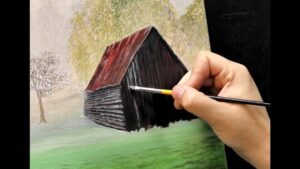
You’re ready to give your barn a fresh, vibrant look, and acrylic paint might be just what you need. But where do you start?
How can you make sure your paint job looks smooth, lasts long, and truly brings out the charm of your barn? This guide will walk you through every step, from prepping your barn’s surface to choosing the right acrylic paints and tools.
By the end, you’ll have the confidence to transform your barn with colors that stand out and protect it from the elements. Keep reading to discover simple tips and tricks that will make your barn painting project a success!
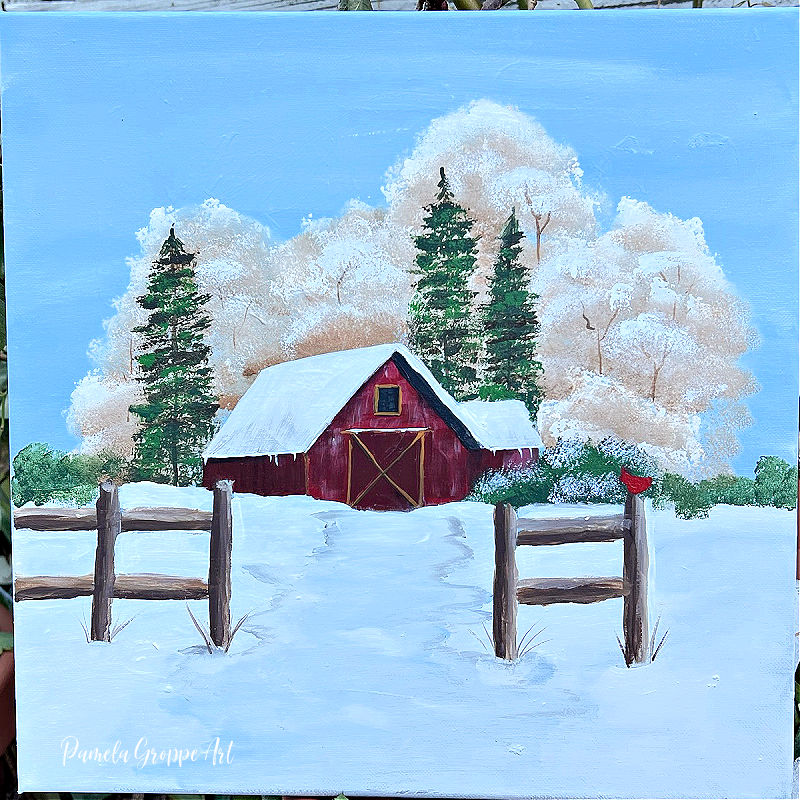
Credit: www.pamelagroppe.com
Choosing Acrylic Paint
Choosing the right acrylic paint is crucial for painting a barn. The paint must protect the wood and look good for years. Different acrylic paints have unique features. Picking the best one helps save time and effort. This section explains how to choose acrylic paint for your barn project.
Types Of Acrylic Paints
Acrylic paints come in various types for outdoor use. Exterior acrylic paints are made to resist weather. They dry fast and stick well to wood surfaces. Some paints have added UV protection to prevent fading. You can also find acrylic paints with mildew resistance. These types keep your barn looking fresh longer.
Color Selection Tips
Choose colors that match your barn’s style and environment. Dark colors hide dirt but may fade faster in sunlight. Light colors reflect heat and keep wood cooler. Test paint samples on a small barn area first. See how colors look in different daylight conditions. Pick colors that blend well with your farm’s surroundings.
Paint Quality And Durability
High-quality acrylic paint lasts longer and needs fewer coats. Look for paints labeled as premium or professional grade. These paints form a strong, flexible film on wood. They resist cracking and peeling over time. A durable paint protects your barn from rain, sun, and wind damage. Investing in good paint saves money on repairs later.

Credit: www.youtube.com
Preparing The Barn Surface
Preparing the barn surface is a crucial step before applying acrylic paint. It ensures the paint sticks well and lasts longer. Proper preparation prevents peeling, cracking, and other common problems. Follow these simple steps to get your barn ready for a fresh coat of paint.
Cleaning And Washing
Start by removing dirt, dust, and debris from the barn walls. Use a stiff brush or a power washer for large areas. Clean surfaces help the paint bond properly. Let the barn dry completely before moving on.
Repairing Damages
Inspect the barn for any cracks, holes, or rotting wood. Fill small cracks with wood filler or putty. Replace damaged boards or panels to create a solid surface. Fixing damages prevents paint from peeling and protects the wood.
Sanding For Smoothness
Sand the barn’s surface lightly to remove old paint flakes and rough spots. Use medium-grit sandpaper for best results. Sanding creates a smooth surface that helps the paint spread evenly. Clean off dust after sanding to avoid bumps.
Priming The Surface
Apply a high-quality primer designed for wood surfaces. Primer seals the wood and blocks stains. It also improves paint adhesion and durability. Allow the primer to dry fully before painting your barn with acrylic paint.
Gathering Tools And Materials
Gathering the right tools and materials is the first step in painting a barn with acrylic paint. Proper preparation helps the painting process run smoothly. It ensures a clean, professional finish that lasts longer. Below, find essential items you need before starting your barn painting project.
Brushes And Rollers
Choose brushes with synthetic bristles for acrylic paint. They hold paint well and create smooth strokes. Use different sizes to cover large areas and small details. Rollers help paint large barn surfaces quickly. Pick rollers with a medium nap to hold paint evenly on rough wood.
Protective Gear
Wear gloves to protect your hands from paint and chemicals. Use safety glasses to shield your eyes from splashes. A mask helps avoid inhaling paint fumes, especially when painting outdoors on windy days. Dress in old clothes or a painting apron to keep clean.
Drop Cloths And Tape
Spread drop cloths under the barn to catch spills and drips. Canvas cloths work best because they are durable and absorb paint well. Use painter’s tape to cover edges and trim for sharp paint lines. Tape helps keep paint off windows, doors, and hardware.
Painting Techniques
Painting a barn with acrylic paint requires specific techniques for the best results. Each step builds on the last to create a strong and beautiful finish. Proper methods help protect the wood and bring out the barn’s character. The following painting techniques make the process easier and more effective.
Applying Base Coat
Start with a clean, dry surface before painting. Use a wide brush or roller to apply a thin, even base coat. Choose a primer or a color that matches the final shade. This layer seals the wood and improves paint adhesion. Let it dry completely to avoid peeling later.
Layering And Blending
Apply paint in thin layers for a smooth finish. Work quickly while the paint is wet to blend colors softly. Use horizontal or vertical strokes depending on the wood grain. Layering adds depth and richness to the barn’s color. Allow each layer to dry before adding the next one.
Creating Texture
Texture adds interest and realism to your barn painting. Use a dry brush to create wood grain effects. Dab or swipe paint lightly for rough or weathered looks. Experiment with sponges or rags for varied patterns. Texture makes the barn appear more natural and aged.
Detailing And Highlights
Finish with small brushes for details like edges and corners. Add highlights using lighter shades on raised areas. Paint shadows with darker tones to show depth. Pay attention to doors, windows, and trim for realism. Details bring life and character to the barn’s appearance.
Weather Considerations
Weather plays a key role when painting a barn with acrylic paint. The right weather ensures the paint sticks well and lasts longer. Poor weather can cause peeling, cracking, or uneven drying. Prepare for the best weather conditions to get a smooth, durable finish.
Best Seasons To Paint
Spring and fall are the best seasons to paint a barn. These seasons have mild weather and less chance of rain. Summer can be too hot, causing the paint to dry too fast. Winter is often too cold, which stops the paint from curing properly.
Choose days with clear skies and no forecast for rain. Dry weather helps acrylic paint to bond well with the barn surface. Avoid painting on windy days to stop dust and debris from sticking to the paint.
Ideal Temperature And Humidity
The ideal temperature for painting a barn with acrylic paint is between 50°F and 85°F (10°C to 29°C). Temperatures below 50°F slow down drying and can cause paint to crack. Temperatures above 85°F may make paint dry too quickly, leading to uneven coverage.
Humidity should be moderate, ideally between 40% and 70%. High humidity slows the drying process and can cause paint to bubble. Low humidity may dry paint too fast and cause cracking. Check local weather reports before starting your project.
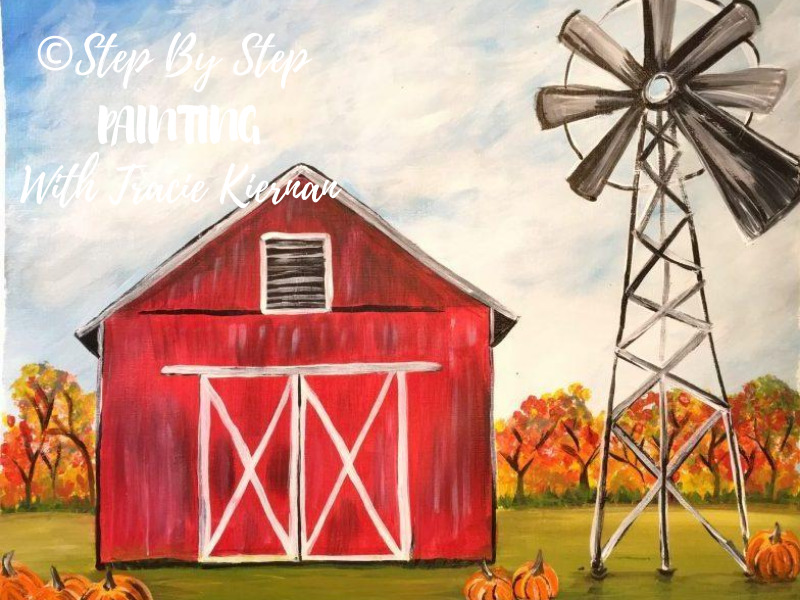
Credit: stepbysteppainting.net
Maintaining Painted Barn
Maintaining a painted barn ensures its beauty and protection last long. Acrylic paint offers strong resistance to wear and weather. Regular care keeps colors bright and surfaces smooth. Small efforts prevent large repairs later. Follow simple steps to keep your barn looking fresh year-round.
Cleaning Painted Surfaces
Gently wash the barn with mild soap and water. Use a soft brush or sponge to avoid scratches. Rinse thoroughly to remove all soap residue. Clean dirt and dust at least twice a year. Avoid harsh chemicals that can damage paint.
Touch-up Tips
Inspect your barn for chips or cracks regularly. Sand rough spots lightly before repainting. Match the acrylic paint color for seamless repairs. Apply thin coats and let each dry fully. Touch-ups prevent water damage and peeling paint.
Protecting Against Weather
Apply a clear sealant over the paint for extra protection. Choose a sealant suited for outdoor acrylic paint. Check and repair gutters to prevent water runoff on walls. Trim nearby trees to reduce moisture and mold risks. Proper protection extends the life of your paint job.
Frequently Asked Questions
What Type Of Acrylic Paint Is Best For Barns?
Use exterior-grade acrylic paint with UV protection. It ensures durability and resists weather damage on barn surfaces.
How Do I Prepare A Barn Before Painting?
Clean the barn thoroughly, remove loose paint, and sand rough areas. This helps the acrylic paint adhere better.
Can I Paint A Barn In Humid Weather?
Avoid painting during high humidity or rain. Acrylic paint dries best in dry, mild conditions for a smooth finish.
How Many Coats Of Acrylic Paint Are Needed?
Typically, two coats provide even coverage and long-lasting protection for a barn’s exterior.
Conclusion
Painting a barn with acrylic paint is simple and rewarding. Start with clean, dry surfaces for best results. Use quality brushes and paint to ensure smooth coverage. Apply thin coats and let each dry before adding more. Bright colors can bring charm and protect wood from weather.
Take your time and enjoy the process. Soon, your barn will look fresh and vibrant. Painting with acrylics saves money and adds lasting beauty. Try these steps to give your barn a colorful new life.