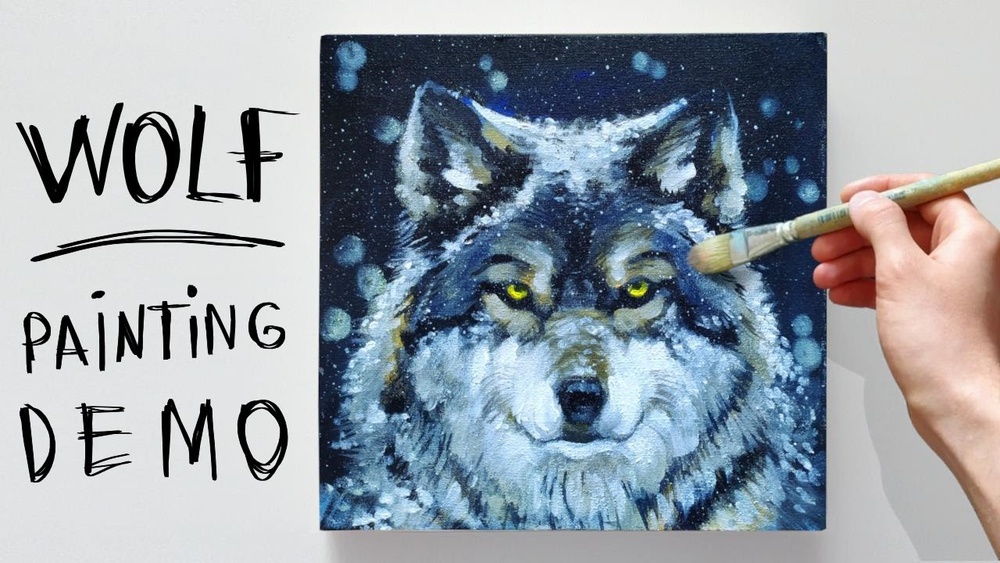
Have you ever wanted to capture the wild spirit and fierce beauty of a wolf on your canvas? Painting a wolf with acrylic paint might seem challenging at first, but with the right guidance, you can create a stunning piece that truly comes to life.
In this guide, you’ll discover simple, step-by-step techniques to help you bring your wolf painting to reality—whether you’re a beginner or looking to sharpen your skills. Get ready to unlock your creativity and learn how to paint a wolf that commands attention and tells a story with every brushstroke.
Let’s dive in and make your next artwork unforgettable!
Materials And Tools
Before starting your acrylic wolf painting, gather the right materials and tools. Proper supplies make painting easier and more enjoyable. These items help you capture the wolf’s details and textures effectively.
Essential Acrylic Paints
Choose high-quality acrylic paints for vibrant colors and smooth blending. Select basic colors like white, black, gray, brown, and a few earth tones. These shades help create realistic fur and natural shadows. Avoid cheap paints that may crack or fade over time.
Brush Selection
Use a variety of brushes for different effects. A small round brush works well for fine details like eyes and fur lines. Medium flat brushes cover larger areas and backgrounds quickly. A fan brush helps to create soft fur textures. Synthetic brushes are durable and easy to clean.
Canvas And Palette
Pick a canvas size that fits your workspace and painting style. A medium-sized canvas, around 16×20 inches, is ideal for beginners. Use a wooden or plastic palette to mix your paints. A palette with wells keeps colors organized and prevents unwanted mixing.
Additional Supplies
Keep extra supplies handy for smooth painting sessions. Have a jar of clean water to rinse brushes often. Use paper towels or rags to wipe brushes and correct mistakes. A pencil helps sketch the wolf’s outline before painting. Consider using a palette knife to mix thick paint or add texture.

Credit: stepbysteppainting.net
Sketching The Wolf
Sketching is the first step in painting a wolf with acrylics. It helps set the foundation for your artwork. A clear sketch guides your brushstrokes and keeps the wolf’s shape accurate. Take your time to create a simple and strong outline before adding paint.
Start with light pencil marks so you can adjust as needed. The sketch does not have to be perfect but should capture the wolf’s main form. Let’s break down the sketching process into easy steps for better results.
Basic Shapes And Proportions
Begin by drawing simple shapes to outline the wolf’s body. Use circles for the head and chest, and ovals for the legs. These shapes help keep the proportions correct. Measure distances lightly with your pencil. The wolf’s body should look balanced and natural.
Pay attention to the size of the head compared to the body. The legs should be placed evenly and show the wolf’s stance. Basic shapes make the sketch easier to handle and adjust before details.
Outlining Key Features
Next, add the wolf’s key features over the basic shapes. Sketch the eyes, nose, ears, and mouth carefully. These details give your wolf character and expression. Keep the lines soft at first, so you can erase or fix mistakes.
Place the eyes symmetrically on the head circle. The nose sits at the bottom center of the head. Draw the ears on top, pointing slightly outward. Outline the jaw and neck to show the wolf’s face shape.
Refining The Sketch
Now, refine your sketch by adding fur lines and adjusting shapes. Use short, light strokes to suggest fur texture. Make the edges smoother and correct any odd proportions. Erase unnecessary lines to clean up the drawing.
Check the wolf’s pose and expression one last time. Make sure the sketch feels lifelike and ready for painting. A well-refined sketch will make painting easier and more enjoyable.
Setting The Background
Enhancing the background is key to making your wolf painting stand out. It sets the mood and places your wolf in a believable setting. A well-crafted background adds depth and interest without stealing the spotlight.
Painting Snow Or Environment
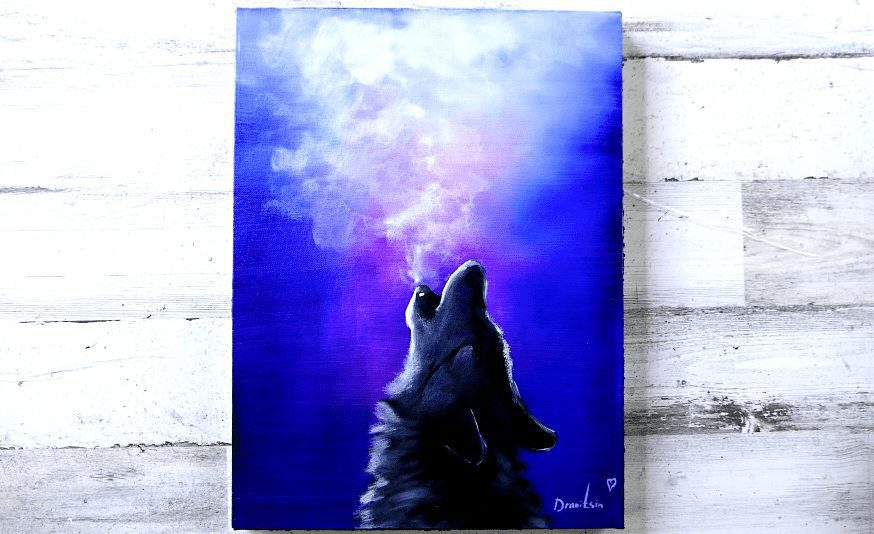
Start by choosing the type of environment for your wolf. For snowy scenes, use soft blues and whites to create cold, crisp snow. Use a dry brush technique to add texture and highlight snowflakes or frost. For forest or mountain backgrounds, layer greens, browns, and grays. Blend colors smoothly for a natural look. Add shadows and light spots to suggest sunlight filtering through trees or clouds.
Balancing Foreground And Background
Keep the background less detailed than the wolf. This keeps the focus on your main subject. Use softer edges and lighter colors behind the wolf. Avoid sharp contrasts that compete with the wolf’s details. Balance warm and cool tones to create harmony. Adjust the brightness so the background supports the wolf without overpowering it.
Creating A Cohesive Scene
Connect the wolf to its environment through color and light. Use similar tones in the background and wolf’s fur for unity. Reflect light sources consistently across the scene. Add small elements like footprints or falling snow to link foreground and background. These details make the scene feel alive and complete.
Credit: urartstudio.com

Credit: www.youtube.com
Frequently Asked Questions
What Materials Do I Need To Paint A Wolf With Acrylics?
You need acrylic paints, various brushes, a canvas, palette, water cup, and paper towels. These basics help you start painting effectively.
How Do I Create Realistic Fur Texture In Acrylics?
Use fine brushes and short, quick strokes to mimic fur. Layer colors gradually from dark to light for depth.
What Is The Best Way To Paint Wolf Eyes?
Focus on sharp detail and highlights. Use small brushes and bright white or light colors for the eye shine.
How Can I Blend Acrylic Paints Smoothly On Fur?
Work while the paint is wet. Use a dry, soft brush or sponge to gently blend colors together seamlessly.
Conclusion
Painting a wolf with acrylics takes patience and practice. Start with simple shapes, then build details slowly. Use layers to create depth and texture. Focus on the eyes to bring the wolf to life. Remember, mistakes help you improve your skills.
Enjoy the process and trust your creativity. Each painting is a chance to learn something new. Keep experimenting and have fun with your art. Your wolf painting will grow better with time and care.