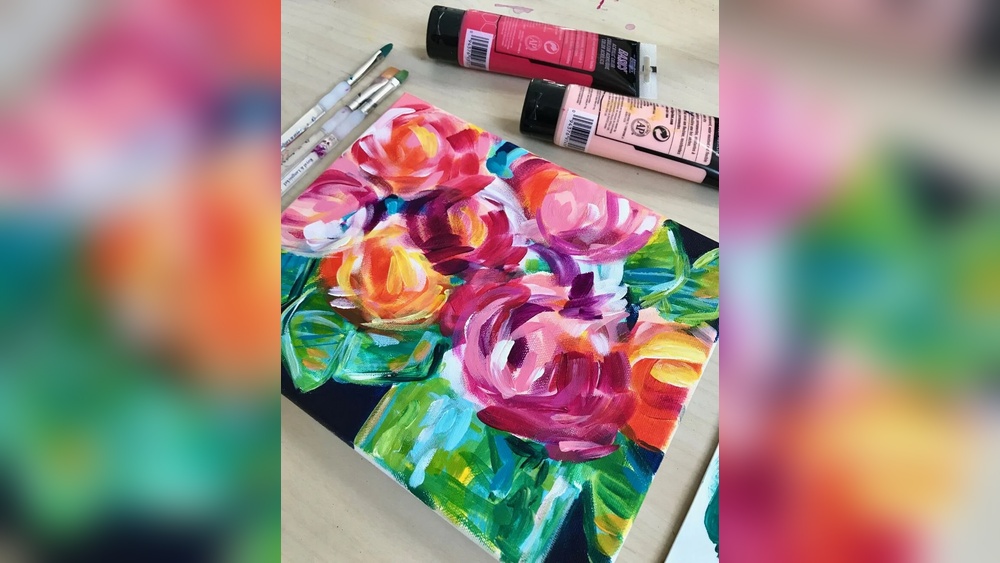
Are you ready to unlock your creativity and bring vibrant, abstract flowers to life on your canvas? Painting abstract flowers with acrylics is not only fun but also a fantastic way to express your emotions and style without worrying about perfect shapes or details.
Whether you’re a beginner or looking to try something new, this guide will walk you through simple steps to create stunning floral art that captures attention. Get ready to explore colors, textures, and brush techniques that will transform your painting experience and leave you amazed at what you can create.
Keep reading, and let’s make your next masterpiece bloom!

Credit: ellebyers.com
Choosing Materials
Choosing the right materials sets the foundation for your abstract flower painting. Quality supplies make painting easier and more enjoyable. They also affect how your colors and textures turn out. Simple, good tools help you focus on creativity, not struggle with your gear.
Keep your materials organized and ready. This lets you paint without interruptions. Start with the basics, then add tools that inspire you to try new techniques. Every item has a role in bringing your abstract flowers to life.
Selecting Acrylic Paints
Pick acrylic paints with vibrant colors. Bright pigments give your flowers energy and depth. Use artist-grade paints if possible. They blend smoothly and cover well. Choose a basic set with primary colors plus white and black. These allow you to mix many shades.
Consider paint consistency. Thick paints hold texture better. Thin paints dry quickly and blend softly. Both types create different effects in your abstract flowers. Experiment with small tubes first to find your favorites.
Brush Types And Sizes
Use a variety of brushes for different strokes. Flat brushes create bold, broad shapes. Round brushes help with fine lines and details. Fan brushes add soft, feathery touches. Small brushes work well for accents. Large brushes cover big areas fast.
Choose brushes with synthetic bristles. They last longer with acrylic paints. Keep brushes clean to avoid stiff bristles. Replace worn brushes to maintain smooth strokes. A good brush set supports your painting flow and expression.
Additional Tools For Texture
Add texture with tools beyond brushes. Palette knives spread paint thickly for sharp edges. Sponges create soft, mottled patterns. Toothpicks or sticks draw fine lines and dots. Use old credit cards or combs for unique marks.
Texture tools make your abstract flowers more dynamic. They invite touch and add visual interest. Try different tools on scrap paper to see their effects. Mix techniques to find your own style and voice in painting.
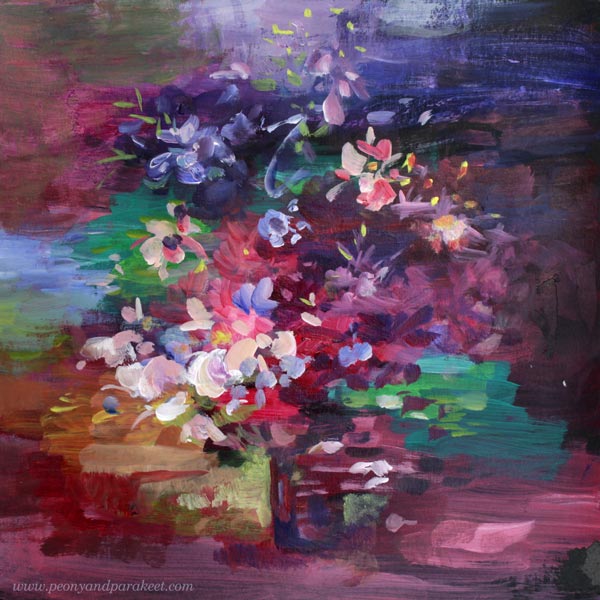
Credit: www.peonyandparakeet.com
Preparing Your Workspace
Preparing your workspace is the first step to a successful acrylic painting session. A well-organized area helps you focus on your abstract flower art. It reduces stress and lets your creativity flow easily. This section guides you through setting up your canvas, organizing your paints and brushes, and creating a comfortable environment.
Setting Up Your Canvas
Place your canvas on a sturdy easel or flat surface. Make sure it is at eye level for better control. Clean the canvas surface if needed to remove dust or dirt. Choose a size that suits your painting style and space. Secure the canvas to avoid movement while painting.
Organizing Paints And Brushes
Arrange your acrylic paints by color or shade for quick access. Use a palette or disposable plate for mixing colors. Keep brushes of different sizes and shapes nearby. Clean brushes before starting to avoid color mixing. Have water and cloths ready to rinse and dry brushes.
Creating A Comfortable Environment
Find a well-lit spot with natural or white light. Make sure your chair and table height support good posture. Keep your workspace free of distractions and clutter. Play soft background music if it helps you relax. Ensure good ventilation to avoid paint fumes buildup.

Credit: www.youtube.com
Frequently Asked Questions
What Materials Do I Need To Paint Abstract Flowers?
You need acrylic paints, various brushes, a palette, canvas, water, and a cloth. Optional tools include palette knives and sponges for texture.
How Do I Start Painting Abstract Flowers With Acrylics?
Begin with a simple sketch or freeform shapes. Block in base colors, then build layers and add details gradually.
Which Brush Types Work Best For Abstract Flower Painting?
Use flat, round, and fan brushes. Different sizes help create varied strokes and textures for dynamic floral effects.
How Can I Create Texture In Acrylic Abstract Flowers?
Use palette knives, sponges, or thick paint layers. Experiment with brush strokes and layering to add depth and interest.
Conclusion
Painting abstract flowers with acrylics opens doors to creativity and fun. Use bold colors and simple shapes to express feelings freely. Don’t worry about mistakes; they add character to your work. Practice regularly to improve your brush control and layering techniques.
Enjoy the process, and let your imagination lead the way. This art form suits all skill levels and invites personal style. Keep experimenting with textures and colors to find what you love most. Your unique abstract flower painting will grow with each brushstroke.