Are you ready to bring your digital landscapes to life but don’t know where to start? Painting stunning digital scenery can seem tricky at first, but with the right steps, you’ll create breathtaking views that capture attention and spark emotion.
In this guide, you’ll discover simple, clear instructions that break down the entire process—layer by layer, brush stroke by brush stroke. Whether you want to add depth, mood, or vibrant color, you’ll learn exactly how to do it. Stick with me, and by the end, your digital landscapes will look more real and captivating than ever before.
Let’s dive in and transform your ideas into art!
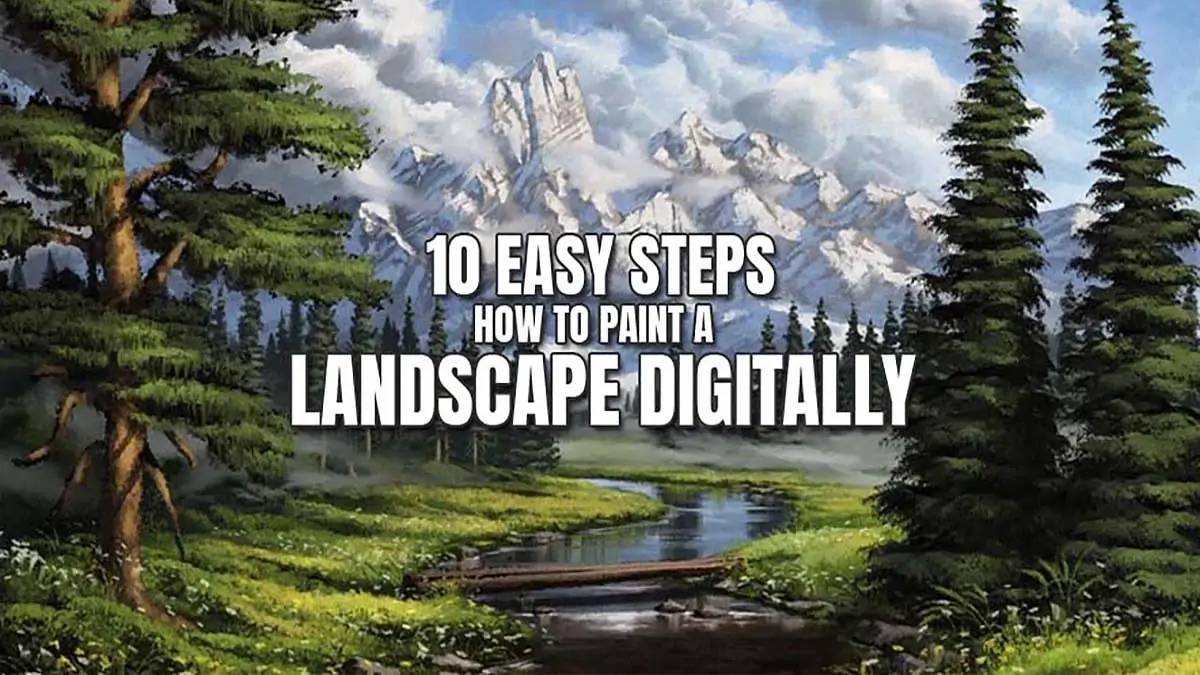
Credit: www.adamidis-art.com
Setting Up Your Canvas
Saving and exporting your digital landscape painting is a crucial step. It preserves your work and prepares it for sharing or printing. Proper saving ensures no loss of progress. Exporting formats affect how your artwork appears on different platforms.
Choosing File Formats
Pick file formats based on your needs. Use PSD or TIFF for editable files. These keep layers intact for future edits. JPEG suits web sharing due to small file size. PNG works well for images needing transparency. Always save a master file before exporting.
Setting Resolution For Web And Print
Set resolution according to the final use. For web, 72 dpi is enough. It keeps file size small and loads fast. For print, choose 300 dpi for sharp details. High resolution ensures quality in large prints. Adjust canvas size to match your resolution needs.
Backing Up Your Work
Back up your paintings regularly. Use cloud storage or external drives. This protects against accidental data loss. Save different versions to track your progress. Keep backups organized for easy access later.

Credit: www.youtube.com

Credit: www.youtube.com
Frequently Asked Questions
How To Start Digital Painting As A Beginner?
Start by choosing easy digital art software and a drawing tablet. Learn basic tools, brushes, and layers. Practice simple sketches daily to build skills and confidence. Watch tutorials to understand techniques. Experiment with colors and textures while developing your unique style.
What Are Common Landscape Painting Mistakes?
Common landscape painting mistakes include ignoring depth by not separating foreground, middleground, and background. Over-detailing all areas reduces space perception. Using unrealistic colors and neglecting light direction also weaken composition. Avoid flatness by varying brushstrokes and layering colors carefully for natural effects.
How To Make A Digital Painting Look Like A Real Painting?
Use textured brushes and layer colors gradually to mimic traditional painting. Limit your color palette and add subtle color temperature shifts. Avoid overly smooth blending and zoom out often to check overall composition. This creates a natural, realistic digital painting effect.
What Are The 7 Elements Of Digital Art?
The 7 elements of digital art are line, shape, color, texture, value, space, and form. They create visual impact and structure.
Conclusion
Digital landscape painting becomes easier with practice and patience. Start with simple shapes and build your scene step by step. Use layers to separate elements and adjust details freely. Experiment with brushes to create textures and natural effects. Focus on light and color to add depth and mood.
Keep your work balanced by planning foreground, middleground, and background. Remember, every artist improves by trying again and learning from mistakes. Enjoy the process and watch your digital landscapes grow more vibrant and alive over time.