Are you ready to unlock your creativity and dive into the world of oil painting? Starting oil painting might seem tricky at first, but with the right guidance, you’ll find it’s a rewarding and enjoyable experience.
This guide is made just for you—whether you’ve never picked up a brush before or you’re curious about trying a new art form. You’ll discover simple steps to gather your supplies, understand essential techniques, and avoid common beginner mistakes. By the end, you’ll have the confidence to create your own beautiful oil paintings.
Let’s get started and bring your artistic ideas to life!

Credit: www.sophieploeg.com
Essential Oil Painting Supplies
Starting oil painting requires the right supplies to create beautiful art. Essential oil painting supplies help you work smoothly and enjoy the process. Choosing basic materials, brushes, colors, and mediums sets a good foundation. Knowing what each supply does improves your painting experience.
Basic Materials For Beginners
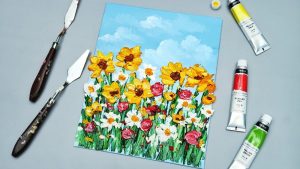
First, you need a sturdy canvas or canvas board. Canvas boards cost less and are great for practice. Use an easel to hold your canvas steady. A palette is needed to mix your colors. Paper towels or rags help clean your brushes and spills. Don’t forget a palette knife for mixing paint and creating texture.
Choosing The Right Brushes
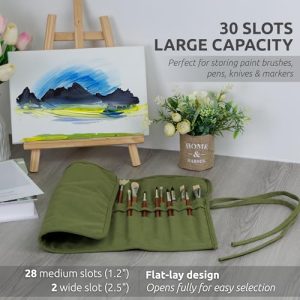
Brushes come in various shapes and sizes. Start with a few round and flat brushes in medium and large sizes. Hog bristle brushes are stiff and work well with oil paint. Synthetic brushes are softer and easier to clean. Use flat brushes for broad strokes and round brushes for details. Clean your brushes often to keep them in good shape.
Selecting Oil Paint Colors
Begin with a basic palette of colors. Choose primary colors: red, blue, and yellow. Add white and black for mixing tints and shades. Earth tones like burnt sienna and raw umber help create natural colors. Use quality paint to get rich colors and smooth application. Avoid buying too many colors at once; you can add more later.
Solvents And Mediums Explained
Solvents thin oil paint and clean brushes. Common solvents include turpentine and mineral spirits. Use one container for thinning paint and another for brush cleaning. Mediums change paint texture and drying time. Linseed oil is popular for making paint smoother and glossier. Always work in a well-ventilated area to avoid strong fumes.
Credit: willkempartschool.com

Credit: www.youtube.com
Frequently Asked Questions
How Do I Start My First Oil Painting?
Start by gathering basic supplies: canvas, brushes, oil paints, and solvents. Sketch your design lightly. Apply thin paint layers first, following the “fat over lean” rule. Clean brushes separately with appropriate solvents. Practice patience, allowing each layer to dry before adding the next.
Enjoy the creative process.
What Is The 80/20 Rule In Painting?
The 80/20 rule in painting means 80% of results come from 20% of effort, focusing on key elements for impact.
What Are The Three Rules Of Oil Painting?
The three rules of oil painting are: Fat over lean, applying more oil in upper layers; Thick over thin, using thicker paint on top; Slow drying over fast drying, layering slower drying paint above faster drying layers to prevent cracking.
Can Oil Painting Be Self-taught?
Yes, oil painting can be self-taught with practice, patience, and learning basic techniques from books or online tutorials.
Conclusion
Starting oil painting is exciting and rewarding. Begin with basic supplies and simple subjects. Practice regularly to build confidence and skills. Don’t rush; enjoy the process and learn from mistakes. Experiment with colors and brush techniques to find your style.
Keep your workspace clean and organized for better results. Oil painting takes patience, but results improve over time. Stay curious and keep creating your own unique art. This journey will bring joy and new creative skills.