PaintingProGuide is reader-supported. When you buy through links on this page we may earn an affiliate commission at no extra cost to you.
Quick answer: To use soft pastels, work on paper with tooth (pastel or sanded paper), block in big shapes with firmer sticks using the side of the pastel, then build layers from hard to soft and from dark to light, blending with a finger or stump. Save your softest sticks for final details and highlights, tap dust off instead of blowing it, and frame the finished piece under glass.
Learning how to use soft pastels is mostly about three things: the right surface, the right order of layers, and good dust habits. Soft pastels have no drying time and no mixing palette, so you can start a painting in minutes. But because color sits on the surface of the paper, the way you build layers decides whether your work looks fresh or muddy.
This step-by-step guide covers everything a beginner needs, plus answers to common questions like using soft pastels with water or over acrylic paint. If you have not picked a set yet, start with our guide to the best soft pastels for beginners and pros.
What You Need to Start
- A soft pastel set: a mix of firmer and softer sticks is ideal. A budget square set plus a few artist-grade soft sticks works well.
- Paper with tooth: pastel paper or sanded pastel paper. Smooth drawing paper will not hold many layers.
- A rigid backing board and clips or tape.
- Blending tools: fingers, paper stumps (tortillons), a soft brush, or foam applicators.
- A kneaded eraser for lifting color and correcting.
- Workable fixative (optional).
- Baby wipes or a damp cloth, and a tray or newspaper to catch dust.
Choosing Paper for Soft Pastels
Tooth is the texture of the surface, and it is what grabs and holds pastel pigment. The more tooth, the more layers you can apply before the surface stops accepting color.
- Pastel paper (laid or textured): affordable and good for practice, with a moderate number of layers.
- Sanded pastel paper: a gritty surface that holds many layers and gives rich, painterly results. It wears down sticks faster.
- Pastel boards and primed canvas: rigid supports for larger or mixed-media work. Our guide to the best canvas for pastels compares options.
Toned paper (mid-gray, tan or blue-gray) is a useful shortcut, because it lets both your darks and lights show immediately.
How to Use Soft Pastels Step by Step
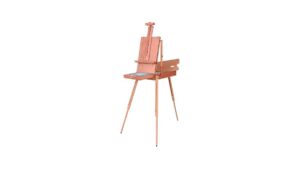
- Set up your workspace. Tape your paper to a board and, if possible, work upright or tilted on an easel so loose dust falls down into a tray rather than settling on the painting. A sturdy tabletop or studio easel works; even a lightweight one like those in our easels guide can be angled for pastel work.
- Sketch lightly. Use a pastel pencil, charcoal or a firm pastel to draw the main shapes. Keep lines light so they do not dominate later layers.
- Block in big shapes with firm sticks. Break a stick in half and use its side to lay in large areas of value and color. Firmer square sticks are ideal here because they do not fill the tooth too quickly.
- Establish darks first. Many artists work from dark to light because light pastel over dark looks brighter and cleaner than dark over light. Map your shadows and darkest values early.
- Blend selectively. Soften transitions with a finger, stump or brush where you want smooth gradients, such as skies or skin. Leave other areas unblended so the strokes stay lively.
- Build layers from hard to soft. Move from firmer sticks to softer ones as the painting develops. Soft pastel sticks will glide over firmer layers, but hard pastels will not grip on top of thick soft layers.
- Use fixative sparingly if needed. If the tooth fills before you are finished, a light mist of workable fixative can restore some grip. Expect a slight darkening of color.
- Add details and highlights last. Use your softest sticks and a light touch for final accents, crisp edges and brightest lights.
- Remove loose dust safely. Tap the back of the board gently over a tray or the trash. Do not blow on the painting.
- Protect and frame. Store finished work flat with glassine on top, and frame under glass with a mat or spacer so the pastel never touches the glazing.
Soft Pastel Techniques for Beginners
Side Strokes and Tip Strokes
The side of a stick covers large areas fast; the tip or a square edge creates lines and details. Most paintings use both.
Hatching and Cross-Hatching
Parallel lines of different colors placed side by side mix optically when seen from a distance. Hatching keeps color clean and avoids overblending.
Scumbling and Feathering
Lightly drag a soft stick over an existing layer so the lower color shows through. This creates texture and vibration in foliage, water and backgrounds.
Blending Without Mud
Blend fewer colors at once and avoid rubbing complementary colors together, which turns them gray. Clean fingers or switch stumps between colors.
How to Use Soft Pastels for Background
For a background, lay in color with the side of a firm stick, then blend it into a soft field with a paper towel, foam applicator or your palm. Keep backgrounds simpler and less detailed than your subject. You can also create an underpainting with water or alcohol, described below, to cover the paper quickly.
How to Use Soft Pastels With Water
Yes, you can use water with soft pastels. Because the binder is water-soluble, brushing water over a first layer of pastel dissolves it into a wash, a technique often called a wet underpainting. Let it dry completely, then layer dry pastel on top. Use a surface that tolerates moisture, such as sanded paper rated for wet media or a primed board, because thin pastel paper may buckle. Some artists use rubbing alcohol instead of water because it dries faster.
How to Use Soft Pastels Over Acrylic Paint
A thin acrylic underpainting is a popular way to set your values and colors before pastel. The key is tooth: acrylic paint on its own leaves a smooth surface pastel will not grip well. Paint onto sanded paper or a board coated with an acrylic pastel ground, keep the acrylic thin so it does not fill the grit, and let it dry fully before adding pastel.
Dust Safety and Clean-Up
Soft pastel dust is pigment, and some pigments contain metals you should not inhale or swallow. Simple habits keep the risk low:
- Never blow dust off your painting; tap it off over a tray.
- Work upright or tilted so dust falls away from you.
- Wipe tables with a damp cloth or use a HEPA vacuum instead of sweeping.
- Do not eat or drink while working, and wash your hands afterward.
- Consider nitrile gloves or barrier cream if you blend with fingers often.
- Choose sets labeled non-toxic, especially for students and kids.
How to Store Soft Pastels
Keep pastels in their original foam-lined box, a tin, or a divided tray so they do not rub against each other. Store sticks by value or color family to speed up painting. If sticks get dirty, roll them gently in a container of dry rice or cornmeal to clean them. Break new sticks in half so one half stays clean in storage.
A set with a sturdy case helps: the Mont Marte 48-piece soft pastels in a tin is an inexpensive beginner option with a protective storage case and a powdery, easy-blending texture.
Common Beginner Mistakes
- Using smooth paper with no tooth.
- Starting with the softest sticks and filling the tooth too early.
- Pressing hard in early layers instead of building gradually.
- Overblending until colors turn muddy.
- Spraying heavy fixative on the final layer and dulling highlights.
- Blowing dust off the work.
Still deciding between dry and oil-based sticks? Read our comparison of soft pastels vs oil pastels. And if you are unsure what “chalk pastels” or “hard pastels” mean on a label, see soft pastels vs chalk pastels explained.
FAQs
Do you work dark to light or light to dark with soft pastels?
Most pastel artists work dark to light, because light colors placed over darks look brighter and sit cleanly on top. It is a guideline, not a law; the more important rule is hard to soft.
What paper should you use for soft pastels?
Use paper with tooth: textured pastel paper for practice or sanded pastel paper for many layers. Toned paper in a mid-value color makes it easier to judge darks and lights.
Can I use water with soft pastels?
Yes. Brushing water over a thin pastel layer turns it into a wash for an underpainting. Let it dry fully before adding dry pastel, and use paper or board that can handle moisture.
How do you use soft pastels on canvas?
Plain acrylic-primed canvas is often too smooth. Coat it with an acrylic pastel ground or use a canvas board made for pastels, then work as you would on sanded paper.
How do you keep soft pastels from smudging?
Rest your hand on a sheet of glassine or a bridge, work top to bottom, and use workable fixative lightly between layers. For finished work, store it flat with glassine and frame under glass.
Next Step
The fastest way to improve is to paint small, simple studies often: a sky, a pear, a single tree. Start with a firmer, affordable set for blocking in and add a few soft artist sticks for highlights. When you are ready to choose, compare the soft pastel sets we compared for every skill level and pick one that matches your budget and style.