Have you ever finished a painting and wondered, “Is acrylic paint waterproof when dry?” If you want your artwork or project to last without smudging or washing away, this question matters a lot. Knowing how acrylic paint behaves after drying can save you time, effort, and frustration.
You’ll discover the truth about acrylic paint’s waterproof qualities and learn simple tips to protect your work. Keep reading to make sure your creations stay just the way you want them—vibrant and intact.
Credit: www.walmart.com
Acrylic Paint Basics
Acrylic paint is popular among artists and hobbyists. It is known for its bright colors and fast drying time. Understanding its basics helps to know if it is waterproof after drying. This section explains what acrylic paint is made of and how it dries.
Knowing these details helps to use acrylic paint correctly for different projects. It also clears up common questions about its water resistance.
Composition And Properties
Acrylic paint is made from pigment and acrylic polymer. The pigment gives the color. The acrylic polymer acts as a binder. It holds the pigment together and sticks it to surfaces.
When wet, acrylic paint looks like a thick liquid. It is easy to spread and mix. Once dry, it forms a flexible and solid film. This film resists cracking and peeling.
Acrylic paint is water-based. It means water can dilute it and clean brushes. But after drying, the paint changes. It becomes water-resistant but not fully waterproof.
Drying Process
Drying acrylic paint happens in two steps. First, water evaporates from the paint. This makes the paint dry to the touch quickly. It usually takes 10 to 30 minutes.
Next, the acrylic polymer particles come closer and form a film. This process is called coalescence. It makes the paint strong and flexible.
Complete drying and curing take up to 24 hours. After this, the paint is water-resistant. It can handle light moisture and splashes. But it can still soften if soaked in water for long.
Water Resistance Of Dry Acrylic Paint
Acrylic paint is popular for many art projects. One common question is about its water resistance after drying. Understanding how dry acrylic paint behaves with water helps in choosing the right paint for your work.
Dry acrylic paint forms a thin plastic-like layer on surfaces. This layer can resist water to some extent. But not all surfaces or paint layers act the same. Let’s explore how surface and other factors affect this water resistance.
Surface Texture And Absorption
The texture of the surface changes how paint dries and holds water. Smooth surfaces like glass let acrylic paint form a strong, water-resistant layer. Rough surfaces like wood or canvas absorb more paint. This absorption can reduce water resistance.
Porous surfaces soak in paint and water easily. The paint’s plastic layer may not fully cover these surfaces. This causes water to seep through the paint layer faster. Smooth, sealed surfaces help the paint resist water better.
Factors Affecting Waterproofing
Several factors influence how waterproof dry acrylic paint becomes. Paint thickness matters. Thicker layers create stronger, more water-resistant coatings. Thin layers dry faster but may not block water well.
The quality of acrylic paint also plays a role. Higher-quality paints often have better binders. These binders help form a tighter, more waterproof layer. Drying time affects water resistance too. Fully cured paint is more water-resistant than paint just dry to touch.
Temperature and humidity during drying change the paint’s waterproof ability. Cooler or humid conditions slow drying, which might weaken the paint’s water resistance. Proper sealing or varnishing after painting can improve waterproofing significantly.
Testing Acrylic Paint Waterproof Qualities
Testing acrylic paint for waterproof qualities helps understand its durability. Acrylic paint dries fast and forms a layer on surfaces. This layer may resist water to some extent. Testing shows how strong this resistance really is. It also helps decide if acrylic paint suits outdoor projects.
Common Water Exposure Tests
One test involves spraying water on dry paint. Observing if water beads or soaks in shows paint strength. Another test uses a wet cloth to wipe the painted surface. This checks if paint smudges or stays intact. A third test dips the painted item partially in water. This tests deep water contact effects on paint. These simple tests reveal how paint reacts to water.
Results And Observations
Water often beads on well-dried acrylic paint. The paint usually does not dissolve or wash away. Wiping with a wet cloth rarely removes paint if fully dry. However, long water exposure can soften paint edges. Dipping causes some paint to peel on rough surfaces. Smooth surfaces hold paint better during water tests. These results show acrylic paint is water-resistant, not fully waterproof.
Enhancing Waterproofing
Enhancing the waterproof quality of acrylic paint is important for long-lasting projects. Acrylic paint can resist water after drying, but extra steps help protect the surface better. Adding a protective layer improves durability and keeps your artwork safe from moisture damage.
Sealants And Varnishes
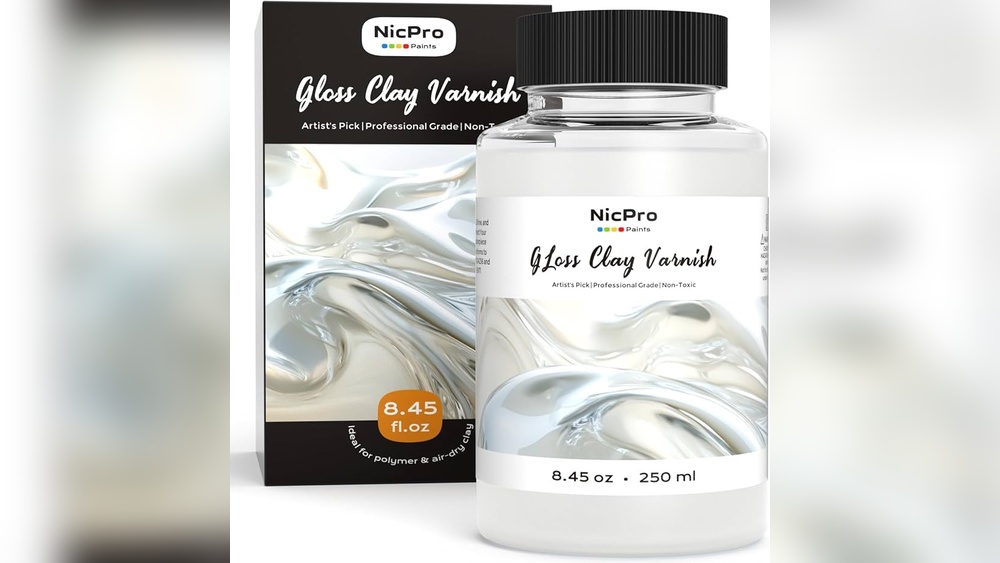
Sealants and varnishes create a strong, clear coat over acrylic paint. They block water and prevent paint from peeling or fading. Choose a water-based or acrylic varnish for easy use and better results. Apply thin, even layers and let each dry fully before adding another. This adds a solid barrier that helps your paint stay waterproof.
Application Techniques
Applying acrylic paint with the right technique boosts waterproofing. Use thin, multiple layers instead of one thick coat. Let each layer dry well to build a stronger surface. Avoid mixing too much water with the paint, as it can weaken the finish. Proper drying and layering increase paint resistance to water over time.
Common Misconceptions
Acrylic paint often causes confusion about its water resistance. Many people think acrylic paint is fully waterproof once dry. This is not always true. Understanding these common misconceptions helps to use acrylic paint correctly.
Is Dry Acrylic Paint Fully Waterproof?
Many believe acrylic paint becomes completely waterproof after drying. In reality, dried acrylic paint is water-resistant but not fully waterproof. It can handle light moisture but will soften or lift with heavy water exposure.
Does Acrylic Paint Protect Surfaces From Water?
Some assume acrylic paint acts like a sealant. Acrylic paint does not provide a strong water barrier. Without a proper sealant or varnish, water can still damage the painted surface over time.
Can Acrylic Paint Withstand Outdoor Weather?
Acrylic paint can resist rain and humidity briefly. Long exposure to rain or harsh weather breaks down the paint. A protective coating is needed for outdoor durability.
Is Acrylic Paint Permanent On All Materials?
Acrylic paint sticks well to many surfaces but not all. On smooth or non-porous surfaces, paint can peel or wash away. Surface preparation and sealing improve paint permanence.
Credit: www.walmart.com
Practical Uses And Limitations
Acrylic paint has many practical uses but also some limits. It dries fast and forms a tough layer. This layer resists water, but only to a certain degree. Knowing where and how to use acrylic paint helps get the best results. It works well for many projects but may not be perfect for all conditions.
Indoor Vs Outdoor Use
Indoors, acrylic paint holds up well. It stays vibrant on walls, furniture, and decor. A sealed coat can protect it from moisture and stains. Outdoors, acrylic paint faces sun, rain, and wind. It can fade or peel if not sealed properly. Use special outdoor acrylic paints for better durability. Regular acrylic paint may need extra protection like varnish or sealant.
Art And Craft Applications
Acrylic paint suits many art and craft projects. It works on canvas, wood, paper, and fabric. Artists like it because it dries quickly and is easy to clean. For crafts, it sticks well to different surfaces. A waterproof finish appears after the paint dries fully. Still, heavy water exposure can cause damage over time. Sealing painted crafts can improve their water resistance.

Credit: www.amazon.com
Frequently Asked Questions
Is Acrylic Paint Waterproof After It Dries?
Acrylic paint is water-resistant but not fully waterproof once dry. It can withstand light moisture but may soften or peel with prolonged water exposure.
How To Make Acrylic Paint Waterproof Permanently?
To make acrylic paint waterproof, apply a clear acrylic sealer or varnish over the dried paint. This protects the surface from water damage.
Can Outdoor Acrylic Paintings Survive Rain?
Outdoor acrylic paintings survive light rain if sealed properly. Without a sealant, rain can damage or fade the paint over time.
Does Drying Time Affect Acrylic Paint’s Waterproof Quality?
Drying time alone doesn’t make acrylic paint waterproof. Proper sealing after drying is essential to ensure water resistance and durability.
Conclusion
Acrylic paint becomes water-resistant once fully dry. It can handle light moisture without damage. Still, heavy water or soaking may cause issues. Using a sealant helps protect the paint further. Many artists choose acrylic for its quick drying and durability.
Remember, the paint is not fully waterproof on its own. Treat your artwork gently to keep it safe. Now, you know how acrylic paint reacts to water. This helps you decide how to use it best.