Welcome to the world of painting! If you are new, this guide is for you. Here, you will learn the basics, tools, and techniques. Let’s start your painting journey.
Why Start Painting?
Painting is a fun activity. It helps you relax and express yourself. Anyone can paint, and you don’t need to be a professional. Let’s explore why painting is great for beginners.
- Painting is relaxing.
- It improves creativity.
- You can express your feelings.
- Painting is fun and rewarding.
Essential Painting Supplies
Before you start, you need some supplies. These are the basic tools for beginners. Let’s see what you need.
| Supply | Description |
|---|---|
| Paints | Choose watercolors, acrylics, or oils. |
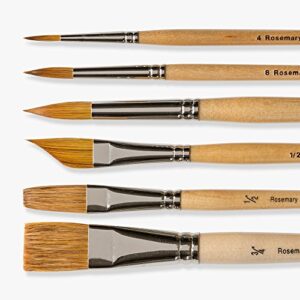
| Brushes | Get different sizes and shapes. |
| Canvas or Paper | Start with canvas boards or thick paper. |
| Palette | Use it to mix your colors. |
| Water Jar | Clean your brushes while painting. |
| Rags or Paper Towels | Keep your workspace clean. |
Choosing Your Paints
There are different types of paints. Each one has its own qualities. Let’s look at the three main types.
- Watercolors: These are easy to use and clean up. They are transparent and give a light look.
- Acrylics: These dry fast and are versatile. They can look like watercolors or oils.
- Oils: These are rich and vibrant. They take longer to dry, so you can blend colors easily.
Basic Painting Techniques
Now, let’s learn some basic techniques. These will help you get started. Practice these to improve your skills.
1. Color Mixing
Learn to mix colors. Start with primary colors: red, blue, and yellow. Mix them to get secondary colors: green, orange, and purple. Experiment with different shades and tones.
2. Brush Strokes
Different brushes make different strokes. Try using flat, round, and fan brushes. Practice making lines, dots, and textures.
3. Layering
Build your painting in layers. Start with a background color. Add details and highlights in the next layers. This adds depth to your painting.
4. Blending
Blend colors to make smooth transitions. Use a clean brush or your fingers. Practice blending to create shadows and highlights.
5. Dry Brushing
Use a dry brush to add texture. Lightly drag the brush over the surface. This technique is great for adding details.
Finding Inspiration
Inspiration is everywhere. Look around and find what excites you. Here are some ideas to get you started.
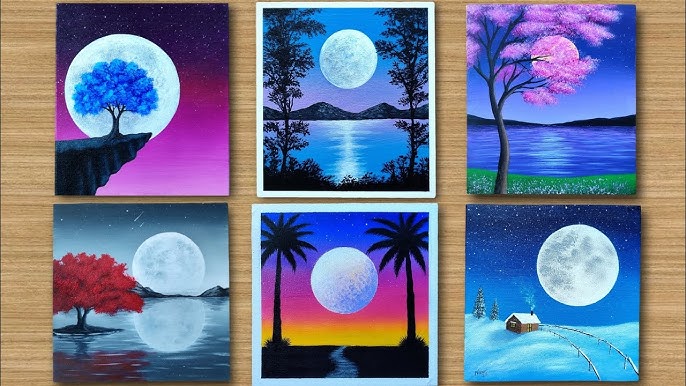
- Nature: Paint landscapes, flowers, or animals.
- People: Try portraits or figure drawing.
- Objects: Paint everyday items like fruits or books.
- Imagination: Create abstract or fantasy art.

Credit: www.pinterest.com
Practice Makes Perfect
Practice is key to getting better. Don’t worry about mistakes. Every painter was once a beginner. Keep painting and you will improve.
Joining a Painting Community
Join a painting community. You can learn from others and share your work. Look for local art classes or online groups. Being part of a community is motivating and fun.
Credit: m.youtube.com
Frequently Asked Questions
What Are The Best Painting Supplies For Beginners?
High-quality brushes, acrylic paints, and canvas are essential for beginners to start painting effectively.
How Do I Choose Painting Brushes?
Select brushes based on their type, size, and bristle material. Synthetic brushes are great for beginners.
Can Beginners Use Acrylic Paints?
Yes, acrylic paints are ideal for beginners. They dry quickly and are easy to work with.
What Should I Paint As A Beginner?
Start with simple subjects like fruits, landscapes, or basic shapes to build confidence and skills.
Conclusion
Painting is a wonderful journey. With the right tools and techniques, you can create beautiful art. Remember to practice and have fun. Start your painting journey today!