Are you looking to take your painting skills to the next level? Understanding how to use a mop brush could be the game-changer you need.
This versatile tool isn’t just another paintbrush—it’s designed to help you create smooth blends, soft edges, and delicate textures that bring your artwork to life. Whether you’re working with watercolors, acrylics, or oils, mastering the mop brush can open up new creative possibilities.
In this guide, you’ll discover practical tips and techniques that will make your painting process easier and more enjoyable. Ready to unlock the full potential of your mop brush? Let’s dive in!
Credit: www.youtube.com
Mop Brush Basics
Mop brushes offer unique painting techniques that bring softness and depth. Their large, absorbent heads hold plenty of paint and water. Artists can create smooth blends and subtle transitions easily. These brushes also work well for washes, glazes, and textural effects. Understanding how to use mop brushes helps you achieve varied results in your artwork.
Loading The Brush Correctly
Dip the mop brush gently into paint or water. Avoid overloading to prevent drips. Tap the brush lightly on the palette edge. This balances the paint and water on the bristles. Proper loading ensures smooth application and control. It prepares the brush for soft, even strokes.
Creating Soft Blends And Transitions
Use a damp mop brush to blend colors on paper or canvas. Lightly stroke over the edges between colors. The brush softens harsh lines and merges hues naturally. Work quickly before the paint dries. This technique creates gentle, seamless color transitions.
Applying Washes And Glazes
Load the mop brush with diluted paint for washes. Apply broad, even strokes to cover large areas. Layer thin glazes to build color depth gradually. The mop brush spreads paint smoothly without streaks. It is perfect for backgrounds and light effects.
Building Textures And Effects
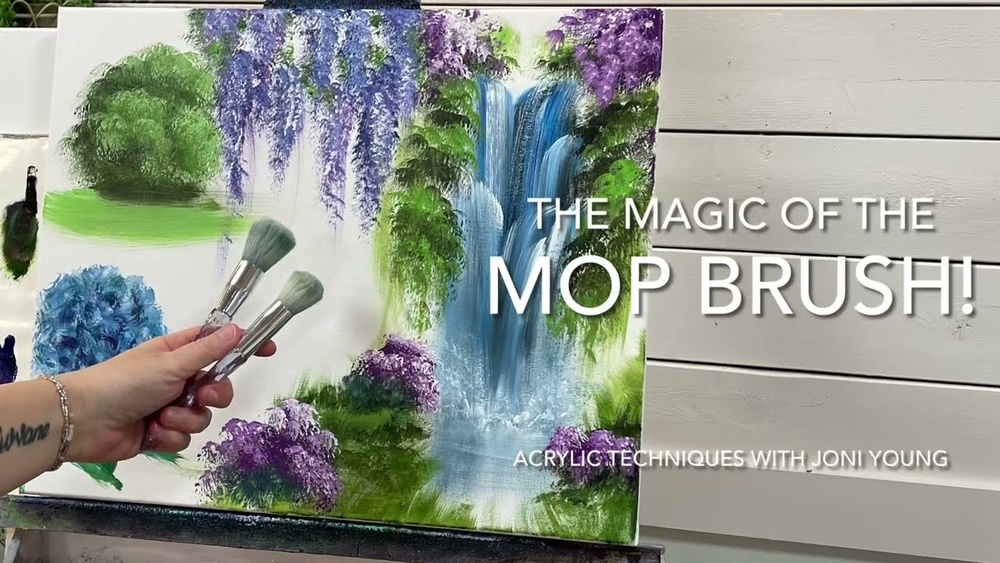
Use the tip or side of the mop brush to add texture. Dab or twist the brush for varied marks and patterns. Combine dry and wet strokes for interesting effects. The soft bristles create fluffy, natural textures like foliage or clouds. Experiment to find unique textures in your painting.

Credit: www.emilywassell.co.uk
Painting Techniques With Mop Brushes
Using a mop brush in painting can create beautiful effects. Avoiding common mistakes helps achieve smooth results. Mistakes often reduce the brush’s effectiveness and damage your artwork. Knowing what to avoid saves time and paint.
Overloading With Paint
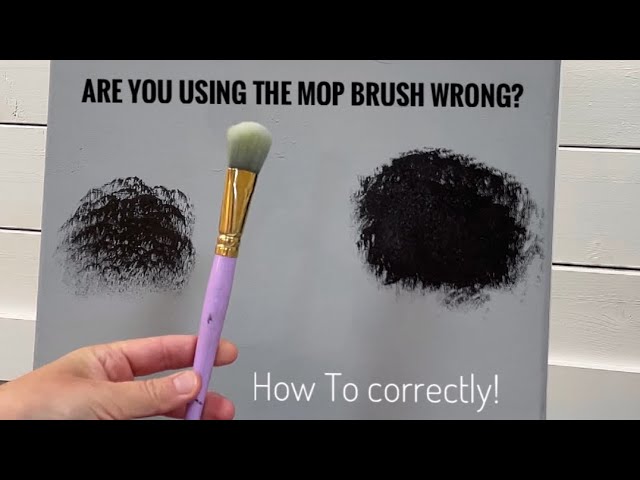
Do not dip the mop brush too deep into the paint. Overloading causes drips and uneven strokes. It becomes hard to control the brush and blend colors. Use a moderate amount of paint for better flow and smoothness.
Using On Dry Surfaces
Mop brushes work best on damp or wet surfaces. Using them on dry surfaces may scratch or damage the paint layer. It also makes blending difficult and uneven. Lightly wet the surface before applying paint with a mop brush.
Improper Cleaning
Clean your mop brush immediately after use. Paint left to dry can ruin the bristles and shape. Use warm water and gentle soap for cleaning. Dry the brush flat or hanging to keep the fibers soft and flexible.
Credit: www.trekell.com
Frequently Asked Questions
What Is A Mop Brush Used For In Painting?
A mop brush is ideal for blending, softening edges, and creating smooth washes. It holds a large amount of water and pigment, making it perfect for watercolor and acrylic techniques requiring gentle transitions and subtle gradients.
How Do You Properly Load A Mop Brush?
To load a mop brush, soak it in clean water, then squeeze out excess moisture. Dip it into paint or pigment, ensuring the bristles remain soft and damp for smooth application without harsh strokes.
Can Mop Brushes Create Texture Effects?
Yes, mop brushes can create soft textures like foliage or clouds. By varying pressure and brush angle, artists can achieve fluffy, natural effects, making mop brushes versatile for landscape and decorative painting.
Are Mop Brushes Suitable For Beginners?
Absolutely. Mop brushes are beginner-friendly due to their large water capacity and ease of blending. They help novices achieve smooth color transitions and practice gentle brush control effectively.
Conclusion
Mop brushes offer great versatility for painters of all levels. They blend colors smoothly and create soft edges easily. Using water with a mop brush helps control paint flow and texture. This brush works well for washes, backgrounds, and gentle details.
Experimenting with different sizes can enhance your painting style. Keep your mop brush clean for best results every time. Practicing these tips will improve your painting experience naturally. Enjoy exploring the many uses of mop brushes in your art.