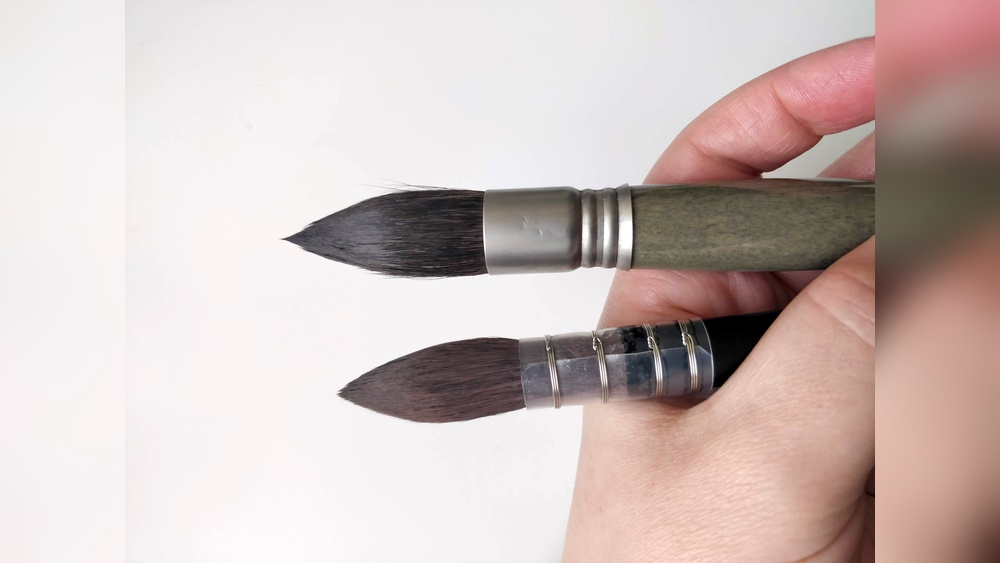
When it comes to choosing the perfect paint brush, you might find yourself stuck between natural and synthetic options. Which one will give you the smoothest finish?
Which lasts longer? And most importantly, which suits your painting style and budget best? If you’ve ever wondered whether to pick natural or synthetic brushes for your next project, you’re not alone. This comparison will help you understand the key differences, advantages, and drawbacks of each type so you can make an informed choice.
Keep reading—your next masterpiece deserves the right brush!
Types Of Paint Brushes
Choosing the right paintbrush depends on the type of paint used. Brushes perform differently with water-based and oil-based paints. Understanding these differences helps achieve a smooth finish and better control. Natural and synthetic brushes each have unique strengths with various paint types.
Water-based Paints And Synthetic Brushes
Synthetic brushes excel with water-based paints like acrylics and latex. Their nylon or polyester bristles resist water absorption. This keeps the brush firm and flexible during application. Soft, fine-tipped synthetic brushes spread paint evenly without streaks. They maintain shape and do not swell or lose stiffness. This results in a smooth finish on walls and trim. Synthetic brushes also clean easily with soap and water. They last longer with frequent use of water-based paints.
Oil-based Paints And Natural Brushes
Natural brushes work best with oil-based paints such as enamels and varnishes. Their animal hair bristles hold more paint and release it smoothly. The natural split ends create a soft touch on surfaces. These brushes provide excellent control and a rich finish. They adapt well to thick oil paints, allowing precise strokes. Natural brushes require careful cleaning with solvents but offer superior performance. Their ability to maintain shape helps avoid brush marks on detailed work.

Credit: hamiltonsbrush.co.za
Performance With Different Paints
Durability and maintenance are key factors when choosing between natural and synthetic paint brushes. Both types require proper care to last long and perform well. Natural brushes tend to be delicate but offer excellent paint pickup. Synthetic brushes are tougher and resist damage better, especially with water-based paints.
Understanding how to clean and store each brush type helps preserve their shape and usability. Neglect can cause bristles to splay or break, reducing the brush’s effectiveness. Following simple care steps extends brush life and keeps painting smooth.
Care For Natural Brushes
Natural brushes need gentle handling to maintain their softness. Use mild soap and lukewarm water to clean them after each use. Avoid hot water, which can damage bristles. Rinse thoroughly to remove all paint residues.
Shape the bristles back to their original form before drying. Store brushes flat or hang them with bristles down to prevent bending. Avoid soaking natural brushes for long periods, as this weakens the glue holding the bristles.
Care For Synthetic Brushes
Synthetic brushes handle harsher cleaning better than natural ones. Use warm water and soap to remove paint thoroughly. Synthetic fibers dry faster and resist swelling.
After cleaning, reshape bristles to keep a fine edge. Store brushes with bristles up or flat to avoid damage. Synthetic brushes need less delicate care but still benefit from regular cleaning to prevent paint buildup.
Durability And Maintenance
Choosing between natural and synthetic paint brushes often involves weighing price against value. Both types offer unique benefits that impact cost and long-term satisfaction. Understanding these factors helps make a smart choice that fits your painting needs and budget.
Cost Comparison
Natural brushes usually cost more upfront. Their bristles come from animal hair, which requires careful sourcing and processing. Synthetic brushes are cheaper to produce, using man-made fibers like nylon or polyester. This makes synthetic options more affordable for beginners or large projects. However, price alone does not tell the whole story. The quality and performance of the brush also affect its true value.
Long-term Investment
Natural brushes often last longer with proper care. They hold paint well and maintain shape during use, which can save money over time. Synthetic brushes may wear out faster, especially with heavy use or harsh paints. Yet, they resist damage from water and chemicals better, making them ideal for certain paints. Consider how often you paint and the type of paint used. A slightly higher initial cost can lead to better results and fewer replacements with natural brushes.
Price And Value
Choosing the right paintbrush depends on several key features. These features affect how the brush performs and how your paint looks on the surface. Understanding these traits helps you pick a brush that suits your project and style.
Natural and synthetic brushes differ in many ways. Knowing what to check can make your choice easier and more effective.
Bristle Softness And Flexibility
Soft bristles hold paint smoothly and spread it evenly. Flexible bristles bend without breaking, giving you better control. Natural bristles are usually softer and more flexible. Synthetic bristles can be made soft but often feel stiffer. The paint type also matters. Oil paints work well with softer bristles. Acrylic paints pair better with firmer, synthetic bristles that resist water damage.
Brush Shape And Taper
The shape of the brush affects the stroke style and detail. Flat brushes cover large areas quickly. Round brushes help with fine lines and details. Tapered tips give precision and control. Natural brushes tend to keep their shape longer. Synthetic brushes may lose their taper faster but can be shaped more easily. Choose a shape that fits your painting technique and the surface size.
Blend Of Bristles
Some brushes mix natural and synthetic bristles. This blend aims to combine softness with durability. Mixed bristles offer good paint hold and smooth application. They can work well with different paint types. Blended brushes are often more affordable than pure natural ones. They provide a balance between quality and price, making them popular for many artists.
Brush Features To Consider
Choosing the right paint brush depends on quality and purpose. Trusted brands offer brushes that perform well and last longer. Below are some top brands and models for natural and synthetic brushes. These brands are favored by many painters for their reliability and craftsmanship.
Top Natural Brush Brands
Winsor & Newton is famous for its high-quality natural bristle brushes. Their Series 7 Kolinsky Sable brushes are excellent for fine detail work. The bristles hold paint well and offer smooth strokes.
EscodaReserva Series is popular among watercolor artists. These brushes have soft, flexible bristles and maintain shape after use.
Da VinciMaestro Series uses Kolinsky sable and is known for durability. These brushes work great for oil and watercolor painting.
Top Synthetic Brush Brands
PurdyNylox Glide series features nylon-polyester filaments that resist water swelling. These brushes apply paint smoothly and evenly on water-based paints.
WoosterAlpha Series synthetic brushes. These brushes have fine, tapered tips that reduce brush marks. They are ideal for trim and cabinet painting.
Royal & LangnickelZen Series blends nylon and taklon fibers. These brushes hold paint well and clean easily, making them perfect for acrylics.
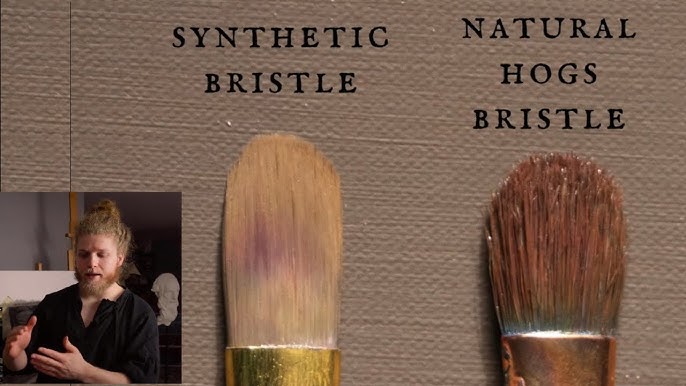
Credit: www.youtube.com
Recommended Brands And Models
Choosing the right paintbrush depends a lot on skill level. Different brushes suit different experience stages. Beginners need tools that offer ease and comfort. Professionals require brushes that provide precision and durability. Understanding these needs helps in selecting natural or synthetic brushes wisely.
Beginners’ Brush Options
Beginners benefit from synthetic brushes. They are affordable and easy to clean. Synthetic bristles hold paint well and resist damage. These brushes work with many paint types. Their durability allows for practice without worry. Natural brushes might feel stiff for new users. Synthetic options also avoid shedding bristles. This reduces frustration during painting sessions. Beginners should pick medium-sized brushes. This size offers control and versatility. Choosing synthetic brushes helps beginners build confidence quickly.
Professional Grade Brushes
Professional painters often prefer natural brushes. Natural bristles provide excellent paint holding. They give smooth, even strokes on canvas. These brushes excel with oil and watercolor paints. They offer better shape retention after use. Professionals look for fine-tipped or tapered bristles. These allow detailed and precise work. Some synthetic brushes can match this quality. But high-end natural brushes remain popular. They also feel softer and more responsive. Professionals invest in brushes that last long. Quality natural or synthetic brushes improve artwork quality.
Choosing Brushes Based On Skill Level
Achieving a smooth finish with paint requires careful brush selection and proper technique. Both natural and synthetic brushes can deliver excellent results if used correctly. Understanding how to match your brush to the paint type and how to handle the brush during application is essential. These tips help reduce brush marks and create even coverage.
Matching Brush To Paint Type
Use synthetic brushes with water-based paints like latex or acrylic. Synthetic bristles resist water and keep their shape. They provide smooth strokes without swelling or shedding. For oil-based paints, natural bristle brushes work best. Their soft, tapered tips hold paint well and spread it evenly. Choose the right bristle type to avoid rough finishes and ensure good paint flow.
Technique And Brush Handling
Hold the brush near the base of the bristles for better control. Use long, even strokes in one direction to avoid streaks. Avoid pressing too hard to keep the paint layer smooth. Reload the brush often but apply thin coats. Lightly feather the edges of each stroke to blend the paint seamlessly. Clean brushes between coats to prevent dried paint from causing rough textures.

Credit: www.trekell.com
Frequently Asked Questions
Are Natural Or Synthetic Paint Brushes Better?
Natural brushes excel with oil and watercolor paints, offering traditional feel and durability. Synthetic brushes suit acrylics and water-based paints, resisting water damage and providing smooth finishes. Choose based on your paint type, budget, and desired texture for best results.
What Is The Best Brush For Alopecia?
The best brush for alopecia is a soft boar bristle brush. It gently spreads natural oils and protects hair cuticles, minimizing damage. This brush suits thinning or fine hair, promoting scalp health and reducing breakage. Choose one with soft, flexible bristles for comfortable, effective use.
What Type Of Paint Brush Gives The Smoothest Finish?
Synthetic brushes (nylon/polyester) give the smoothest finish for water-based paints. For oil-based paints, soft natural China bristles work best. Choose fine, tapered bristles like Purdy Nylox or Wooster Alpha for even application and minimal brush marks on trim and cabinets.
How Can You Tell If A Brush Is Synthetic Or Natural?
Check the brush tip: synthetic bristles feel smooth and uniform, while natural bristles appear uneven and softer. Synthetic brushes resist water better. Natural brushes absorb water and have split ends.
Conclusion
Choosing between natural and synthetic paint brushes depends on your needs. Natural brushes work well with oil and watercolor paints. Synthetic brushes suit water-based paints like acrylics better. Each type offers unique benefits for different projects. Consider your painting style, budget, and paint type carefully.
Both brush types can help you create beautiful artwork. Testing brushes yourself can guide the best choice. Remember, the right brush makes painting easier and more enjoyable. Keep these points in mind for your next painting project.