
Have you ever struggled with a paintbrush that just won’t deliver smooth, even strokes? It’s frustrating to spend hours painting only to see streaks and missed spots. When it comes to precision painting, the choice between Purdy Vs Wooster can make all the difference.
Choosing the right paintbrush can turn this hassle into a simple, enjoyable task. With the right brush, your walls, trim, or furniture look professional and clean—making your daily painting projects easier and more satisfying. In this article, we’ll explore top picks from Purdy and Wooster, two trusted brands that offer brushes designed to make your painting smoother and less stressful.
Whether you’re a beginner or a pro, these brushes can help you achieve better results with less effort. Keep reading to find the best brush that suits your needs and makes your next project a breeze.
Understanding the Differences: Purdy Vs Wooster
Wooster Brush Silver Tip Angle Sash Paintbrush
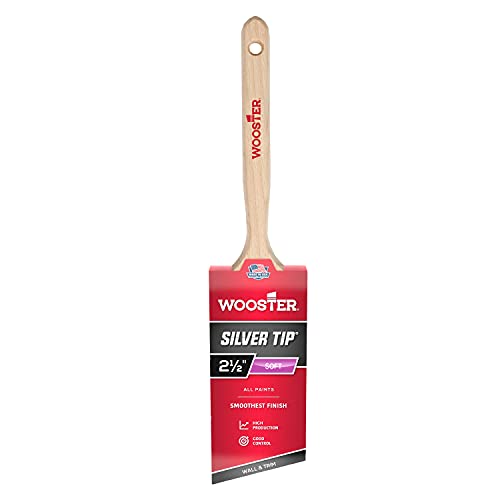
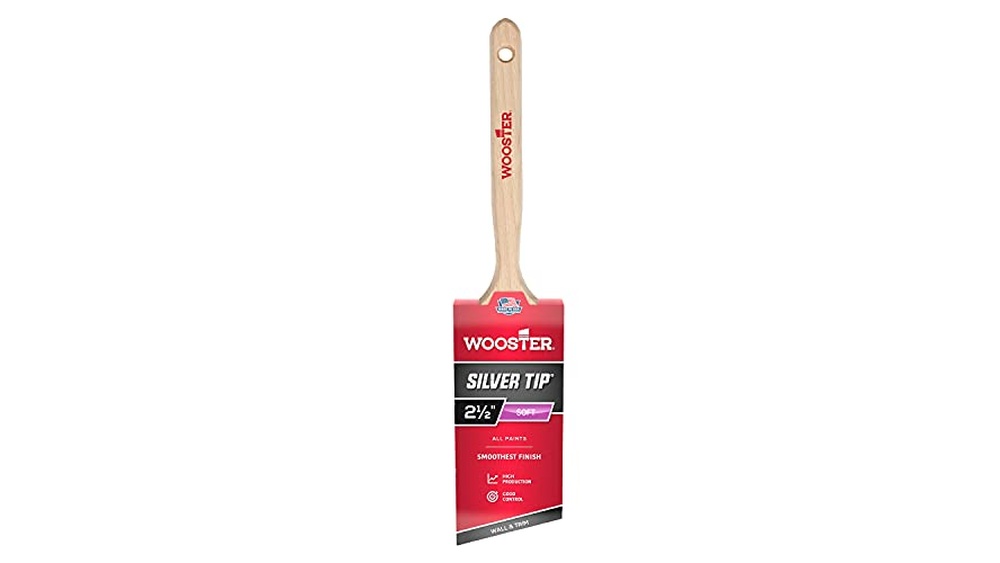
The Wooster Brush 5221-2-1/2 Silver Tip Angle Sash Paintbrush is ideal for homeowners, professional painters, and DIY enthusiasts who require precision and quality in their painting projects. This brush is perfect for those working on window sashes, trim, and other detailed surfaces where control and a smooth finish are essential. If you want a reliable tool that delivers excellent results on intricate painting tasks, this brush is a great choice.
Pros:
- High-quality silver tip bristles provide smooth and even paint application.
- 2-1/2 inch angle sash design allows for precise control and easy access to tight corners.
- Lightweight with a comfortable handle for reduced hand fatigue during extended use.
- Durable construction from the trusted Wooster brand ensures long-lasting performance.
- Suitable for use with both oil-based and latex paints, enhancing versatility.
Cons:
- May not be the best choice for very large surface areas due to its smaller size.
- The angled shape might require some adjustment time for users unfamiliar with sash brushes.
The Wooster Brush 5221-2-1/2 features premium silver tip bristles designed to hold paint well and deliver a clean, streak-free finish. Its angled sash shape is specifically crafted to fit snugly into corners and along trim lines, making it easier to achieve professional-looking results on detailed painting jobs. The brush’s dimensions and lightweight design contribute to a comfortable grip, which helps reduce fatigue and improve control during prolonged use.
Additionally, the brush’s high-quality materials and construction from Wooster Brush ensure durability and reliability, meaning it can withstand multiple uses without losing its shape or effectiveness. Whether you are working with latex or oil-based paints, this brush adapts well, providing consistent coverage and a smooth finish. Its compact size makes it a perfect tool for precision work, especially on window sashes and narrow surfaces, helping users achieve clean edges with minimal effort.
To buy this product, click here.
Choosing the Right Brush for Your Project
Wooster Brush 5221-2 Tip Angle Sash Paintbrush
Comparing Two Premium Brush Brands Fairly
Purdy and Wooster are both long established professional brush makers, and both produce excellent brushes. The honest comparison is not between the brands as a whole but between specific lines, because each maker sells dozens of brushes with different filaments, stiffness and shapes. A soft Wooster line and a stiff Purdy line will differ far more than the two brands differ on average.
So the practical question is which characteristics suit your paint and your hand. Answer that, then choose the line from either maker that matches.
The Characteristics That Actually Differ
Stiffness
Stiffer brushes push thick, modern trim paints and hold a sharp cutting line. Softer brushes lay off more smoothly and leave fewer marks with thin paint. Most professionals keep one of each.
Filament blend
Nylon is soft and lays off smoothly but can flop in hot weather. Polyester holds its stiffness in heat and humidity. Blends balance the two. Check the blend on the specific line rather than assuming by brand.
Handle shape and weight
Comfort over an eight hour day is highly personal. Some prefer a rat tail or pencil handle for fine control, others a thicker beavertail handle for less grip effort. Hold a few in a shop if you can.
Ferrule
Stainless steel or copper ferrules resist rust from water based paint far better than tinplate. Both makers use durable ferrules on their professional lines.
Price per year of use
Premium brushes cost more upfront and last dramatically longer if cleaned properly. A good brush used and cleaned correctly often outlasts several cheap ones, which makes the cost per job lower.
How to Decide
If you paint mostly with thick, modern acrylic enamels on trim and doors, choose a firmer brush. If you paint walls with emulsion and care most about a smooth finish, choose a softer one. Buy one good angle sash brush first, since cutting in is the job where quality shows most, and add others as you learn what you prefer.
Whichever you choose, cleaning decides its lifespan more than the brand does. Wash water based paint out the same day, comb the filaments, and store the brush in its keeper so it dries in shape.
Frequently Asked Questions
Is Purdy or Wooster better?
Both make excellent professional brushes. The difference between specific lines within each brand is larger than the difference between the brands, so choose by stiffness, filament and handle rather than by name.
Should I buy a stiff or soft paint brush?
Stiff for thick trim paints and sharp cutting lines, soft for smooth lay off with thinner paint. Many painters keep one of each.
Are premium brushes worth the money?
Yes, if you clean them properly. They last far longer than cheap brushes and give a better finish, so the cost per job is usually lower.
What makes a paint brush last longer?
Same day cleaning, combing the filaments straight, and storing the brush in its card keeper so it dries in the right shape.




