
Quick answer: Great painting ideas for 10 year olds balance real technique with quick, satisfying results: galaxy skies, sunset silhouettes, salt-texture watercolor, pop-art portraits, cartoon animals, painted rocks, tape-resist cityscapes, ocean waves and simple still lifes. At this age most kids can follow multi-step instructions, mix colors and use several brushes, so choose projects that teach one new skill each, take 45–90 minutes, and leave room for personal choices.
Ten is a sweet spot for painting. Kids have enough hand control to make detailed marks and enough patience to follow a sequence, yet they still approach art with curiosity instead of self-criticism. The right painting ideas for 10 year olds build on that: projects that look impressive, teach a real technique, and still feel like play.
This guide gives you 25 project ideas grouped by medium and theme, step-by-step instructions for three favorites, skill-building tips, supply guidance and advice for parents and teachers. If you are still choosing materials, our guide to the best painting sets for 10 year olds compares kits with the right mix of paints, brushes and surfaces for this age.
What 10 Year Olds Can Do With Paint
Understanding typical abilities at this age helps you pick projects that challenge without frustrating. Every child is different, but many 10 year olds can:
- Follow five to ten step instructions with a demonstration
- Mix secondary colors and lighter or darker versions of a color
- Use flat and round brushes for different purposes
- Understand foreground and background in a simple way
- Work on a project across more than one session
- Copy a reference image with reasonable proportions using a grid
The emotional side matters too. Around this age, many kids start comparing their work to others and to “realistic” art. Projects with built-in success, such as silhouettes, resist techniques and abstract effects, keep confidence high while skills develop.
Supplies That Suit 10 Year Olds
| Medium | Why it works at 10 | Watch out for |
|---|---|---|
| Acrylic (student grade) | Bright, opaque, covers mistakes, dries fast | Stains clothes permanently; wash brushes promptly |
| Watercolor pans or tubes | Great for effects like salt and wet-on-wet; easy cleanup | Needs proper watercolor paper to avoid buckling |
| Washable tempera | Cheap, easy cleanup, good for large projects | Can crack if applied thickly; less vibrant |
| Gouache | Opaque and matte, rewettable, flat illustration look | Some pigments carry warnings; check labels |
| Paint markers | Control for details, lettering and rock art | Need priming; can be pricey |
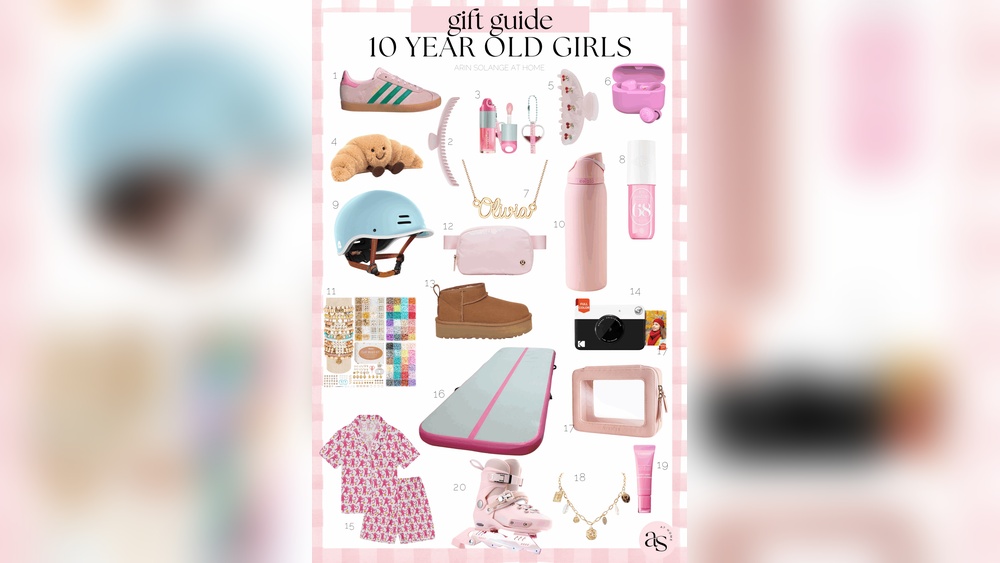
A typical set for this age includes 12–24 colors, several brush shapes (flat, round, fine liner), canvas panels or thick paper, and a palette. Look for products labeled for children or conforming to ASTM D-4236 with no warnings. When shopping for art supplies for 10 year old girls or boys, the best gift is usually a better-quality basic set rather than a huge kit full of weak colors.
Painting Ideas for 10 Year Olds: Acrylic Projects
1. Galaxy Sky
Sponge purples, blues and pinks onto a black background, then flick white stars with a toothbrush. Add a planet or silhouette of an astronaut.
2. Sunset Silhouette
Blend a sky from yellow to orange to pink to purple, then paint a black silhouette: a city, a cat on a fence, palm trees or a basketball hoop.
3. Pop Art Self-Portrait
Trace a simple outline from a photo, then fill areas with flat bold colors and add a halftone dot pattern with the end of a pencil.
4. Tape-Resist Cityscape
Tape building shapes onto a canvas, paint a colorful background over everything, peel the tape and add windows to the white buildings.
5. Ocean Wave
Teaches layering: dark blue water, a lighter curling wave, then white foam stippled on with an old brush.
6. Cartoon Animal Portrait
A cartoon fox, cat or panda made of simple shapes. Encourage big expressive eyes and a patterned background.
7. Pour Painting
Mix acrylic with pouring medium, layer colors in a cup and flip onto a small canvas. Messy and magical; best outside or on a covered table.
8. Abstract Color Wheel
Divide a circle into twelve segments and mix every color from three primaries. Turn it into a mandala with patterns in each section.
Watercolor Painting Ideas for 10 Year Olds
9. Salt Texture Underwater Scene
Paint a wet blue-green wash and sprinkle table salt. Once dry, brush off and add fish, seaweed and coral.
10. Wax Resist Secret Messages
Draw with a white crayon, then paint over it with watercolor. Hidden drawings and messages appear like magic.
11. Rainbow Gradient Name
Write a name in bubble letters, paint the background in a rainbow gradient, and outline the letters in black marker.
12. Watercolor Galaxy
Wet-on-wet blues and purples with white gouache or paint-splattered stars.
13. Loose Flowers
Blob-shaped blossoms in pink and coral with a darker dot dropped into the center while wet, then stems and leaves.
14. Autumn Leaf Prints
Paint real leaves and press onto paper, then paint a watercolor background around them.
Craft and Mixed-Media Painting Projects
15. Painted Rocks
Paint smooth stones as ladybugs, monsters, food or inspirational messages. Seal with clear outdoor sealer for the garden.
16. Painted Flowerpots
Seal the inside, then decorate the outside with patterns or faces. Plant a small succulent.
17. Sneaker Painting
Canvas sneakers with fabric paint or acrylic mixed with fabric medium. Simple patterns, stars or initials work well.
18. Bubble Wrap Prints
Roll paint onto bubble wrap and press to create honeycomb or fish-scale textures.
19. Painted Bookmark Set
Small watercolor strips with laminating or contact paper make great gifts.
20. Cardboard Mask Painting
Cut masks from cardboard and paint with bold patterns inspired by animals or fantasy characters.
Theme and Challenge Ideas
21. Paint Your Dream Bedroom
Imagined interior painted in simple perspective with a bed, window and favorite things.
22. Fantasy Creature Mashup
Combine two animals into a new creature and paint it in its habitat.
23. Famous Artist Remix
Recreate the swirling sky of Van Gogh’s The Starry Night over their own town, or Mondrian-style grids in primary colors.
24. Video Game Landscape
Paint a scene from a favorite game in pixel-style squares on a grid.
25. Same Subject, Three Ways
Paint one apple realistically, as pop art and as abstract shapes to explore style.
Step-by-Step: Galaxy Sky on Canvas
- Black base. Paint an 8×10 canvas panel solid black. Let dry for 15–20 minutes.
- Sponge color. Dab a little purple onto a dry sponge and pat it in a diagonal band across the canvas.
- Layer. Add blue and magenta on the edges of the purple, overlapping slightly.
- Glow. Pat a tiny amount of white in the center of the band to make it look bright.
- Stars. Dip an old toothbrush in watered-down white paint and flick the bristles with a thumb to spray stars.
- Big stars. Paint a few four-point stars with a fine brush.
- Silhouette. Optional: paint a black tree line, mountain or person looking up along the bottom.
Step-by-Step: Salt Texture Underwater Scene
- Tape watercolor paper to a board on all four sides to limit buckling.
- Wet the whole paper with clean water using a big brush.
- Drop in blue, turquoise and green watercolor, letting colors mix.
- While shiny-wet, sprinkle salt over areas you want textured.
- Let it dry completely, then brush off the salt.
- Paint fish, jellyfish and seaweed in brighter colors on top.
- Outline with a fine black marker if desired.
Step-by-Step: Tape-Resist Cityscape
- Tear or cut painter’s tape into strips of different widths and lengths.
- Press them onto a canvas vertically from the bottom edge to form buildings.
- Paint the entire canvas in a sunset gradient or a rainbow of colors, right over the tape.
- Let dry until just touch-dry, then peel the tape carefully.
- Add windows, doors and antennas to the white buildings with a fine brush or marker.
Building Skills Through Projects
| Skill | Projects that teach it |
|---|---|
| Blending | Sunset silhouette, galaxy sky, rainbow name |
| Color mixing | Color wheel mandala, ocean wave |
| Layering | Ocean wave, salt underwater scene |
| Texture | Salt watercolor, bubble wrap, sponge galaxy |
| Proportion | Pop art portrait, cartoon animals |
| Composition | Cityscape, dream bedroom, landscape |
A Four-Week Painting Plan for Home or Class
A loose plan keeps momentum going and makes sure kids try a range of techniques rather than repeating one favorite.
| Week | Session 1 | Session 2 | Skill focus |
|---|---|---|---|
| 1 | Color wheel mandala | Sunset silhouette | Mixing and blending |
| 2 | Salt underwater scene | Wax resist messages | Watercolor effects |
| 3 | Cartoon animal portrait | Pop art self-portrait | Shapes and proportion |
| 4 | Tape-resist cityscape | Free choice project | Composition and independence |
The free choice session at the end is important. Kids often surprise adults by combining techniques they learned earlier, such as a galaxy sky behind a tape-resist skyline.
Group and Party Painting Ideas
Painting works wonderfully for birthday parties and sleepovers at this age. Choose a single design everyone can follow, such as a galaxy sky or sunset silhouette, and pre-portion paint on plates for each guest. Let each child personalize their piece with a different silhouette or color scheme. Painted rocks or mini canvases are easy party favors, and a group mural on a long roll of paper lets everyone contribute without pressure.
Tips for Parents and Teachers
- Demonstrate, then step back. Show a step on your own paper rather than painting on theirs.
- Praise effort and choices. “I love how you blended those colors” teaches more than “It’s perfect.”
- Offer choice within structure. Same technique, but they choose colors and subject.
- Keep sessions under 90 minutes. Split longer projects over several days.
- Set up a dedicated space. A covered table and a smock remove anxiety about mess.
- Display finished work. A rotating gallery wall at home or in class builds pride.
- Use real materials. At this age, better paper and brushes make a noticeable difference in results.
Keeping and Displaying Kids’ Paintings
A prolific 10 year old can produce a stack of art fast. Photograph every piece and keep a digital album by year, then save only favorites physically in a flat portfolio or under-bed box. Clip-style frames and a string with clothespins make it easy to rotate a gallery wall, and painted canvases can be sealed with a spray varnish to protect them from dust.
Common Problems and Fixes
| Problem | Fix |
|---|---|
| Muddy colors | Rinse brush between colors; use fewer colors per area |
| Watercolor paper buckles | Use 140 lb paper and tape all edges |
| Frustration with realism | Switch to silhouettes, patterns or abstract effects |
| Brushes ruined | Teach rinsing and never leaving brushes standing in water |
| Paint on clothes | Smocks or old T-shirts; washable paint for messy projects |
FAQs
What should a 10 year old paint?
Galaxy skies, sunset silhouettes, cartoon animals, ocean waves, salt-texture watercolors, painted rocks and pop-art portraits are all good choices. Pick projects that teach one new technique and finish within one or two sessions.
What kind of paint is best for 10 year olds?
Student-grade acrylic and watercolor are both excellent. Acrylic is bold and covers mistakes; watercolor allows fun effects and easy cleanup. Washable tempera is a good choice for very messy or large group projects.
How long should a painting project take for a 10 year old?
Most kids this age focus well for 45 to 90 minutes. Longer projects can be split across days, which also allows layers to dry.
What are good paint sets for 10 year olds?
Look for a set with 12 to 24 quality colors, several brush shapes, and suitable surfaces such as canvas panels or watercolor paper. Child-appropriate safety labeling is important.
How can I help my child improve at painting?
Offer projects that build specific skills, encourage regular practice, provide decent materials, and focus feedback on effort and choices rather than realism.
Is acrylic paint safe for 10 year olds?
Student acrylic labeled non-toxic and conforming to ASTM D-4236 without warnings is commonly used by children this age with supervision. Avoid airbrushing and sanding dried paint, and wash hands after painting.
Next Step
Choose a project that matches your child’s interests and teaches one new skill, set up a mess-friendly space, and let them make the creative choices. Small wins at this age build lasting confidence.
If you are ready to upgrade their materials, compare our picks for top-rated kids’ paint sets for ages 10 and up to find a kit that grows with their skills.





2 Comments