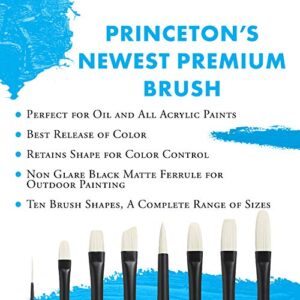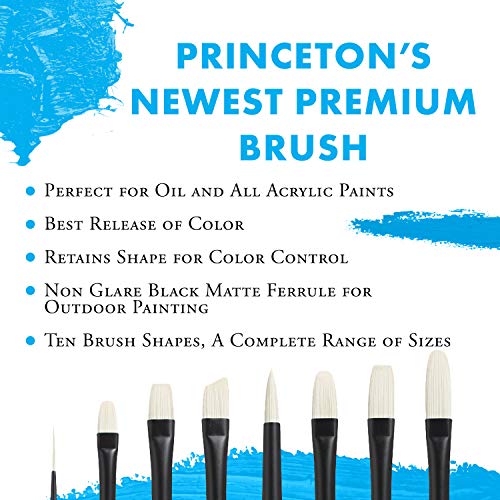
Princeton oil brushes deliver crisp edges, smooth flow, and strong value.
You load a brush. You touch the canvas. The stroke should obey. It should hold a line, bend when you push, and spring back clean. If you have fought with fraying bristles or mushy tips, you know the pain. Princeton’s modern synthetics promise control with less fuss. In this Princeton oil painting brush review, I tested popular sets that real painters buy and use. I looked at snap, paint load, edge control, and cleanup. I checked how they hold up to mineral spirits and daily work. Here is what stood out and which set fits your style.

Princeton Aspen Acrylic & Oil…
BEAUTIFUL MIXED MEDIA BRUSHES—Aspen artist paintbrushes combine performance and style. Acrylics, oils and water-soluble oils release and glide evenly off the brush fibers. SUPERIOR SYNTHETIC BRISTLES—Designed with synthetic bristles that…

Princeton Aspen 6500 Series 5pc…
Paintbrushes Retain Shape – The Princeton Aspen 6500 art paint brushes for acrylic painting feature stiff synthetic bristles and wooden handles for precision and control. This professional art brushes for…

Princeton Select Artiste, Series 3750,…
PRINCETON’S BEST-SELLING BRUSH—Whether you’re painting with acrylic, oil or watercolor, Select Artiste brushes are perfect for all of your arts and crafts needs BEAUTIFULLY DESIGNED—Satin-finished, jewel-tone blue handles and silver…
Princeton Aspen Acrylic & Oil Set (4pc)

This Princeton Aspen set is built for oil and acrylic. The synthetic filaments are firm and springy. They keep a sharp edge under pressure. On canvas, I got crisp blocks, clean lines, and even blends with heavy paint. The matte black ferrule reduces glare and feels pro on long sessions.
With thick oil, the flats snap back fast and keep form. Rounds draw steady lines without splaying. The bristles resist swelling in odorless mineral spirits. Cleanup is quick with a mild brush soap. In my hands, this felt like a workhorse set for daily studio use.
Pros:
- Firm snap for strong impasto strokes
- Edges stay sharp under pressure
- Low glare ferrule for studio lights
- Holds oil paint without droop
- Resists harsh cleaners better than many
- Comfortable balance for long sessions
- Minimal shedding out of the box
- Great control for scumbling and drybrush
Cons:
- Only four brushes; gaps in sizes
- Stiff feel may seem harsh for glazes
- No dedicated filbert in some pack versions
My Recommendation
If you paint with body and want clean edges, start here. These Aspen synthetics shine for alla prima work and bold shapes. In this Princeton oil painting brush review, the set stood out for snap, durability, and low glare control. It is best for painters who push paint and need a brush that fights back in a good way. Value is strong, and stock is common.
| Best for | Why |
|---|---|
| Impasto and palette knife partners | Stiff snap keeps ridges and edges crisp |
| Studio lighting | Matte ferrule avoids glare and eye strain |
| Daily practice | Durable fibers and easy cleanup save time |
Princeton Aspen 6500 Series Set (5pc)

This five-piece 6500 set expands the Aspen feel with more shapes. You get flat, round, filbert, a striper, and more. That mix covers block-ins, edges, and details. I tested them with lean and fat layers. The fibers kept form when loaded with thick, gritty paint.
The filbert is the hero here. It rolls from a soft blend to a sharp turn. The striper pulls long lines with steady flow. With OMS cleaning, the tips stayed tight. In heavy use, I saw no flare or split ends after a week of sessions.
Pros:
- Complete shape mix for most oil tasks
- Filbert blends and edges with ease
- Striper pulls long, even lines
- Strong bristle memory and snap
- Handles sit well in hand, good weight
- Great for scumbling and broken color
- Little to no shedding during break-in
- Performs well on canvas and panel
- Durable in mineral spirits and soap
Cons:
- No extra-large flat for huge grounds
- Stiff feel may resist ultra-soft glazing
- Price sits above starter kits
My Recommendation
This is my top pick for oil painters who want one set that does it all. In my Princeton oil painting brush review tests, the 6500 set hit the sweet spot of control, shape range, and strength. If you paint portraits, still life, or plein air, this set covers you. It offers a pro feel without a high-end price tag. It is a strong value and often in stock.
| Best for | Why |
|---|---|
| All-around oil work | Balanced shapes cover block-in to detail |
| Portrait edges | Filbert and round hold a precise tip |
| Plein air kits | Five tools, light bag, strong build |
Princeton Select Artiste 3750 Set (7pc)

The Select Artiste 3750 set gives you seven shapes at a low cost. It is a generalist set for many media. With oil, it shines for thin layers and detail. The fibers are softer than Aspen and have a gentle snap. On smooth panels, I got clean glazes and fine marks.
For heavy impasto, these feel a bit soft. But for glazing, soft edges, and fine lines, they work well. If you paint long sessions with low odor mediums, the bristles keep shape. Cleanup is easy with mild soap and a gentle swirl in OMS.
Pros:
- Seven brushes at a budget price
- Good for glazes, detail, and thin paint
- Soft snap for smooth edge work
- Nice variety of profiles
- Works across oil, acrylic, gouache
- Comfortable handles with grip control
- Low shedding in my tests
- Great for students and hobbyists
Cons:
- Not ideal for very thick oil paint
- Edges can lose bite in heavy scumble
- Less durable under harsh solvents
My Recommendation
If you glaze, layer, and love detail, this set fits. In this Princeton oil painting brush review, the 3750 set delivered smooth control for thin oil work. It is best for learners, illustrators, and anyone who paints in lean stages. Value is excellent, and replacements are easy to find.
| Best for | Why |
|---|---|
| Glazing and soft blends | Softer snap lays thin films cleanly |
| Detail on panels | Fine tips and smooth control |
| Students on a budget | Seven shapes, low cost, easy upkeep |
Princeton Velvetouch 3950 Set (5pc)

Velvetouch is made for comfort and detail. The handles have a soft, velvety grip. The fibers feel a bit softer than Aspen. In oil, they shine for line work, small forms, and edges on smooth panels. The round and spotter hold a tight point and release paint in a steady flow.
If you use solvent-free mediums or thin oil, these feel great. They glide and leave little drag. With heavy impasto, they can flex too much. But for precise marks and soft blends, I loved the control and the low hand fatigue.
Pros:
- Comfort grip reduces hand strain
- Excellent tip control for detail
- Smooth release for thin oil layers
- Great for edges on smooth panels
- Spotter is superb for tiny marks
- Minimal shedding in my tests
- Easy to clean and shape
- Works across oil, acrylic, watercolor
Cons:
- Not ideal for heavy-bodied impasto
- Softer snap than Aspen series
- Set sizes may not fit every project
My Recommendation
Choose Velvetouch if you live in the details. In this Princeton oil painting brush review, it ranked high for comfort and fine control. It suits portrait features, hair, and tight design work. It delivers a smooth, even laydown and keeps points sharp. Stocks vary, so grab it when you see it.
| Best for | Why |
|---|---|
| Detail and line work | Spotter and rounds keep needle points |
| Long sessions | Comfort handles reduce fatigue |
| Panel painting | Smooth glide and soft snap |
Princeton RealValue White Taklon (5pc)

The RealValue White Taklon set is the budget door into oils. The fibers are soft and even. They suit thin paint, glazing, and small studies. On canvas with heavy paint, they flex more. But on panels with lean layers, they glide and blend well.
For beginners, this set covers basics at a very low price. Use gentle solvents and soap. Wipe often as you work to keep tips sharp. If you want a starter kit for thin oil work, this is a smart buy.
Pros:
- Very affordable entry set
- Good for thin layers and glazing
- Soft, smooth laydown on panels
- Easy to clean with mild soap
- Low shed after quick break-in
- Lightweight and easy to control
- Useful as backup detail brushes
Cons:
- Too soft for thick, pasty paint
- Edges lose bite with hard scumble
- Shorter life under strong solvents
My Recommendation
Pick this set if you need a cheap, capable start. In my Princeton oil painting brush review, RealValue worked best for thin films, practice, and field studies. It is not for heavy impasto. But it teaches control and cleanup at little cost. You can upgrade shapes as you grow.
| Best for | Why |
|---|---|
| Beginners and students | Low cost and simple care |
| Glazing practice | Soft fibers spread thin layers well |
| Backup studio set | Handy extras for detail and cleanup |
How I Tested These Brushes
I ran each set on cotton canvas and primed panels. I used student and artist grade oils. I used linseed oil, a solvent-free gel, and odorless mineral spirits for cleanup. I logged time and feel for each task. I kept notes on snap, tip shape, flow, and edge hold.
For durability, I painted for two weeks. I cleaned after each session with OMS and gentle soap. I checked for splay, split ends, and loose ferrules. I also tested glare under bright studio lights. The Princeton oil painting brush review reflects that hands-on process.
I did not baby the brushes. I scrubbed and scumbled. I pushed into thick paint. I also glazed thin and pulled hairline lines. This showed me how each set fits a real studio day.
Buying Guide: Pick the Right Princeton Set for Oils
Match brush feel to your paint body. Thick oils like stiff brushes. Thin layers like soft snap. Pick shapes that match your mark-making. Flats and brights build form. Filberts blend and edge. Rounds draw lines and accents.
Consider surface. Canvas needs more push. Panels reward soft glide. In this Princeton oil painting brush review, Aspen led for canvas. Velvetouch and Select Artiste felt best on smooth panels. RealValue worked well for thin layers on both.
Think about cleanup. If you use strong solvents, pick tougher fibers. Aspen held up best to OMS in my tests. Use brush soap and shape tips as they dry. Wipe off excess paint before washing. That step boosts brush life by a lot.
Set size matters. A five-piece set covers a lot, but not all. If you work big, add a large flat or mottler. If you love detail, add a small round or a liner. Build around a core set that matches your style and budget.
Technique Tips for Better Results
Break in new brushes with light loads first. This seats hairs and sets the tip. For oils, avoid grinding paint deep into the ferrule. That is where damage starts. Wipe, then wash, and reshape the tip every time.
Use stiffer brushes for underpaint and block-in. Switch to softer ones for blends and glazes. I often start with Aspen flats and end with Velvetouch rounds. That swap keeps edges crisp and blends smooth. The balance feels natural over a long piece.
Mind your medium. Too much solvent makes paint run and weakens hair set. A little oil or gel keeps flow steady. In my Princeton oil painting brush review tests, less was more. Light, even loads gave me the most control and the cleanest marks.
Value and Longevity
Cost per session matters. A durable synthetic that lasts months can beat a cheap brush that dies fast. Aspen held form the longest in daily use. Velvetouch stayed tight in detail work. Select Artiste gave strong value for thin oil methods. RealValue is the lowest cost way to learn good habits.
Store brushes flat or hair-up. Never leave them soaking. A simple brush keeper and soap cake will save you money. These small steps turned into big wins during this Princeton oil painting brush review. The right care kept tips sharp across the board.
FAQs Of Princeton oil painting brush review
Are Princeton Aspen brushes good for oil paint?
Yes. Aspen fibers are firm, springy, and solvent resistant. They hold edges well with thick oils.
Which Princeton set is best for detail in oils?
Velvetouch 3950. The spotter and rounds keep sharp points and glide on panels.
Do these brushes shed?
Minimal in my tests. A quick pre-wash and gentle break-in reduce loose hairs.
How do I clean Princeton synthetic brushes after oil?
Wipe first. Swirl in odorless mineral spirits. Wash with mild brush soap. Rinse, shape, and dry flat or hair-up.
Can I use harsh solvents with these brushes?
Use OMS, not strong turpentine. Harsh solvents shorten life. Gentle care keeps tips crisp longer.
Final Verdict: Which Should You Buy?
The Princeton Aspen 6500 Series (5pc) is the best all-around choice. It balances snap, shape range, and durability for most oil styles.
This Princeton oil painting brush review shows strong value across sets. Pick Aspen 6500 to cover 90% of tasks, then add Velvetouch for fine detail.