Are you ready to transform your blank canvas into a stunning work of art that speaks with depth and emotion? Textured abstract painting lets you add layers, dimension, and a tactile feel that pulls people in.
Whether you’re a beginner or looking to try something fresh, this step-by-step guide will show you exactly how to create captivating textured abstract paintings with simple tools and techniques. You’ll discover how to bring your unique vision to life, making your art not just seen, but felt.
Keep reading, and let’s unlock your creativity one texture at a time!
Credit: visualartspassage.com
Materials And Tools
The step-by-step painting process breaks down creating textured abstract art into easy stages. Each step builds on the last to develop depth and interest. Follow these stages to bring your abstract vision to life with texture and color.
Sketching Abstract Shapes
Start with a light sketch on your canvas. Use simple shapes like circles, lines, or blocks. Focus on balance and flow rather than details. This sketch guides your painting and helps plan texture placement.
Applying Initial Textures
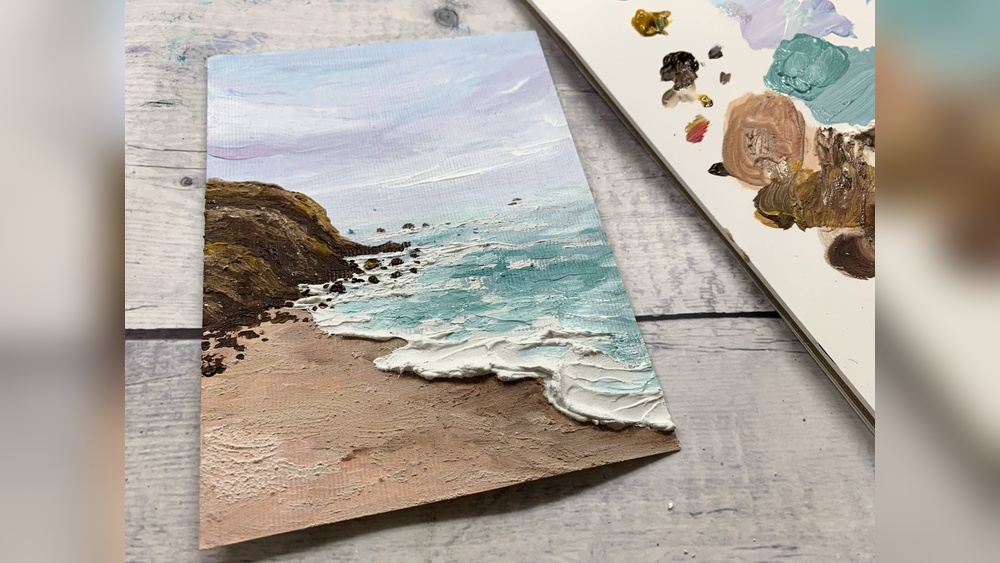
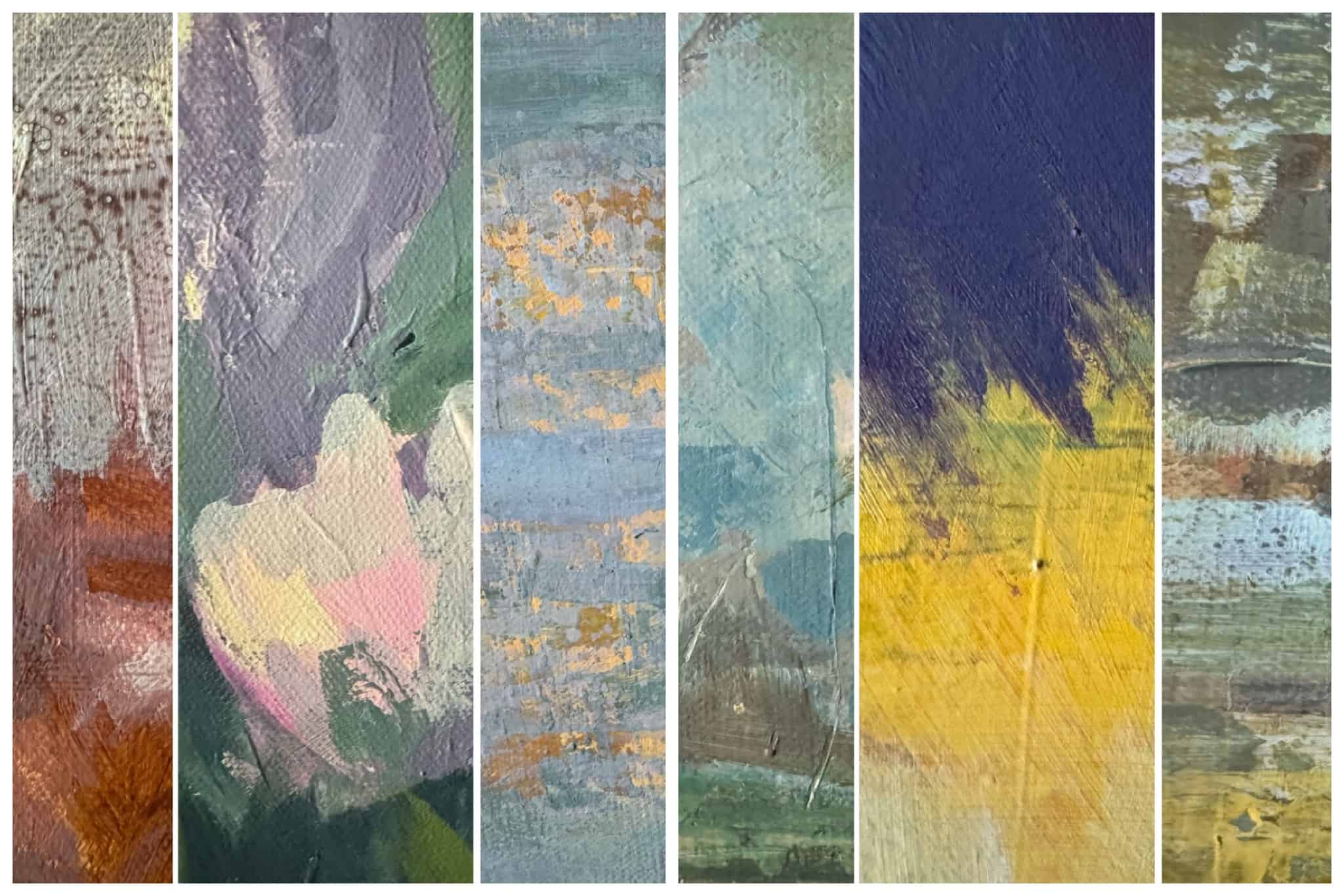
Apply texture mediums like modeling paste or thick acrylic paint. Use palette knives or brushes to spread textures over your shapes. Work quickly to create rough, varied surfaces. This step adds tactile interest and base layers.
Enhancing Depth And Dimension
Layer paint over textured areas using different colors and shades. Use dry brushing or sponging for subtle effects. Build contrasts between light and dark. This creates a sense of depth and makes textures pop.
Final Touches And Details
Add fine lines, dots, or highlights with a small brush. Refine edges and blend areas softly if needed. Step back often to see the whole piece. These details complete the artwork and enhance its visual appeal.

Credit: www.youtube.com

Credit: www.homepaintingdecor.com
Frequently Asked Questions
What Materials Are Needed For Textured Abstract Paintings?
You need acrylic paints, canvas, palette knives, texture paste, and brushes. Optional items include sponges and modeling tools to create varied textures.
How Do You Start A Textured Abstract Painting Step By Step?
Begin by sketching your design lightly. Apply texture paste or thick paint for base texture. Build layers with paint and tools gradually.
Which Techniques Create Unique Textures In Abstract Painting?
Use palette knives for scraping, sponges for dabbing, and layering thick paint. Experiment with mixed media like sand or fabric for depth.
How Can Beginners Improve Texture Effects In Abstract Art?
Practice layering paint in thin to thick coats. Experiment with different tools and mediums to discover your preferred texture style.
Conclusion
Textured abstract painting brings life and depth to your art. Following simple steps helps you create unique designs. Experiment with colors and materials to find your style. Enjoy the process and learn with each brushstroke. Your creativity grows with every textured layer you add.
Keep practicing and watch your art improve daily. Textured abstract painting is fun and rewarding for all skill levels. Start your next piece with confidence and joy.