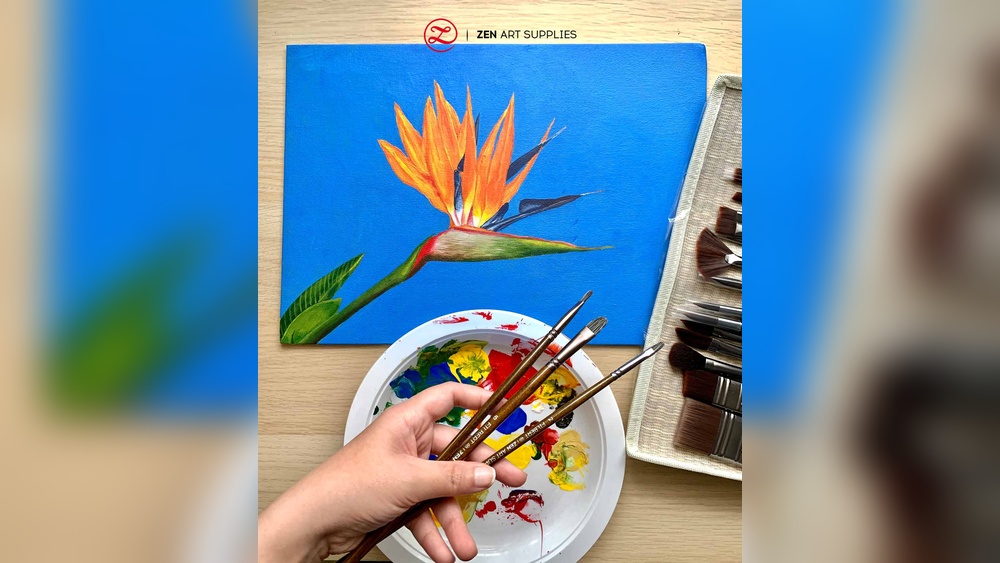
Are you wondering what surfaces you can bring to life with acrylic paint? Whether you’re a beginner or looking to try new projects, knowing what acrylic paint can stick to opens up a world of creative possibilities for you.
From classic canvas to unexpected materials like wood, glass, and fabric, acrylics adapt easily and deliver vibrant, lasting color. You’ll discover the many surfaces perfect for acrylic painting and some tips to get the best results. Ready to unlock your creativity?
Let’s dive into what acrylic paint can be used on and how you can make your next masterpiece stand out.

Credit: www.youtube.com
Popular Surfaces
Acrylic paint is famous for its ability to stick to many surfaces. Artists and crafters enjoy using it on different materials. This versatility makes acrylics a favorite choice for many projects. Here are some popular surfaces that work well with acrylic paint.
Canvas And Paper
Canvas is the top choice for acrylic painting. It holds paint well and lasts a long time. Artists often buy pre-stretched canvas or canvas boards. Paper is another common surface. Thick, heavy paper works best to avoid warping. Mixed media paper suits acrylics perfectly. Both surfaces allow rich colors and fine details.
Wood Varieties
Acrylic paint sticks to many types of wood. Smooth wood like plywood, MDF, or hardwood is ideal. Wood offers a solid base and natural texture. It is great for signs, furniture, and art panels. Sealing the wood before painting helps paint last longer. Wood crafts become vibrant and durable with acrylics.
Fabric Types
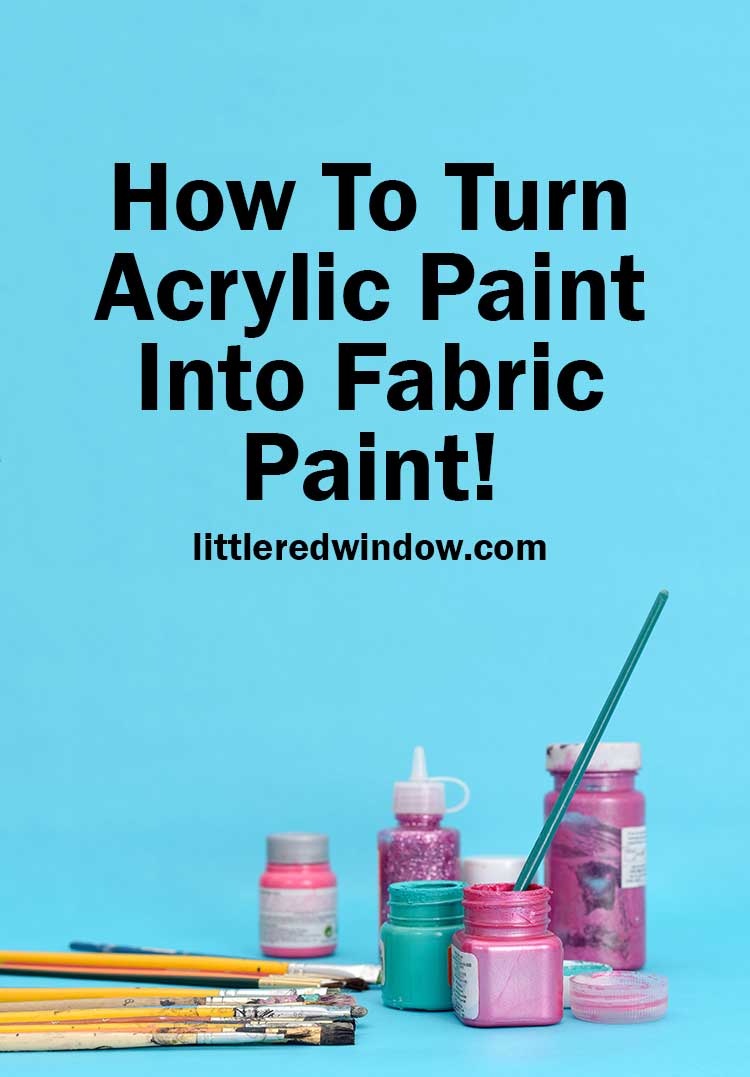
Acrylic paint can be used on fabrics too. Cotton and linen absorb paint nicely. Use fabric medium mixed with acrylics for better flexibility. This stops the paint from cracking when the fabric moves. Painted fabric can be used for clothing, bags, and home decor. Acrylics bring bold color to textile projects.
Craft Materials
Acrylic paint works on many craft materials. Plastic, glass, and metal can be painted with proper prep. Clean the surface well before applying paint. Acrylics dry fast and hold onto these surfaces tightly. It is common to use acrylics on pottery, glass jars, and plastic toys. This paint adds color and life to many craft ideas.
:max_bytes(150000):strip_icc()/Acrylic_thin-575c54925f9b58f22ef3c2f7.jpg)
Credit: www.thesprucecrafts.com
Uncommon Surfaces
Acrylic paint is famous for sticking to many surfaces. Most people think of canvas or paper first. But acrylic paint can also work well on uncommon surfaces. These surfaces can bring new life to your art projects. They offer texture, shine, and durability that canvas cannot. Here are some uncommon surfaces you can try with acrylic paint.
Glass And Metal
Glass and metal are smooth and non-porous surfaces. Acrylic paint can stick but needs a little help. Use a primer or sanding to roughen the surface. Paint on jars, bottles, or metal signs. Acrylic paint adds color and design to plain glass or metal objects. Seal the paint to prevent chipping and fading.
Plastic And Ceramics
Plastic and ceramics can be tricky but acrylic paint still works. Clean the surface well before painting. Use special primers for better adhesion on plastic. Painted plastic items like toys, containers, or decor get a fresh look. Ceramics such as pots or plates can be decorated for art or gifts. Finish with a clear sealant for durability.
Concrete And Masonry
Concrete and masonry surfaces are rough and strong. Acrylic paint holds up well on walls, floors, or garden stones. These surfaces soak up paint differently than smooth ones. Use thicker coats and multiple layers for full coverage. Acrylic paint on concrete adds color to patios, walkways, or murals. It resists weather and lasts long outdoors.
Found Objects
Found objects like driftwood, old books, or metal scraps make unique canvases. Acrylic paint can transform these items into art pieces or decorations. The paint sticks to many textures and shapes. Use your creativity to combine colors and patterns on these objects. Sealing the paint helps protect your work and adds shine.
Surface Preparation
Proper surface preparation is key to getting the best results with acrylic paint. It helps the paint stick better and last longer. Different surfaces need different preparation steps. Taking time to clean and prime the surface creates a smooth base. This makes the colors look brighter and prevents peeling or cracking. Below are important steps for preparing your painting surface.
Cleaning And Priming
Start by cleaning the surface to remove dirt, dust, or grease. Use a soft cloth and mild soap with water. Let the surface dry fully before painting. Priming helps seal porous surfaces like wood or canvas. Apply a layer of acrylic gesso or primer to create a smooth, even base. This improves paint adhesion and enhances color vibrancy.
Using Base Coats
Applying a base coat of white or light-colored acrylic paint helps unify the surface. It gives an even tone for your artwork. Base coats reduce the number of paint layers needed. Spread the base coat thinly and let it dry completely. This step is useful on dark or uneven surfaces. It also prevents the original surface from showing through.
Fabric Mediums
Acrylic paint is thick and stiff on fabric without help. Mix fabric medium into your acrylic paint to keep it flexible. This prevents cracking or stiffness after drying. Fabric mediums allow the paint to bond with cloth fibers better. Use the right ratio of fabric medium to paint for smooth application. After painting, heat-set the fabric by ironing it to make the design last.
Techniques For Different Surfaces
Acrylic paint adapts well to many surfaces, each needing a special technique. Understanding these methods improves your painting results. Different surfaces require different approaches to get the best finish. Experiment with brushwork, airbrushing, and layering to suit your project.
Brush Application
Brushes work well on canvas, wood, and paper. Use soft brushes for smooth surfaces and stiff ones for rough textures. Apply paint in thin, even strokes for better coverage. Clean brushes quickly to avoid dried paint buildup. On fabric, use a fabric medium mixed with paint for flexibility. Avoid heavy layers that can crack or peel.
Airbrushing Tips
Airbrushing spreads paint evenly on glass, plastic, and metal. Thin acrylic paint with water or airbrush medium for smooth flow. Keep the airbrush moving to prevent blotches. Work in light layers to build color slowly. Use a mask or stencil for sharp edges. Clean the airbrush after each use to maintain performance.
Layering And Sealing
Layering adds depth to wood, canvas, and stone surfaces. Let each layer dry before adding the next for better adhesion. Seal finished work with varnish or acrylic sealer to protect it. Choose matte or glossy finish based on your desired look. Sealing prevents fading and water damage. This step is essential for outdoor projects.
Creative Uses
Acrylic paint is a favorite for many artists and crafters. Its flexibility lets you use it on many surfaces beyond just canvas. The paint dries fast and sticks well, making it perfect for creative projects.
Explore some exciting ways to use acrylic paint around your home and outdoors. These ideas show how this paint can refresh old items and brighten your space.
Home Decor
Acrylic paint can transform plain objects into beautiful decor. You can paint flower pots, picture frames, or lampshades to match your style. It works great on wood and ceramics, letting you add unique designs. Use stencils or freehand patterns for a personal touch. This simple update can change the look of any room quickly.
Upcycling Projects
Turn old furniture or tired items into something new with acrylic paint. Chairs, tables, or boxes can get fresh colors and patterns. The paint adheres well to wood, metal, and plastic surfaces. Add a protective sealant to keep your work safe from scratches. Upcycling saves money and reduces waste while giving you custom pieces.
Outdoor Art
Acrylic paint is tough enough for outdoor use. You can decorate garden stones, birdhouses, or pots with bright colors. It resists fading in the sun and handles moisture well. Use it to create murals on walls or fences. Outdoor art adds charm and personality to your garden or yard space.
Limitations And Precautions
Acrylic paint offers great flexibility for artists and crafters. Still, it has some limitations and needs careful handling. Understanding these helps to get the best results and avoid common problems. Below are key points to consider when using acrylic paint.
Toxicity Concerns
Acrylic paint is generally safe for most users. It contains water-based ingredients with low toxicity. Still, some pigments may have harmful substances. Avoid inhaling fumes or dust from dried paint. Keep paint away from children and pets. Use in a well-ventilated area to reduce any risks. Wear gloves if you have sensitive skin.
Surface Compatibility
Acrylic paint sticks well to many surfaces like canvas, wood, and paper. It does not bond easily to very smooth or oily surfaces. Glass, plastic, and metal may need a primer or special preparation. Without proper prep, paint can peel or crack. Test paint on a small area before starting a big project. Some fabrics require fabric medium to keep paint flexible.
Durability Factors
Acrylic paint dries fast and becomes water-resistant. Yet, it can fade or crack over time if exposed to harsh conditions. Direct sunlight may cause colors to lose brightness. Moisture can weaken the paint layer if not sealed properly. Use a varnish or sealant for outdoor or heavy-use items. Proper storage and care extend the life of acrylic-painted works.
Credit: littleredwindow.com
Frequently Asked Questions
Can Acrylic Paint Go On Anything?
Acrylic paint adheres well to most clean, dry surfaces like canvas, wood, metal, glass, fabric, and plastic. Priming improves adhesion on smooth or non-porous materials. It suits various art and craft projects, making it highly versatile for many surfaces.
What Surfaces Can I Use Acrylic Paint On?
Acrylic paint works well on canvas, wood, paper, metal, glass, plastic, fabric, ceramics, and stone. Clean, dry surfaces ensure better adhesion.
What Does Acrylic Paint Work Best On?
Acrylic paint works best on clean, porous surfaces like canvas, wood, paper, and fabric. It also adheres well to metal, glass, plastic, and ceramics when properly prepared. These surfaces provide good texture and paint adhesion for vibrant, lasting results.
When Not To Use Acrylic Paint?
Avoid acrylic paint on surfaces exposed to high heat or heavy moisture, as it can crack or peel. Do not use on oily, greasy, or dirty surfaces without proper cleaning. Avoid airbrushing acrylics without ventilation due to toxicity risks. Do not sand acrylic paint without protection; it releases harmful dust.
Conclusion
Acrylic paint works well on many surfaces like canvas, wood, and glass. It sticks easily and dries fast, making it great for art projects. You can use it on fabric, metal, paper, and even concrete. Just prepare the surface for better results.
This paint offers creativity without many limits. Try acrylics on different materials to see what you enjoy most. Simple, fun, and versatile—acrylic paint fits many needs. Keep experimenting and bring your ideas to life!